





 Portuguese
  English
  Spanish
  6 min of reading
  0 comments


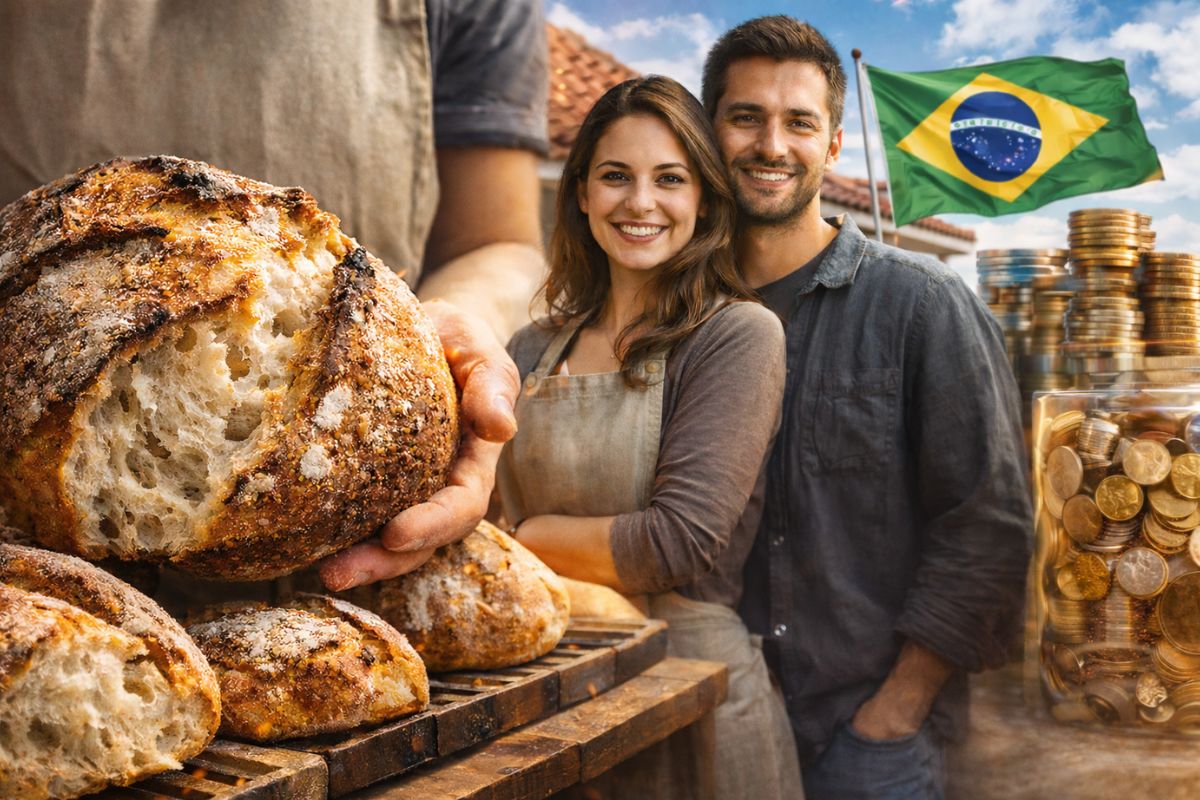
Couple Turned Artisanal Bread Into Extra Income to Pay Bills, Build Emergency Fund, and Take First Steps Towards Financial Freedom.
The couple did not start with a bakery, a large investment, or a sophisticated operation. The idea was born from a very common inconvenience for those living on a fixed salary: the insecurity of depending on a single source of income. It was from this discomfort that the decision to use only one day a week to build something small, but their own, arose.
The proposal was simple, almost domestic. Make artisanal breads at home, sell them online, and turn that Friday effort into real extra income. What seemed small at first ended up teaching an important lesson: financial freedom rarely starts big. Most of the time, it starts with something modest, repeated with care and consistency.
Couple Bet on a Simple Product, But with Real Quality
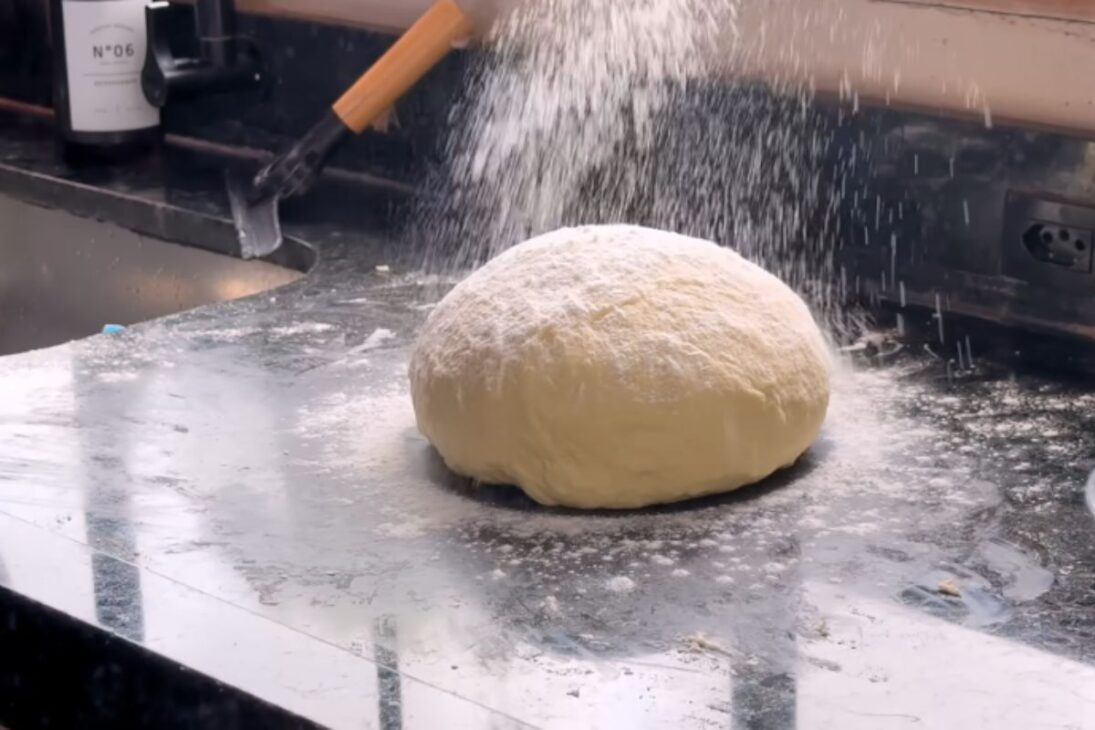
The bread sold by the couple was not treated just as another homemade item. From the beginning, the idea was to deliver a product that conveyed a sense of care, attention, and value.
-
Brazilian city bets on the business environment to generate jobs and attract investments in the energy sector — secretary reveals strategy at Macaé Energy 2026.

-
50 viaducts, 4 tunnels, 28 bridges, and 40 kilometers of bike paths: BR-262 in Espírito Santo will receive 8.6 billion reais for the largest engineering project in the state’s history, inspired by the Immigrant Highway in São Paulo.

-
Brazil produces too much clean energy and doesn’t know what to do with it: over 20% of solar and wind capacity was wasted in 2025 while investors flee and 509 renewable generation projects were abandoned in the last year.

-
Piauí will produce a new fuel that replaces diesel without needing to change anything in the truck’s engine and reduces pollutant gas emissions by half: truck drivers from all over the Northeast are already celebrating the news that will arrive later this decade.


The ingredients used followed this logic, with quality olive oil, real butter, and whole milk.
In some versions, the recipe even included fresh oregano or cheese from Serra da Canastra, which gave the bread an even more distinctive flavor.
The intention was not simply to sell food. The goal was to offer a small experience, something that could transform a regular afternoon coffee into a special moment.
This care also appeared in the way the product was presented. The bread was designed to be consumed in affectionate situations, such as a visit, a shared coffee, or even a gift. This helped reinforce the perception of value and differentiate the product from something merely functional.
Friday Became Production and Delivery Day
The couple‘s routine happened parallel to the workweek. While weekdays followed a normal schedule, Friday was reserved for preparing the breads. The work began early, before the sun rose.
They would wake up, organize the kitchen, prepare the dough, wait for it to rise, and put the loaves in the oven.
The production was not done in a hurry. There was attention to the process and the final result. It was precisely this care that helped transform something simple into an artisanal product with its own identity.
After baking, the loaves were wrapped in parchment paper, kraft paper, and sisal string. In some cases, they even included a small sprig of rosemary.
The couple also wrote handwritten messages to some clients, creating a more personal and memorable experience.
Each Loaf Had a Defined Price and Clear Profit
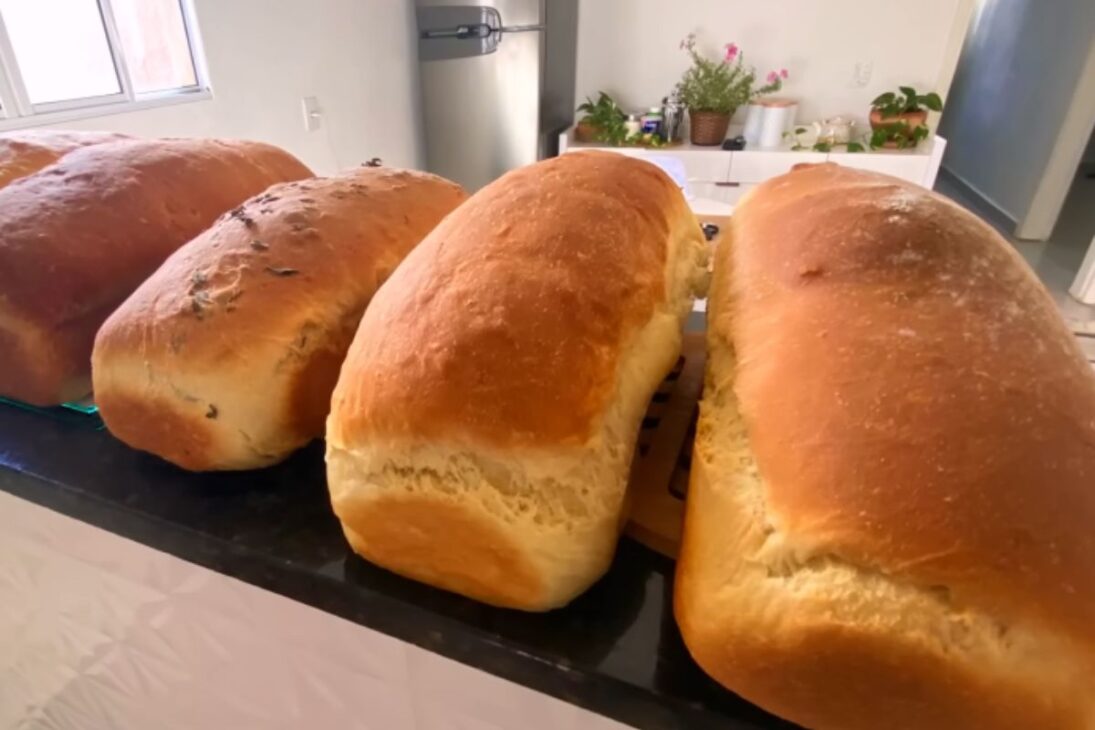
The operation was small, but it had financial logic. Each loaf was sold for R$ 38, and the profit per unit was around R$ 15. The remainder covered ingredients, packaging, and delivery itself, done by both of them.
On average, the couple sold between 15 and 20 loaves every Friday. Just this volume generated about R$ 250 in one single production day.
On special occasions, like Mother’s Day, Christmas Eve, and Easter, revenue would increase even more, and the extra income could reach R$ 450 in one single day.
It may not seem like a fortune at first glance, but the main point was never that. The strength of that money lay in the fact that it did not depend on their main job.
It was an income created with their own hands, outside of the fixed salary, and that completely changed their sense of security.
Extra Income Helped Pay Bills and Build Savings
The artisanal bread entered the couple‘s life as a way to build small, but concrete financial protection.
Over time, this income helped pay household bills and also build an emergency fund.
This effect is important because it highlights a reality often ignored. Not every financial change comes from a major business, a high investment, or a sudden turnaround.
In many cases, it starts with supplementary income that relieves pressure on the budget and creates breathing space.
That is exactly what the couple realized. Even small, the extra income generated a sense of autonomy.
Every loaf sold represented a little less dependence on a single source of money and a little more freedom to think about the future.
Couple Realized That Financial Freedom Does Not Start Big
The biggest lesson in the story was not just about selling bread. It was about mindset. Over time, the couple understood that financial freedom does not start on a large scale. It begins when someone decides to test a simple idea and stop underestimating modest beginnings.
This realization came along with another important discovery. Extra income almost never comes ready, structured, and robust.
It often emerges small, limited, and even imperfect. But still, it can have a huge impact on how a person perceives work, money, and risk.
What seemed like a modest gain had a powerful psychological effect. The existence of a second source of income reduces fear, diminishes the feeling of being trapped, and expands the capacity for choice.
Shame of Starting Small Is One of the Biggest Barriers
The story also highlights a point that many people avoid admitting. According to the account, the main obstacle to starting was not lack of time or lack of knowledge. It was shame.
Shame of selling, shame of trying, shame of what others will think. The couple realized that many people prefer to remain dissatisfied rather than face the discomfort of taking a first small visible step. Yet this discomfort can be the beginning of an important change.
Those who accept starting small gain a real advantage. Not because everything will work out immediately, but because they break free from paralysis.
While many people wait for the perfect opportunity, others begin with what they have, in the time they can, and build something gradually.
Free Time Became Space to Learn New Skills
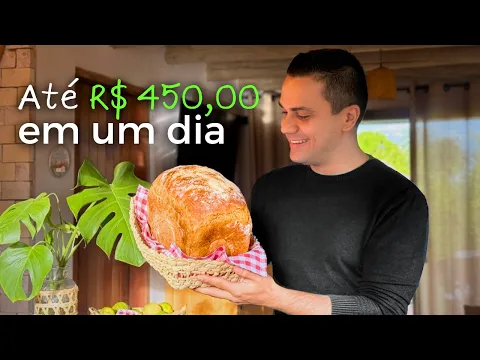

Another consequence of this phase was the change in their relationship with time. During production breaks, especially while the dough was resting, the narrator began to use free hours to learn new skills.
The logic made sense. If a simple extra income already brought more freedom, learning new things could open more doors in the future.
Bread was not only seen as a source of money but as a trigger for a new posture towards professional life.
This point is important because it expands the story. The result was not only financial. There was also a shift in mindset, perception of risk, and willingness to develop skills capable of creating new sources of income later on.
Today, Bread Is No Longer Sold, But the Lesson Continues
The couple no longer produces these loaves as before, but the story remains alive. To this day, people still send messages asking if they can order the product, especially on special occasions.
This shows that the impact of the project was not only in the money it generated but also in the memory it built with the clients.
More than changing their lives alone, bread was part of a transition. It was one of the first steps. And that may be the strongest point of the entire journey.
Big changes rarely start with something grand. They often arise from small initiatives made in free time, with consistency and courage.
In the end, the greatest lesson lies not just in the amount raised but in the movement that this amount represented. The artisanal bread was not just a product.
It was a way for the couple to see that security and freedom can start on a minimal scale, as long as someone is willing to begin.
And you, would you have the courage to start small like this couple to create extra income?








Seja o primeiro a reagir!