





 Portuguese
  English
  Spanish
  2 min of reading


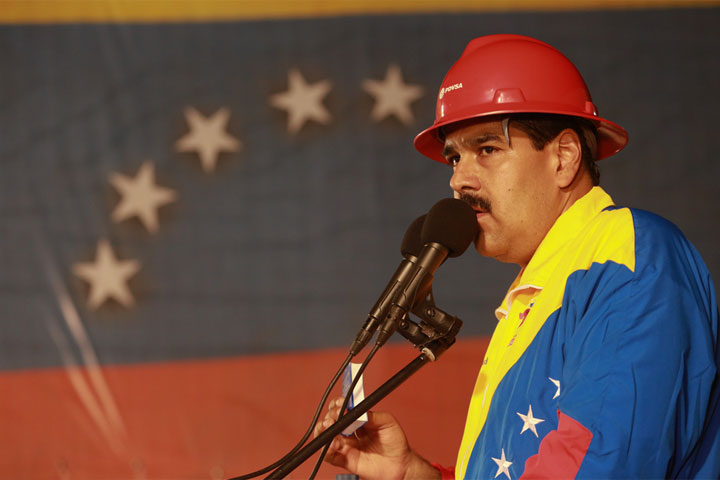
Although It Holds the Largest Oil Reserves in the World, Its Production Levels Place It in the Middle of the Block Among OPEC Producer Members.
Venezuelan plans to stabilize crude oil production are not enough to tackle bottlenecks and investment shortages, an analyst said on Friday, according to UPI. Manuel Quevedo, head of Petróleos de Venezuela, or PDVSA, announced that crude oil production has stabilized after a chronic decline and the country was trying to pick up the pace by utilizing its mature assets.
Despite its vast reserves, corruption and international isolation have affected the oil production of one of the founding members of the Organization of the Petroleum Exporting Countries. Secondary sources reporting on OPEC economists placed Venezuelan production at an average of 1.3 million barrels per day last month, a decline of 38% from the 2016 average.
-
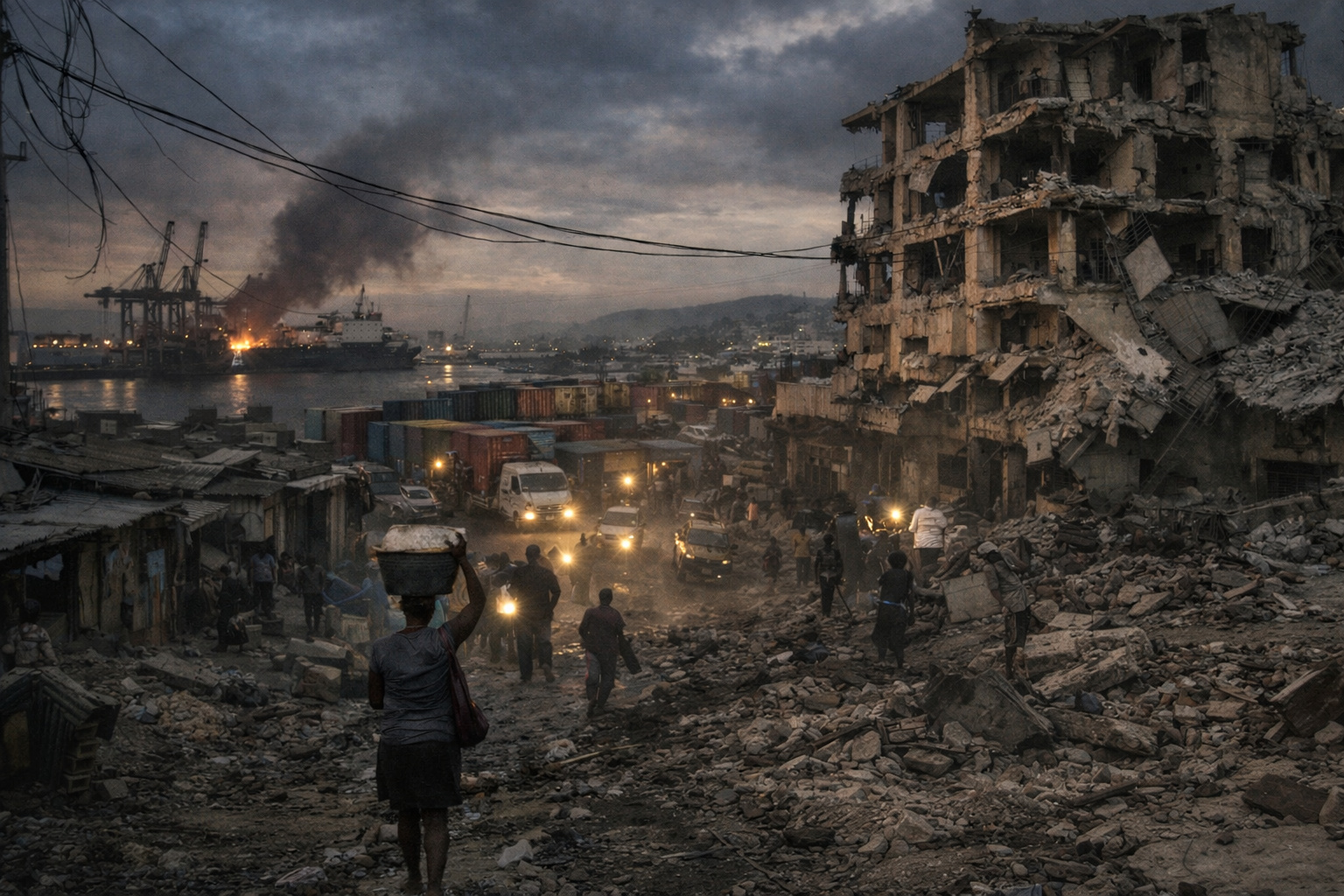
Haiti’s capital is experiencing an energy and construction crisis, facing blackouts, a blocked port, and buildings at risk after years of instability and a significant earthquake.
-
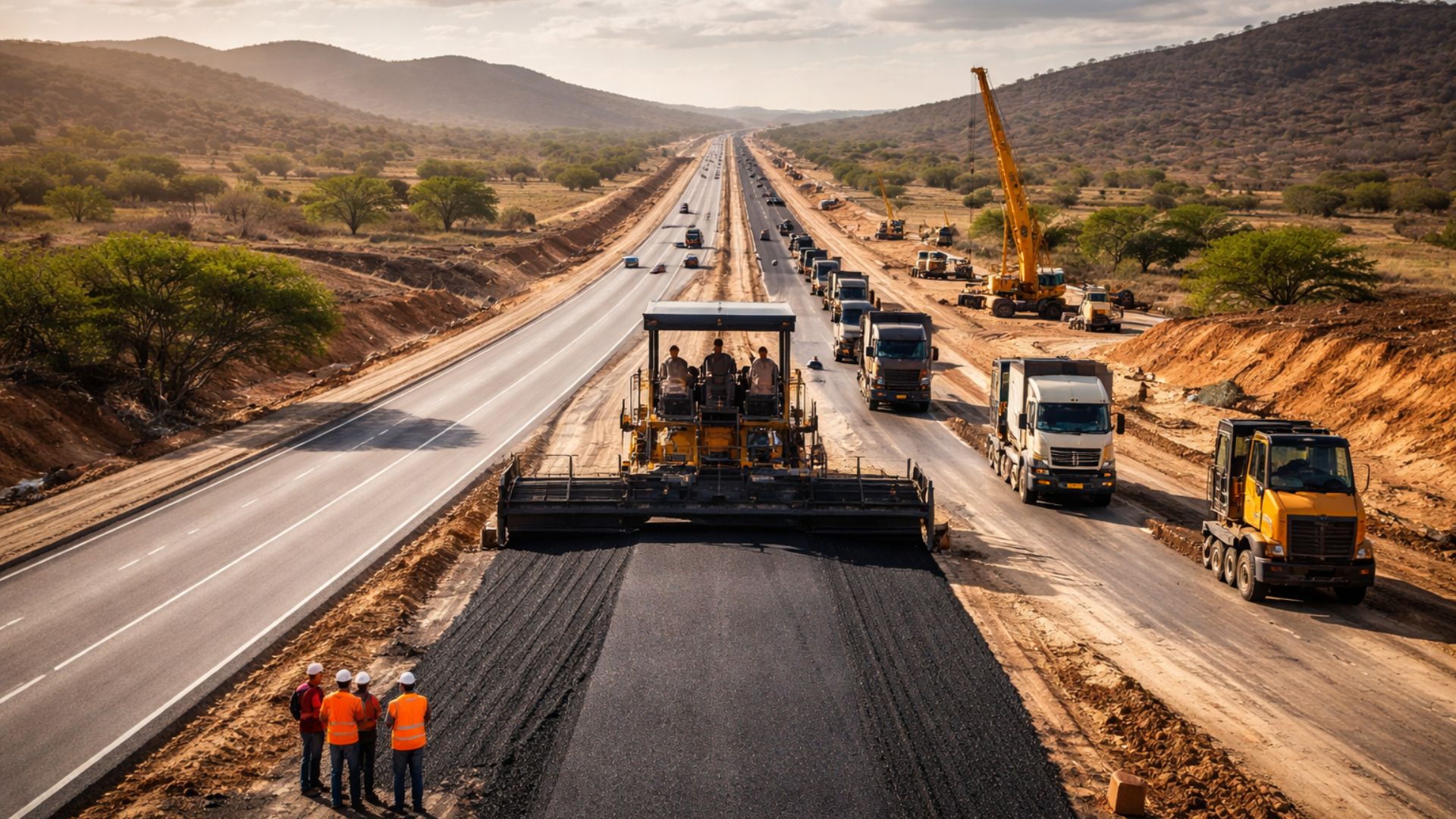
Government unlocks R$ 554 million for a highway that has been requested for decades and accelerates the duplication of BR.
-
Without bricks, without cement, and without endless construction: the cardboard house that is assembled in modules and can be moved.

-
Billions of barrels on the equatorial margin could lead Amapá to double its oil production in Brazil — the state aims to enter the route of companies in the Campos Basin, attract investments, and boost jobs and businesses in the oil and gas sector.

Adrian Lara, senior oil and gas analyst at GlobalData, stated in comments sent to UPI by email that Venezuela has issues to address, from actual production to refinery problems.
“Therefore, not only do challenges remain, but they combine into a path that could prolong and increase the rate of decline in oil production in the Orinoco Belt”, he said.
The U.S. Geological Survey estimates that the Orinoco Belt contains an average volume of 513 billion barrels of technically recoverable oil reserves. An annual review of global reserves by the Italian energy company Eni placed Venezuela at the top of the list. While the United States was the largest producer last year, its total reserves amounted to about 10% of Venezuela’s.
Lara mentioned that focusing on mature assets could be a good strategy for Venezuela, but it would require significant investments in a country facing deep economic crises.
“Without details on the strategy, it is hard to assess how PDVSA can implement a plan in which the production loss in the Orinoco Belt could be offset by the production from these fields,” he said.
From a Latin American perspective, the International Monetary Fund noted that the real gross domestic product for Venezuela is expected to fall by 18 percent this year, marking the third consecutive year of double-digit declines in oil revenue, which was US$ 22 billion last year compared to about US$ 70 billion in 2011. Venezuela’s total exports are 10% lower than 2016 levels.





Seja o primeiro a reagir!