





 Portuguese
  English
  Spanish
  3 min of reading


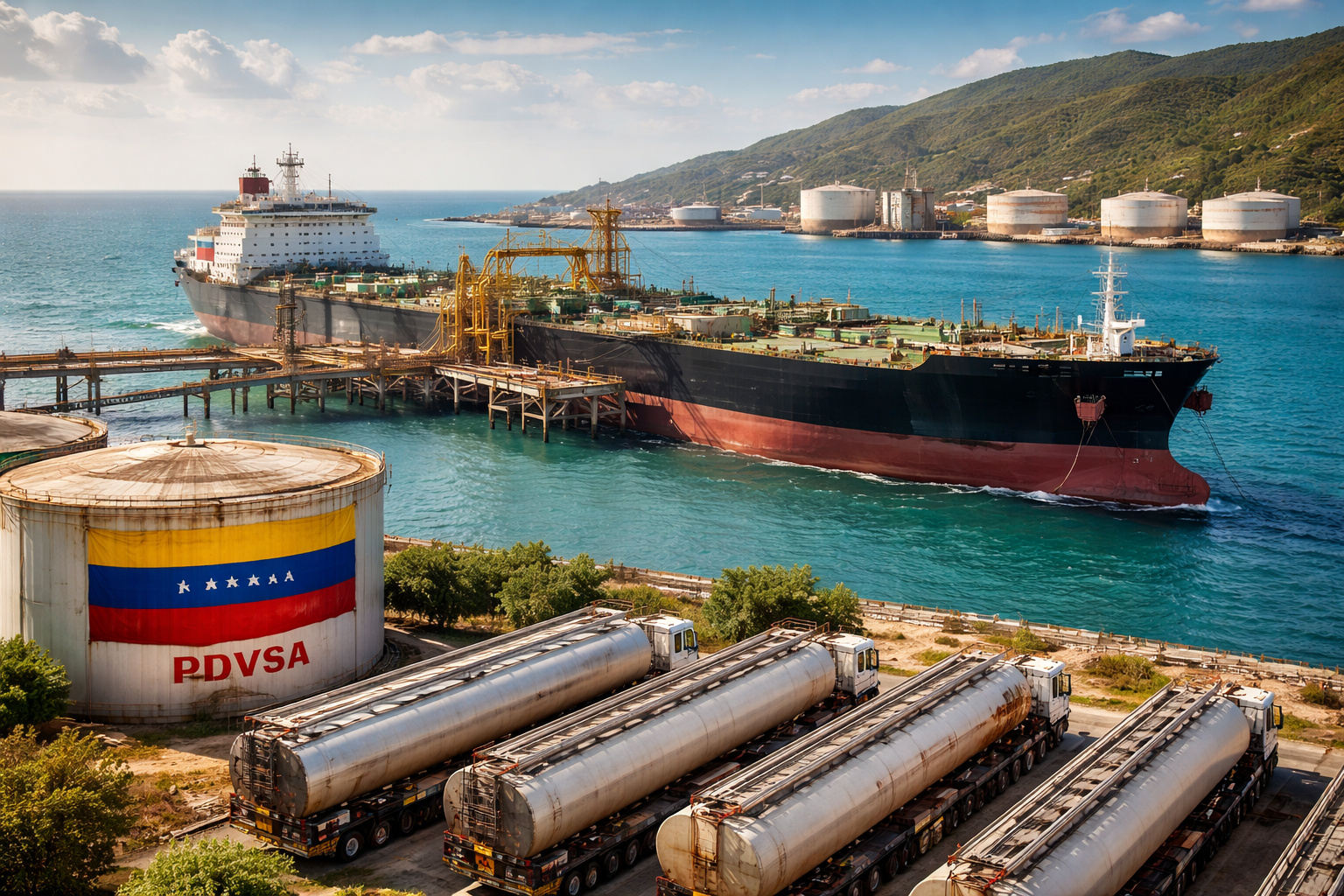
The Venezuela is preparing to increase its oil exports in the coming months. To achieve this, the country plans to use larger shipments and direct a significant portion of the volume to the India market, one of the largest global energy importers.
This move occurs at a time of change in the Venezuelan political and energy landscape. Moreover, it reflects a clear attempt to regain ground in the international oil market after years of restrictions and declines in exports.
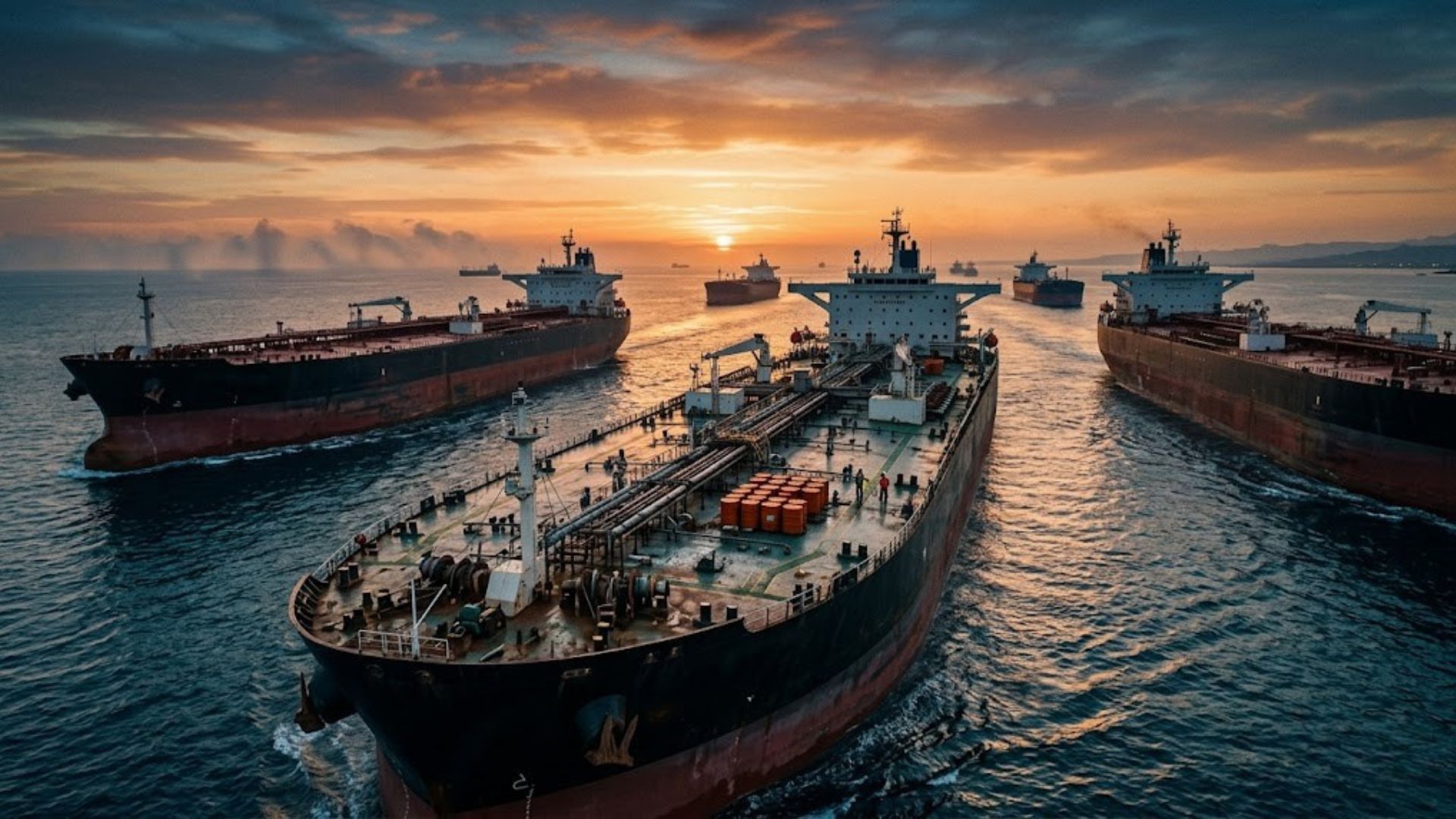
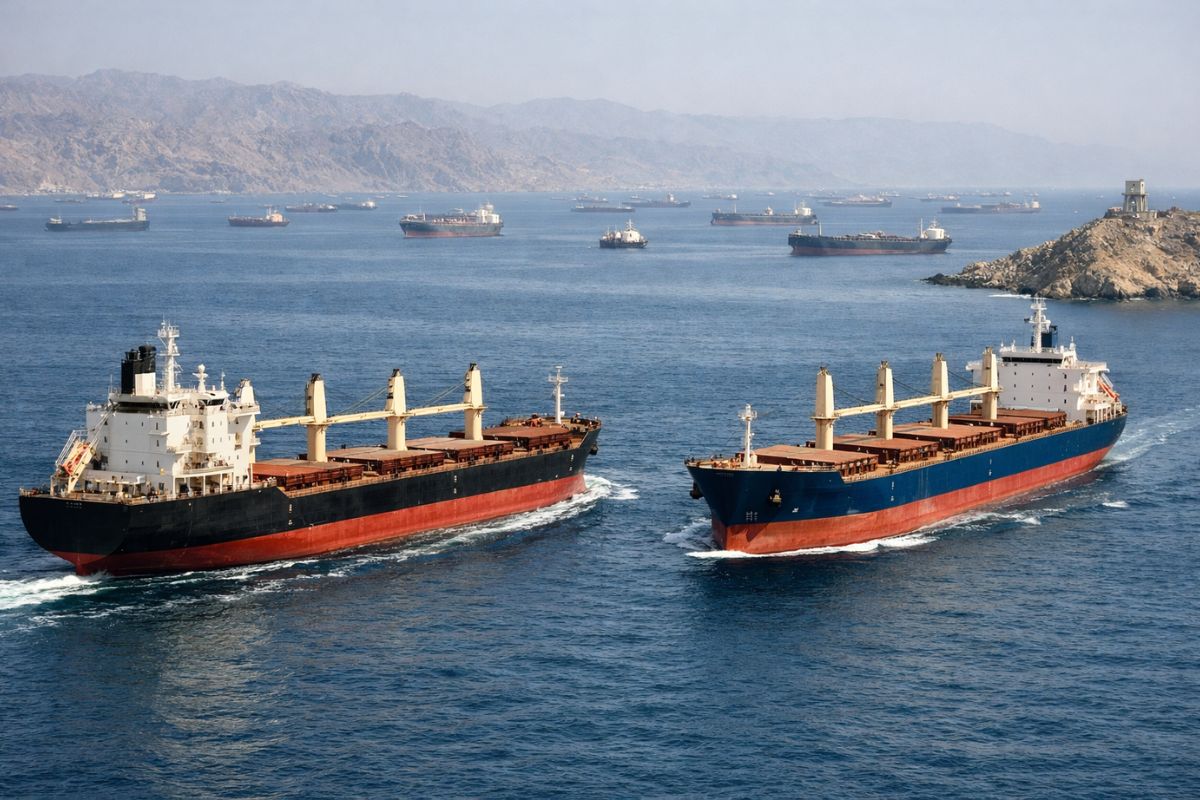
According to information released by Reuters, companies have started using large tankers, known as VLCCs. These oil tankers allow for much larger volumes of crude oil to be transported. Consequently, logistics costs are expected to decrease.
-
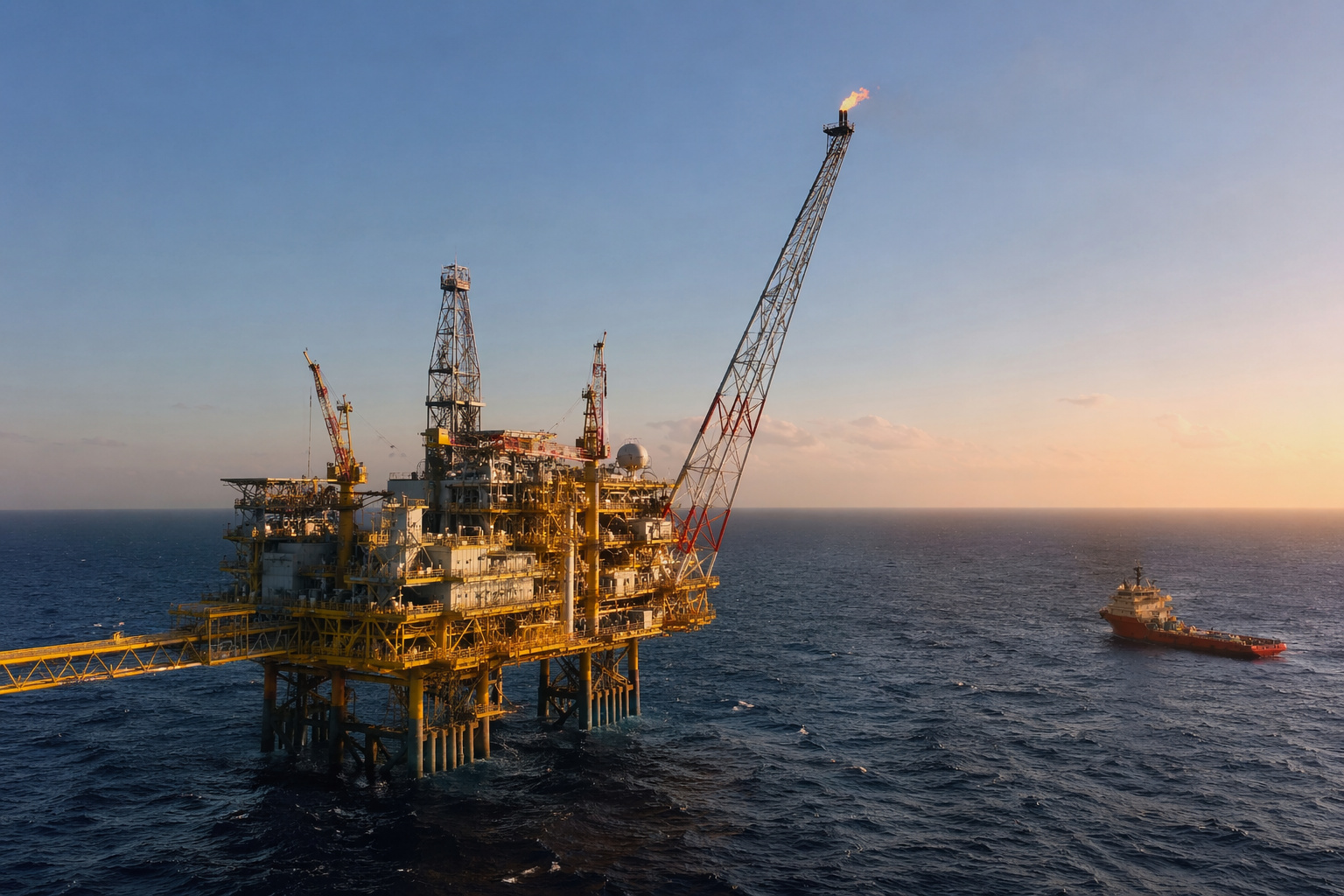
The next exploration auction in the pre-salt will offer 23 blocks in the Campos and Santos basins and may change the interest of oil companies in Brazil.
-
The next exploration auction in the pre-salt will offer 23 blocks in the Campos and Santos basins and could change the interest of oil companies in Brazil.
-
Red Sea, from biblical site to oil hope: South Korea reveals ambitious plan to create new oil routes through the Red Sea with the dispatch of 5 ships, agreements with 3 countries, and a focus on the strategic port of Yanbu.
-
SISTAC expands contract with Petrobras for maintenance of platforms in the Santos, Campos, and Espírito Santo basins using ROV and specialized underwater operations.
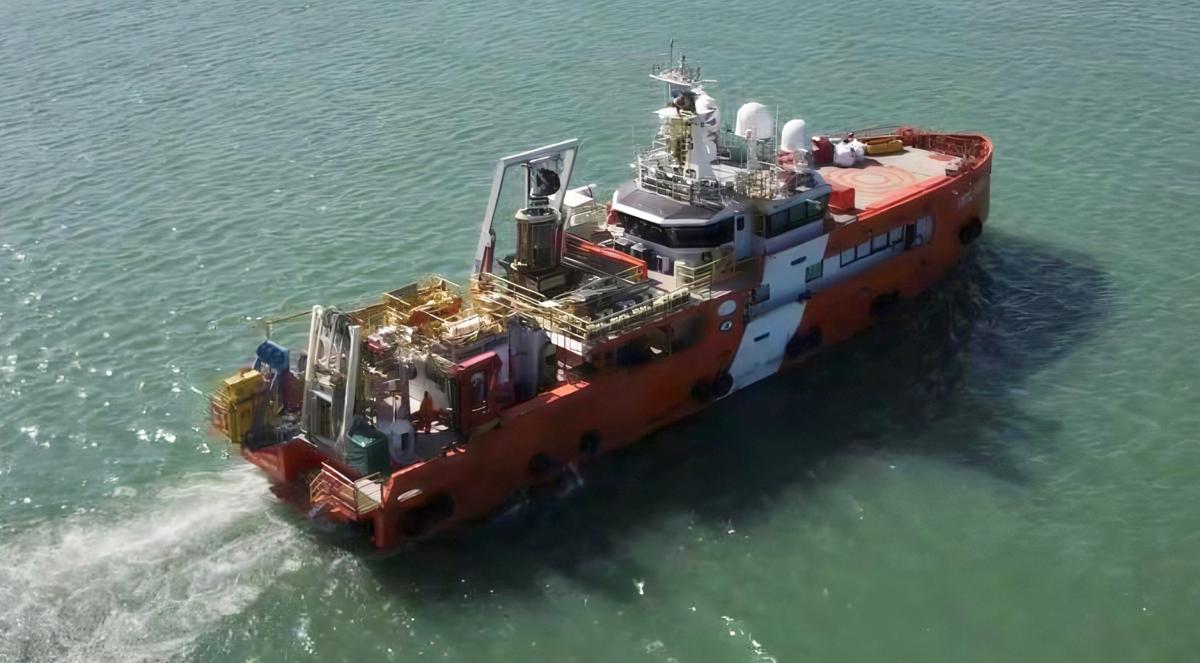
Use of Super Tankers Accelerates Exports
Until recently, Venezuela was exporting oil on smaller ships. Now, the adoption of super tankers represents a strategic shift. This way, the country can send more barrels per trip and reduce turnaround time.
Furthermore, the shipments primarily depart from José port, one of the main terminals in the country. Thus, logistics becomes more efficient, even amid structural limitations.
At the same time, international traders are showing interest in larger volumes. Therefore, this change caters to both supply and demand.
India Returns to the Venezuelan Oil Radar
India emerges as a priority destination for these shipments. Before the sanctions imposed in 2019, the Asian country was already one of the largest buyers of Venezuelan oil. Now, this flow is starting to be resumed.
According to analysts, Indian refineries are looking to diversify suppliers. In this context, Venezuelan oil is regaining attractiveness, especially due to its technical characteristics.
Additionally, India is trying to reduce excessive dependency on other markets. Therefore, increasing purchases from Venezuela could be a strategic alternative.

Political Changes Influence the Sector
The increase in exports comes after significant changes in the political landscape. According to international reports, the capture of then-President Nicolás Maduro by American forces contributed to altering diplomatic and commercial relations.
As a result, supply agreements began to be negotiated. Thus, companies that previously faced restrictions began to operate in the country again.
Although the context still generates debates, the oil sector is already feeling practical effects. Consequently, exported volumes are beginning to rise.
Gradual Recovery of the Oil Industry
For years, Venezuelan production and exports have sharply declined. In addition to sanctions, the country faced a lack of investment and operational issues.
Now, the use of larger vessels signals an attempt at recovery. Still, experts warn that full recovery will take time.
On the other hand, the increase in exports could generate new revenues. Thus, the sector is returning to a central role in the country’s economy.
Impact on the Global Energy Market
The gradual return of Venezuela to international trade occurs at a sensitive time. At the same time, consuming countries are trying to diversify energy sources.
Thus, each new relevant supplier influences prices and global flows. Therefore, the increase in Venezuelan shipments draws analysts’ attention.
However, challenges remain. Meanwhile, investors are cautiously monitoring the political and operational stability of the country.
Expectations for the Coming Months
In the coming months, the market will observe the regularity of these shipments. If the flow remains, Venezuela may recover part of the lost ground.
Furthermore, new contracts may emerge, especially with Asian buyers. Therefore, India is likely to play a central role in this strategy.
Finally, the increase in shipments represents more than logistics. It signals an attempt to reintegrate Venezuela into the global energy map, amidst an international scenario still marked by uncertainties.







Seja o primeiro a reagir!