





 Portuguese
  English
  Spanish
  3 min of reading
  1 comment


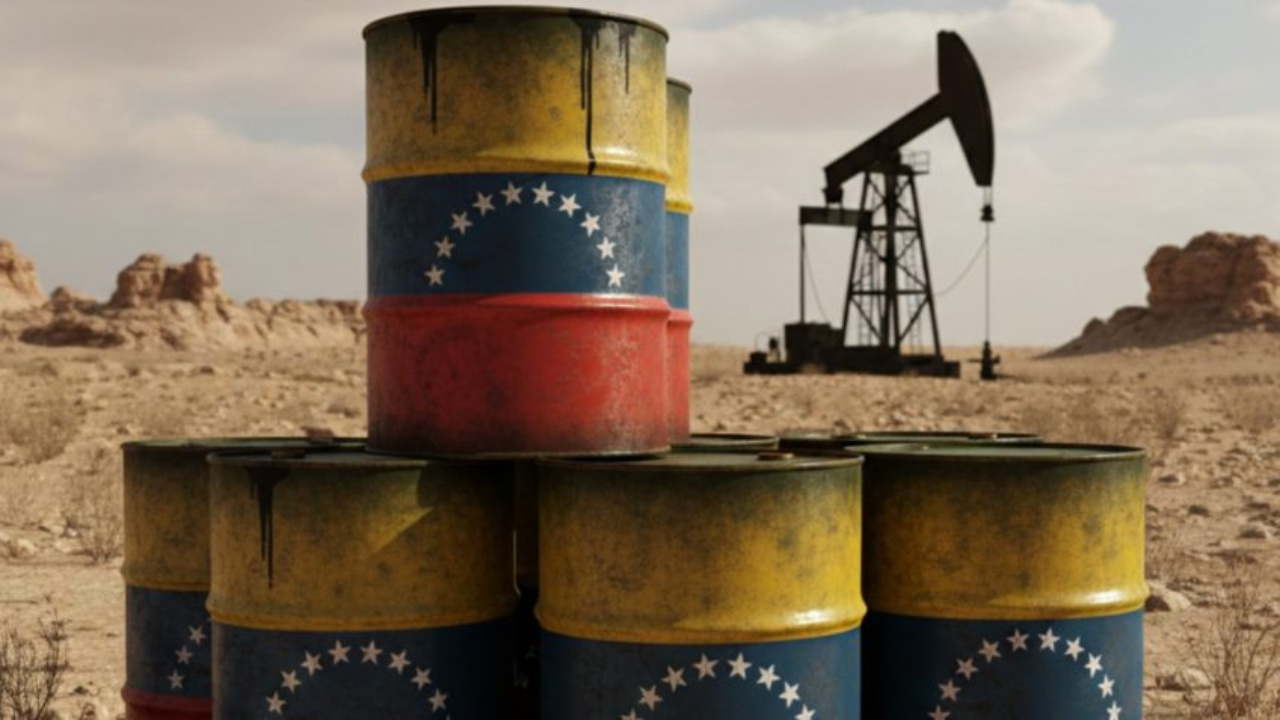


Venezuela Restarts Crude Oil Exports After A Period Of Halt Due To US Sanctions, With Supertankers Leaving The Country And Significant Changes In International Production And Trade.
The Venezuela has begun to resume crude oil exports after a period with virtually no shipments due to an embargo imposed by the United States. The resumption was recorded with the departure of two supertankers on Monday, which left Venezuelan waters loaded with oil.
These shipments are seen as the first of a supply agreement of 50 million barrels between Caracas and Washington, which would release exports that have been suspended in recent months.
Since December, Venezuela’s exports, a member country of OPEC, had been nearly stagnant. Only Chevron, with special authorization from the US, managed to continue some crude oil exports through joint ventures.
-
Lula reveals a masterstroke by Petrobras to undo a deal made by Bolsonaro, which involves the return of an important refinery that currently produces less than half of what was expected and makes Brazil dependent on international diesel.
-
A study confirms that the natural gas sector will reduce greenhouse gas emissions in Brazil by 0.5% and accelerate the energy transition by 2026.

-
Petrobras implements a severe adjustment and confirms a 55% increase in the price of aviation kerosene with a proposal for installment payments for the companies.

-
The rise in oil prices could ensure an extra revenue of R$ 100 billion for the Federal Government, indicates a recent economic study.


Oil Production Was Reduced Before Export Resumption
Before the resumption of shipments, Venezuela’s crude oil production had dropped significantly. Data indicates that the volume fell to about 880,000 barrels per day last week, down from 1.16 million at the end of November of the previous year.
This reduction reflected a particularly sharp decline in the Orinoco Belt — one of the country’s main production regions — where levels plummeted from approximately 675,000 to around 410,000 barrels per day.
This decline was a direct result of the halt in exports. With storage tanks and ships filled with oil that could not be exported, the state-owned Petróleos de Venezuela S.A. (PDVSA) was forced to cut production.
Two Supertankers Mark A New Chapter For Venezuelan Exports
The two supertankers that left Venezuela on Monday were loaded with about 1.8 million barrels each of crude oil. They are heading north towards the Caribbean, where various trading, production, and refining companies lease storage tanks to distribute the oil later.
This movement is seen as an important milestone, as it may indicate a change in Venezuela’s trade flow after months of blockade and strict sanctions. The strategy of exporting stored crude oil — which had been held in tanks and ships — is part of an agreement that could reintroduce approximately 50 million barrels into the international market in the coming months.
Sanctions And Geopolitical Positions Influence Export Resumption
The US embargo on Venezuelan oil exports has intensified in recent months, leaving millions of barrels stranded in the country and forcing the government to seek alternatives. Chevron, with special licenses from the US government, was the only company able to maintain some shipments during this period of restrictions.

With the recent easing of sanctions to allow the export of the retained volumes, Venezuela’s strategy to resume production and shipments abroad needs to balance political, operational, and commercial pressures. Nevertheless, the resumption stems from strategic decisions and negotiations that consider the economic interests of the involved governments.
Global Oil Market Is Watching Venezuela Closely
As Venezuela restarts its crude oil exports, the global market is watching closely. The country’s ability to send large volumes of oil abroad again may alter trade flows and influence prices in an already tight supply environment.
Experts and market operators emphasize that the resumption of exports may bring additional volumes to the international energy system, indirectly impacting the dynamics of global supply and demand. Although production is still well below historical levels, the action represents a significant step towards recovering Venezuela’s participation in the global oil trade.








GRANDE TRUMP O MAIO O MELHOR