





 Portuguese
  English
  Spanish
 4 min of reading
  0 comments


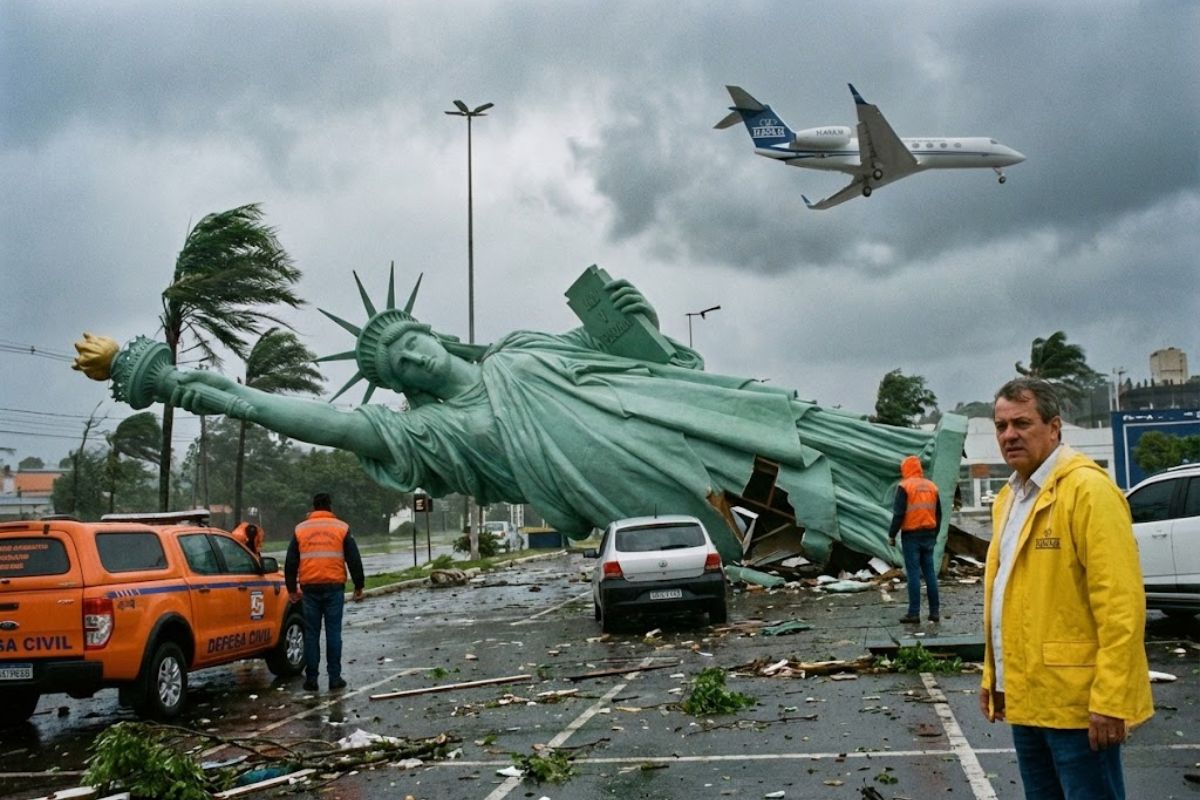
In Guaíba, In Rio Grande do Sul, Strong Winds of 80 km/h Topple the Havan Statue In Front of the Store, Trigger the Civil Defense and Spread Videos of Luciano Hang’s Tense Landing at Santa Catarina Airport Recorded Inside the Plane In the Middle of a Storm on Social Media
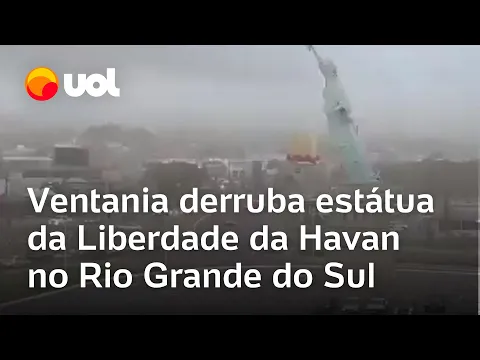
On the afternoon of December 15, 2025, strong winds of up to 80 km/h hit Guaíba, in the Metropolitan Region of Porto Alegre, and toppled the Havan statue installed in front of a unit of the retail chain, in an episode that put the city hall and Civil Defense on alert and became a visual symbol of the storm in the south of the country.
The episode occurred shortly after the owner of the chain, Luciano Hang, released images of a tense landing under winds of 60 km/h in Santa Catarina, when the plane he was in approached the runway “sideways,” a maneuver that the businessman described as landing “crabwise”. The association between the scenes of the statue on the ground and the plane rocking amid the bad weather intensified the discussion about safety in extreme weather events.
Winds Topple the Havan Statue and Expose the Force of the Storm in Guaíba

According to Mayor Marcelo Maranata, the city was hit by gusts of up to 80 km/h, sufficient to knock down the replica of the Statue of Liberty that visually marks the retail chain’s unit.
-
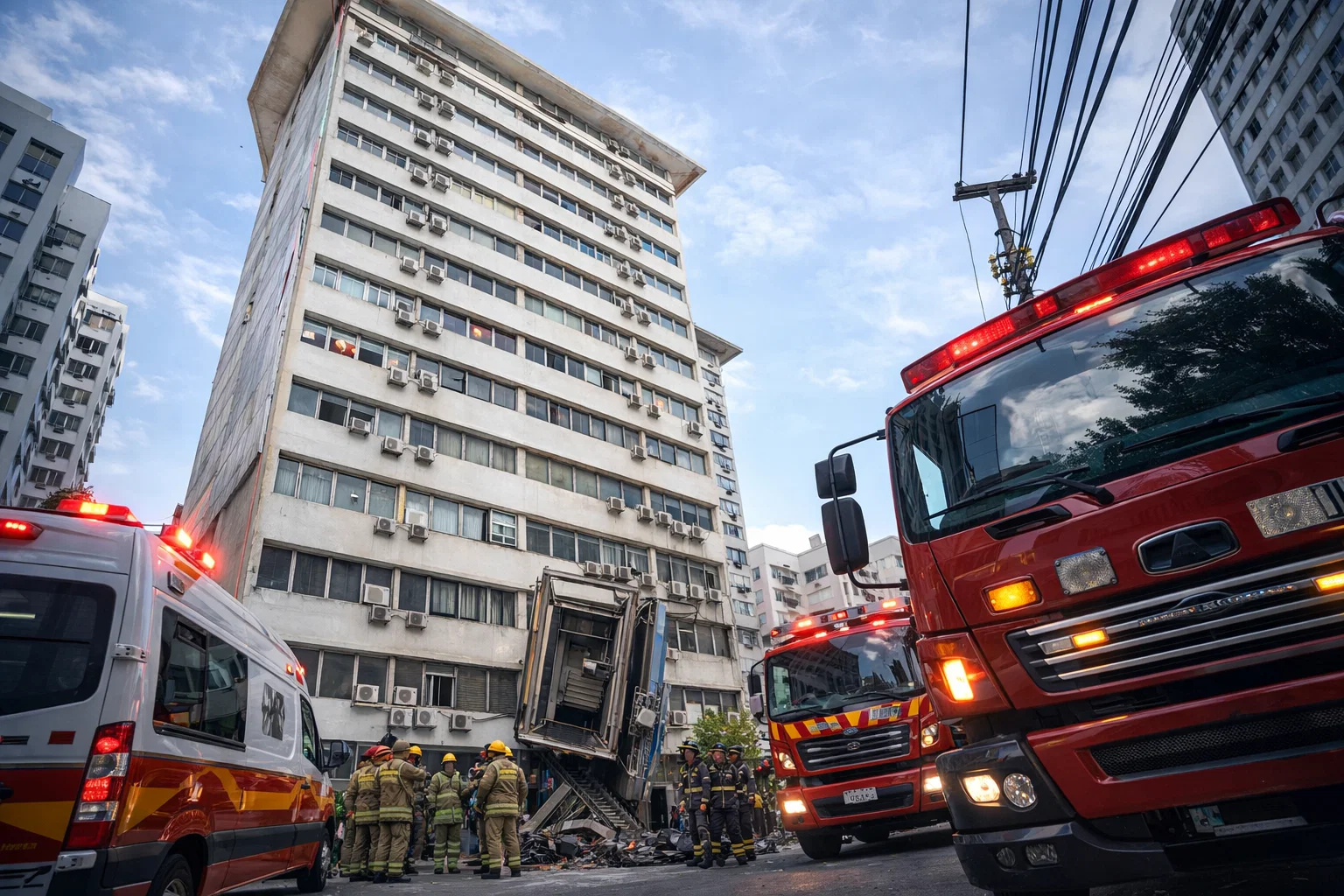
Elevator Plummets From Tenth Floor in Commercial Building in Recife, Raising Concerns About Safety and Engineering of Vertical Transport Systems Used Daily in Urban Buildings
-
Cyclist Hit by Car in Sobradinho, DF Is Rescued After Traffic Accident This Sunday

-
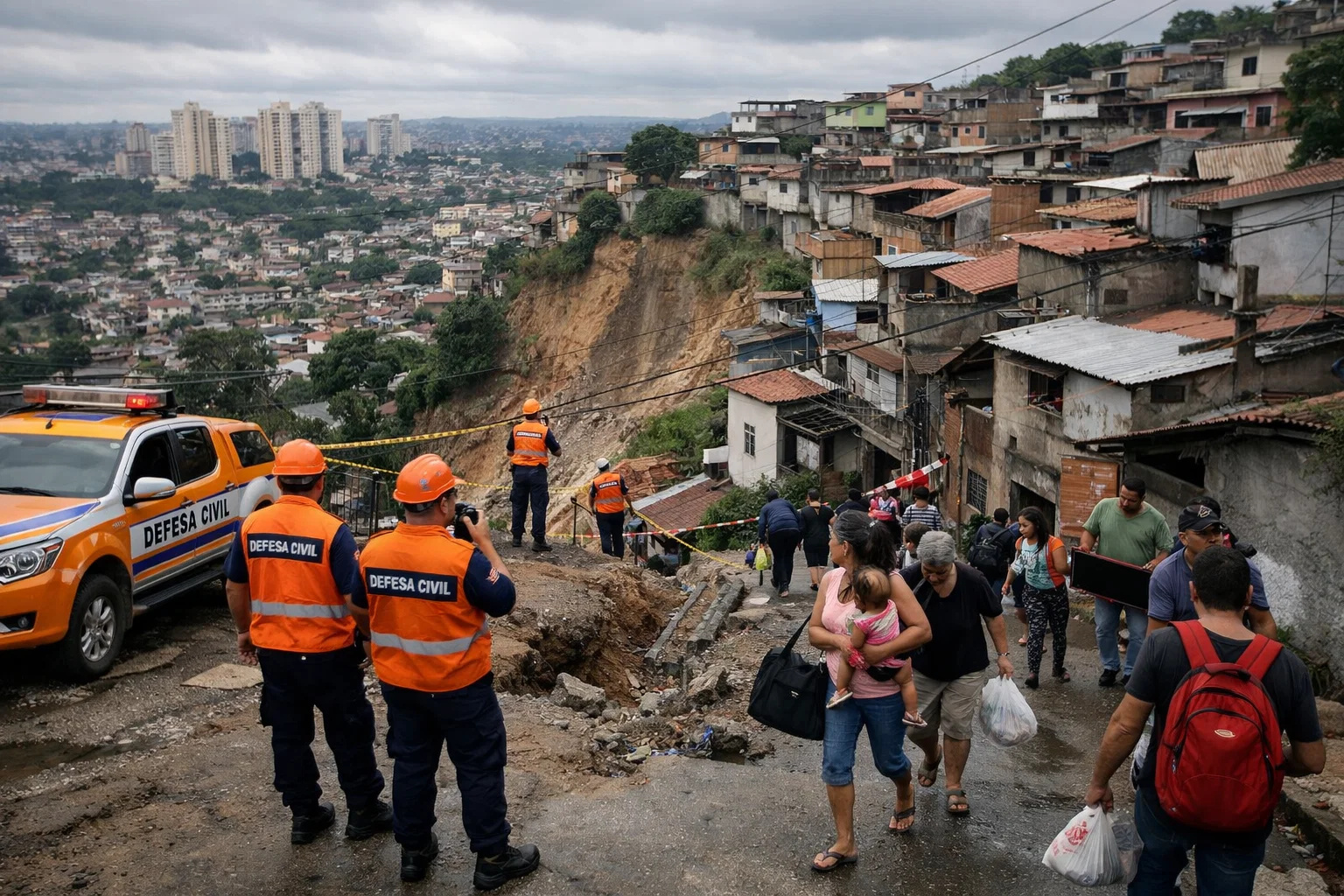
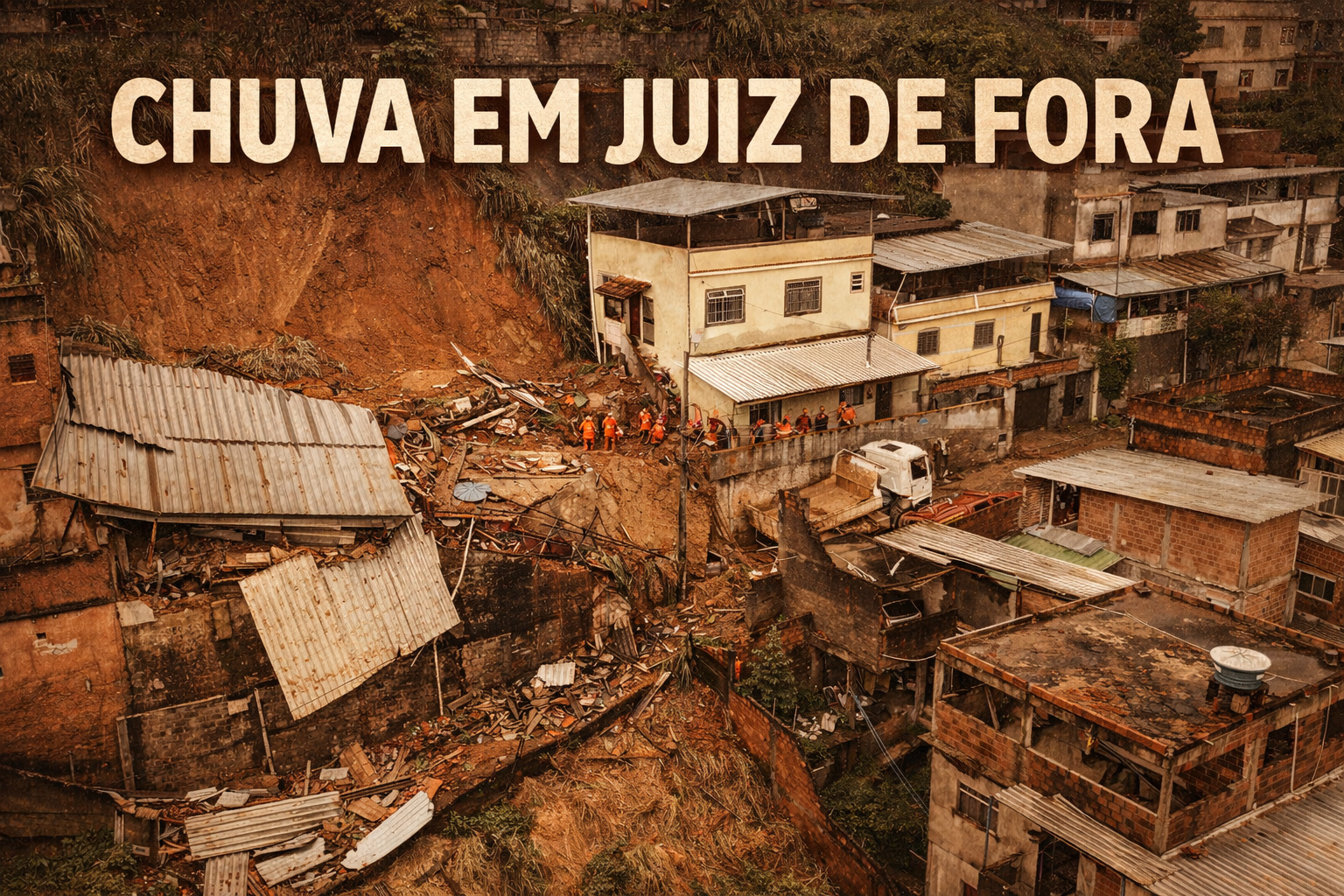
Civil Defense Issues Alert and Advises Evacuation in 51 Streets of Juiz de Fora After Risk of Instability; See the Complete List of Affected Neighborhoods
-
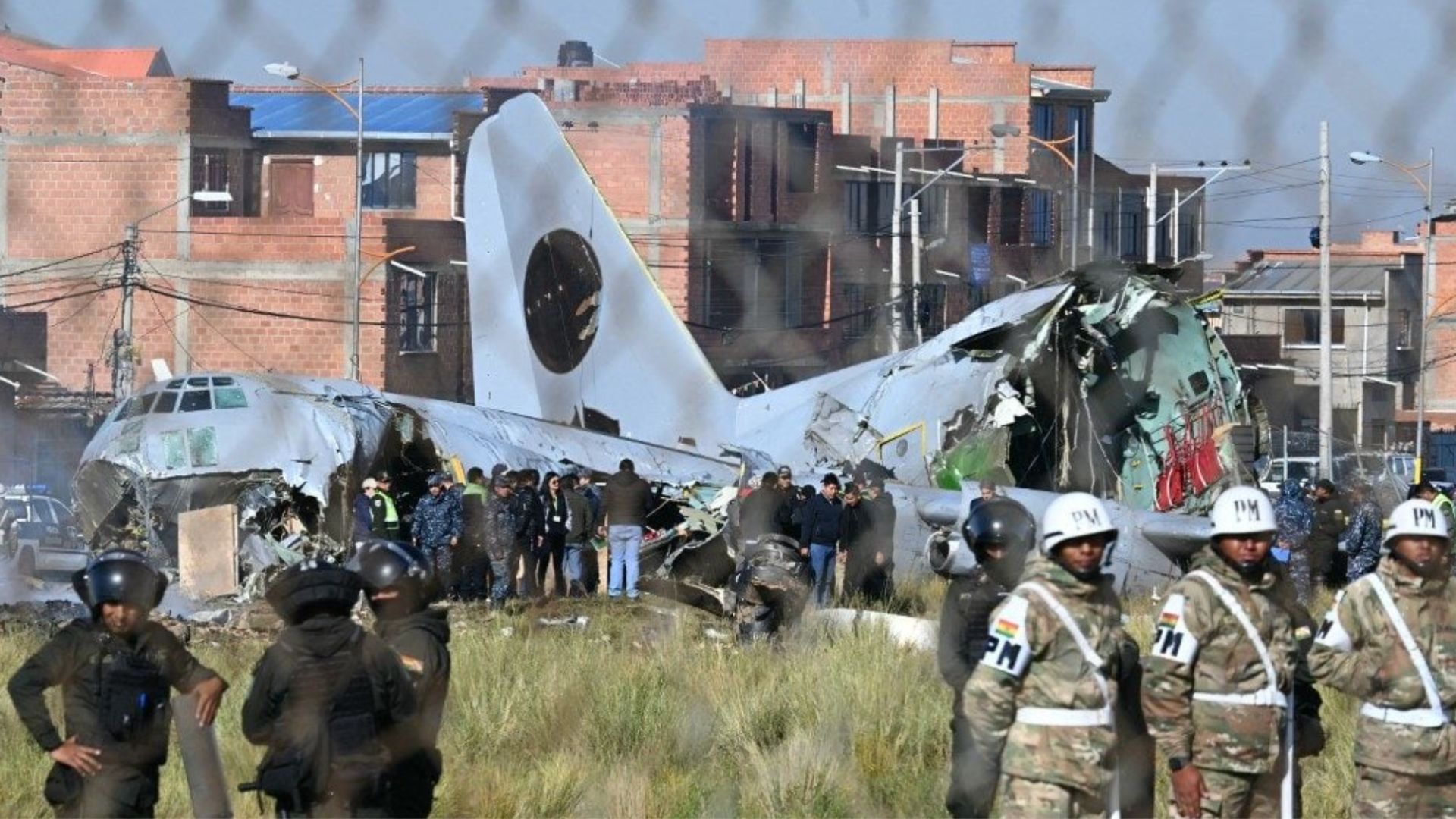
Military Plane With Money Crashes In Bolivia, Leaves 20 Dead And Leads Central Bank To Annul 10, 20, And 50 Bolivianos Notes After Chaos At Airport

The images show the Havan statue toppled in the store’s outdoor area, reinforcing the impact of the weather event on the urban landscape and the immediate surroundings of the establishment.
The replica, which normally serves as the business’s calling card and a distant reference point, became a symbol of the storm’s strength.
The fall of the Havan statue has been used by the city hall itself as an example of the phenomenon’s severity, amid other reports of damage and emergency calls circulated by the municipality.
Mayor and Civil Defense Go to the Streets After Gusts of 80 km/h

After the wind storm, the mayor stated in a social media post that “from the very first moment” municipal teams were out in the streets monitoring the situation, with Civil Defense and the Infrastructure Secretariat fully mobilized.
The objective is to map damages, remove immediate risks, and restore minimum safety conditions in more exposed areas.
In practice, this means inspecting metal structures, poles, trees, and roofs that may have been compromised.
The fall of the Havan statue now integrates this list of emblematic incidents, adding to other reports of roof damage and localized interruptions.
The official discourse is one of constant presence in the streets, in line with the increasing frequency of intense storms throughout 2025 in the southern region.
Video of Luciano Hang’s Plane Circulates Again on Social Media
Last month, businessman Luciano Hang faced a similar situation in the air.
The flight he was on departed from Novo Hamburgo, in Rio Grande do Sul, headed for an airport in Santa Catarina, after an agenda at the inauguration of a unit of the chain in the gaucho city.
During the landing, according to the businessman himself, gusts of 60 km/h hit the aircraft.
In the images shared by the retailer’s owner, the plane appears “sideways” in relation to the runway due to the crosswind, before aligning and touching down. Hang attributed the success of the landing to pilots Jean and Balke, who, according to him, “arrived on the runway crabwise.”
With the fall of the Havan statue in Guaíba, the video began circulating again in parallel, increasing the perception that the bad weather is testing both ground infrastructure and air operations in the region.
Year of Intense Storms Increases Pressure on Local Response
The case of Guaíba adds to a sequence of extreme weather episodes recorded throughout 2025, which included blackouts, localized tornadoes, and severe storms in different states of the South and Southeast.
The toppling of the Havan statue enters this context as a visual indicator of vulnerability, reinforcing the need to revise construction standards and safety protocols in structures exposed to strong winds.
For municipalities, episodes like this increase the pressure for more detailed contingency plans, rapid communication with the population, and integration between Civil Defense, infrastructure, and public services companies.
Although public attention focuses on images of the statue on the ground and the rocking plane, the technical debate tends to advance on prevention, maintenance, and adaptation to more frequent extreme events.
In light of the fall of the Havan statue in Guaíba and the tense landing of Luciano Hang’s plane amid strong winds, do you think cities and companies are truly preparing for increasingly intense storms, or does Brazil still treat these episodes as isolated exceptions?






Seja o primeiro a reagir!