





 Portuguese
  English
  Spanish
  3 min of reading


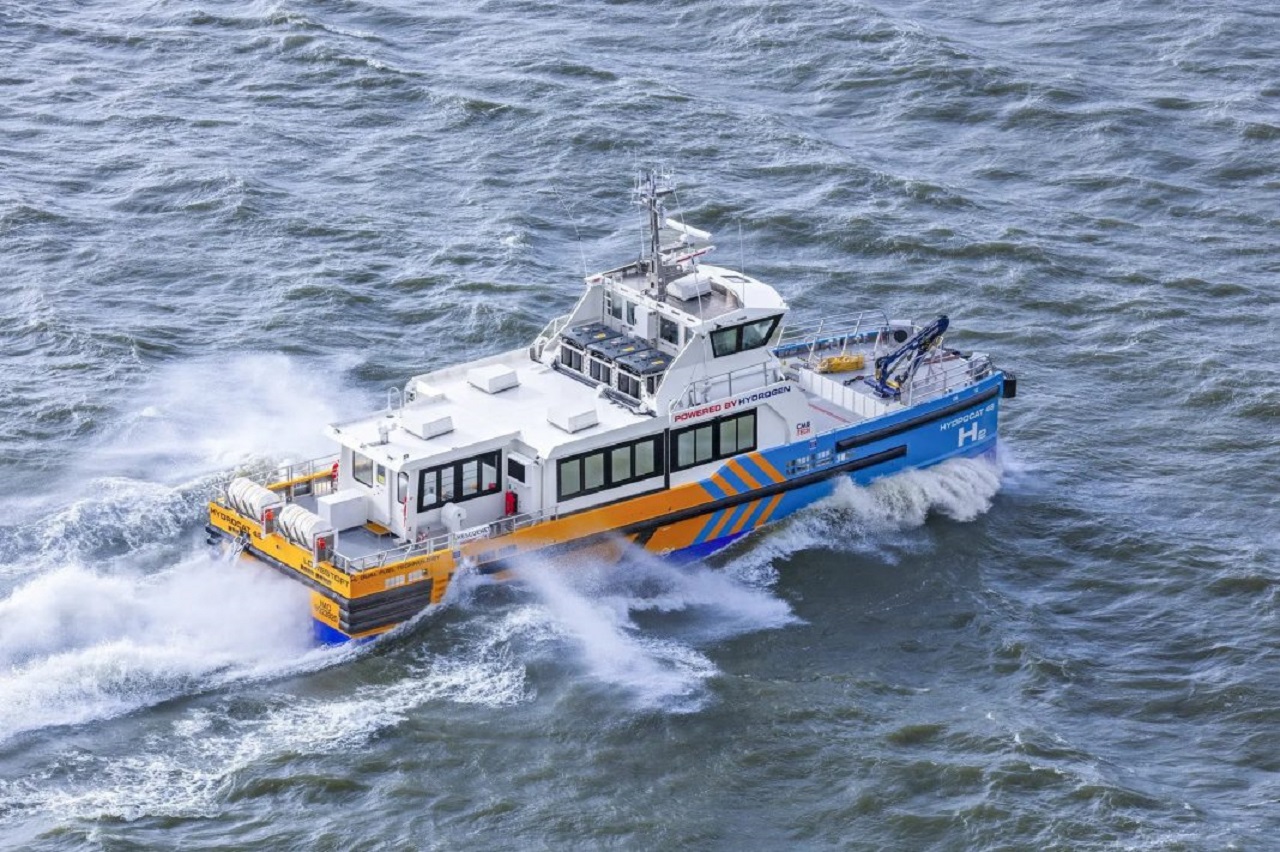
The Green Hydrogen Ship From Vestas Aims to Reduce a High Amount of CO₂ Released Into the Atmosphere During Its Offshore Operations Capable of Changing the Shipping Industry.
Vestas launched a project to verify how the world’s first crew transfer vessel (CTV) powered by green hydrogen could contribute to reducing carbon emissions during its offshore operations. This project was developed in partnership with Windcat Workboats, owner of the largest fleet globally of ships and vessels conducting offshore operations.
Learn More About the First Crew Transfer Vessel
The CTV is powered by a bi-fuel solution (in English: bi-fuel vehicle refers to one that can run on two fuels) powered by hydrogen alongside marine diesel. The fuel hydrogen contains no carbon, showing potential to significantly reduce carbon dioxide (CO₂) emissions effectively.
This solution will be launched on July 15 of this year and is part of a pilot program at the Norther wind farm in the Belgian North Sea. Running until the end of this year, the program aims to provide Vestas with the opportunity to explore the most scalable approaches to incorporating this hydrocarbon within its offshore operational configurations.
-
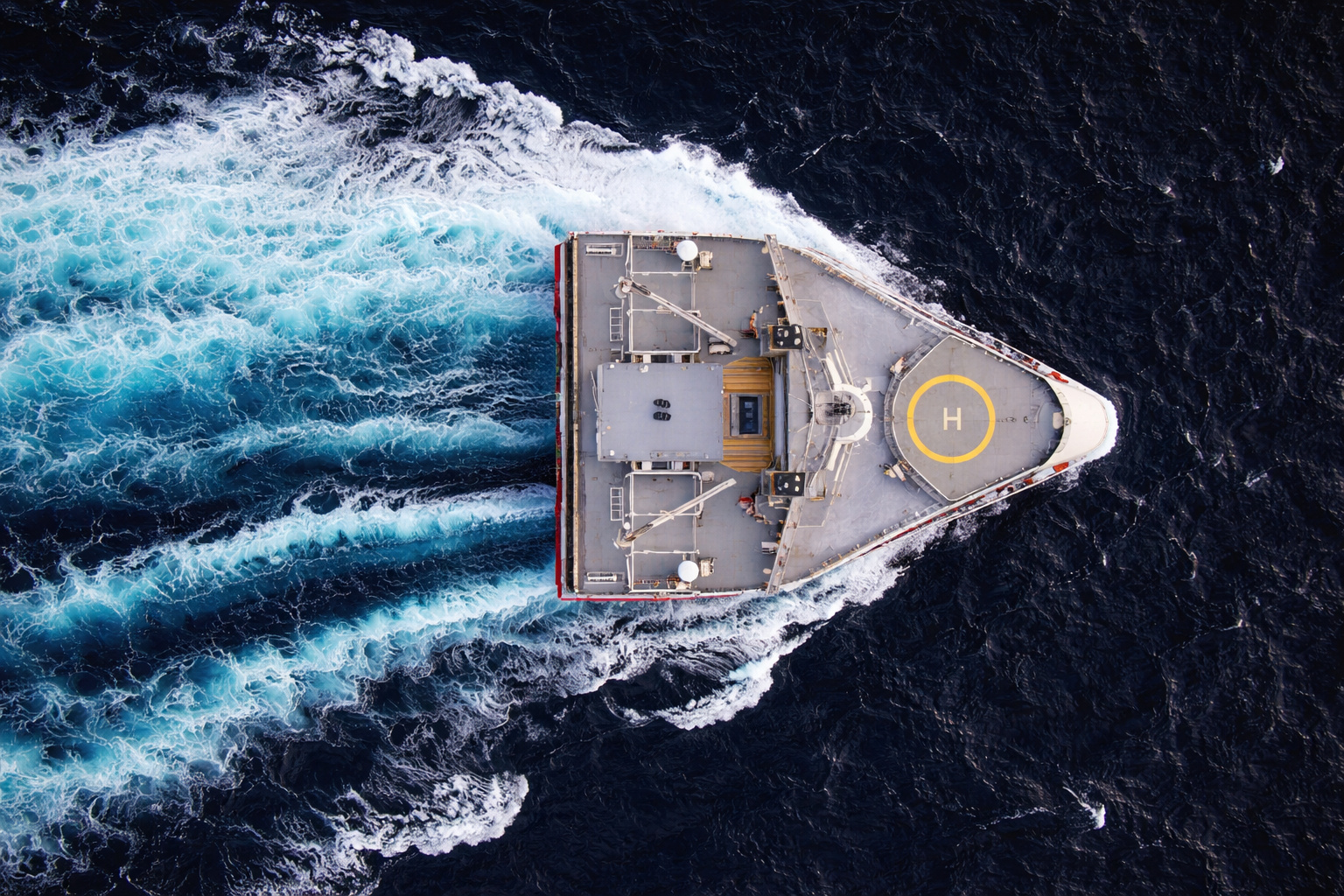
With almost 70 meters in width at the stern and a shape resembling a “giant slice of cheese,” the Ramform Titan tows up to 24 seismic cables to sweep the ocean floor in 3D and reveal oil reserves hidden beneath kilometers of sediment.
-
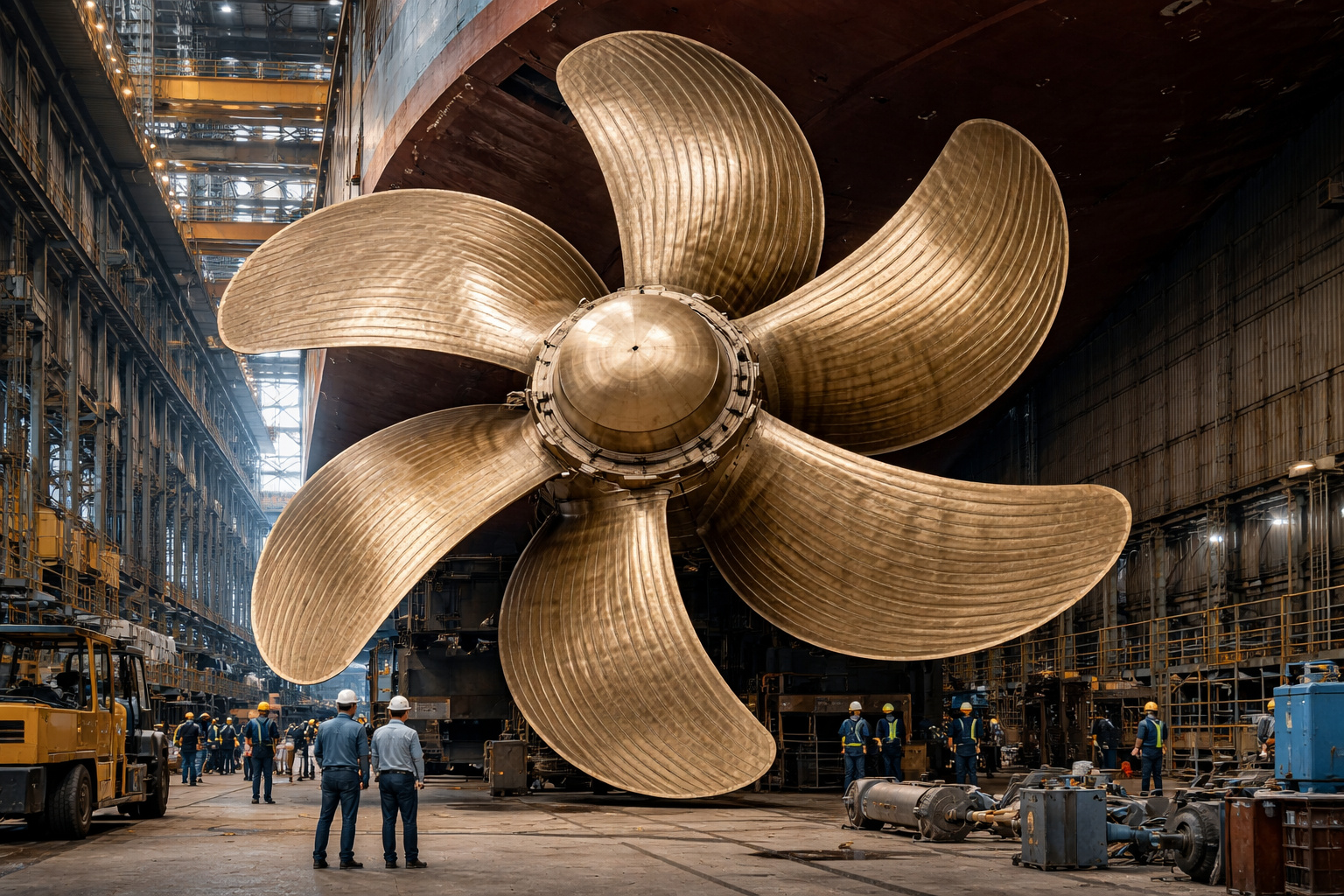
How a 131-ton, 11-meter propeller supports 90% of global trade and transforms the largest container ships on the planet.
-
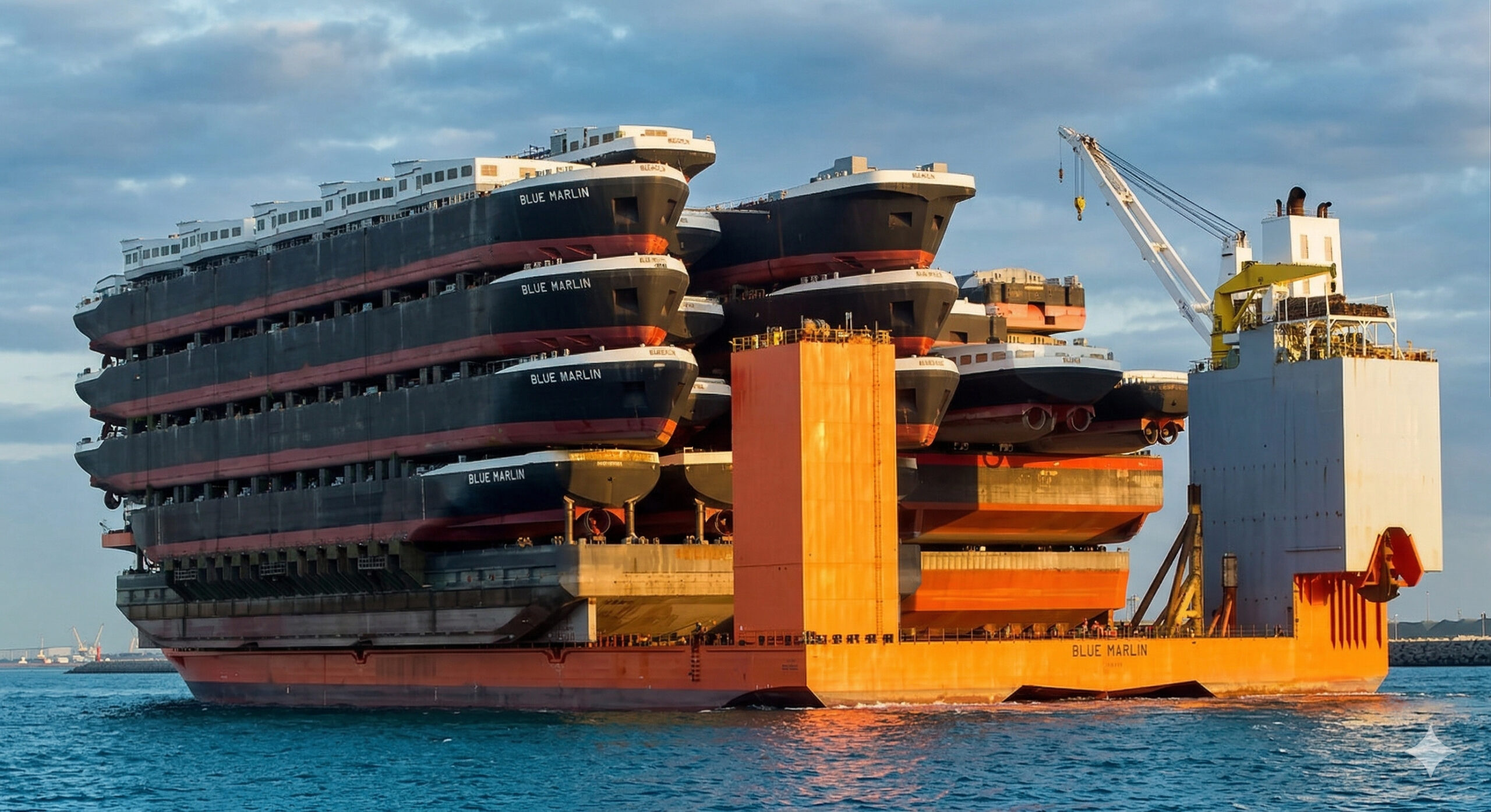
With a length of 225 meters and a capacity of 76 thousand tons, this ship “sinks” its own deck down to 28 meters deep to accommodate war destroyers, oil platforms, and giant radars floating above, and then emerges with everything intact on top like a colossal tray crossing oceans.
-
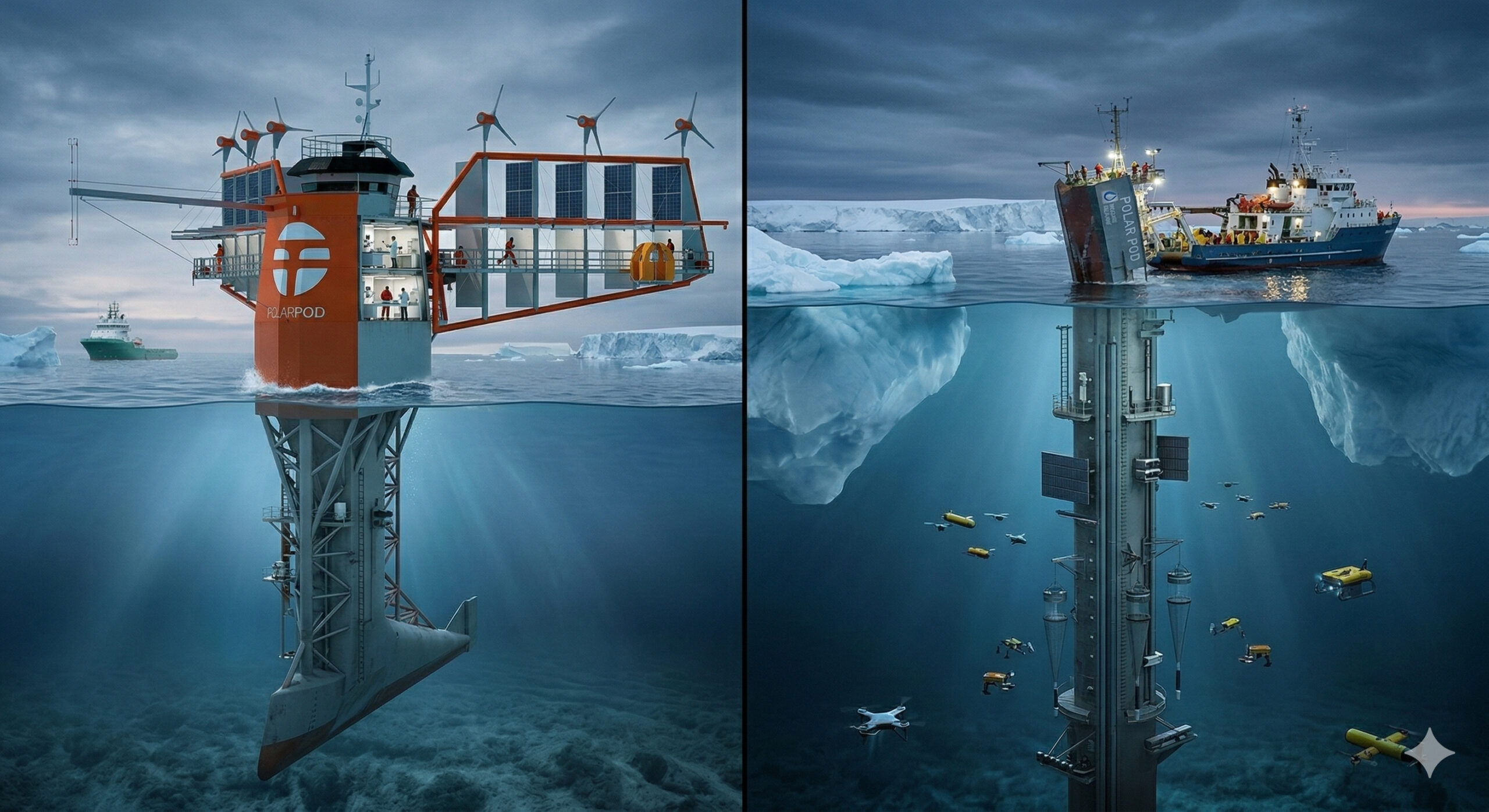
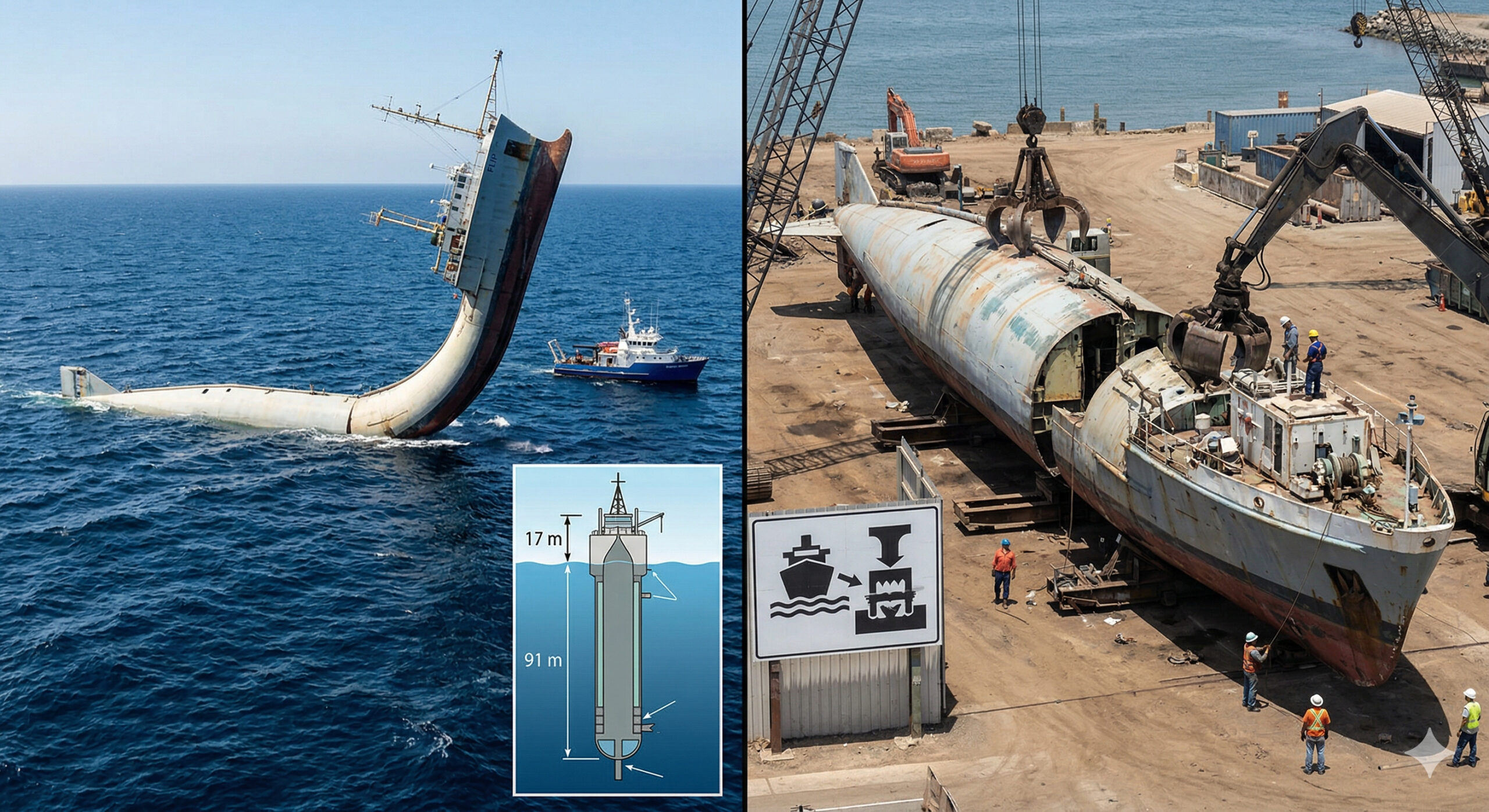
A 100-meter platform without a motor, without a keel, and operating upside down rotates 90 degrees in the ocean, sinks 75 meters, and drifts around Antarctica for two years driven by the planet’s most powerful current to study the largest carbon sink on Earth, still poorly understood by science for accurate climate modeling.

The main goal of the test will be to gather sufficient information on the opportunities and limitations of hydrogen-powered vessels in daily operations.
Hydrogen-Powered Vessel Developed by Vestas Could Be the Solution for Reducing Carbon Dioxide (CO₂) Emissions in Offshore Operations
According to Christian Venderby, Executive Vice President of Services at Vestas, areas of difficult decarbonization, such as maritime transport, will be what he calls the “final frontier” in the global journey towards decarbonization.
Venderby also emphasizes that green hydrogen is an essential technology Vestas can advance along this path, and that is why Vestas is eager to start testing its own potential to reduce emissions from its offshore operations, that is, testing its new hydrogen-powered vessel.
The Vice President of Vestas also discussed the broader application of decarbonization technologies, so that it is indeed possible to make progress with the support of maritime industry leaders, concluding his remarks by emphasizing that this is why Vestas is so proud to lead this project.
Potential of the Hydrogen-Powered Vessel
CO₂ emissions, commonly associated with offshore operations, currently represent about 1/3 of Vestas’s scope 1 and 2 emissions. Due to this fact, the deployment of hydrogen-powered vessels is necessary to continue Vestas’s sustainability journey.
The new CTV model has the potential to avoid releasing about 158 tons of CO₂ into the atmosphere, representing an estimated 37% reduction compared to a conventional vessel. This savings will be validated throughout the pilot project, exploring how the solution can be scaled if the impact on Vestas’s scope 1 and 2 emissions is proven.
Currently, Vestas’s ship is being reconfigured to be primarily fueled by gray hydrogen, due to the lack of its green variant available in the necessary quantities for production.
Through testing, Vestas hopes to mature a fixed pathway for green hydrogen in its offshore operations, which can be utilized once it reaches the necessary maturity level.






Seja o primeiro a reagir!