





 Portuguese
  English
  Spanish
 7 min of reading
  1 comment


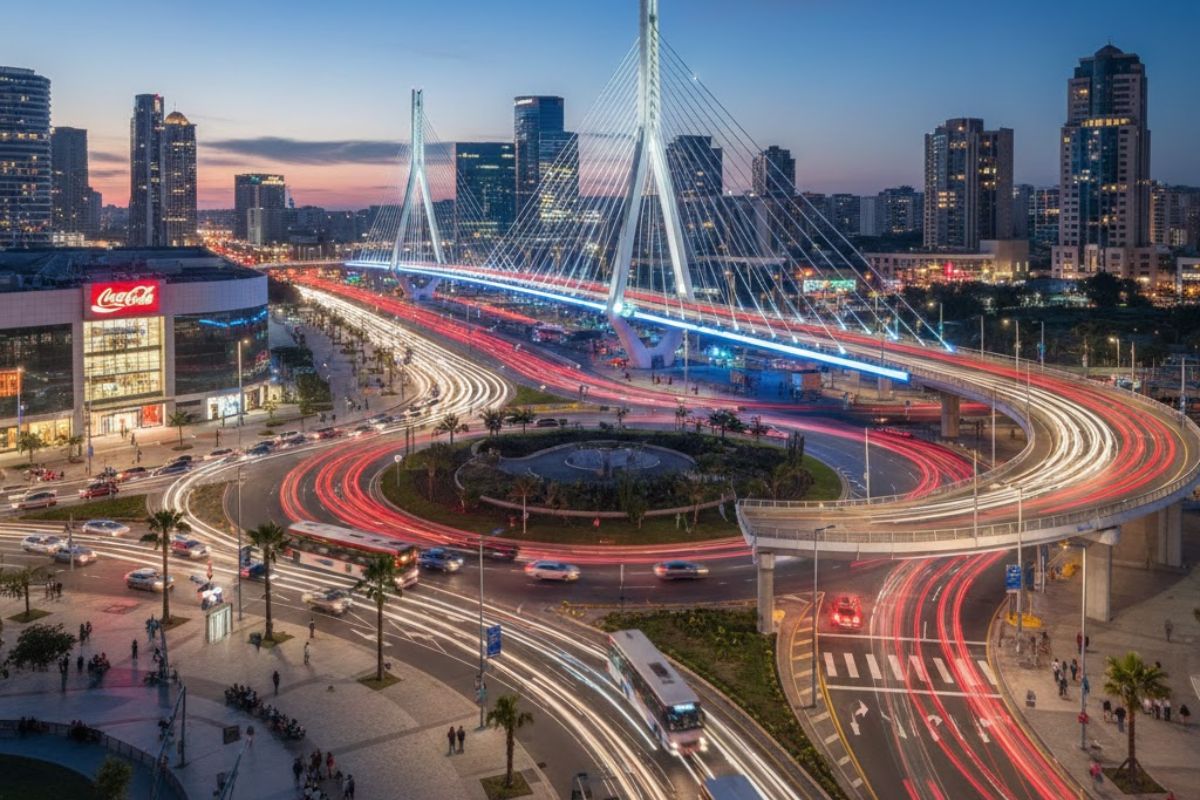


With an Investment of R$ 90 Million Funded by Federal Amendment, the Cable-Stayed Bridge at the Coca Cola Roundabout Aims to Eliminate Historical Bottlenecks, Reorganize the Meeting of Four Strategic Avenues, Reduce Daily Delays for Cars, Buses, and Trucks, and Create a New Visual Landmark for Campo Grande on the Main Urban Axis
On December 9, 2025, the announcement of the construction of a cable-stayed bridge at the Coca Cola roundabout put urban mobility in Campo Grande back at the center of the debate. The project, budgeted at R$ 90 million, was presented as a direct response to years of congestion at one of the capital’s most critical intersections, where Gury Marques, Costa e Silva, Senator Antônio Mendes Canale, and Doctor Olavo Vilella de Andrade avenues intersect.
The proposal is to use the cable-stayed bridge to separate flows at different levels, reduce the number of conflicts between vehicles, decrease waiting times, and provide more predictability for daily commutes. At the same time, the structure of cables and masts is expected to function as a new urban postcard, integrating mobility, landscape, and real estate appreciation in an area currently known mainly for its recurring traffic jams.
Where the Cable-Stayed Bridge Will Be Built and What Changes at the Coca Cola Roundabout
The chosen point for the cable-stayed bridge is the Coca Cola roundabout, a traffic node that concentrates intense traffic from cars, buses, and trucks.
-
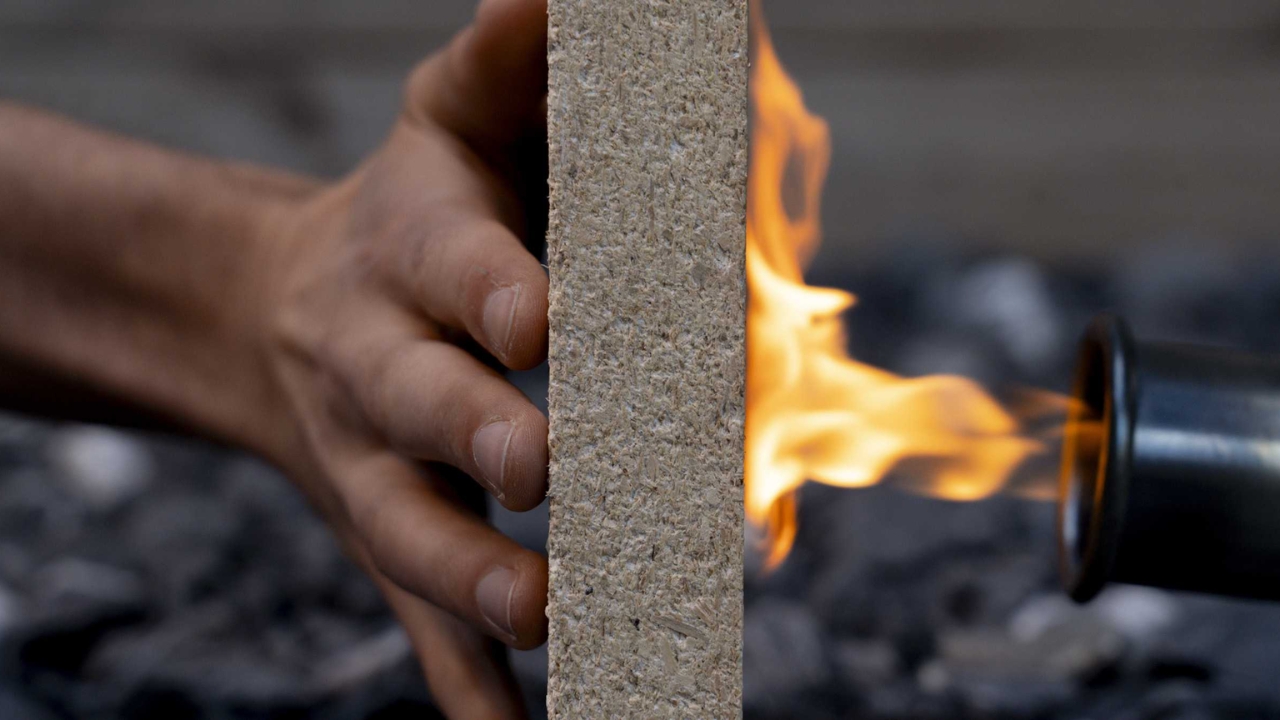
Scientists transform sawdust into fire-resistant panels, stabilize the compound with an enzyme extracted from watermelon seeds, and turn waste into promising material for construction.
-
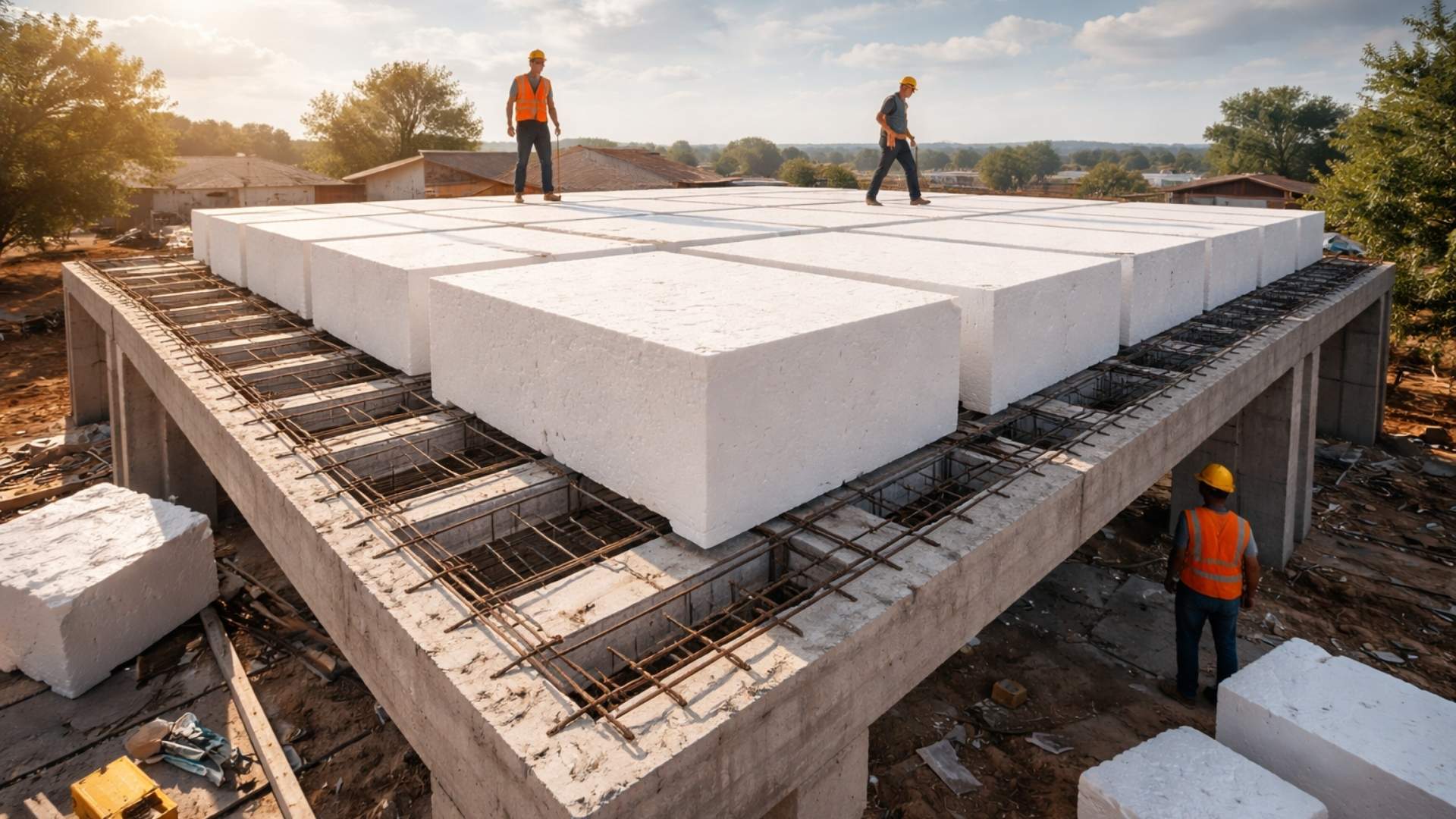
Forget concrete: architects are replacing tons of concrete with giant blocks of expanded polystyrene to build the roofs of houses and reduce structural weight by up to 50%, cut costs, improve thermal insulation, and speed up construction.
-
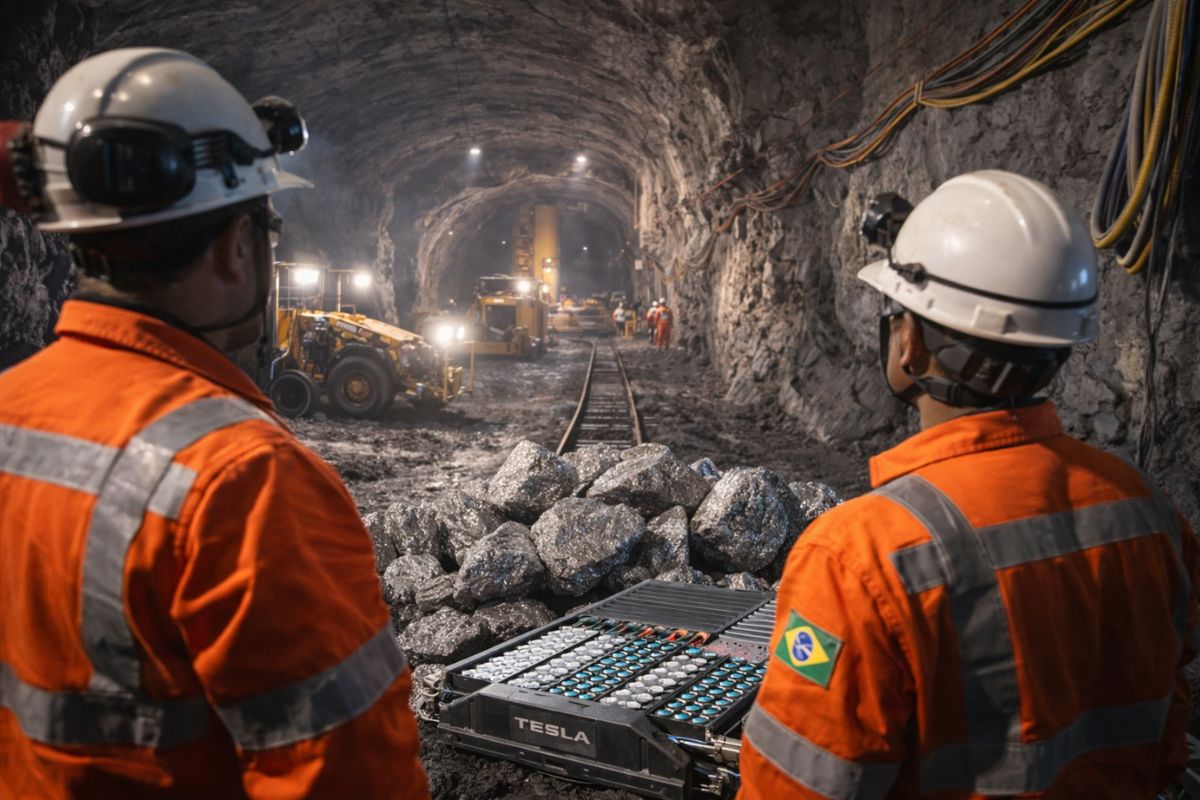
The Brazilian state enters the center of the global race for critical minerals by starting the construction of the largest underground nickel mine in Latin America, a mineral essential for electric car batteries that the entire world is competing for at this moment.
-
New CCR concrete paving technology promises roads up to 3x more durable, less maintenance, and cost reduction in Brazil.

There are routes connecting populous neighborhoods, high-traffic commercial areas, and strategic exits from Campo Grande.
In practice, the intersection serves as an entry and exit point for different zones of the city.
Currently, the flow control depends on a combination of the roundabout and traffic signals, with frequent stops, long queues at peak hours, and a sense of unpredictability for those passing through the area.
The construction of the cable-stayed bridge aims to reorganize this logic by offering elevated passage for part of the traffic and leaving the ground level with a more localized function, reducing the number of direct crossings between major avenues.
With the new road geometry, the trend is that the traditional roundabout will be redesigned or partially replaced by intersections at different levels.
The area will cease to be merely a point of flow retention and will operate as a structured corridor, with the cable-stayed bridge assuming the primary role in the distribution of vehicles along the southern axis of the city.
How the Cable-Stayed Bridge Aims to Alleviate Historical Congestion in Campo Grande
The design of the cable-stayed bridge was planned to directly tackle the bottlenecks that currently hinder the roundabout.
By removing part of the longer movements from the same plane of the roundabout and placing them on an elevated road, the project reduces the number of critical crossings between traffic flows intersecting at different angles.
In the before-and-after table of the project itself, the main expected gains include:
traffic less subject to prolonged queues when approaching the roundabout
less dependency on traffic lights and sudden speed reductions for those using the main axes
reduction in average commuting time and greater predictability for frequent drivers
decrease in the status of a critical point of local traffic, currently a constant source of complaints
From a safety perspective, a well-designed cable-stayed bridge tends to reduce conflict points between vehicles and pedestrians, concentrating crossings in more organized locations.
The elimination of complex maneuvers within the roundabout and the redesign of approaches may decrease side collisions and pile-ups associated with current traffic jams.
Where the Money Comes From and Why the Project Cost R$ 90 Million
The budget of R$ 90 million for the cable-stayed bridge at the Coca Cola roundabout comes from a collective amendment by the federal delegation of Mato Grosso do Sul.
The original intention was to divide a total of R$ 110 million between two large-scale projects, including another bridge at the intersection of Avenida Mato Grosso and Avenida Nelly Martins, the Via Park.
With changes in legislation, it became mandatory to have 100 percent of the funds guaranteed before the bidding of projects of this scale.
Given this rule, the alternative was to concentrate the R$ 90 million on just one cable-stayed bridge, prioritizing the Coca Cola roundabout and putting the Via Park project on hold, conditioned to obtaining new resources at another time.
In practice, this means that Campo Grande will have a single large investment guaranteed in this cycle, betting that the impact of the cable-stayed bridge at the roundabout will be sufficient to justify the full use of federal funds.
At the same time, the postponement of the second bridge indicates that other desired interventions will have to wait for a new round of political and financial negotiation.
What Is a Cable-Stayed Bridge and Why It Can Become an Urban Postcard
The cable-stayed bridge is a type of structure where the deck that supports vehicles is supported by inclined steel cables, anchored to one or more central masts.
These cables create visible designs in the landscape, forming a visual signature that distinguishes the structure from regular bridges or viaducts supported solely by vertical pillars.
By combining structural efficiency with aesthetic impact, the cable-stayed bridge is often used as an element of urban identity, featuring scenic lighting and integration with living spaces, bike lanes, and green areas.
In the case of the Coca Cola roundabout, the expectation is that the set will become a landmark, helping to build a new postcard for Campo Grande and enhancing the surroundings.
This symbolic function, however, does not eliminate the need for technical performance.
The challenge is to reconcile the role of a work of urban art with the commitment to deliver fluidity and safety in traffic, ensuring that the investment of R$ 90 million does not become merely a visually impactful intervention.
Impacts of the Cable-Stayed Bridge on the Daily Routine of Drivers, Buses, and Trucks
The construction of the cable-stayed bridge does not simply change the map’s design, but also the daily routine of those who rely on that area to work, study, or transport goods.
In the first phase, during construction, the trend is for a temporary increase in complexity: route detours, changes in bus lines, changes in direction on auxiliary streets, and the need for heightened attention to temporary signage.
After completion, the expectation is for time savings for those crossing the Coca Cola roundabout every day, both in light vehicles and in buses and trucks.
The central goal is to transform a point currently associated with delays and frustration into a segment of faster and more predictable passage, reducing the effects of chain congestion that spread to neighboring neighborhoods.
The new road arrangement is also expected to affect the distribution of public transport lines and truck routes, as the cable-stayed bridge should provide more fluid access to neighborhoods, commercial areas, and city exit corridors.
In the medium term, this could reorient cargo and passenger flows, adjusting the informal map that drivers use to evade current traffic jams.
About the Cable-Stayed Bridge at the Roundabout
The initial information raised a series of questions among residents and frequent users of the roundabout.
Some answers help clarify what is already clear in the design of the cable-stayed bridge and what still depends on the executive project:
The bridge will be exclusive for vehicles
The main structure of the cable-stayed bridge is designed for motor traffic, but the project may incorporate sidewalks and bike lanes as the technical details are defined by the responsible authorities. The final decision about space for pedestrians and cyclists will be in the executive project.
Execution time for a cable-stayed project
Cable-stayed bridges require months or even years of execution, depending on factors such as the complexity of the foundations, environmental conditions, land acquisitions, and the pace of bidding. The population should prepare to coexist with construction sites and detours for an extended period.
Special lighting and night visual effect
Projects for cable-stayed bridges often foresee scenic lighting on masts and cables, reinforcing their role as urban landmarks. In the case of the Coca Cola roundabout, the type of lighting and system details will be defined in the final project, along with other landscaping and safety solutions.
Fate of the current roundabout
The geometry of the Coca Cola roundabout will need to be modified to accommodate the new cable-stayed bridge. Part of the existing structure may be redesigned or replaced by intersections at different levels, depending on the solution chosen by the engineering team in the complete project.
Given such a significant investment and the promise to transform one of the city’s most problematic intersections, do you believe that the cable-stayed bridge at the Coca Cola roundabout will truly resolve the historical congestion in Campo Grande or will traffic only improve if accompanied by changes in public transport and road monitoring?







Eu acho isso ou aquilo, sei e ou não. Mas se cartão postal ou não creio que é detalhe, que prioridade é se ter mais obras de bom custo benefício, facilitar o uso da via, preservar vidas e segurança,… Qual seja a cidade, é atender as necessidades, e mesmo interesses tal como o proposto cartão postal e até mesmo o uso em exploração comercial e turismo… Faz parte, aí custo benefício, retornos