





 Portuguese
  English
  Spanish
  6 min of reading
  0 comments


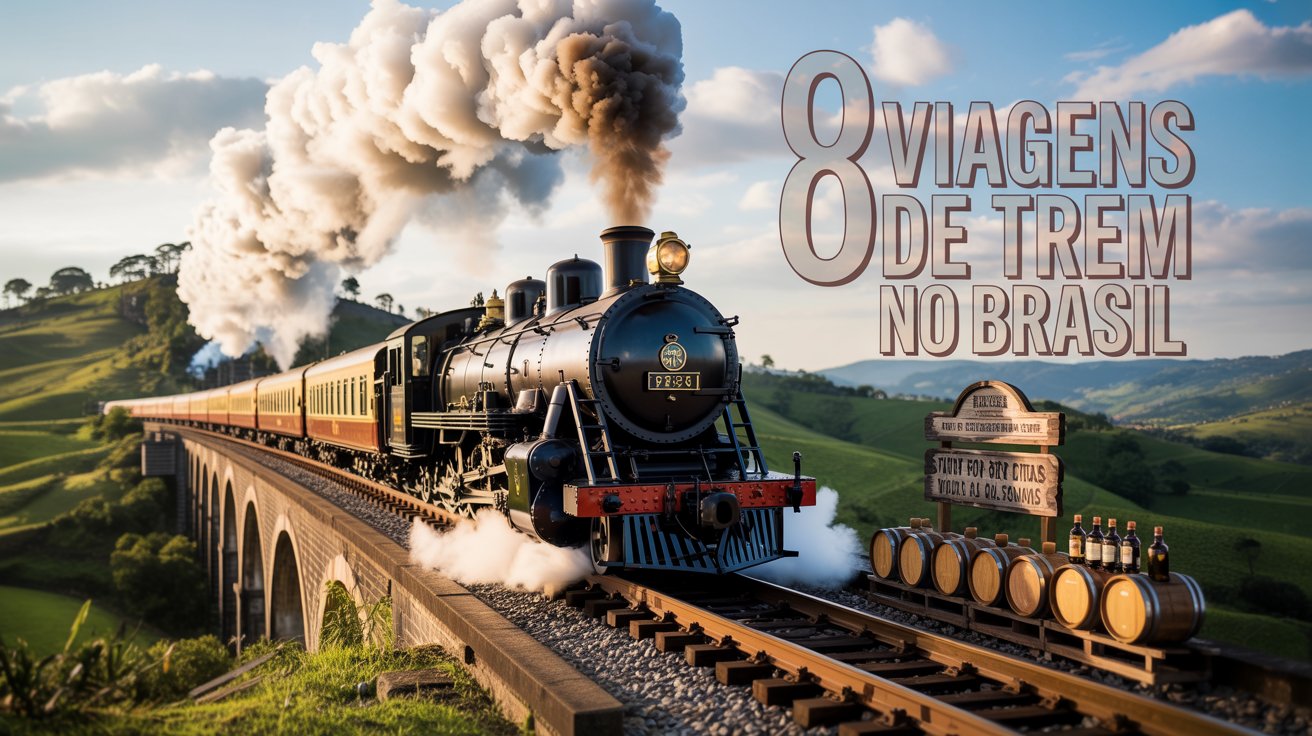
Discover Brazilian Railway Routes That Cross Historic Tunnels, Exuberant Natural Landscapes, and Wine Regions, Providing Unique Journeys with Cultural Activities, Tastings, and Direct Contact with Local Traditions.
In Brazil, train travel is becoming established as a tourist alternative that combines leisure, history, and contemplation of diverse landscapes, from Atlantic Forest areas to wine regions and open fields.
Throughout the national territory, railway routes attract travelers in search of unique experiences, providing crossings through century-old tunnels to tastings of locally produced wines.
The tours offer strategic stops, themed itineraries, and easy access for different public profiles.
-
These living root bridges and ladders are over 700 years old and help indigenous people survive in one of the rainiest regions in the world.

-
From sertanejo star to international investor: Ana Castela invests millions in a mansion in the USA, creates a themed accommodation in Orlando, and shows that the “boiadeira” also wants to grow away from the stage.

-
The 10 most stunning motorhomes in the world: a $3 million trailer with a rooftop nightclub and garage for a Ferrari, “palaces on wheels” with Italian marble, private cinema, and five-star hotel luxury for billionaires.

-
Trump wanted to spend $400 million on the White House, but the courts prohibited the million-dollar construction.


Tourist Trains in Brazil: Diversity of Routes and Attractions
Currently, several Brazilian states have railway routes adapted for tourism.
São Paulo, Paraná, Rio Grande do Sul, Minas Gerais, and Espírito Santo offer options ranging from historic locomotives to modern carriages, always focusing on experiences that value cultural and natural heritage.
Many of these routes include visits to wineries, guided tours, culinary outings, and opportunities to learn about local history.
Republic Train: Connection Between Itu and Salto in São Paulo
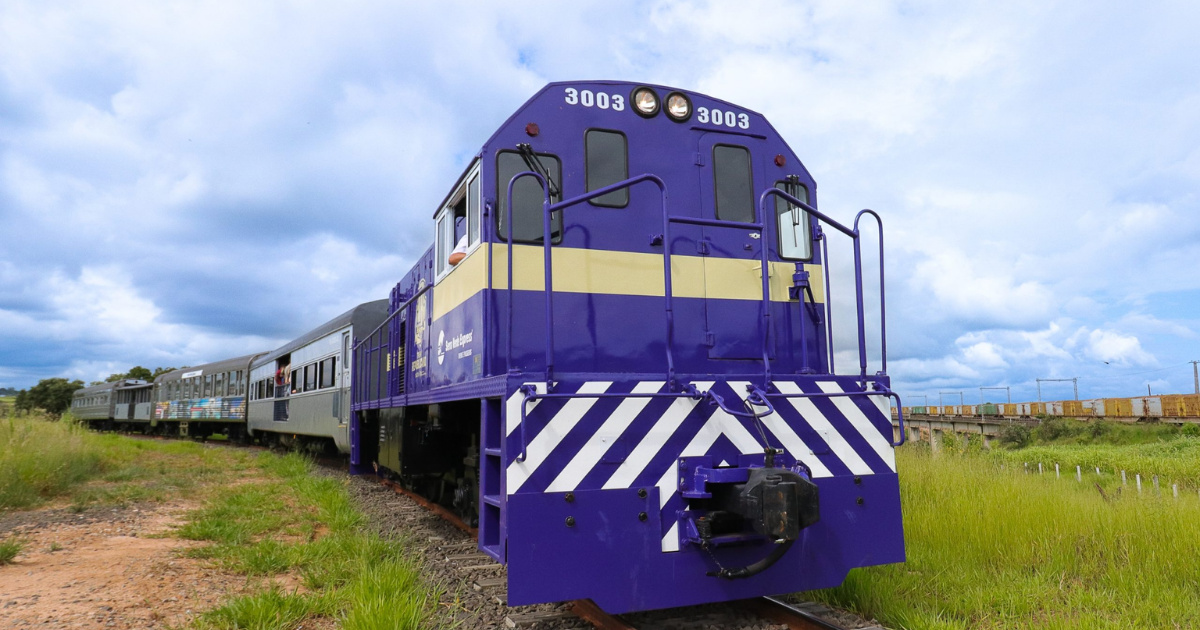
In the interior of São Paulo, the Republic Train connects the cities of Itu and Salto on a journey of approximately one hour.
The route is especially sought after by those wanting a unique trip from the capital, as there is integration with buses departing from the Terminal Barra Funda in São Paulo, as well as boarding options in Jundiaí.
Packages vary according to the desired experience, and may include breakfast, lunch, guided tours, visits to Parque Maeda, and even historical walks.
Tickets start at R$ 45 per person.
On holiday dates, the Republic Train also offers themed rides, expanding the programming for the whole family.
Tourist Express: Leisure and Culture from the Luz Station
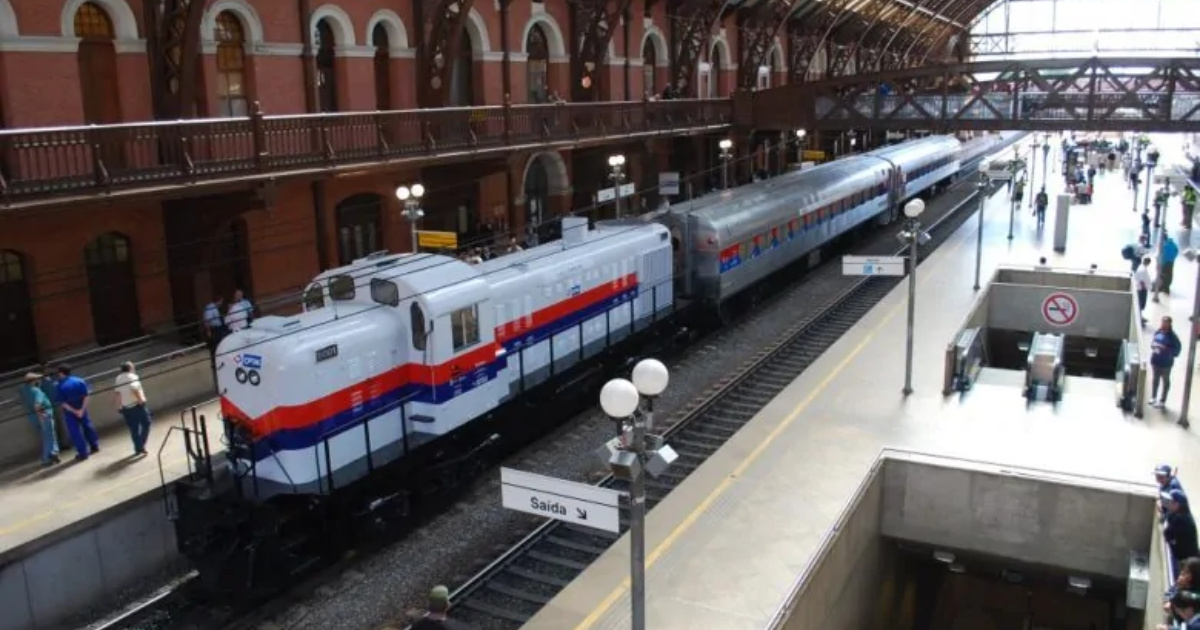
Another option in São Paulo is the Tourist Express, operated by the Companhia Paulista de Trens Metropolitanos (CPTM).
The train departs from the Luz Station, one of the most iconic in the country, transporting passengers to Jundiaí, Mogi das Cruzes, or Paranapiacaba.
The experience uses a diesel locomotive built in 1952, with carriages that evoke the 1960s, and accommodates up to 352 seats, along with space adapted for wheelchair users.
Departures occur on weekends, with boarding at 8 AM and returns scheduled for late afternoon, allowing the public to enjoy a full day of railway outing.
Tickets cost from R$ 50, varying according to the chosen destination and number of companions.
Guararema Train: Historic Charm and Preserved Landscapes
The municipality of Guararema, also in the state of São Paulo, houses one of the most traditional railway routes in the region.
The Guararema Train departs from a station dating back to 1891 and follows to Vila Luís Carlos, on a journey of 14 kilometers through green areas.
Passengers can choose between different classes, including the experience on the balcony of the Caboose car or the Dining Car, where selected dishes and snacks are served.
Ticket prices range between R$ 190 and R$ 257, depending on the chosen category.
Trips occur on Saturdays and Sundays, with a duration of approximately two hours.
Train of Serra do Mar Paranaense: Crossing the Atlantic Forest
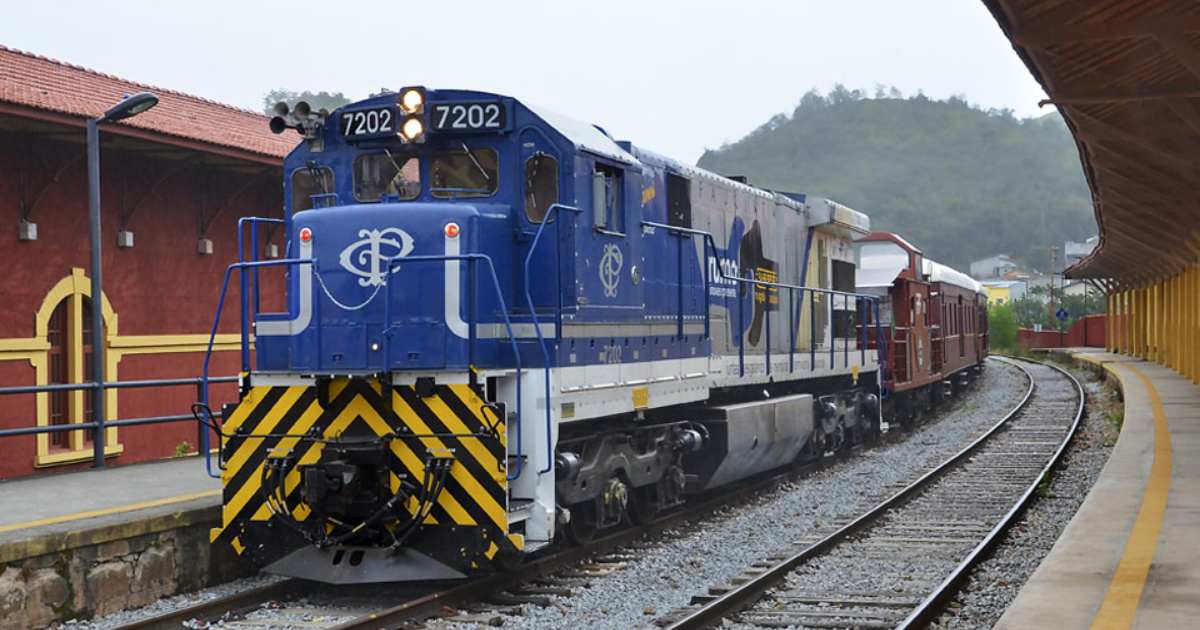
In the south of the country, the Train of Serra do Mar Paranaense ranks among the world’s top railway journeys, according to a ranking released by Lonely Planet in 2025.
Operated by Serra Verde Express, the route connects Curitiba to Morretes, crossing the historic Curitiba-Paranaguá railway.
During the 4h30 journey, the train travels over 41 bridges, 13 tunnels, and areas of native Atlantic Forest vegetation, reaching altitudes close to one thousand meters.
The ride also offers narration from tour guides, who present historical facts and curiosities about the railway and the characters linked to the region.
Tickets range from R$ 199 to R$ 495, with the possibility to include excursions and extra experiences, such as visits to Ilha do Mel.
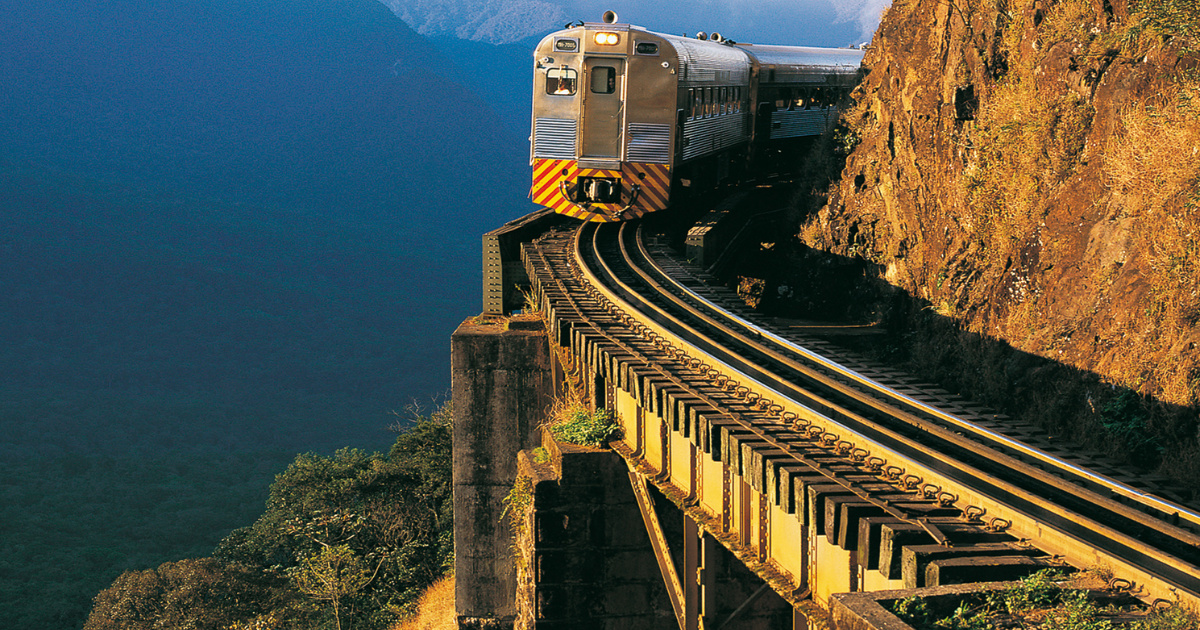
Pampa Train: Tasting and Culture in the Plains of Rio Grande do Sul
For those interested in oenotourism, the Pampa Train in Rio Grande do Sul stands out for integrating railway travel with wine tasting.
The ride, promoted by Giordani Turismo, traverses the landscapes of Cerro de Palomas, connecting Sant’Ana do Livramento to Vinícola Almadén, at the border with Rivera, Uruguay.
During the three-hour journey, participants learn about the production process of the beverages, visit the winery’s museum, and attend a presentation on local history.
According to the organizers, “the experience provides a true immersion in the culture of the Campanha Gaúcha.”
Tickets cost up to R$ 159 for adults.
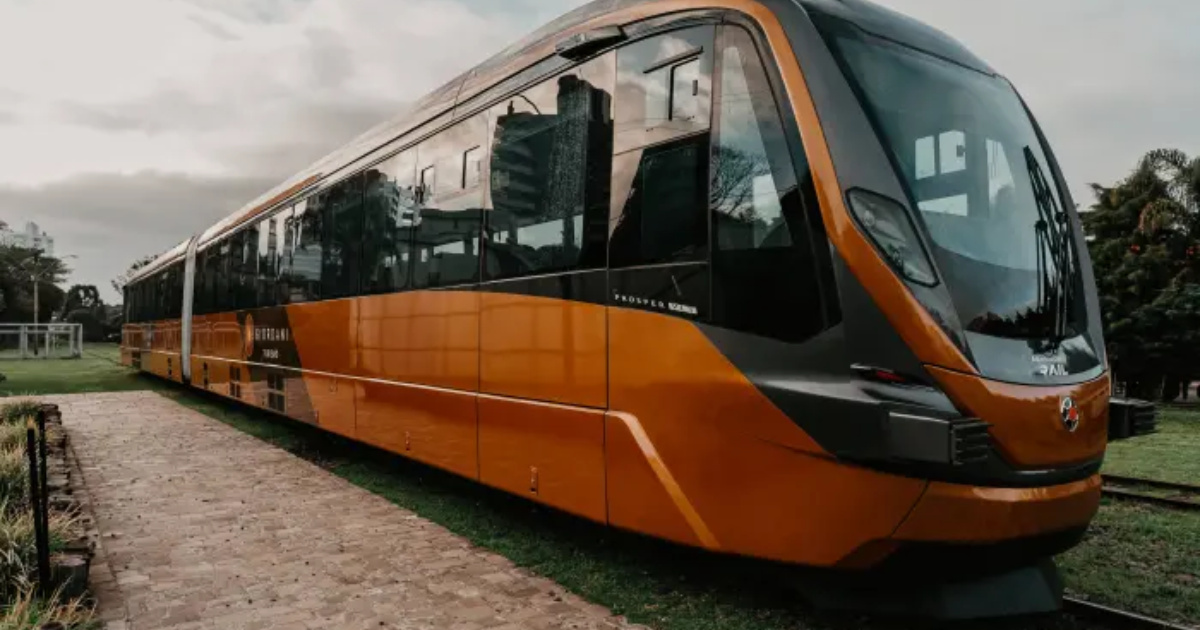
Maria-Fumaça Gramado: Cultural Tourism and Flavors of Serra Gaúcha
In Serra Gaúcha, the Maria-Fumaça Gramado offers a cultural tourism itinerary with wine, sparkling wine, and grape juice tasting.
The tour begins in Gramado, where a bus takes visitors to the Bento Gonçalves station.
The 23-kilometer journey is traveled at low speed, allowing appreciation of the landscapes between Bento Gonçalves, Garibaldi, and Carlos Barbosa.
Passengers are welcomed with wine and grape juice on the platform, and along the way, they taste sparkling wines and other typical products of the region.
The complete program includes lunch, a winery visit, and cultural presentations, with tickets starting at R$ 373.
Water Train: Mineira Tradition and Historic Steam Train
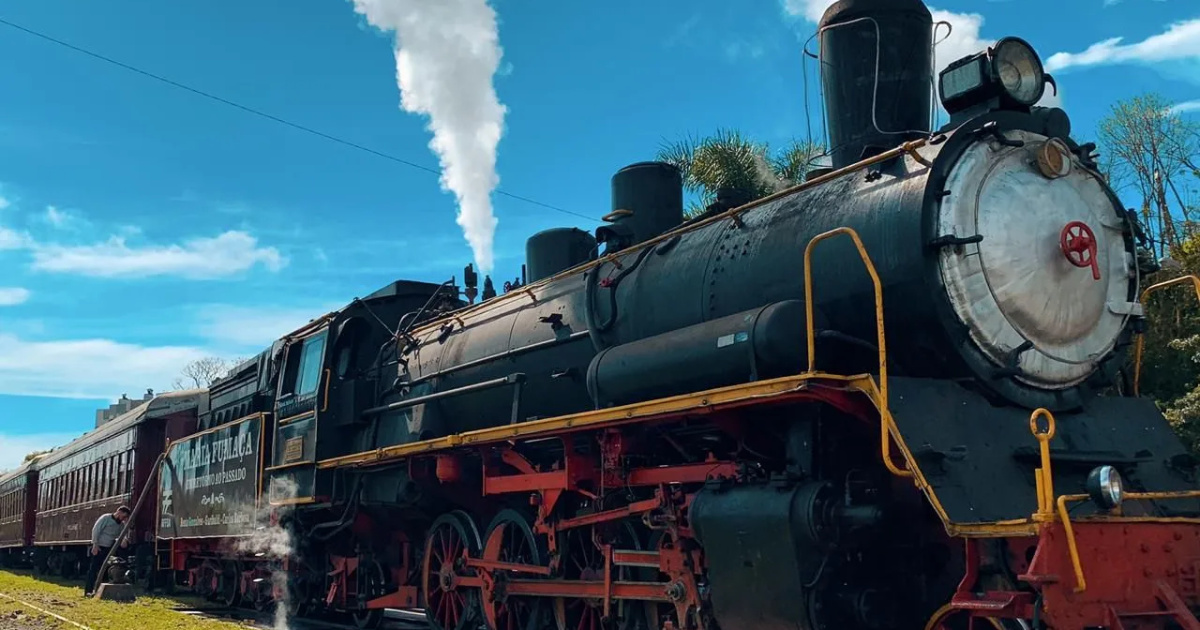
Minas Gerais preserves one of the oldest steam locomotives in the country, used in the Water Train, which connects São Lourenço to Soledade de Minas.
The steam train, built in 1884, travels 20 kilometers in about two hours, promoting an immersion in Brazil’s railway history.
The ride takes place on weekends and holidays, with tickets starting at R$ 99.
According to information from Estrada de Ferro Minas & Rio, which operates the train, “the nostalgic atmosphere of the journey captivates visitors of all ages.”
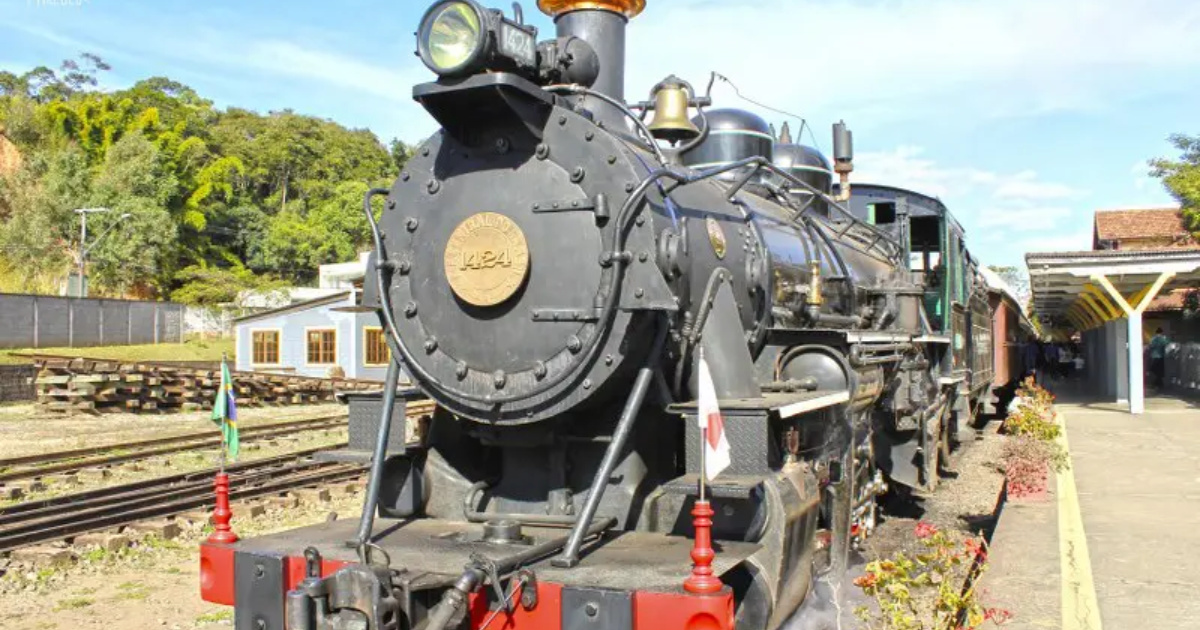
Vitória-Minas Railway: Historic Connection Between Espírito Santo and Minas Gerais
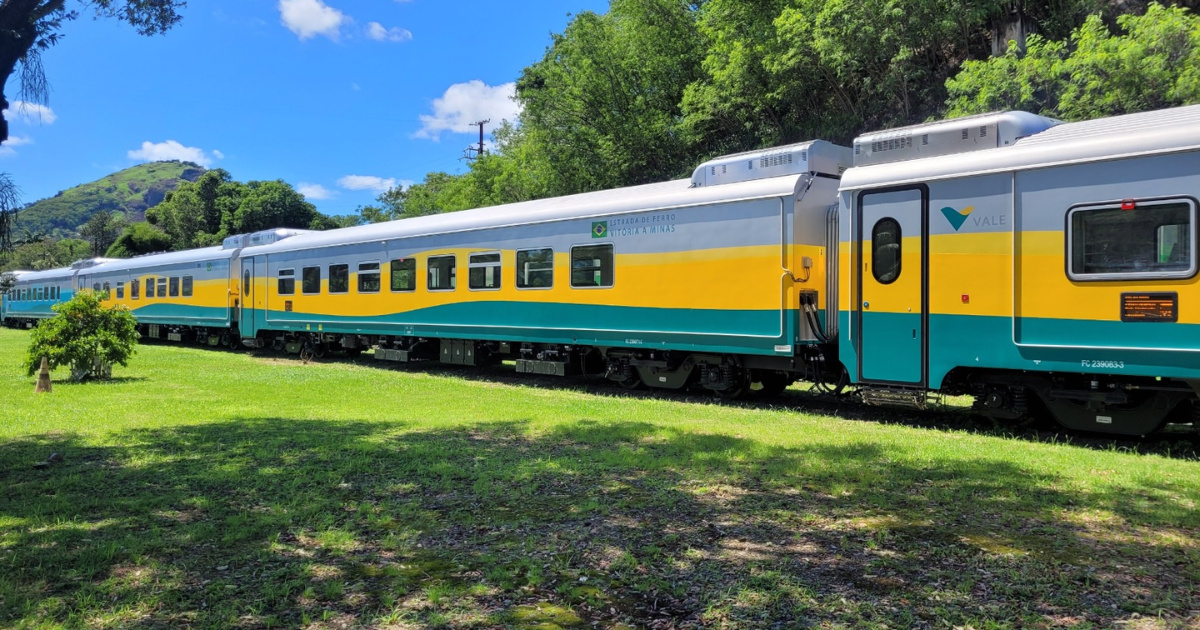
Among the longest railway journeys in the country is the Vitória-Minas Railway, operated by Vale mining company.
The daily route connects Cariacica, in Greater Vitória (Espírito Santo), to Belo Horizonte (Minas Gerais), on journeys that last about 13 hours and pass through stretches along the Rio Doce.
The trains have a snack bar, restaurant, air conditioning, and accessibility, with reserved spaces for wheelchair users.
The Vitória-Minas Railway was inaugurated in 1904 and continues to play a key role in transporting passengers and freight between the two regions.
Tickets can be purchased directly on the operator’s website.
Train Journeys: Railway Experiences That Captivate Travelers
The offer of railway routes in Brazil continues to grow, expanding the list of experiences for different audiences and travel styles.
Whether for the nostalgic appeal of steam trains, the integration with rural tourism, or the contact with nature, trains are establishing themselves as original alternatives for leisure, culture, and tourism in various regions of the country.
What other Brazilian railway destinations would you like to explore or revisit on your next train journey?







Seja o primeiro a reagir!