





 Portuguese
  English
  Spanish
  3 min of reading



Investing in Renewable Energy and Reducing Dependency on Oil Will Make Vietnam’s Economy Grow at Least 5% Per Year.
Vietnam, a country located in Southeast Asia, has a population of 100 million citizens and is one of the most vulnerable nations regarding climate events and rising sea levels due to glacier melt. To ensure the population’s energy security and energy matrix, it is estimated that they will need to spend over US$ 368 billion by 2040 on new investments in the area.
According to analysts, the state cannot be timid about its environmental decisions, and it is crucial to make a change from its consumerist policy. The same applies to Brazil, which has been investing massively in mining, oil, and gas and is more susceptible to commodity fluctuations.
The figures were revealed by the World Bank and show the country’s extreme concern about meeting its climate goals soon, as transition investments have started late. With the oil crisis, in which the barrel saw an exponential increase of at least 120% per year, they struggled to purchase barrels and maintain logistical systems.
-
São Paulo has connected its two airports by rail for the first time in history, and now you can travel by train from Congonhas to Guarulhos for just R$ 5.40. However, the journey requires four transfers, takes about two hours, and only operates during a narrow time window that almost no one can use.

-
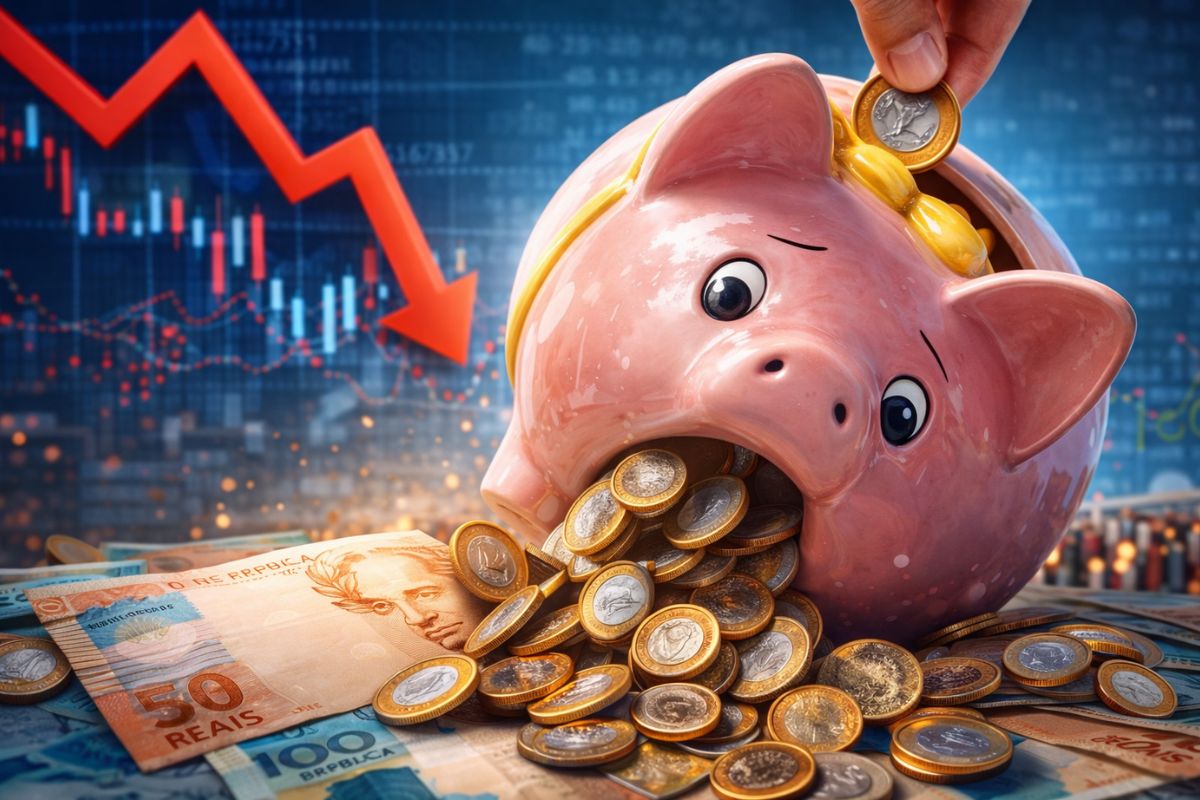
The savings of Brazilians are depleting: savings accounts recorded the third consecutive month of withdrawals, with over R$ 41 billion taken out in the first quarter of 2026, the largest outflow in an entire year.
-
Curitiba will have a direct flight to Europe starting in July, and for the first time in history, Paraná will have a continuous air connection with Europe, saving three hours of travel for passengers who previously needed to connect in São Paulo.

-
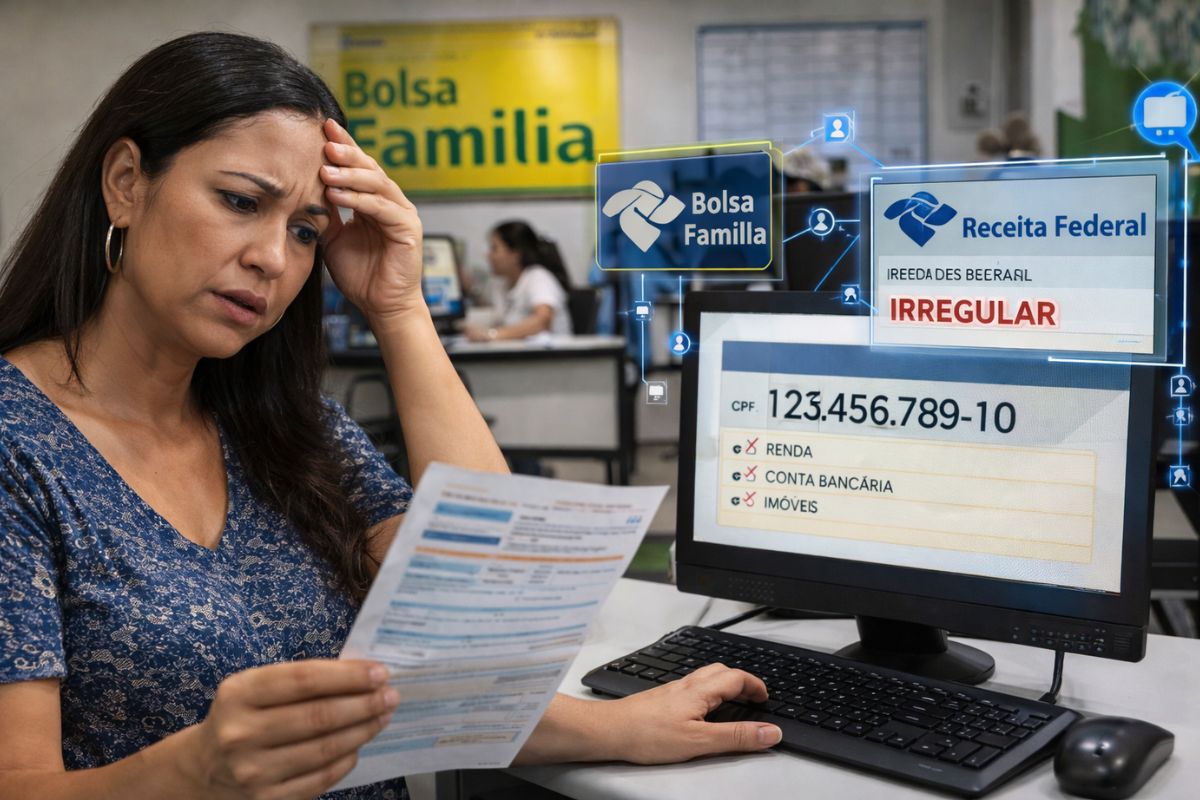
The federal government will cancel Bolsa Família and other benefits for millions of Brazilians who do not update their CadÚnico in 2026, and the new system already cross-references data with the Federal Revenue Service in real time to identify those who are irregular.
Investment Above 6% of Annual GDP to Achieve Results
The World Central Bank estimates that Vietnam will need to invest at least 6.8% of its entire GDP, Gross Domestic Product, annually to change its energy matrix towards the use of renewable and environmentally-friendly energy sources.
Although the amount may seem high, the bank warns that without any initiative from the country, it could compromise up to 14% of its GDP by 2050 due to past negligence. The data was released this Thursday, July 14th, following a market analysis.
The report indicates that Vietnam needs detailed pathways to build a sustainable energy matrix and reduce carbon emissions impacting the environment. Reducing dependence on a carbon economy and large industries is a way to prepare citizens for the “new sustainable world post-2030” with the attempt at decarbonization by major powers.
Following a Sustainable Path Will Allow Vietnam’s GDP to Grow 5% Per Year
The report shared by the Central Bank shows that by following the most sustainable paths and creating innovative policies to encourage the use of solar energy and reduce carbon dioxide emissions, Vietnam’s Gross Domestic Product will grow by the same 5% per year.
“Vietnam cannot be timid regarding climate change. It must act, and it must act boldly,” said Darryl J. Dong, interim national manager for Vietnam at the International Finance Corporation. According to Dong, the change will not be easy or cheap. However, it is something that all countries will have to go through, necessarily, to continue in a globalized world and negotiate with major powers. Governments can no longer choose whether to participate in the structural energy change or not.
Ding concluded the interview by stating that the government will not be able to finance a large part of this energy matrix change and environmental policies. Thus, the private sector must play a significant role by investing half of the necessary amount.
Brazil May Follow the Same Path
A starting in 2023, the Brazilian government intends to begin taxing, with ICMS, all solar energy that is produced. Keeping this in mind, those installing from next year will have one less incentive to make the energy transition.
Brazil has been investing massively in oil and mining, non-renewable resources, and may have its economy adversely affected in the long term due to extreme dependency and potential decrease in exports.







Seja o primeiro a reagir!