Portuguese
  Spanish


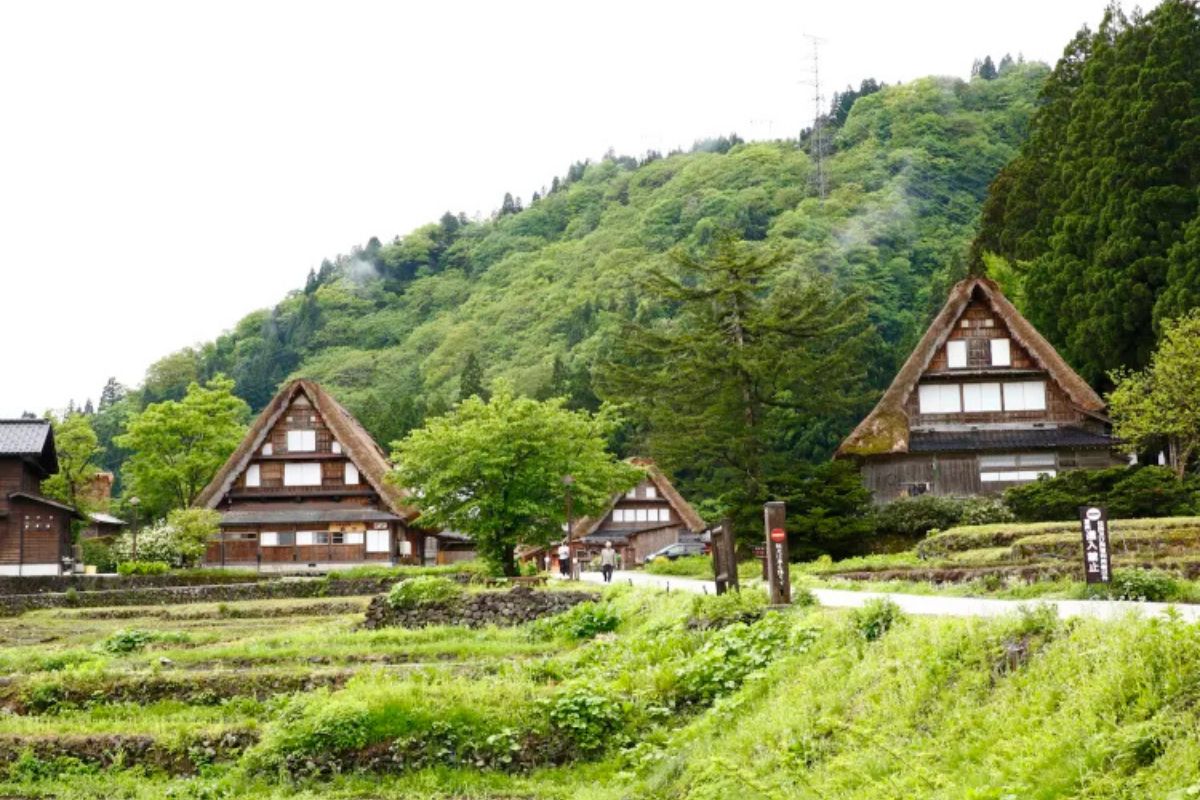


In Toyama, A Japanese Village Surrounded By Snowy Mountains Preserves Gassho-Zukuri Houses, Roofed In “Prayer Hands” Shape And A Traditional Way Of Life That Resists The Haste Of Modern Japan.
Gokayama is a Japanese village recognized by UNESCO as a World Heritage Site since 1995, where wooden houses with sloped straw roofs have stood for centuries under heavy snowfall in Toyama Prefecture.
Among snow-covered mountains, this landscape looks like it came out of an ancient painting, but it remains alive: the gassho-zukuri style houses, some over 300 years old, hold the memory of a way of life that still preserves traditions, craftsmanship, and local festivals amidst Japan’s modernization.
Gokayama, A Japanese Village Shaped By Snow

In Gokayama, snow is not just a backdrop, it is part of the engineering and daily life of the Japanese village. Winter brings thick layers on straw roofs, creating images reminiscent of traditional Japanese paintings.
-
Stingless Bee Honey from Brazil Can Cost Up to $120 a Liter, Surprises with Flavors of Wood, Citrus, and Even Cheese

-
Woman Claims to Have Spotted a Technical Pattern in Recent FIFA Tournaments, Predicts Possible World Cup Winner
-
Chevrolet Offers Chance to Win a 2026 Sonic RS for Free via WhatsApp
-
Earthquake vs. Tsunami: Which Causes More Destruction and Why One Can Be Even More Dangerous


Living with this harsh climate has helped define the shape of the houses, the organization of the buildings, and even the rhythm of activities throughout the year.
This Japanese village in Toyama Prefecture has gained worldwide recognition specifically because, despite the transformations in the country, it has managed to preserve a coherent set of architecture, landscape, and customs.
As you walk between the houses, you can perceive how the relationship with nature still guides practical decisions, from the slope of the roof to the choice of building materials.
Gokayama shows that it is not merely about keeping old houses standing, but about conserving an environment where the past still directly interacts with the present, with families continuing to occupy part of these historic residences.
Gassho-Zukuri Roofs, Symbol Of The Japanese Village In Toyama
The major visual icon of the Gokayama Japanese village is the houses in gassho-zukuri style. These extremely sloped thatched roofs resemble hands joined in prayer, an image that has become the region’s trademark.
More than a symbolic gesture, the shape was designed to withstand the weight of the heavy snowfalls that fall each year.
The steep slope allows the snow to slide off more easily, preventing excessive accumulation and reducing the risk of structural collapse.
At the same time, the interiors of these houses take advantage of vertical space: the spacious attic was once used for silk production, an activity that played an important role in the local economy.
In each gassho-zukuri roof, the Japanese village reveals a combination of aesthetics and function, the result of generations perfecting the technique. It is not just a beautiful style to photograph, but a complete system of adaptation to Toyama’s climatic conditions that has helped these constructions to last for centuries.
Living Traditions In The Japanese Village Gokayama


Gokayama is not just a collection of old houses; it is a place where traditions are still part of daily life. While many regions of Japan have undergone rapid changes, the local community has maintained habits and celebrations that connect the present to a more ancient way of life.
Among these practices are age-old rice cultivation techniques, adjusted to the terrain and climate of Toyama’s mountains. Folk celebrations, with their own music, dances, and rituals, help reinforce the identity of the Japanese village and attract visitors interested in genuine cultural experiences.
Another important piece of this legacy is the production of handmade paper, the result of knowledge passed down through generations. The careful process, made with local raw materials, transforms fibers into resilient and delicate sheets that carry the same attention to detail seen in the architecture.
By preserving these activities, the Japanese village Gokayama shows that World Heritage is not just stone and wood, but also knowledge, celebration, and manual labor that remain active.
Ainokura And Suganuma, Postcards Of The Japanese Village
Within Gokayama, the villages of Ainokura and Suganuma are the most emblematic examples of this historic Japanese village. They comprise the largest number of well-preserved gassho-zukuri houses, surrounded by mountains and fields that complete the landscape ensemble.
These villages show, on a smaller scale, everything that makes Gokayama special: buildings with centuries of history, roofs in the shape of hands in prayer, snow accumulated in winter, and a routine that still retains traces of an ancient way of life.
It is this balance between architecture, environment, and culture that reinforces the value of the Japanese village in the eyes of UNESCO’s criteria.
In Ainokura and Suganuma, each house tells a part of Gokayama’s journey, from the time when silk production supported the economy to the present moment, when international interest helps fund the conservation of the ensemble.
World Heritage And The Future Of The Japanese Village Gokayama
Since 1995, Gokayama has been on the UNESCO World Heritage list for exemplary preservation of both traditional architecture and the way of life associated with it.
The designation recognizes that this Japanese village has value that transcends national boundaries, providing a concrete reference for how communities can preserve their identity for centuries.
The title brings additional responsibilities. Maintaining houses over 300 years old, caring for thatched gassho-zukuri roofs, and preserving festivals, agriculture, and craftsmanship requires planning, resources, and active participation from residents.
Every decision regarding renovations, land use, or visitor reception impacts the future of this Japanese village in Toyama.
Gokayama is, today, an example of how cultural heritage, natural landscape, and daily life can coexist. Between snowfalls, rice fields, handmade paper, and wooden houses, the region demonstrates that modernization does not have to mean forgetting.
And you, visiting a Japanese village like Gokayama, what would you most like to see up close: the gassho-zukuri roofs under the snow, the traditional festivals, or the delicate work of handmade paper?