





 Portuguese
  English
  Spanish
  7 min of reading
  0 comments


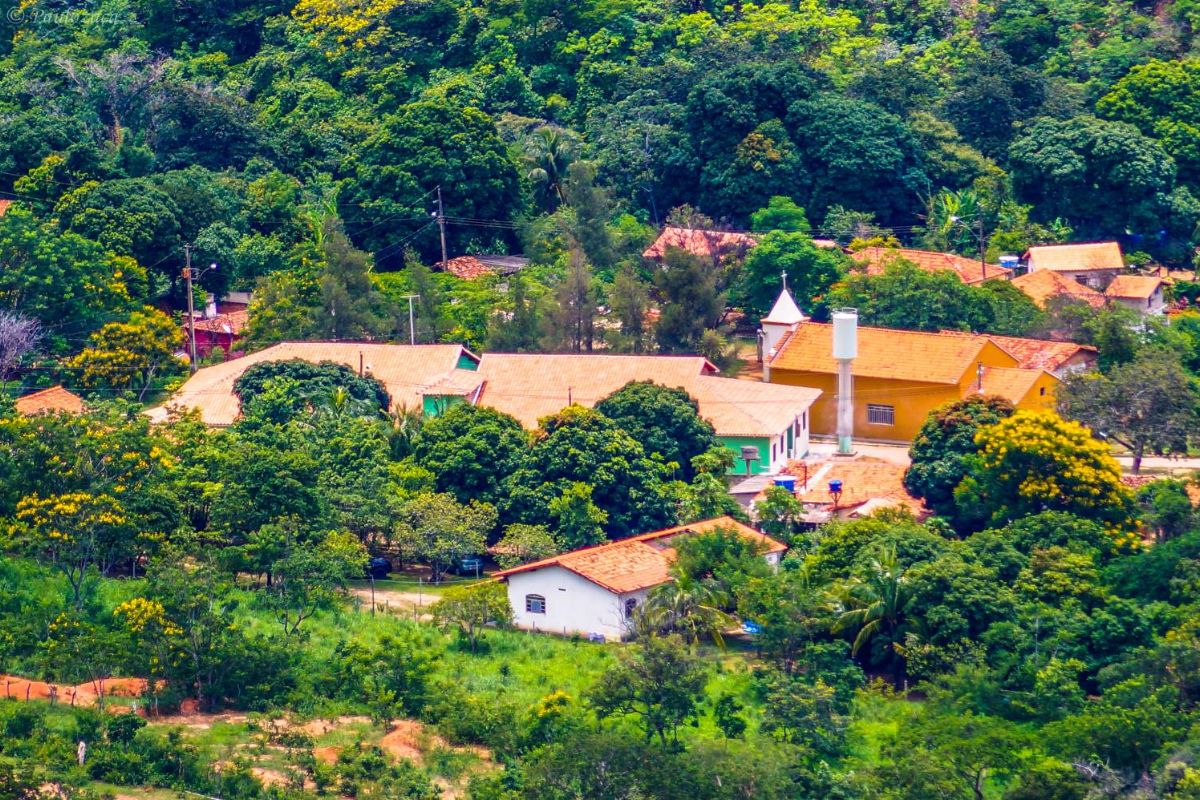
Hidden On Top Of A Mountain About 200 Km From Belo Horizonte, A Small Mining Village Lives As In The Past: There Is No Internet, There Are No Street Names, Money Is Scarce And Most Transactions Are Bartered, In A Place Where You Can Only Reach On Foot Or On Horseback.
Far From Traffic, Apps And Shopping Mall Displays, This Piece Of Minas Has Its Own Rhythm. Surrounded By Mountains, Valleys, Waterfalls And Springs, Just Over A Hundred Residents Live As In The Past In A Daily Life Where The Bus Passes Only Two Days A Week, Messages Are Still Delivered Via Paper Notes And The Economy Runs On Trust Among Neighbors. For Those Born And Raised There, This Is How Life Makes Sense: Simple, Close To Nature And Distant From Bills And The Rush Of Big Cities.
An Isolated Village That Lives As In The Past
Imagine A Place Where The Digital World Practically Doesn’t Exist. Instead Of Notifications On A Cell Phone, What You Hear Is The Sound Of Water On The Stones, The Mooing Of Cattle, The Singing Of Birds And, Once In A While, The Engine Of A Bus Facing The Dirt Road.
In This District Nestled In The Mountains, The Residents Like To Say That There Time Moves Slowly And That The Community Lives As In The Past, Even Though It’s Just A Few Hours From A Metropolitan Area.
-
He started running at 66 years old, broke records at 82, and is now a subject of study for having a metabolic age comparable to that of a 20-year-old, in a case that is intriguing scientists and inspiring the world.

-
Oldest tree on the planet reappears after 130 years of searches: Wattieza, 385 million years old, was 10 meters tall and had no leaves or seeds; Gilboa fossils in New York solved the mystery in 2007.

-
A 48-square-meter house assembled in hours with 4,000 bricks made of recycled plastic that does not absorb moisture, has natural thermal insulation, and costs less than 90,000 reais in a complete kit.

-
Luciano Hang revealed that Havan’s air fleet has already accumulated more than 20,000 landings, 10,000 flight hours, and 6 million kilometers traveled, and he says that without the planes, the company would never have grown so quickly.


Nothing Here Reminds You Of A Common Neighborhood In A Big City. The Streets Have No Names, The Houses Have No Numbers And The Address, In Practice, Is Always Based On Landmarks: The Bend By The Tree, The House After The Little Church, The Yard With The Mango Tree. For Outsiders, It May Seem Confusing.
For Those Living As In The Past There, It’s Just The Natural Way Of Finding One’s Way In A Place Where Everyone Knows Each Other By Name And By Story.
Streets Without Names, Houses Without Numbers And A “Closed” Community
The Village Is Nestled In A Valley Surrounded By Hills And Mountains. Residents Say That The Name Of The Community Came Precisely From The Feeling Of Being “Closed” In The Middle Of Nature, Almost As If The Rest Of The World Were On The Outside.
From A Practical Point Of View, The Isolation Is Real: After Leaving The Nearest City, There Are Still Many Kilometers Of Dirt Road, Up To The Point Where The Vehicle Can No Longer Move Forward And The Only Option Is To Proceed On Horseback Or On Foot.
In This Scenario, Daily Life Lives As In The Past Also In The Way People Relate To Each Other. There Are No Street Signs Or Zip Codes, But There Is A Very Clear Affectionate Map.
The Landmarks Are The Families, The Generations, The Doors That Are Never Locked And The Assurance That Any Message Reaches Its Destination, Even Without A Messaging App. The Geography Is Of Mountains; The Way Of Life Is Of An Old Village.
Barter Instead Of Money
If Almost Everywhere Money Is The Center Of Exchange Relations, There It Appears Much Less Than One Might Think. Much Of The Economy Works On Barter, As Was Common In Other Times.
A Resident Buys Firewood From The Neighbor, The Neighbor Buys Cement From Him And Instead Of Each Spending The Day Looking For Change, They Both Settle On Trust.
“I Buy Firewood From The Neighbor, He Buys Cement From Me And We Trade,” They Summarize Casually.
In Everyday Life, The Result Is An Economy That Lives As In The Past, Sustained By Direct Exchanges, Favors And Agreements Made At The Gate Or By The Roadside.
Money Comes And Goes When Necessary, Of Course, But It Doesn’t Dictate Everything. What Keeps Life Moving Is The Support Network Where Everyone Knows What The Other Produces, What The Other Needs And How To Help.
The Bus That Takes People, Orders And Notes
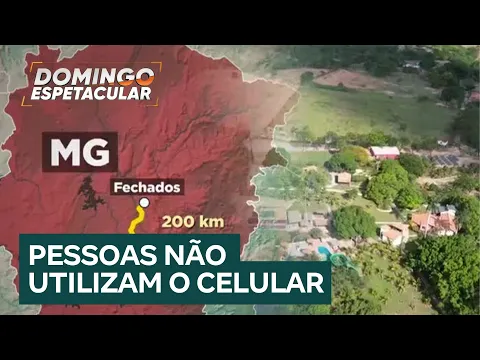

If The Internet Barely Reaches, The Bus Plays A Role That Goes Well Beyond Transporting Passengers. Two Times A Week, On Mondays And Fridays, The Vehicle Leaves The Village In The Direction Of The Nearest City, On A Journey That Seems Simple On The Map, But Takes Hours In Practice.
The Approximately 40 Kilometers Of Dirt Road Can Take Up To Four Hours, With The Ups And Downs Of Hills, Mud Puddles And Curves.
When It Leaves Empty Of Goods, The Bus Returns Loaded With Animal Feed, Provisions And Orders. Along The Way, The Driver Stops At Several Points, Delivers Bags, Packages And Attends To Orders Made In Advance.
Many Of These Orders Travel On Paper Notes, Scrawled With The Person’s Name, The Desired Item And The Approximate Value. A Bag Of Cornmeal, A Medicine, A Document For The Wife Who Stayed In The City. More Than A Means Of Transport, The Bus Is The Thread That Connects The Community, Which Lives As In The Past, To The Rest Of The World.
When The Road Ends And Only The Horse Continues The Journey
Not Everything That Arrives By Bus Stays In The Center Of The Village. Part Of The Goods Is Unloaded There, But Another Part Needs To Go Up The Mountain Even Further, Towards The Houses That Are In More Isolated Spots.
From A Certain Point, There Is No Car Road, Just Dirt Trails That Thicken With Rain And Incline With The Landscape.
That’s Where The Horses Come In. Equipment, Bags And Purchases Are Carried On The Backs Of Animals, Which Know The Way “By Heart.” For Those Living In The City, This Climb Would Be A Heavy Adventure.
For Those Living As In The Past In The Mountains, It’s Just The Daily Routine Of Carrying Provisions And News Up The Hill. The Effort Is Great, But The Reward Appears In The Scenery Of Waterfalls, Open Fields And Views Still Little Visited By Man.
Simple Life, Iron Health And Little Technology
On The High Hills, Life Follows A Rhythm That Reminds Of Other Decades. Dairy Producers Wake Up Early, Take Care Of The Animals, Work In The Fields And End The Day In The Yard, Watching The Sky Change Color.
A Resident, At 74 Years Old, Continues Strong In His Work, Saying That He Feels Nothing And Takes No Medicine. The Explanation For Them Lies In The Rhythm Of The Land, In The Simple Diet And In The Fact That They Live As In The Past, Away From Some Pressures Of The City.
The Family Is Large, As Tradition Once Required. Twelve Children, Many With Names Starting With The Same Letter, Stories Told At Night When There Was No Television And The Main “Programming” Was The Conversation Around The Table.
To This Day, The Internet Hasn’t Fully Arrived And For Many There, That’s Not A Problem. They Repeat That Sometimes Technology Gets In The Way Of That Good Conversation By The Table And They Prefer To Preserve This Custom.
Youth Among Crowing Roosters And Zero Parties
If For The Older Generations Isolation Is Synonymous With Peace, For The Younger Ones The Equation Is A Little Different.
Few Remain At The Top Of The Mountain After A Certain Age. Without Fast Internet, Without Parties, Without The Bustling Life Of The City, Many Decide To Go Down To Study, Work Or Just Experience Another Rhythm.
Those Who Stay Create Their Own Forms Of Entertainment. A 29-Year-Old Young Man, For Example, Enjoys Refereeing His Own Singing Rooster Tournament. The Record Holder, According To Him, Is A Rooster That Can Sing For Over Thirty Seconds Nonstop.
This May Seem Little For Those Who Are Constantly Connected, But For Those Living As In The Past, This Kind Of Competition Is An Event, Leading To Laughter, Bets And Topics For Days.
Wattle And Daub Houses, Farm Stay And A Cow Addicted To Bananas
The Architecture Of The Village Also Helps Tell The Story. There Are Centenarian Houses Still Standing, Built With Traditional Techniques, Such As Wattle Walls Tied With Vines And Filled With Clay Before Being Plastered.
A Resident Has Lived In The Same House For Over Six Decades, Which Resists Generation After Generation. There, The House Is A Living Memory Of A Time When Almost Everything Was Made By Hand And With Material From The Land.
For Those Seeking Accommodation, There Are No Hotels Or Conventional Inns. The Only Option Is The Home Of Residents Who Decided To Turn Their Farm Into An Inn, Opening Their Doors To Visitors Who Enjoy Nature And Don’t Mind The Lack Of Luxury.
On The Property Of A Couple, The Reception Includes A Cow Named Maravilha Who Is Declared Addicted To Bananas, A Detail That Reinforces The Sense Of Intimacy And Simplicity.
Happiness Near Nature And Far From Bills
Despite The Difficulties Of Living In Isolation, With Limited Access And Few Services At Hand, The Residents Repeat That They Don’t Want Another Life.
There, They Say, They Are Happy This Way: Close To Nature, With Few Bills To Pay, Surrounded By People Who Know And Help Each Other. For This Community, Living As In The Past Is Not Backwardness, It’s A Life Choice, A Way Of Preserving What They Consider Essential.
While The World Discusses Connection Speeds And Technological News, This Mining Village Stays Firm On Another Axis, In Which The Most Important Thing Is The Shared Time, The Word Given And The Landscape Seen From The Front Door. The Clock Outside Runs Fast; Up There On The Mountain, It Seems To Mark Another Kind Of Hour.
And You, Would You Dare To Spend A Few Days In A Place That Lives As In The Past, Without Internet, Without Street Names And With Life Running On Trust And Barter?







-

2 pessoas reagiram a isso.