





 Portuguese
  English
  Spanish
  5 min of reading
  0 comments


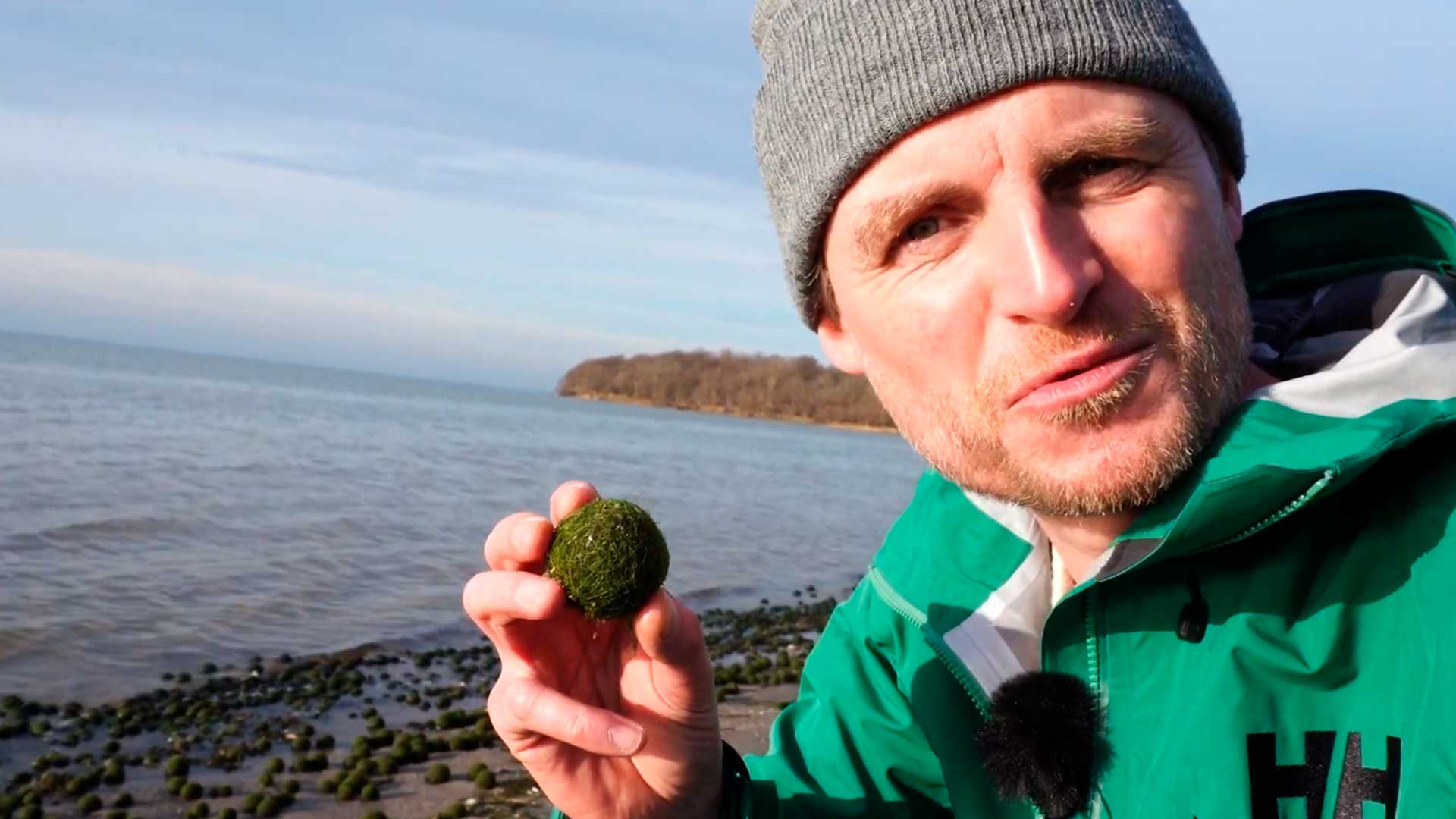
Images Taken in Falster Show Thousands of Green Balls on the Sand and the Explanation Points to Wave Action, Current, and Abundance of Seaweed in the Ocean
The scene looks like it’s straight out of a mystery movie, but it happened during a regular outing at the beach. Visitors encountered a strip of sand covered with hundreds and even thousands of small green spheres, soft to the touch and smelling of the sea.
The case gained traction because the record made it to social media and quickly crossed borders. The beach is located in the Vålse Vig area, near Orehoved, in the northern part of the Danish island of Falster, and the images helped turn a local detail into a global topic.
The person responsible for part of the material released, Andreas Hermansen, recorded a video and described the finding as something he had never seen before. He even compared the balls to “green falafels,” emphasizing the strangeness felt by those who encountered the phenomenon for the first time.
-
A 68-year-old pizza delivery driver went off route to buy a soda that was missing from a visually impaired customer’s order, refused an extra tip, and now Dan Simpson has over R$ 546,000 in donations from people around the world who want to ensure he can retire peacefully on April 30.

-
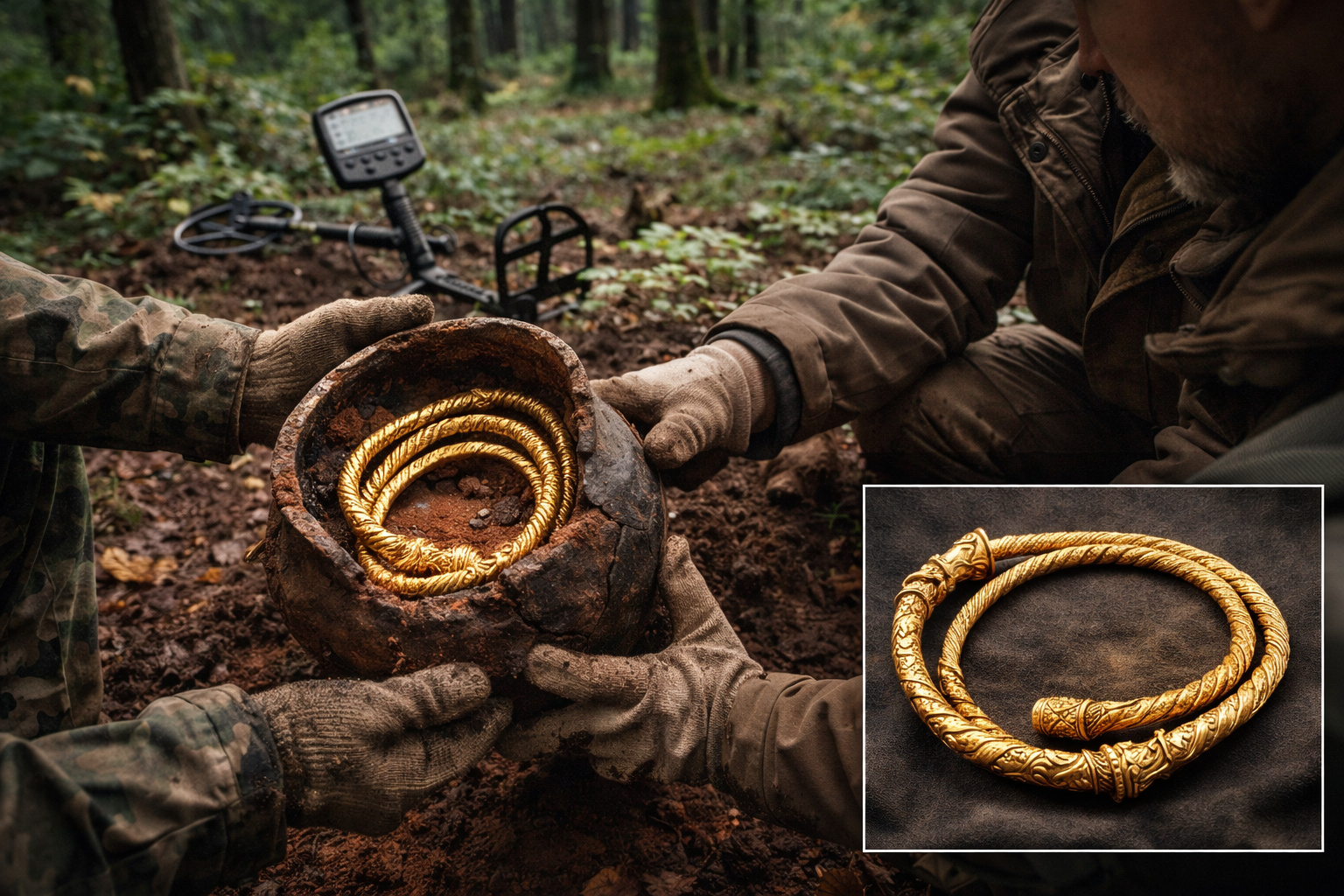
Amateur archaeologists were searching a forest in Poland with metal detectors when they found a ceramic pot buried for over 1,500 years. Inside was a pure gold necklace weighing 222 grams, folded to fit in the vessel, and when experts examined the piece, they discovered it was the first Gothic torque ever found in Polish territory.
-
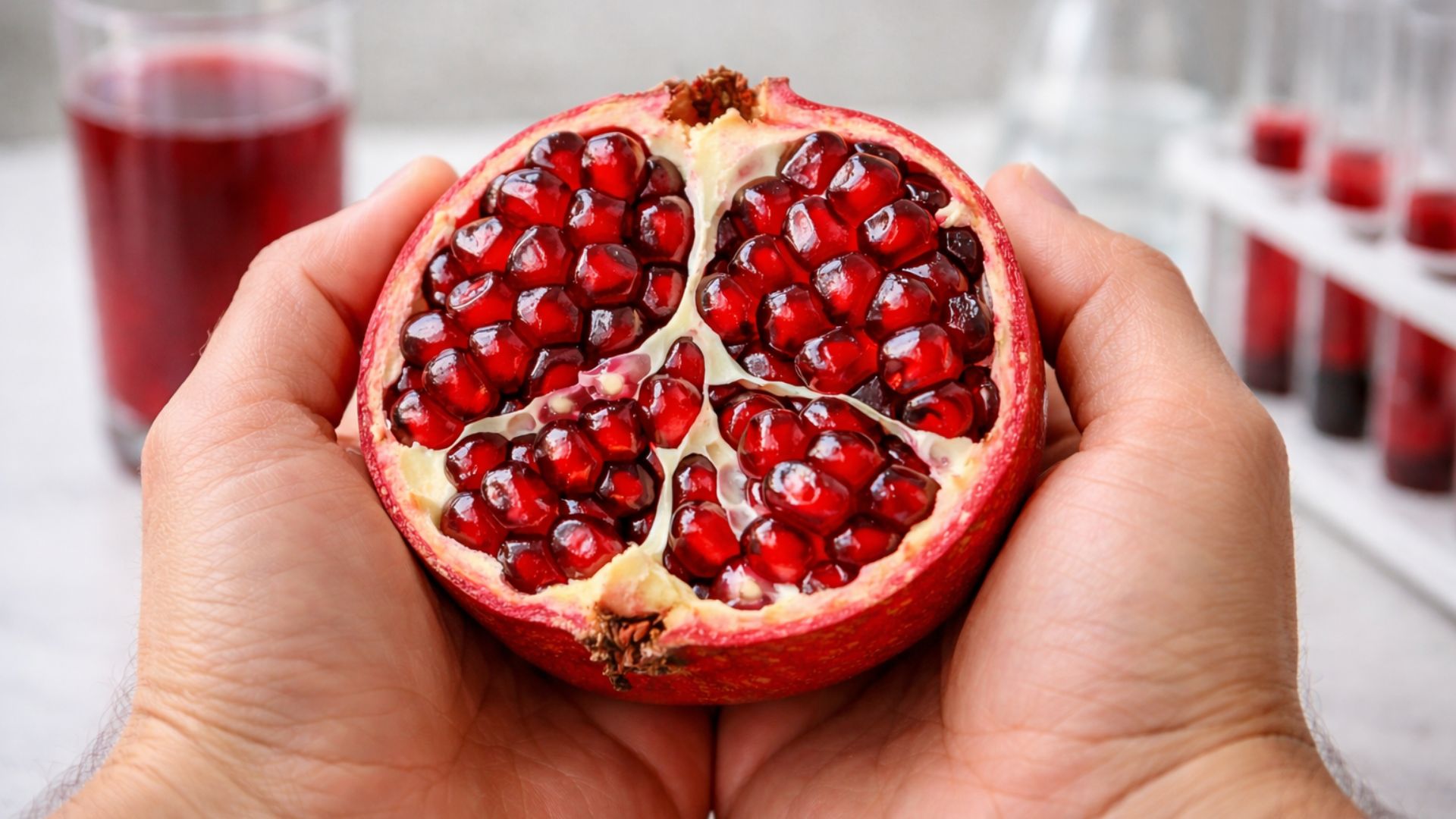
Millions of people have been eating pomegranates for centuries without knowing that this ancient fruit contains punicalagins, which scientists are studying for their possible effects on memory and vascular health.
-
Argentina patrols the South Atlantic with ships built in France and monitors over 1.1 million km² with 87 m OPVs, a range of 7,500 miles, 360° radar, and a 30 mm cannon against illegal fishing in the 200-mile zone.

Despite the initial shock and the unusual appearance, the most likely explanation is far less mysterious than it seems. Experts and local reports indicate that they are balls formed by seaweed and marine plants that become compacted with the movement of water and end up deposited on the sand.
Where the Green Balls Appeared and How the Case Became Headline News
The episode was recorded on the coast of Denmark, in a stretch linked to Orehoved and the Vålse Vig area in Falster. According to a report published by a local tourism and video channel, the spheres measured between 2.5 and 3 centimeters in diameter and were spread across a large part of the beach.
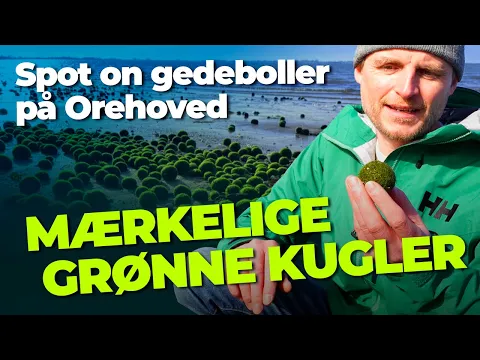

The same source claims that the contents of the balls were a mass of seaweed and other marine plants. This texture helps explain why, upon touch, they feel soft and can release water when squeezed.
The repercussion was driven by posts and videos and later amplified by European media. According to a report published in Germany, the material circulated on social media and generated reactions like “what is this,” as well as reports from those who thought they were stones, moss, or even marine animals.
What Are the Green Balls and Why Do They Become So Round
In Denmark, they appear with curious nicknames, including “gedeboller,” a popular name that also became a literal translation in other languages. The main point, however, is that they are not eggs or artificial objects, but rather compacted marine plant material.
The channel that reported the case explains that the balls form when krøltang seaweed is pulled and rolled along the surface by wave action. With the ebb and flow of the sea, the filaments intertwine and take on a rounded shape, as if they were naturally “felted.”
This mechanism is consistent with what scientific literature describes in similar events. A study of “green seaweed balls” found on a beach in Australia indicates that wave energy and orbital movement in the breaking zone can fragment mats of seaweed and agitate pieces until they become spheres.
The almost perfect shape also has a simple physical explanation. The longer the material rolls and is compressed by moving water, the more it tends to lose “loose ends” and become uniform, much like a snowball rolling on the ground.
When the tide and current push this material to the shore, it can accumulate in large numbers on a single stretch of sand. This introduces the surprise factor, as the beach can change appearance from one day to the next, creating a strong visual effect, especially in photos and videos.
Nutrients and Rain Enter the Story and Raise Environmental Debate
The formation and growth of seaweed in the ocean also depend on environmental conditions, including nutrient availability. According to NOAA, when there is an excess of nitrogen and phosphorus entering aquatic environments, it can accelerate seaweed growth beyond what the ecosystem can “absorb” without impact.
In Europe, the European Environment Agency describes that eutrophication in marine waters occurs precisely when excess nutrients, mainly nitrogen and phosphorus, enter the system, often associated with runoff from agricultural areas and sewage discharges.
This doesn’t mean that the balls seen in Falster are automatically a health risk, but it helps explain why the topic becomes a debate. Part of the public sees it as a natural spectacle, while another part perceives it as a warning about diffuse pollution and water quality in coastal regions.
Rare Phenomenon but Not Unprecedented and What to Observe on Beaches
Similar cases have been recorded in other places and, in general, attract attention precisely because they are uncommon on a large scale. The German report mentions that there was a similar episode in Denmark in 2016 when green balls also appeared in large quantities on another beach, reinforcing the sporadic nature of the phenomenon.
For those who encounter something like this, the most prudent recommendation is to observe and avoid hasty conclusions. If the material has a very strong smell, appears decomposed, or there are signs of fish mortality, it’s worth alerting local environmental authorities, as the context might be different.
In the case of Orehoved and Vålse Vig, the viral reports describe balls with the smell of seaweed and ocean, and a plant-like texture, with no indication of immediate danger. The video itself mentioned by European media shows that when squeezed, water comes out and the odor is of seaweed, something compatible with fresh marine organic matter.
Nonetheless, the episode rekindles a larger conversation about beaches increasingly “surprised” by natural events that go viral. The lingering question is whether we are merely witnessing curiosities of the sea or normalizing signals of environmental imbalance that deserve more public attention.









-

-

-

-

14 pessoas reagiram a isso.