





 Portuguese
  English
  Spanish
  4 min of reading
  0 comments


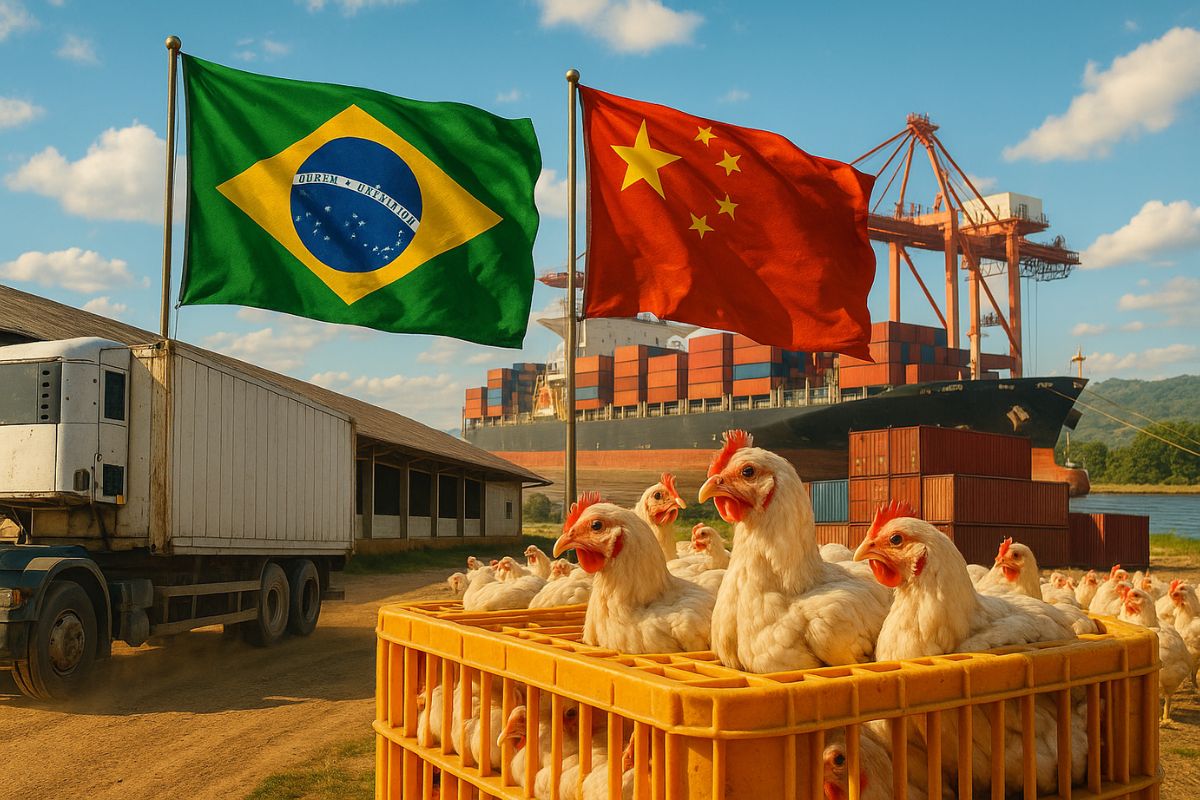
China Resumes Purchase of Brazilian Chicken After Six Months of Suspension and Highlights the Technical and Sanitary Competence of the Country, Decision with Immediate Effect That Repositions the Main External Buyer at the Center of Agribusiness Strategy.
According to G1’s portal, China resumes purchasing Brazilian chicken after announcing the end of the ban that had been in effect since May 16, when the Asian country decided to halt imports due to the recording of a case of avian influenza at a commercial farm in Montenegro, Rio Grande do Sul. The measure now takes effect immediately, restoring Brazil’s access to its largest chicken meat market, essential for maintaining the export rhythm of the sector.
The resumption comes after a risk assessment and a technical audit conducted by a Chinese delegation at the end of September to confirm that the country had controlled the episode. Sector entities point out that the result is the fruit of professional negotiation work to avoid new interruptions and emphasize that there was recognition of the Brazilian sanitary structure. For agribusiness, this is a strategic victory.
How the Embargo Started
The Chinese embargo originated from the only case of avian influenza recorded at a Brazilian commercial farm in 2025, which led Beijing to adopt a cautious stance and suspend all chicken meat purchases from Brazil. China is the main destination for Brazilian chicken, and any ban of this magnitude directly impacts the production chain, from slaughterhouses to integrated producers.
-
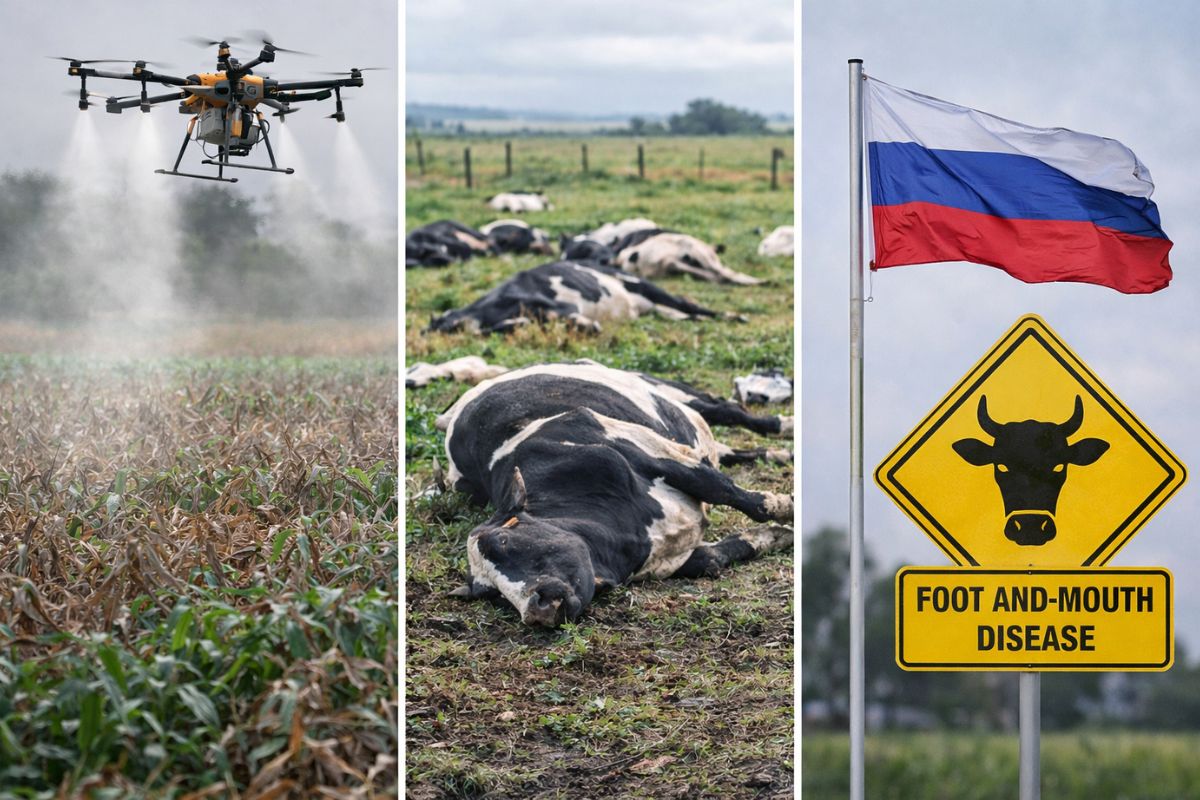
Agricultural drone sprayed poison into the air and destroyed the neighbor’s crops, causing 1 million in damages; 48 cows died from nitrite poisoning in the pasture, and Russia is hiding a possible outbreak of foot-and-mouth disease: the week was brutal for the rural sector.
-
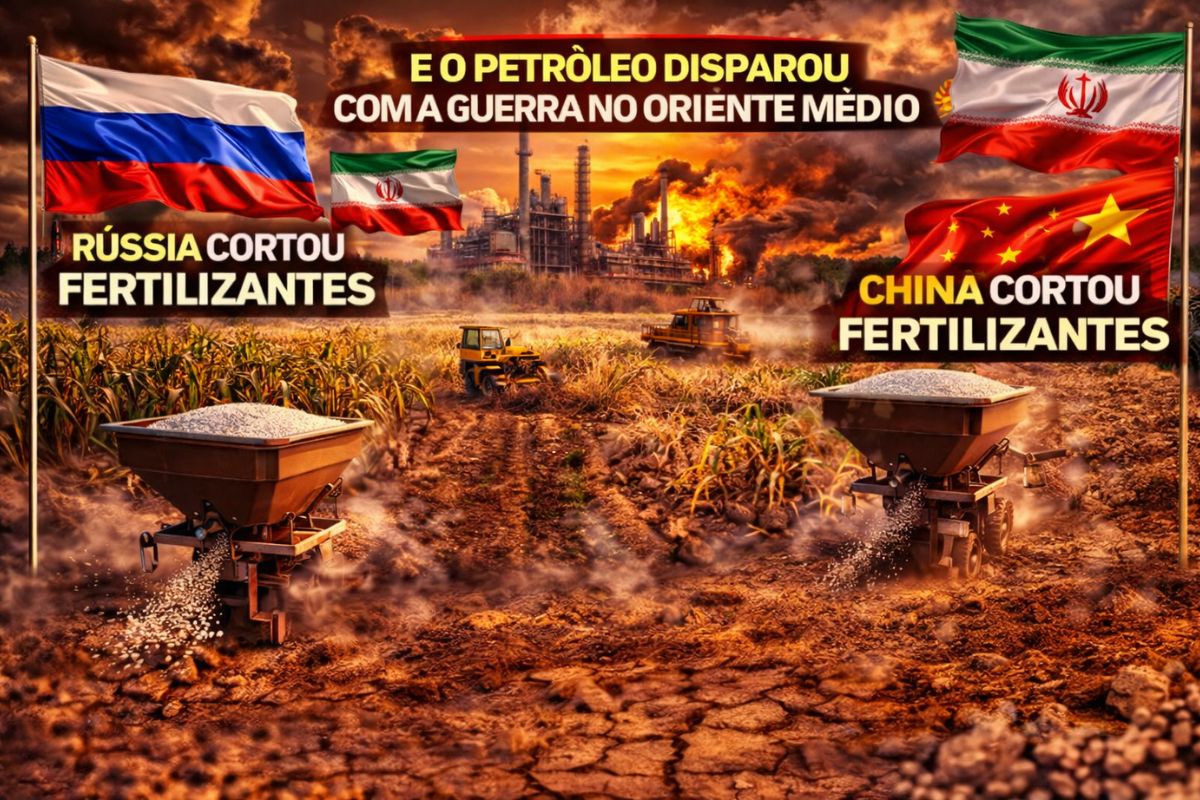
Russia cut fertilizers, China cut fertilizers, and oil prices soared with the war in the Middle East: sugarcane producers in the interior of São Paulo are seeing costs explode from all sides and warn that the effects will take months to be absorbed.
-
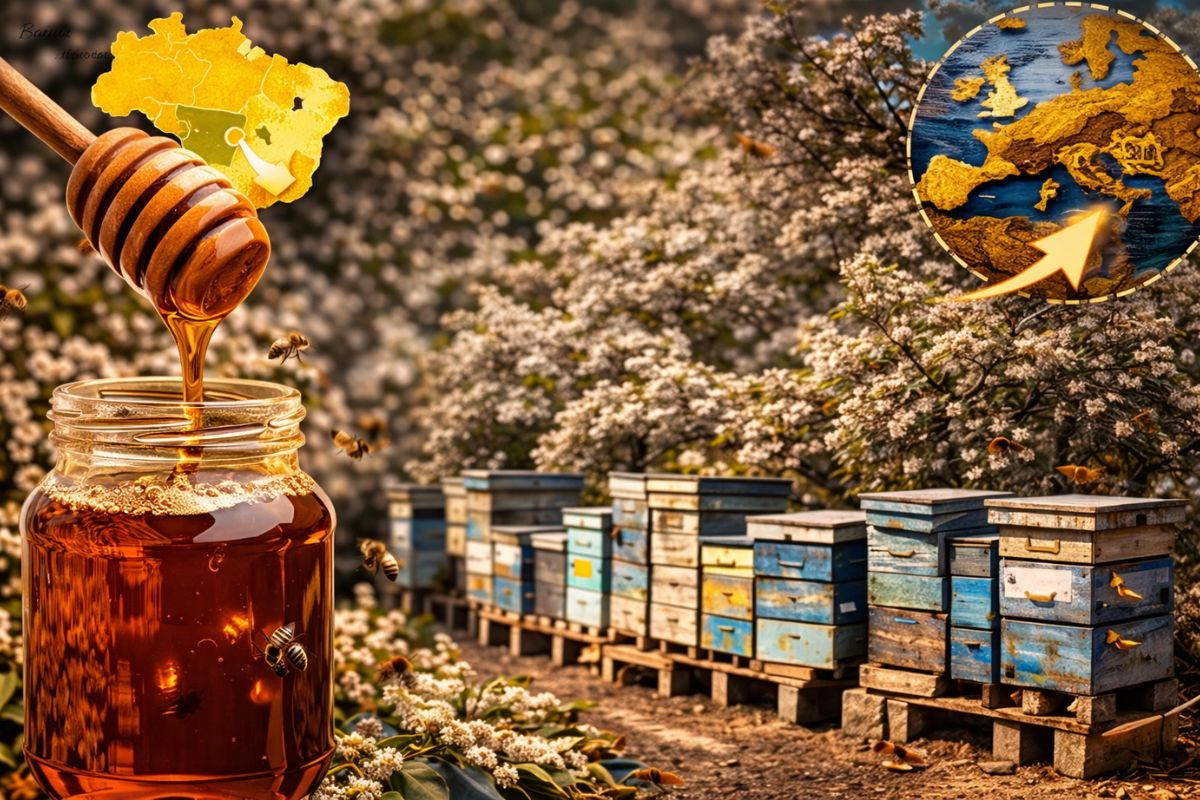
It does not come from flowers, is produced only every two years, and more than 90% goes straight to Europe: meet the bracatinga honeydew honey from Santa Catarina, considered one of the rarest in the world and overlooked by Brazil itself.
-
They said no to 26 million dollars and would do it all over again: mother and daughter from Kentucky reject a million-dollar offer from a mysterious company that wants to build the largest data center in the state on more than 2,000 acres of rural land.


Even after the suspension imposed by China, Brazil was able to demonstrate control of the outbreak, and on June 18, declared itself free of the disease in commercial flocks after 28 days without new records. This interval was crucial for the country to recover its sanitary status and technically support the reopening of the market.
Audit and Risk Assessment
The Chinese decision to once again allow imports was based on a formal risk assessment. A technical team visited Brazil at the end of September to evaluate in loco the surveillance procedures, traceability, and notification mechanisms adopted by Brazilian authorities. The goal was to confirm that the case had been an isolated incident and that the system was capable of reacting to any future occurrences.
With the report in hand, Chinese authorities concluded that Brazil maintains monitoring and prevention capabilities at a level compatible with the standards required by major buyers.
In practice, this represents a vote of confidence in Brazilian technical competence and reduces the risk of new total suspensions, as long as protocols continue to be followed.
Immediate Effect for Brazilian Agribusiness
The release has immediate effect and brings the largest customer of Brazilian chicken back into the shipping route. Brazil is the world’s largest exporter and currently serves 151 countries, but China occupies a prominent position due to the scale of its purchases and the role it plays in international price formation. The resumption is likely to alleviate stocks, provide industrial predictability, and strengthen the country’s image as a reliable supplier.
Representative sectors celebrated the announcement and highlighted that the result was achieved through technical and diplomatic negotiation, including a review of sanitary certificates to prevent broad bans in future episodes.
This institutional engineering is relevant because it allows for more surgical responses instead of general market interruptions. For producers, it is a sign that the biosafety efforts have not been in vain.
Other Markets and International Scenario
While China maintained the embargo, other major markets, such as the United Arab Emirates, Saudi Arabia, and the European Union, had already normalized purchases from Brazil. This helped partially sustain export flows during the Chinese blockade and reinforced the idea that the country continued to be capable of exporting safely. The reopening now harmonizes the commercial landscape and reduces asymmetries between destinations.
At the moment, only Canada continues to impose a total suspension on imports of Brazilian chicken. The maintenance of this restriction shows that each country adopts its own risk criteria and that Brazil still needs to act on a case-by-case basis to remove all barriers.
Even so, with China’s return, the sector resumes the main link that was missing to restore the external sales cycle.
China’s return to the Brazilian chicken market consolidates the episode as a successful test of the national sanitary system and the international articulation of agribusiness.
The country was able to demonstrate disease control, received foreign audit and obtained immediate release from the main buyer. It is a move that reinforces Brazil’s image as a stable supplier of animal protein and revitalizes industries and producers.
For you, does this decision by China settle the matter, or does Brazil still need to reinforce protocols to avoid new suspensions of this magnitude? Comment.








Seja o primeiro a reagir!