





 Portuguese
  English
  Spanish
  3 min of reading


The Operator Has Plans To Increase From 70 To 83, The Number Of Plants From Solar, Hydraulic And Biogas Sources, That Will Be Implemented In All Regions
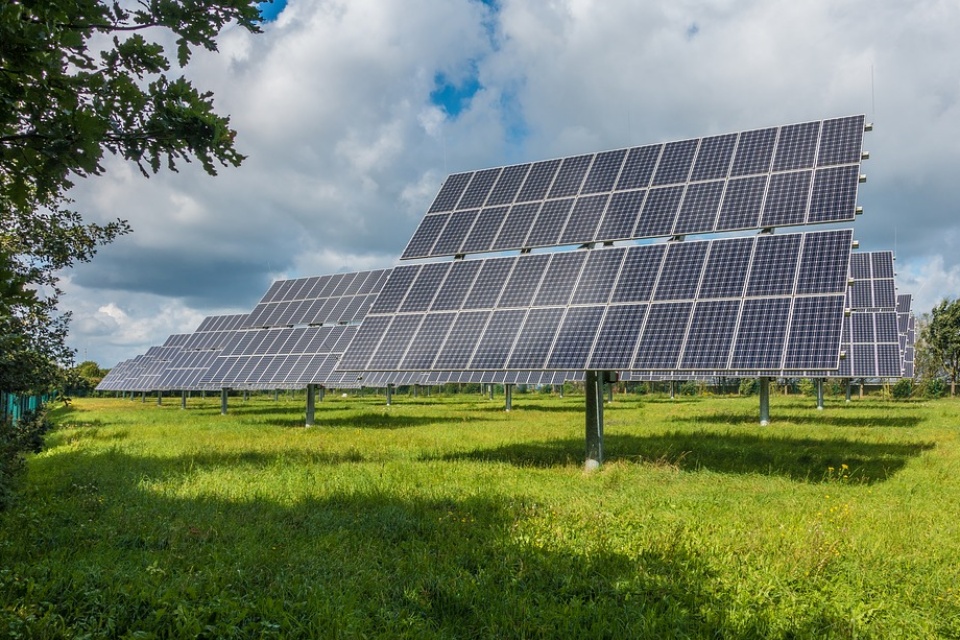
Vivo will expand its distributed generation project and increase, from 70 to 83, the number of energy plants from solar, hydraulic, and biogas sources that will be implemented in all regions of Brazil. The operator also inaugurated two new solar plants in Quissamã, in the state of Rio de Janeiro, the first of this type in the state of Rio, reaching a total of 19 plants in operation in different regions of the country. Check also: Government of Minas Gerais and EMGD Sign Agreement for the Inauguration of Five Solar Energy Generation Plants
- In Paraná, approximately R$ 21.45 billion will be invested in the construction of two new sections of railway
- Docol Invests R$ 500 million in New Factory in MG and Promises to Generate 4,500 Jobs
- Vehicles and Automotive Components Assembled in Argentina, Uruguay, and Paraguay Will Arrive Cheaper in Brazil
- Scientists Develop Thermoelectric Paint Capable of Generating Electricity from Car Exhaust
- Piauí Studies Developing Solar-Powered Stove Amid Rising Cooking Gas Prices
Vivo’s Energy Plants
Built and operated by Athon Energia, one of Vivo’s partners in the GD project, the Quissamã 100 and 200 energy plants are financed by a sustainable credit line, the so-called green bonds, certified for best ESG practices.
Together, the two energy plants have 4,800 solar panels, covering an area of 10 hectares and a capacity of 2 MW. About 90 jobs were created during construction. In the operational phase of the plant, there will be 12 jobs. The plants will supply Vivo’s consumer units in Rio de Janeiro, such as stores, base stations, and offices. With these new plants, there are already three distributed generation plants inaugurated in the state. In the coming months, Rio de Janeiro will receive five more Vivo plants, totaling eight generating plants, including five solar, two biogas, and one hydraulic.
-
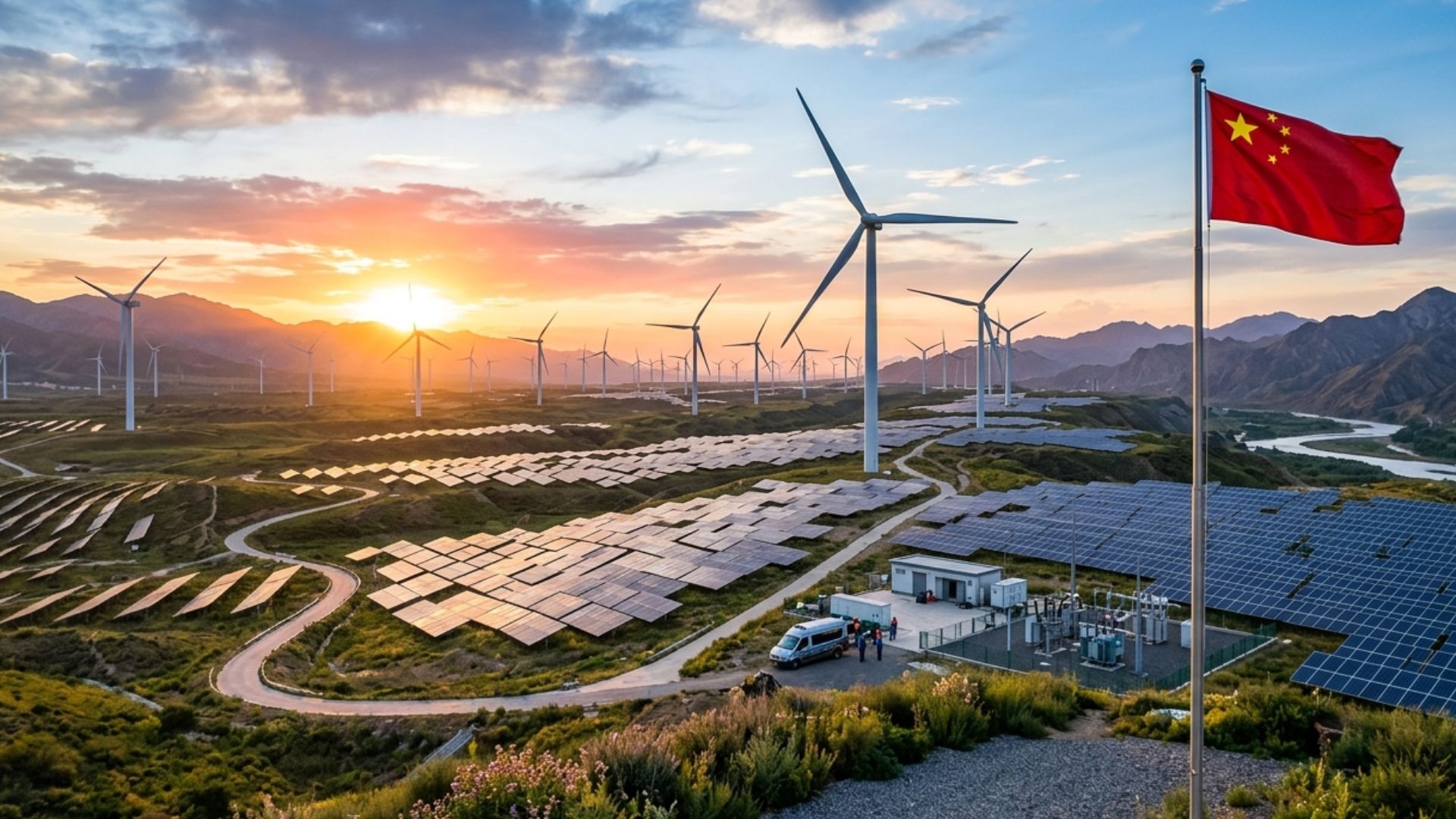
Renewable energy advances globally with Asia taking the lead; Irena’s analysis indicates a strategic progress that drives the energy transition and reduces generation costs.
-
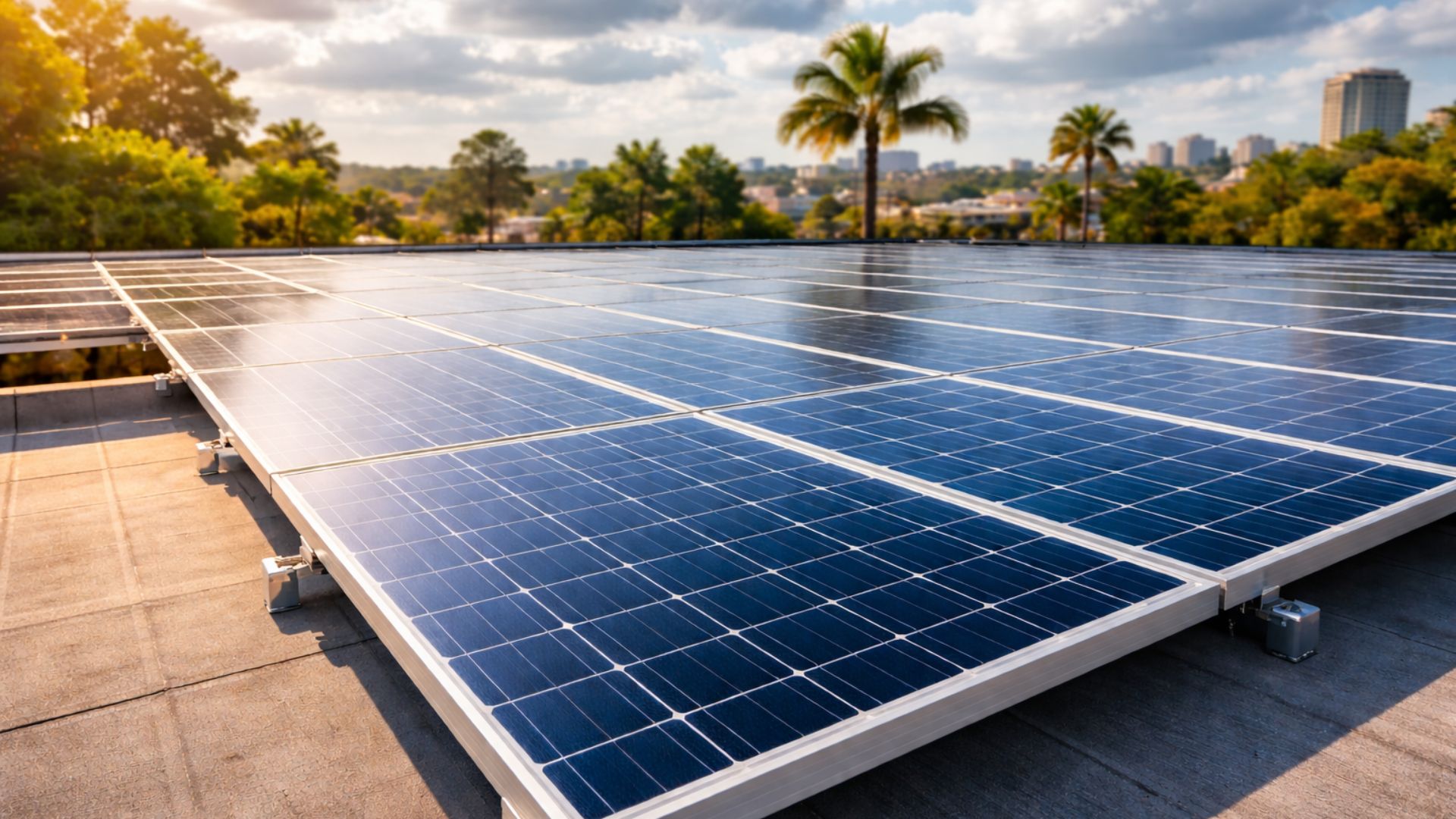
Globo broadcaster achieves 100% renewable energy and advances climate goal, strengthening environmental commitment, reducing emissions, and influencing large companies to adopt more sustainable and competitive strategies.
-
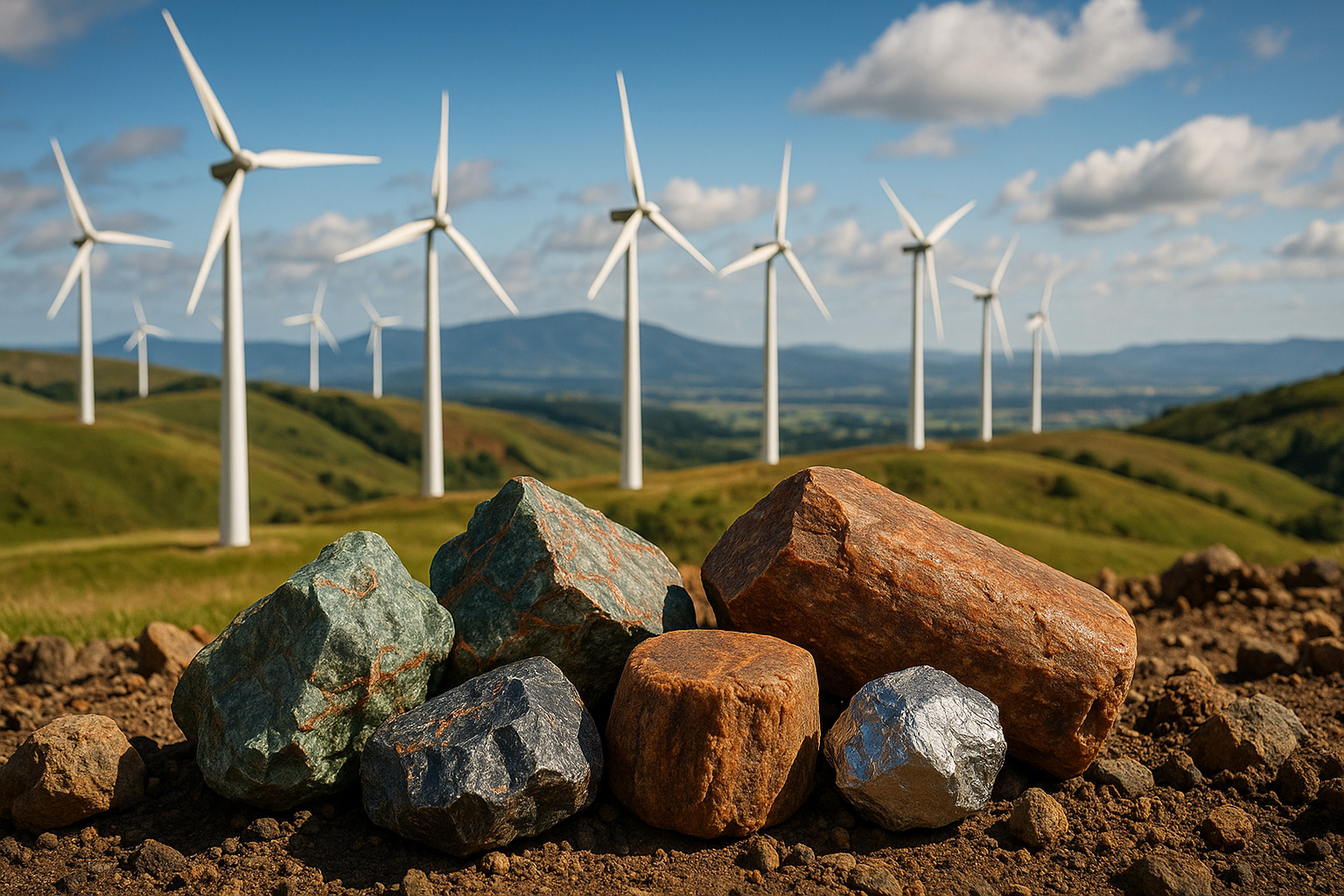
New mapping reveals the Brazilian states with the greatest potential for the production and use of green hydrogen in Brazil to lead the global market.

-
Historical drought and lack of snow in the Norwegian Alps threaten the largest clean energy reserve in Europe and could drive up electricity prices.

Utilization of 100% Renewable Energy
In 2019, Vivo became the first company in the sector to use 100% renewable energy, when it shifted from a scenario with 26% energy consumption from renewable sources – obtained both in the free market and through distributed generation – to 100%, by acquiring renewable energy certificates, the I-RECs (International Renewable Energy Certificates) from wind sources for the remaining electric energy consumption. The acquisition of the certificates and the construction of new energy plants allowed Vivo to advance its goal of being renewable by 12 years, originally set for 2030.
The use of renewable energy contributed to Vivo reducing its CO2 emissions by 70% compared to 2015, and also enabled the company to make significant progress in neutralizing its greenhouse gas emissions. “Energy consumption is considered the main responsible for CO2 emissions in the telecommunications sector. Therefore, initiatives in innovation in this area, such as distributed energy generation, are so important,” emphasizes Guimarães. The purchase of I-RECs by Vivo is expected to gradually reduce as it migrates to distributed generation.
Also Read: AXS Energia Will Invest R$ 1 Billion in 60 Solar Photovoltaic Plants in Minas Gerais
AXS Energia, the distributed generation arm of Araxá Solar, which has been active in developing the Brazilian solar sector since 2011, plans to invest up to R$ 1 billion in Minas Gerais over the next three years. A total of 60 plants will be implemented. By the end of the year, five plants will be in operation. The first, in São Gonçalo do Sapucaí, in southern Minas, is already under construction. In August, construction will begin on two more plants in the municipalities of Passos and Prata.
According to the company, Minas Gerais was chosen for the start of operations due to several favorable factors, including climatic conditions and high solar generation potential, the ability to offer competitive proposals to consumers, suitable legislation, and a receptive market. The forecast is to generate 150 jobs by the end of 2021 and more than a thousand in the following year.







Seja o primeiro a reagir!