





 English
  Francês
  Alemão
  Italiano
  Japonês
  Norueguês
  Portuguese
  Spanish
  2 min of reading


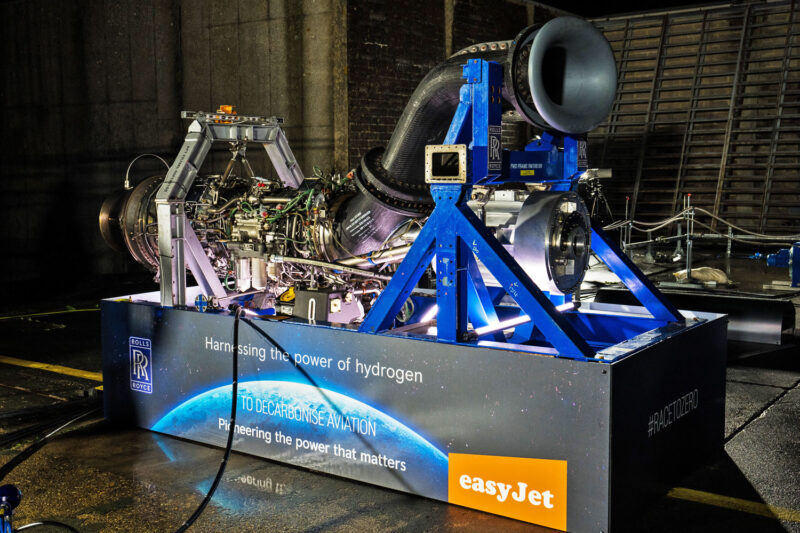
Rolls-Royce and easyJet have confirmed the world’s first operation of hydrogen-powered aircraft engines. The ground test was conducted on an initial concept demonstrator using green hydrogen generated by electrolysis with wind and tidal energy.
This is a significant milestone in demonstrating that hydrogen can be a carbon-free aviation fuel in the future, according to the companies.
Rolls-Royce and easyJet’s decarbonization efforts are also underway. Both companies are planning to conduct long-term flight tests, in addition to the second set of tests they are currently planning.
“We started looking at what could power future aircraft five years ago, and we examined battery technology because we thought it was viable for commercial aircraft. We concluded that hydrogen would not be viable for our large aircraft due to the disruption it would cause,” David Morgan, easyJet’s chief operating officer, told BBC News.
-
Engineers propose a fourth traffic light for intersections – the change promises to affect crossings, queues, and waiting times.

-
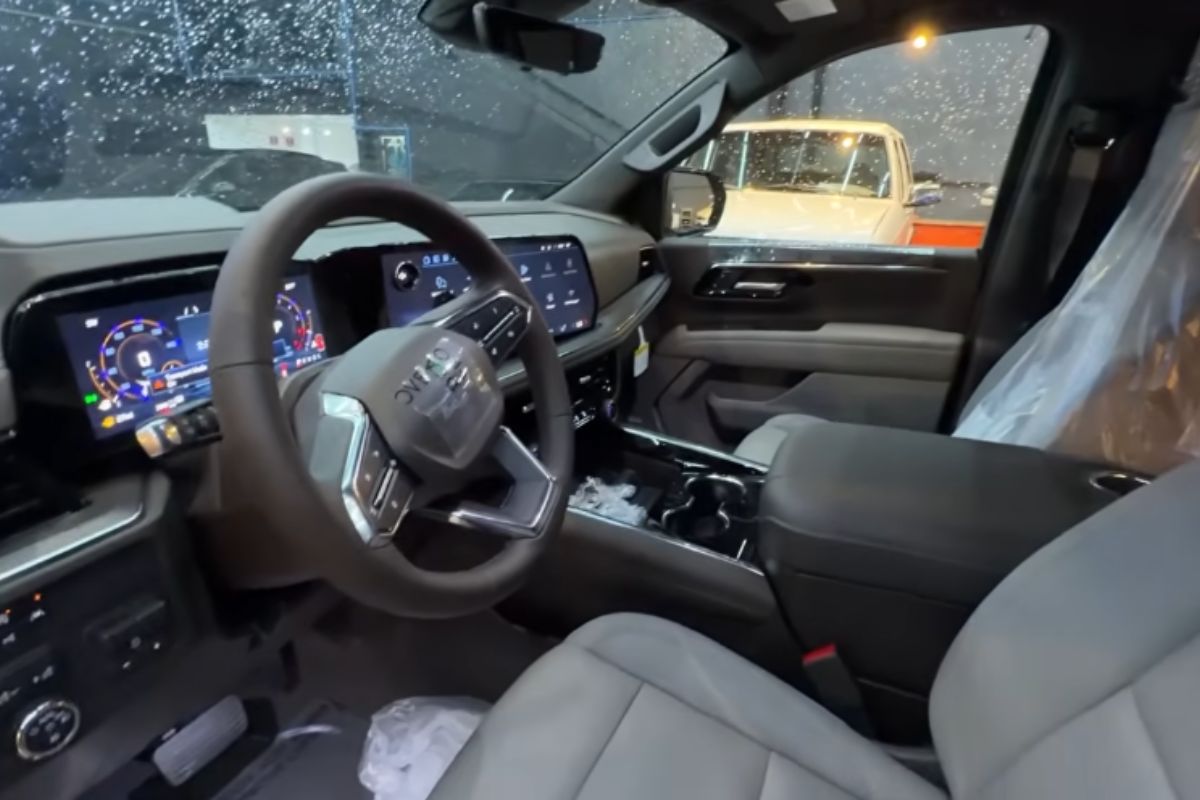
Chevrolet Suburban Z71 lands in Brazil with a V8 engine, off-road design, air suspension, seven seats, and colossal size, a rare version imported for around R$ 1.3 million with luxury and exclusivity.
-
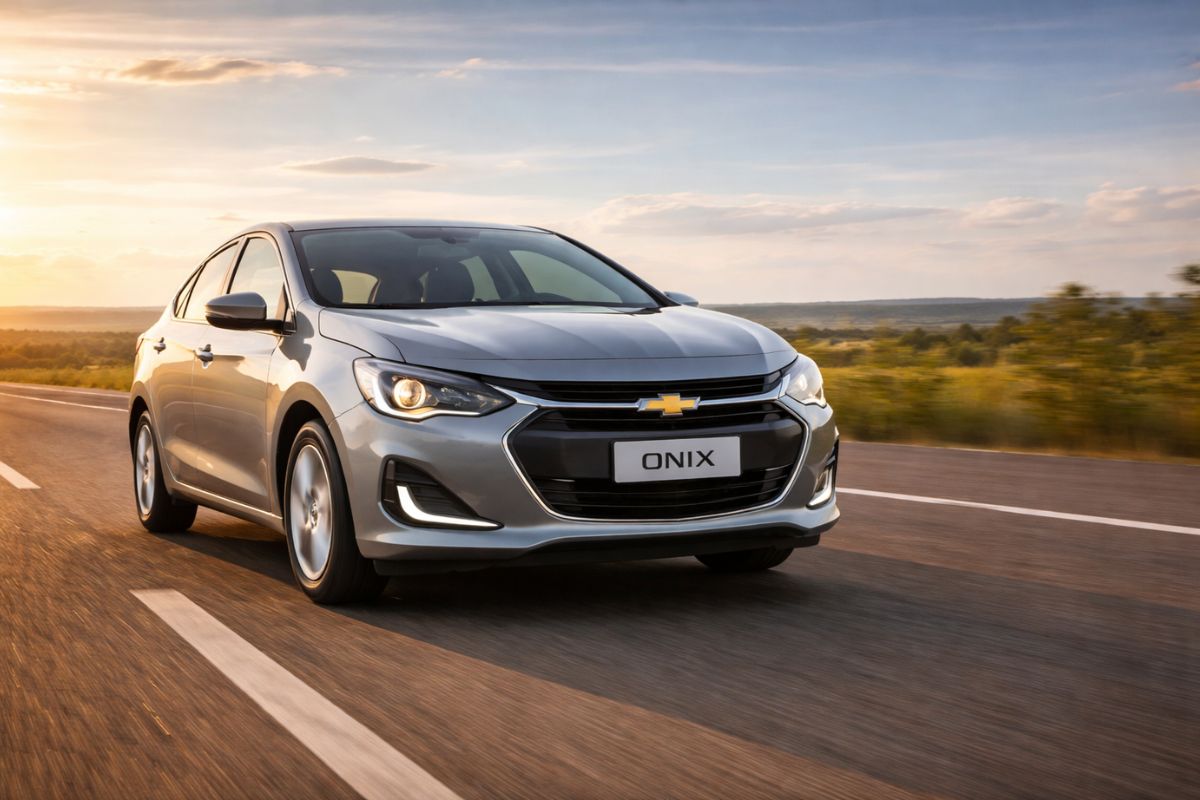
The Chevrolet Onix 1.0 turbo achieves 17.7 km per liter on the highway and ranks among the three most economical cars in Brazil in 2026, alongside two more expensive Toyota hybrids available at dealerships.
-
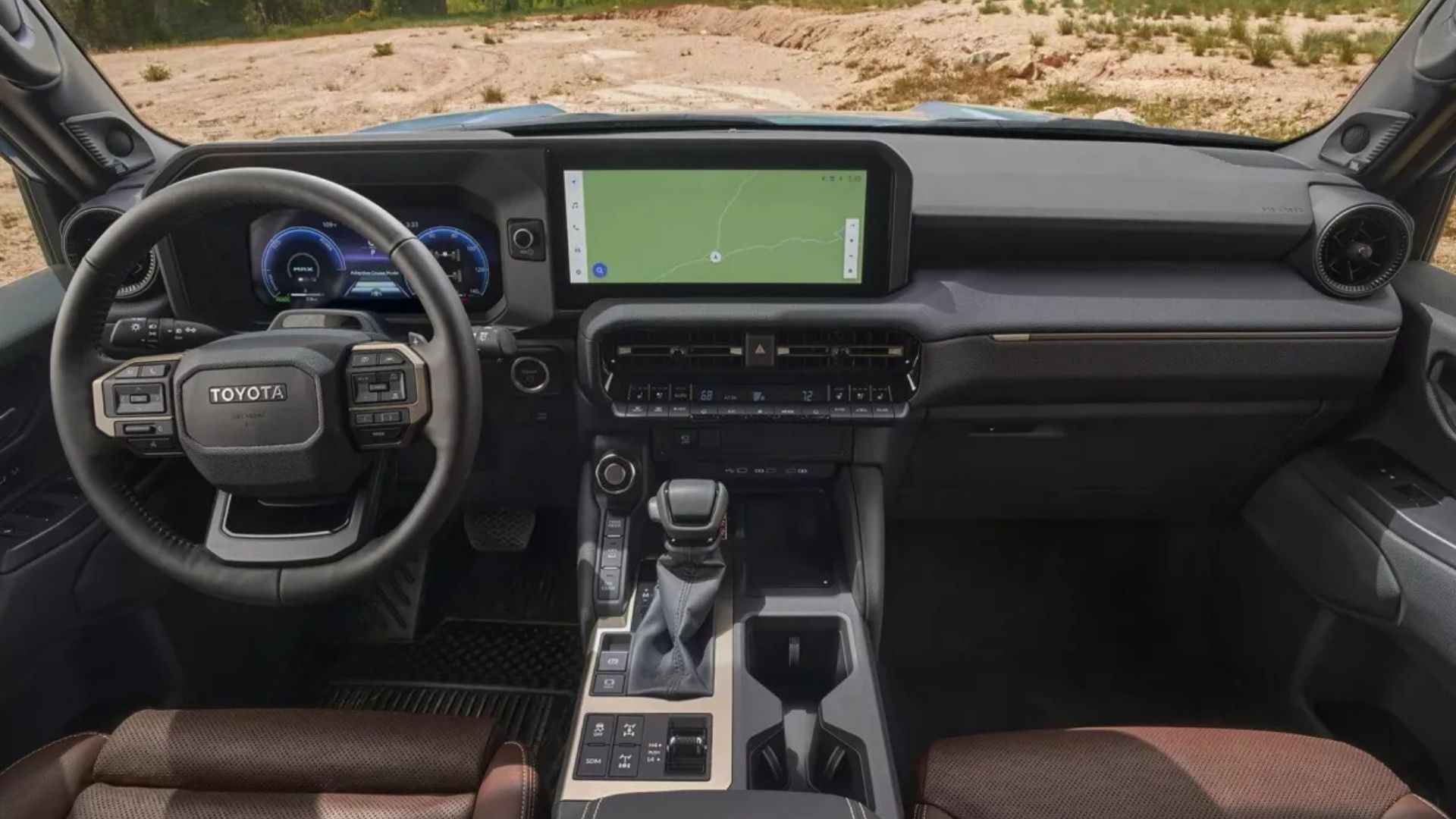
Little sister of the Hilux: Toyota launches Land Cruiser FJ with 4 radical versions, 2.7 engine with 166 hp and 4×4 traction with locking.

A regional aircraft engine, Rolls-Royce AE 2100-A, was used to test hydrogen at an external facility at MoD Boscombe Down, UK, in 2013. The EMEC (European Marine Energy Centre), which utilized renewable energy from a tidal test facility in Eday, Orkney Islands, UK, provided the green hydrogen.
Following this initial ground analysis, Rolls-Royce and the partnership plan to conduct a series of other equipment tests to achieve a real-scale ground assessment of a Rolls-Royce Pearl 15 jet engine.
At the end of September, easyJet published its plan to reduce its carbon emissions by 2050.
The carbon emission will come through fleet renewal, operational efficiency, modernization of airspace, SAF, and carbon removal technology.
According to the airline’s calculations, it will be possible to reduce its carbon emissions per passenger, per kilometer, by 78% by 2050, compared to 2019. The remainder will be offset by pollution reduction.
SOURCE: Airway








Seja o primeiro a reagir!