Portuguese
  Spanish


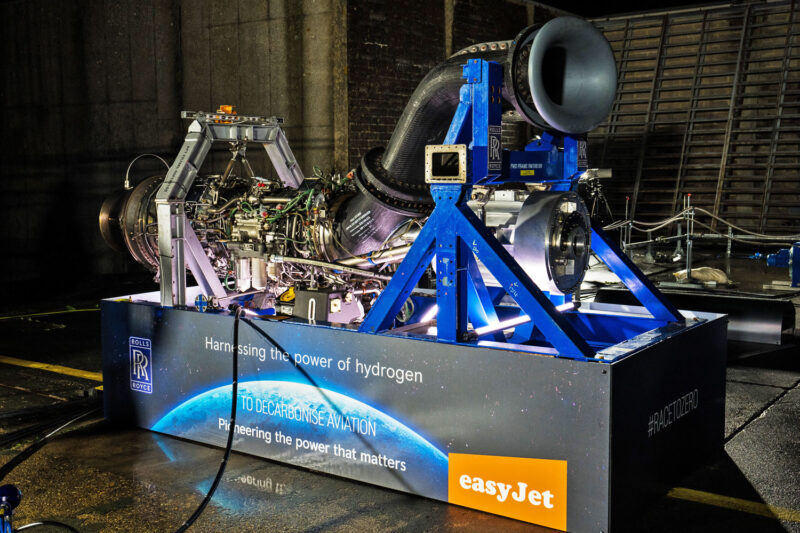

Rolls-Royce and easyJet have confirmed the world’s first operation of hydrogen-powered aircraft engines. The ground test was conducted on an initial concept demonstrator using green hydrogen generated by electrolysis with wind and tidal energy.
This is a significant milestone in demonstrating that hydrogen can be a carbon-free aviation fuel in the future, according to the companies.
Rolls-Royce and easyJet’s decarbonization efforts are also underway. Both companies are planning to conduct long-term flight tests, in addition to the second set of tests they are currently planning.
“We started looking at what could power future aircraft five years ago, and we examined battery technology because we thought it was viable for commercial aircraft. We concluded that hydrogen would not be viable for our large aircraft due to the disruption it would cause,” David Morgan, easyJet’s chief operating officer, told BBC News.
-
Sales of Brazil’s Cheapest Electric Car Halted Before First Deliveries: E-Motors Suspends Emova Easy Due to Import Tax Increase and Rising Freight Costs

-
Nissan Discontinues Qashqai SUV Amid Cost-Cutting, Chinese Competition, and Product Line Review

-
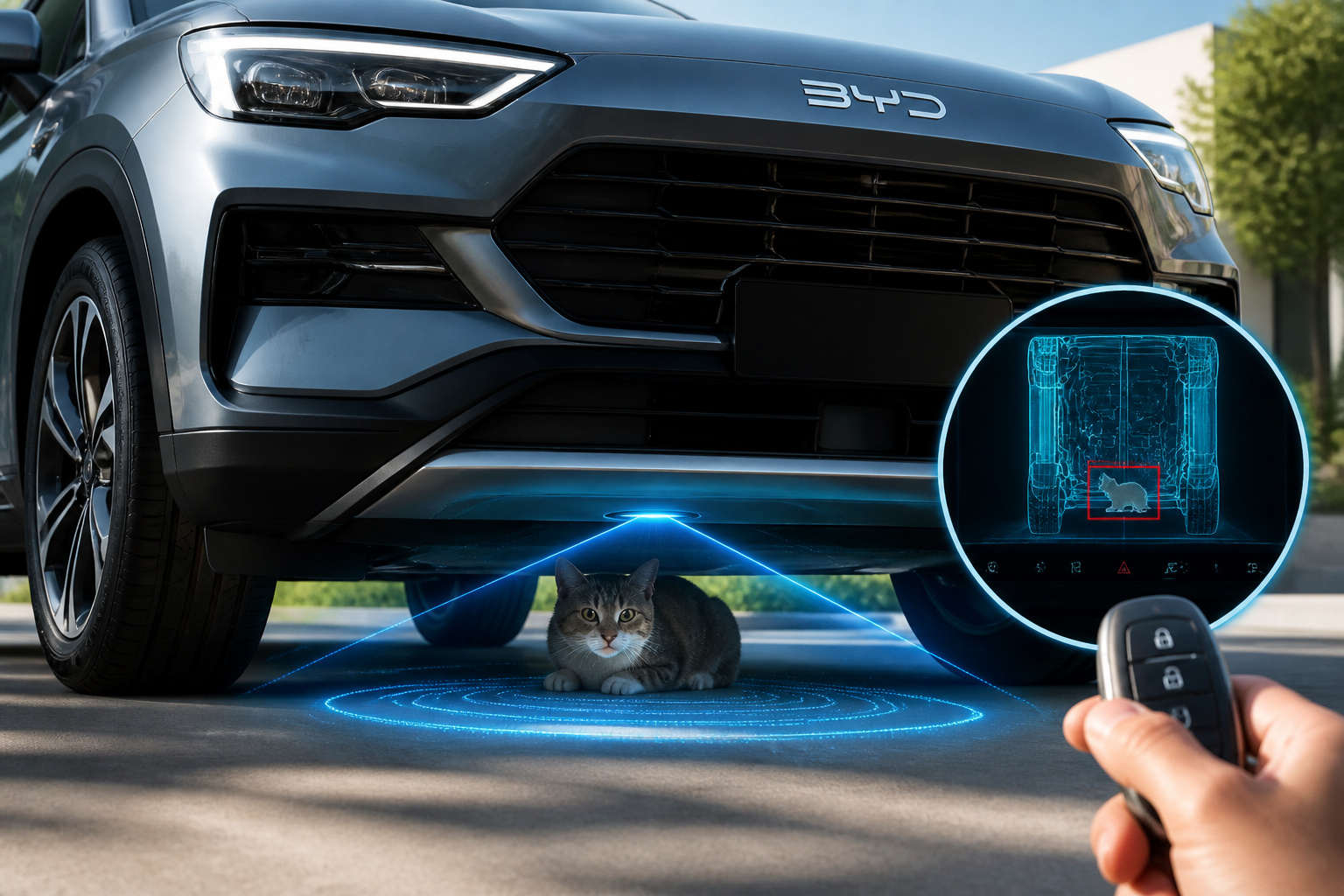
BYD Patents Revolutionary System Using Computer Vision to Detect Animals Under Cars Before Starting, Preventing Tragedies

-
Study Reveals Why Cars Are More Expensive to Produce and Buy in Brazil Compared to Mexico, Highlighting Taxes, Logistics, and Industrial Costs as Key Factors.



A regional aircraft engine, Rolls-Royce AE 2100-A, was used to test hydrogen at an external facility at MoD Boscombe Down, UK, in 2013. The EMEC (European Marine Energy Centre), which utilized renewable energy from a tidal test facility in Eday, Orkney Islands, UK, provided the green hydrogen.
Following this initial ground analysis, Rolls-Royce and the partnership plan to conduct a series of other equipment tests to achieve a real-scale ground assessment of a Rolls-Royce Pearl 15 jet engine.
At the end of September, easyJet published its plan to reduce its carbon emissions by 2050.
The carbon emission will come through fleet renewal, operational efficiency, modernization of airspace, SAF, and carbon removal technology.
According to the airline’s calculations, it will be possible to reduce its carbon emissions per passenger, per kilometer, by 78% by 2050, compared to 2019. The remainder will be offset by pollution reduction.
SOURCE: Airway