





 Portuguese
  English
  Spanish
  5 min of reading
  0 comments


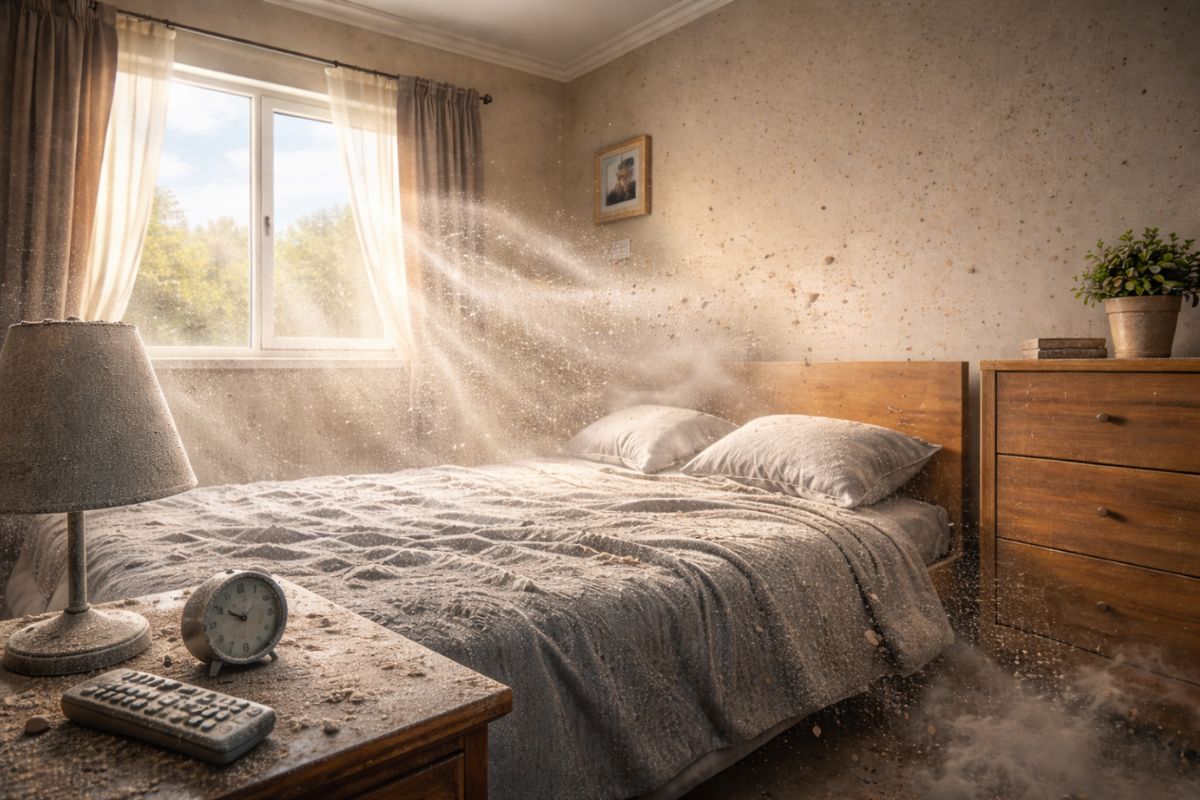
Dust Does Not Appear by Magic Nor Does It Depend on Open Windows to Emerge: It Is Already in the Environment, Comes from Us, from the Furniture, from the Walls, and Continues to Accumulate Silently Even When the Room Is Left Unused for Months.
Dust often causes strangeness when it appears in a room that has been closed for a long time. The scene seems contradictory: locked doors, closed windows, no one entering, no apparent movement. Still, when the environment is reopened, a gray layer covers furniture, surfaces, and corners as if it had emerged from nowhere.
But the explanation for dust is far from mysterious. What seems like a sudden accumulation is actually the result of slow, continuous, and almost invisible processes that continue to occur even in a stagnant room. The room is not truly isolated from the world, and the environment itself keeps producing particles all the time.
What Dust Really Is
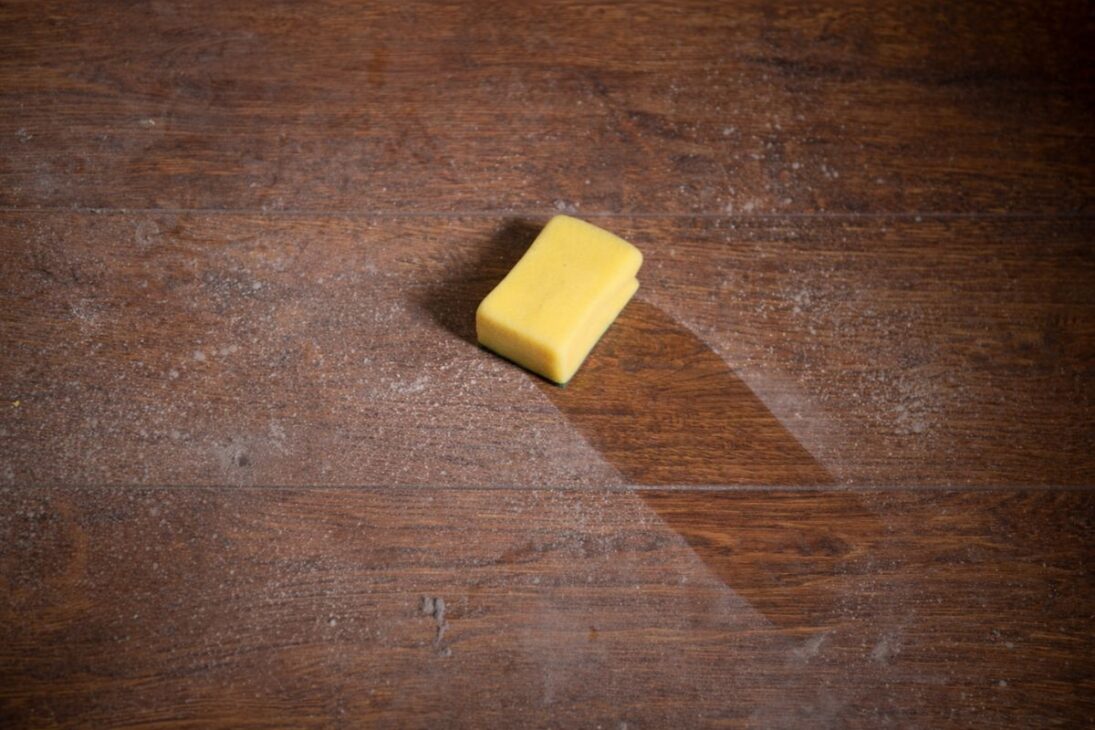
To understand why dust returns, one must first look at its composition. It is not just ordinary dirt or something that entered from the street. Household dust is a microscopic mixture of various materials that already exist inside the house.
-
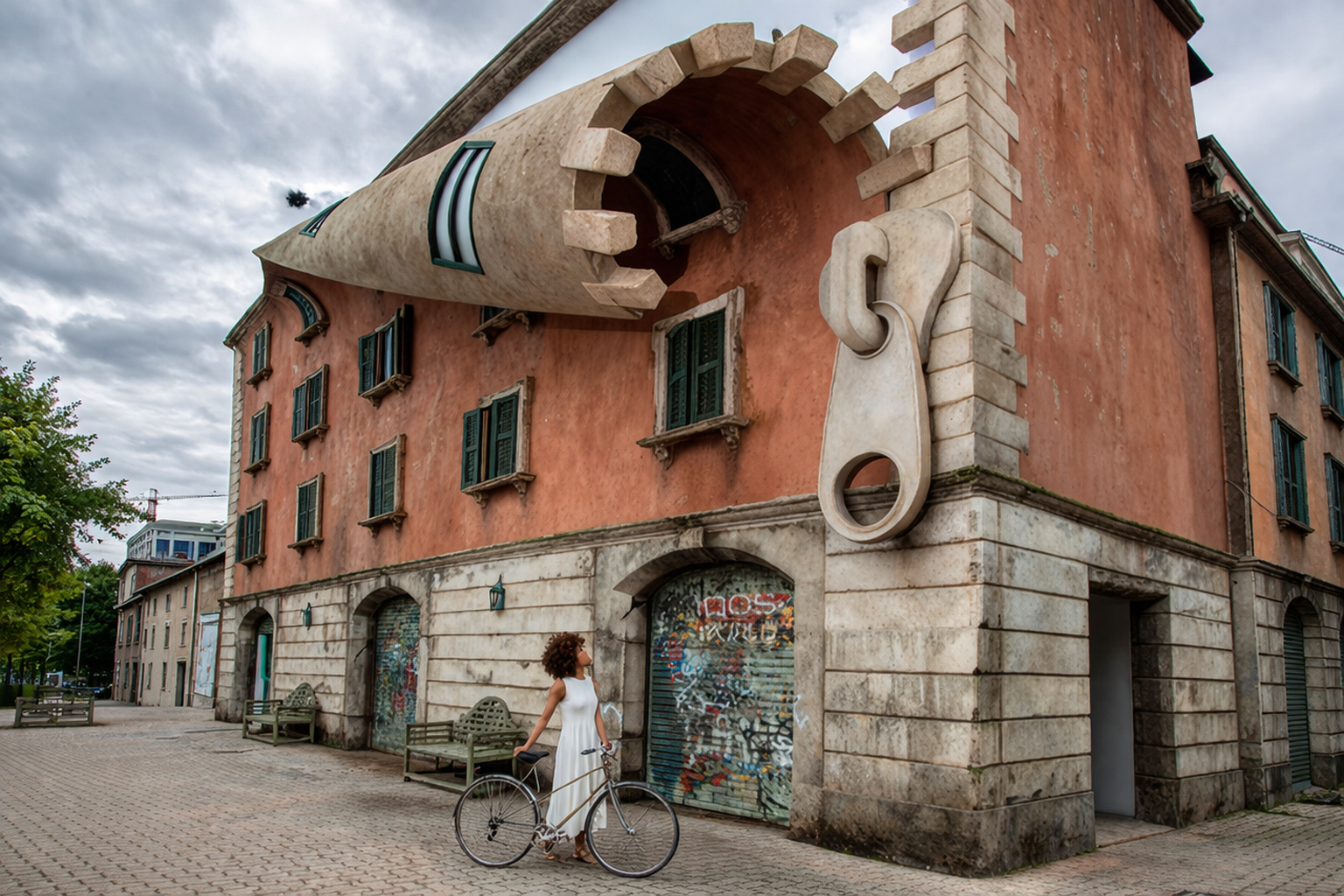
With a façade that resembles a giant zipper, the building in Milan creates a sense of strangeness, featuring lighting that transforms engineering and attracts the attention of residents and tourists.
-
The Brazilian city has 319 crooked buildings built on sandy soil without proper deep foundations, houses the largest beach garden in the world, with over 5 km, and is still considered the birthplace of surfing — meet Santos, in São Paulo.

-
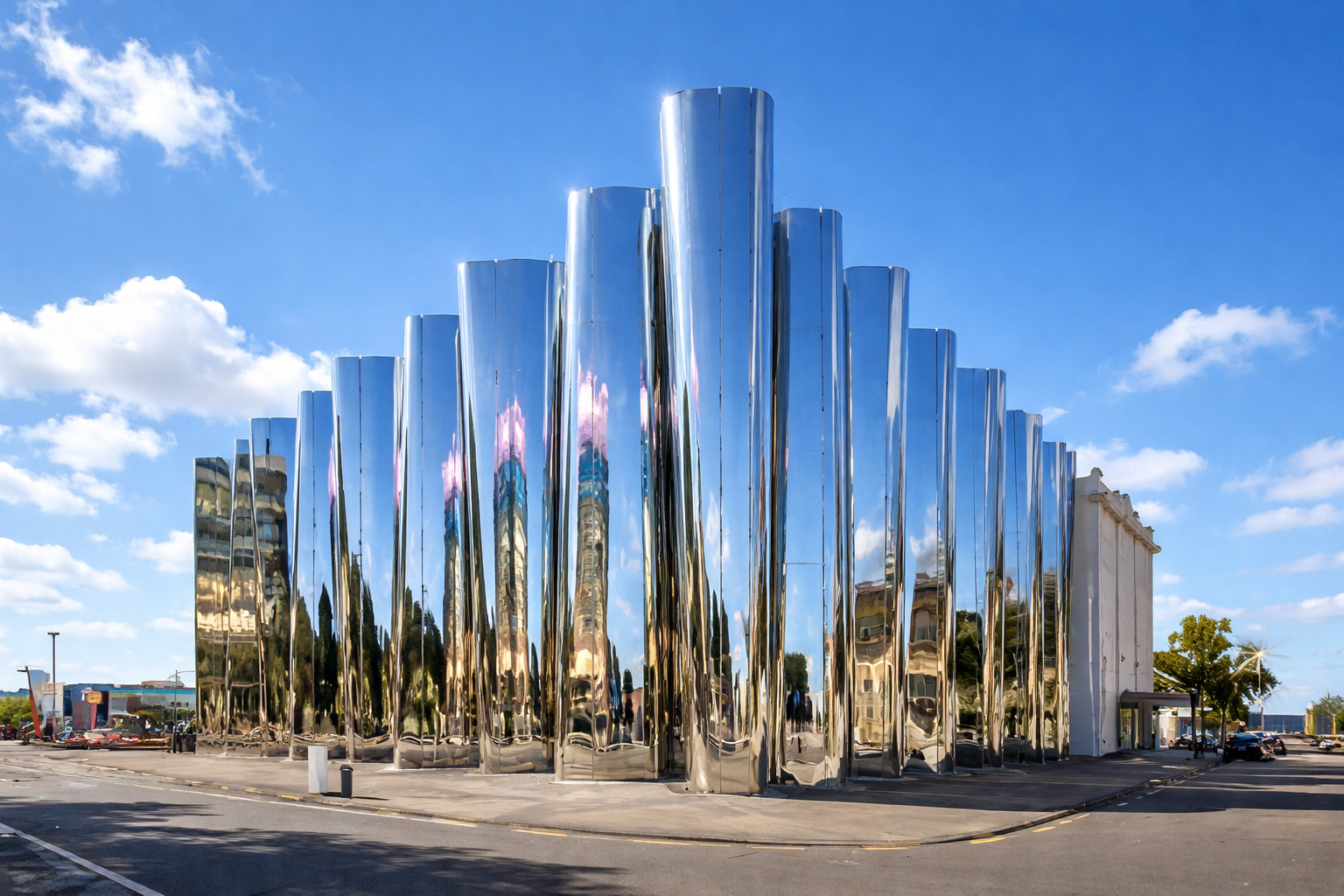
New Zealand builds a shimmering building that vibrates, featuring a 62-seat cinema, moving sculptures, and an environment where sound, light, and energy are felt in the body.
-
Two colored cubes of 2.5 m transform a public bathroom into a selfie spot in Western Australia, costing up to 75% less than traditional construction and helping to reduce vandalism in public spaces.


A large part of this dust comes from the human body itself. Dead skin cells, hair fibers, and small fibers that unravel from clothing help form this layer that later appears on the furniture.
Even when no one is in the room at that moment, these particles were already there before, dispersed in the air, hidden in fabrics, or deposited on less visible surfaces.
Dust Also Originates Inside the Room Itself
Besides what comes from people, the environment also produces its own dust. Curtains, carpets, furniture, paints, wood, insulation, and even parts of the structure release particles over time. Nothing remains completely intact on a microscopic level.
This means that the room does not solely depend on external air to accumulate dust. The room itself is constantly releasing tiny fragments, which add up to the other material already present in the environment.
Gradually, all this settles and forms the visible gray layer after days, weeks, or months.
Closed Environments Are Not Totally Hermetic
One of the biggest surprises of this phenomenon is realizing that a closed room is not a truly sealed space.
Even with doors and windows tightly closed, there are always small gaps, imperfect seals, passages in outlets, frames, and points where air still circulates slowly.
This movement is discreet but sufficient to influence the behavior of dust. Changes in temperature, pressure variations, and alterations in the external climate cause air to enter and exit the environment almost imperceptibly. Buildings breathe all the time, and this gentle flow can bring new particles inside.
Air Moves Even When the Room Seems Stagnant
Another important point is that the air in a closed environment does not remain still. Throughout the day and night, heat changes, air rises and falls, and small thermal currents form within the room. This movement stirs up particles that were already settled and causes them to circulate again.
Thus, dust does not just fall once and stay in the same place forever. It rises, falls, spreads, redistributes, and only then lands again.
It is this silent cycle that makes the accumulation seem continuous, even without any direct human interference.
Why Unused Rooms Seem Dustier
It may seem contradictory, but a room that is frequently used sometimes appears less dusty than a closed room. This happens because inactivity creates the ideal scenario for dust to settle quietly on surfaces.
Without intense circulation of people, without regular cleaning, and without stronger disturbances in the air, dust will settle slowly.
Gravity acts without interruption, and the particles end up covering shelves, tables, floors, and furniture more uniformly. The stationary room offers exactly the silence that dust needs to accumulate.
Gravity Is a Constant Ally of Dust


Once the particles are suspended, gravity begins to do its work continuously. In busy environments, some of the dust circulates again with footsteps, door openings, and cleaning. In a closed room, this process of falling happens with less interference.
That’s why horizontal surfaces tend to accumulate more dust. Tables, shelves, floors, and tops become perfect landing areas for microscopic particles that take days to slowly descend until forming a noticeable layer. It’s not that dust appears suddenly, but rather that it lands without being disturbed.
Humidity Can Worsen the Problem
The presence of humidity makes the accumulation even more evident. When there is more water in the air, dust particles absorb some of that humidity and become heavier.
Instead of just floating or being easily displaced, they tend to adhere more strongly to surfaces.
This helps explain why certain closed rooms seem to have thicker, grayer dust that is difficult to remove.
It’s not just about quantity, but also adhesion. The layer stops being loose powder and starts requiring more friction when it comes to cleaning.
The House Also Ages Silently
There is still one detail that many people overlook: the materials of the house themselves wear down continuously.
Walls, ceilings, paints, wood, and even more resistant structures release tiny fragments because of time, thermal variations, and natural aging.
In other words, the house also contributes to the formation of dust. This idea may seem strange at first glance, but it helps explain why accumulation continues even in seemingly isolated spaces. The environment is not truly stagnant. It is changing all the time on a microscopic scale.
Why Dust Seems to Come Back Relentlessly
The most honest answer is simple: dust never stops being produced, displaced, and deposited. The accumulation does not depend on an isolated event, but on a constant sum of shedding, air circulation, temperature changes, gravity, and material wear.
When the room is reopened after a long time, what you see is just the visible phase of all this. The dirt did not appear at that moment.
It formed particle by particle, silently, throughout the entire period the room was closed.
What This Phenomenon Reveals About Closed Environments
In the end, dust in stationary rooms shows that even the quietest spaces remain active.
Even without people, footsteps, and open windows, there is still air circulation, slow decomposition of materials, and continuous sedimentation of particles.
That’s why a closed environment can seem clean the moment you close the door, and then some time later, reappear covered by a gray layer.
The quietness is only apparent. The room continues to undergo invisible transformations, and dust is one of the clearest signs of this.
And you, have you ever opened a closed room after a long time and been surprised by the amount of dust accumulated?







-

-

2 pessoas reagiram a isso.