





 Portuguese
  English
  Spanish
 4 min of reading
  0 comments


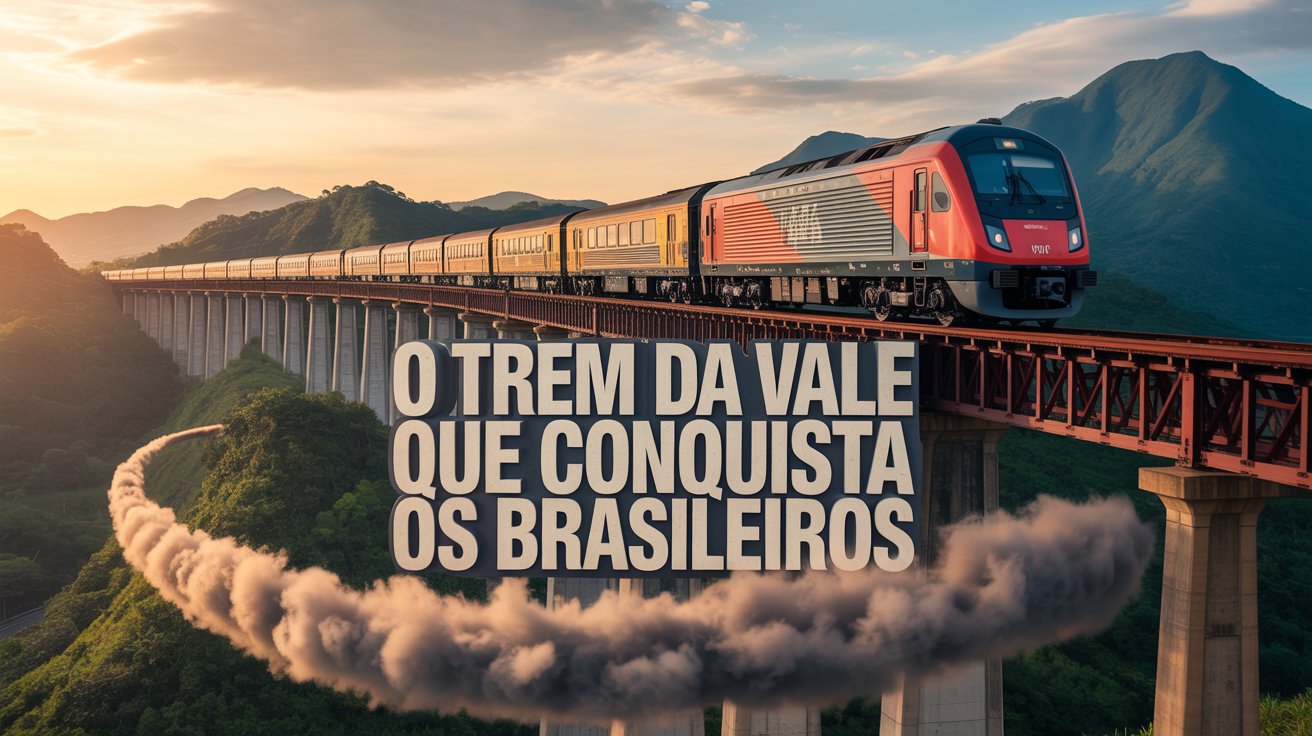
Discover The Train Journey That Combines Natural Beauty With An Uncomfortable Secret, Among Breathtaking Landscapes And An Unpleasant Black Dust.
The train journey that connects Belo Horizonte, the capital of Minas Gerais, to Cariacica, in the metropolitan region of Vitória, Espírito Santo, offers a unique experience filled with stunning natural landscapes and a little-known history to the general public.
Over 664 kilometers, passengers travel a route that lasts about 13 hours, crossing mountainous regions, abundant rivers, and a variety of biomes ranging from the Atlantic Forest to the Cerrado.
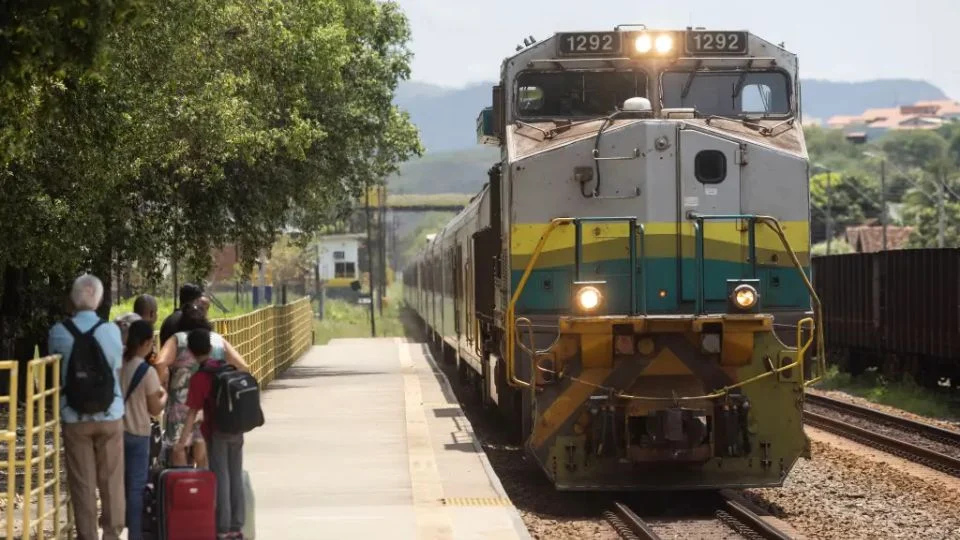
According to information from the Vitória-Minas Railway, this is the only tourist railway in daily operation in the country, reinforcing its unique character in the national scenario.
-
He started running at 66 years old, broke records at 82, and is now a subject of study for having a metabolic age comparable to that of a 20-year-old, in a case that is intriguing scientists and inspiring the world.

-
Oldest tree on the planet reappears after 130 years of searches: Wattieza, 385 million years old, was 10 meters tall and had no leaves or seeds; Gilboa fossils in New York solved the mystery in 2007.

-
A 48-square-meter house assembled in hours with 4,000 bricks made of recycled plastic that does not absorb moisture, has natural thermal insulation, and costs less than 90,000 reais in a complete kit.

-
Luciano Hang revealed that Havan’s air fleet has already accumulated more than 20,000 landings, 10,000 flight hours, and 6 million kilometers traveled, and he says that without the planes, the company would never have grown so quickly.


The route has 30 stops for boarding and disembarkation, with 21 in the state of Minas Gerais and nine in Espírito Santo.
Besides being a tourist route, the train serves as a fundamental means of transport for the communities in the region, transporting around 700 thousand passengers per year.
Inaugurated in 1904, the Vitória-Minas Railway was created to transport coffee production and has remained active since then, adapting to the demands of passenger and cargo transportation.
Today, the railway also plays a crucial role in transporting important commodities for the Brazilian economy, such as iron ore, soybeans, and fertilizers.
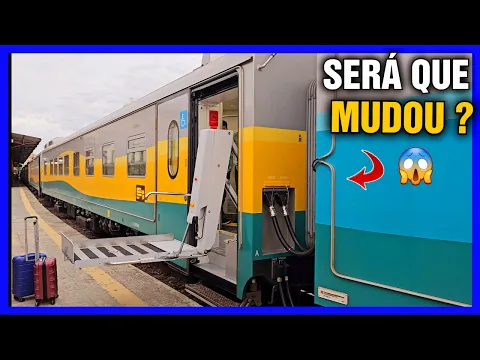
The train offers comfort and modernity: all cars are equipped with air conditioning set to 23°C, onboard service with a variety of snack options, and audiovisual entertainment on monitors installed in all classes, from economy to executive.
In operation since 2014, the cars were manufactured in Romania and make up trains with an average of 16 cars, which include a snack bar and a restaurant with eight tables, providing pleasant breaks for meals during the journey.
As a result, the Vitória-Minas Railway has become the only railway in Brazil to offer daily long-distance services with passenger trains, establishing itself as a differentiated alternative for those looking to explore the interior of Southeastern Brazil.
Historical Stops And Regional Relevance
Among the historical stops along the route, the Aimorés station stands out, nicknamed “Aimorezinho,” inaugurated in 1882 and considered the first stop on the line in Minas Gerais territory.
This station is a symbol of the railway’s importance for regional development, as it connects the capital of Espírito Santo to the Vale do Rio Doce, integrating communities and economies.
The Secret Behind The Train: Environmental Pollution
However, the journey and the railway hold a secret that goes beyond natural beauty and a century-old history: environmental pollution generated by the economic activities linked to the train’s operation.
Operated by the mining company Vale S.A., the railway is not only for tourism — its main role is to transport iron ore to the Port of Tubarão in Vitória, one of the Brazilian cities most affected by air pollution.
According to reports from residents and environmental agencies, the region suffers daily from the presence of what is called “black dust,” fine particles that disperse into the air due to the mining operations, affecting the quality of life of the population.
Since 2015, residents have reported the situation, leading to the creation of the Parliamentary Commission of Inquiry (CPI) on black dust, formed by councilors from the capital of Espírito Santo to investigate the environmental and social impacts of the pollution.
In 2018, Vale received warnings to implement actions to reduce pollutant particle emissions, based on a study conducted by the Environmental Company of the State of São Paulo (CETESB) and commissioned by the State Institute of Environment and Water Resources of Espírito Santo (IEMA).
The report highlighted that, although there is a waste treatment system at the Tubarão Complex, a significant volume of fugitive emissions — those escaping control — still compromise air quality.
Aladim Cerqueira, the state secretary of Environment and Water Resources, stated that the main challenge is to improve production processes to make existing systems and technologies more efficient, as well as to invest in structural improvements, such as paving roads and closing conveyor belts.
Since then, the mining company has implemented a series of interventions, including covering Plant 8 in the Tubarão Complex in 2022, aiming to contain the dust emissions generated in the handling of ore and other steel materials.
This action is part of Vale’s Environmental Master Plan, which outlines 160 measures to mitigate environmental impacts in Greater Vitória and promote air quality improvement in the metropolitan region.
Even with these initiatives, the “black dust” remains a chronic problem for residents, who deal daily with health risks caused by continuous exposure to harmful particles.

A Complex Portrait Of The Railway
The train journey, therefore, reveals a complex and paradoxical portrait: a route surrounded by natural beauty and an important social function, but also a warning about the environmental challenges generated by one of the world’s largest mining companies.
Did you already know about this railway route and the challenges it brings to the local population?
How do you see the balance between economic development and environmental preservation in this context?







Seja o primeiro a reagir!