





 Portuguese
  English
  Spanish
 5 min of reading
  4 comments


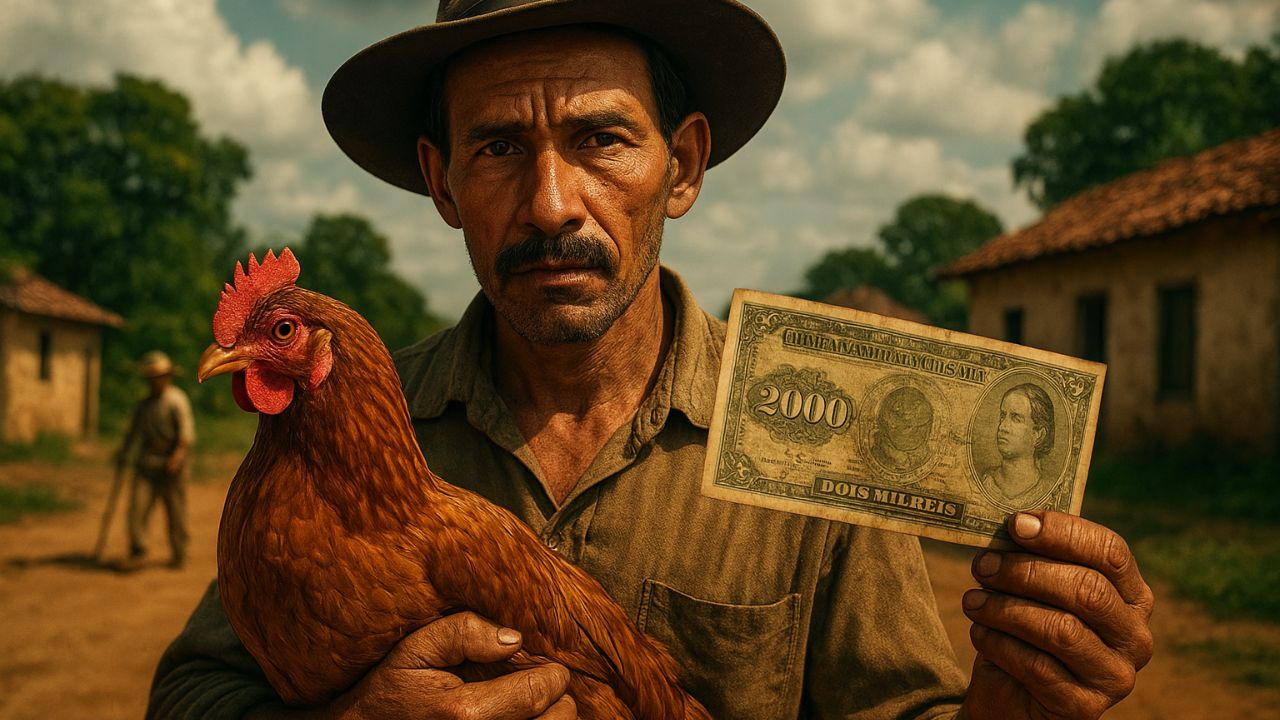


From The Economy In Reis To The Hat-Wearing Fashion, Discover How Brazilians Lived In An Agrarian Nation With 80% Illiteracy And Rio De Janeiro As The Capital.
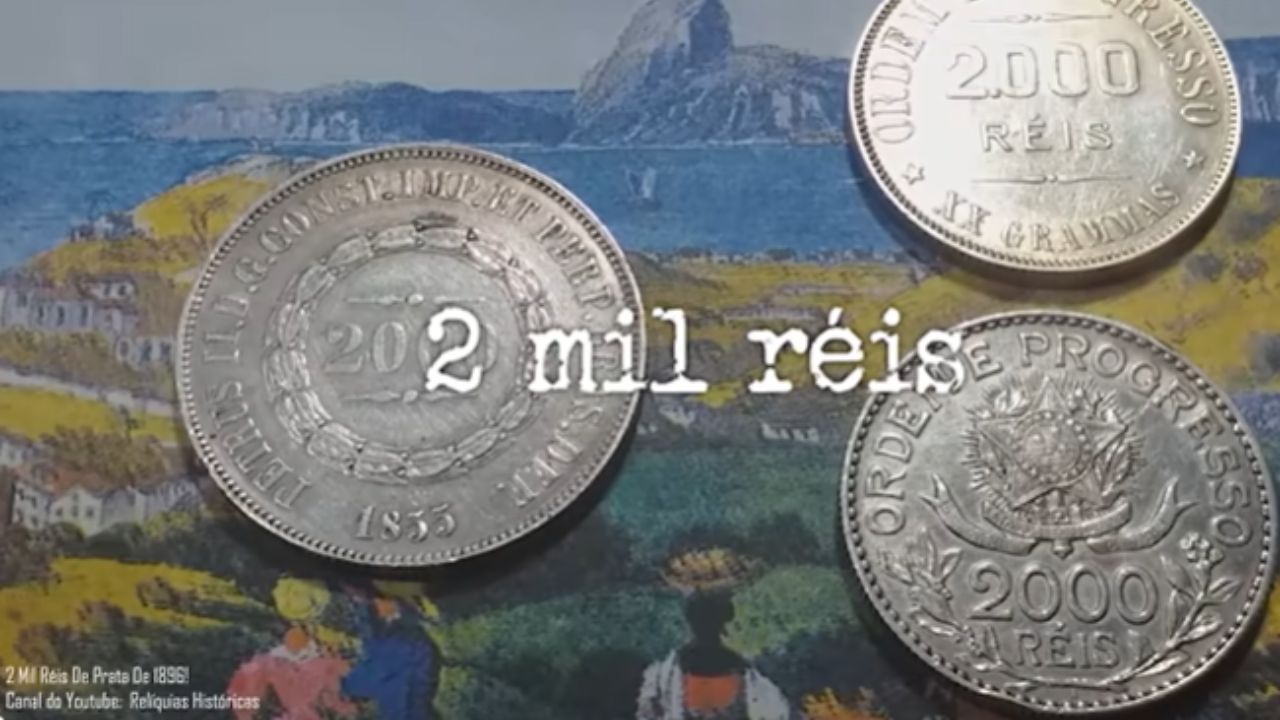
The Brazil 100 Years Ago Was A Country Of Deep Contrasts, A Nation With About 30 Million Inhabitants Trying To Balance The Modernity Of Growing Cities With A Predominantly Agrarian Structure. In The 1920s, While The First Cars Were Being Assembled In São Paulo And Rio De Janeiro Thrived As The Federal Capital, The Reality For Most Of The Population Was Marked By Challenges That Are Unimaginable Today. The Currency Was The Reis, And The Purchasing Power Was Drastically Different: With Two Thousand Reis, One Could Only Buy A Chicken, As Pointed Out By The Portal Unknown Facts.
This Scenario Of Intense Social, Political, And Cultural Transformation Shaped A Very Particular Daily Life. Inequality Was Not Only Economic But Also Intellectual, With Illiteracy Rates Hovering Around 80% Of The Population. Living In Brazil 100 Years Ago Meant Belonging To A World Where Access To Education Was A Privilege For A Few, Politics Was A Cauldron Of Military Uprisings, And Cultural Life Exploded With New Trends, Music, And The Passion For A Sport That Was Just Starting To Become A National Obsession: Football.
Economy And Society: The Educational Abyss Of The 1920s


The Social Structure Of The Brazil 100 Years Ago Was Visibly Fractured, And Education Was The Main Thermometer Of This Inequality. According To Data From The Time, Compiled By Sources Like IBGE In Historical Analyses, About 80% Of Brazilians Were Illiterate. The Difficulty Went Beyond Reading: Many Could Not Even Write Their Own Names, And Basic Mathematical Operations Were A Complex Challenge. There Was No Organized And Centralized Public Education System Like The One Managed By The Ministry Of Education (MEC) Today, Which Perpetuated A Cycle Of Exclusion.
-
A view from space in a NASA image shows a gigantic volcanic crater 1 km wide in the middle of the Sahara, revealing a frightening formation that resembles a giant skull looking out into the universe and turning the desert into an otherworldly landscape.

-
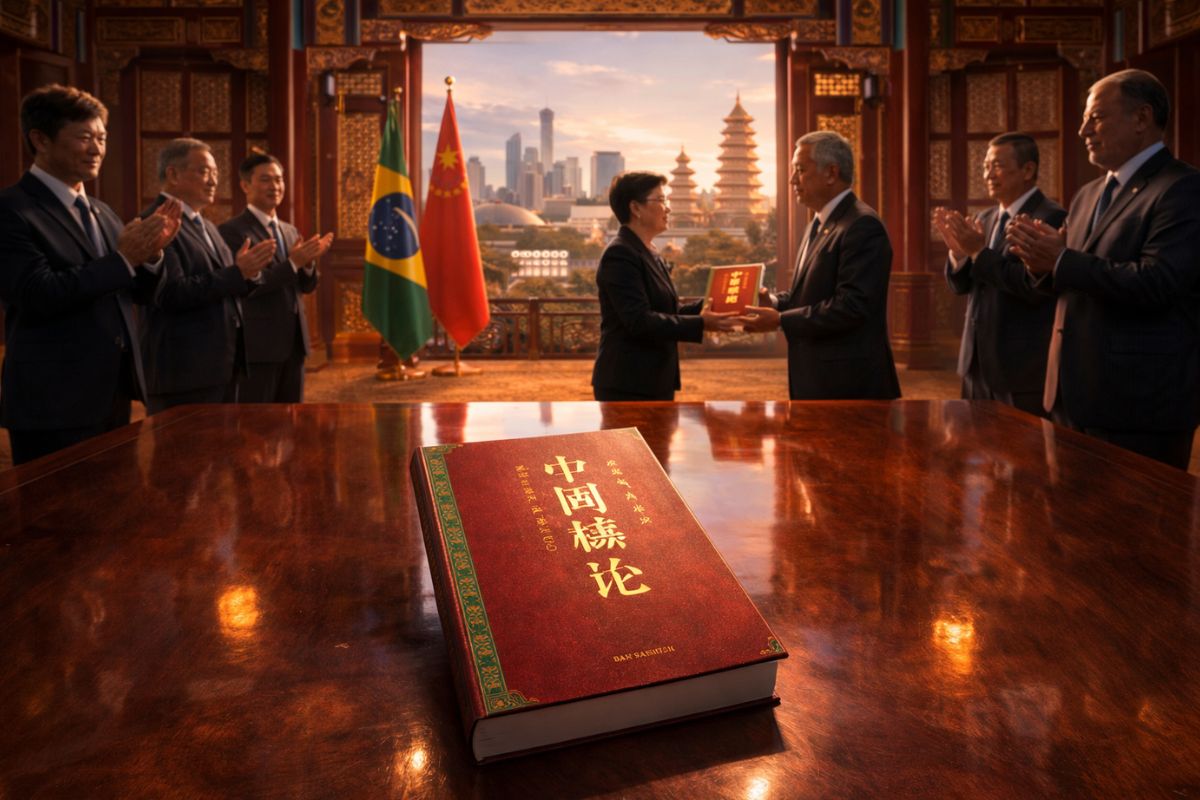
The Chinese translator said that the time has come for China to understand Brazil beyond trade, and now The Brazilian People by Darcy Ribeiro is receiving its first edition in Mandarin with a ceremony in Beijing and the delivery of the volume to six of the largest academic institutions in the country.
-
Backpack theft in pub ends with Fabergé egg, watch, cigars, rare jewelry, and other luxury accessories worth R$ 15 million missing.

-
With tons of daily production, a potato famous for its curved shape surprises with a standardized industrial process, a dough that includes dehydrated potato flakes and a crunch that impresses the entire world.

This Lack Of Access To Formal Knowledge Deepened Economic Disparities, As Highlighted By Unknown Facts. While The Social Columns Of Elite Magazines Displayed Photos Of Elegant People In Exclusive Clubs, Other Publications, Such As The Magazine Careta, Showed The Harsh Reality Of Toy Distributions For Needy Children. The Country Was Practically Divided Between A Small Literate Elite And An Immense Mass Population With Limited Access To Opportunities, Living Off An Economy Based On The Export Of Coffee And A Still Incipient Domestic Market.
Urban Life: Rio As The Capital And The Rise Of São Paulo
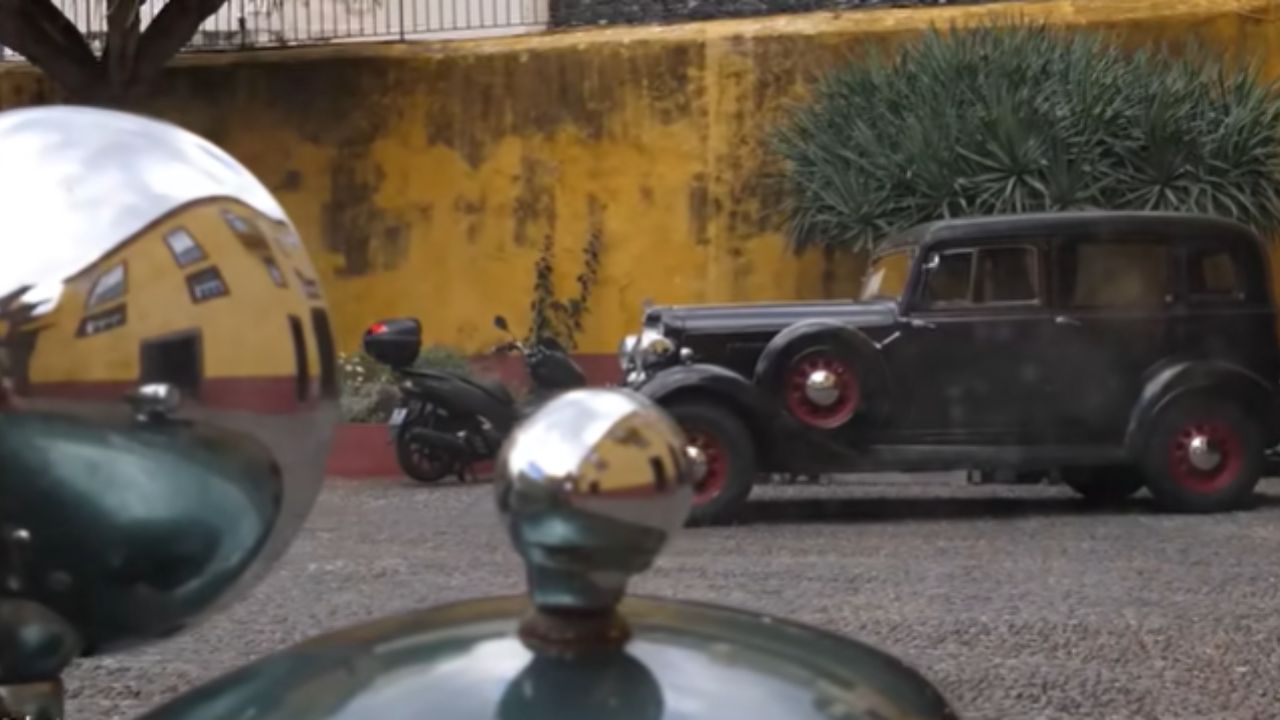
Unlike Today, The Capital Of Brazil Was Rio De Janeiro, The True Center Of Political, Economic, And Cultural Decisions In The Country. The City Hosted Imposing Buildings Like The Monroe Palace, Which Hosted The Senate And The Chamber Of Deputies Before Being Demolished In 1976. Carioca Life Was Vibrant, With Its Beaches, Theaters, And An Intense Social Agenda That Even Included Visits From European Royalty, Such As That Of King Albert I Of Belgium, Who Shocked Society By Disregarding Protocols And Taking A Bath In Copacabana.
Meanwhile, São Paulo Was Already Emerging As The Metropolis Of The Future. The Coffee Culture Was Still The Major Driving Force Of The Economic Landscape Of São Paulo, But Industrialization Was Gaining Traction. It Was In The 1920s That The First Automobile Factories Began Assembling Vehicles In Brazil, Attracting Curious Onlookers To See The Production Line Up Close. The Urban Landscape Of São Paulo Was Composed Of Small Markets And Street Fairs, Like Those Located Under The Santa Efigênia Viaduct, Reflecting An Accelerated Growth That Would Slowly Transform The City Into The Economic Engine Of The Country.
Culture, Fashion, And Leisure: From Scent Sprays To Football
The Daily Life Of The Brazil 100 Years Ago Was Rich In Cultural Expressions. Carnival, For Example, Was Accompanied By Marchinhas And The Legalized And Widespread Use Of Scent Sprays, A Popular Drug During The Festivities. The Song That Dominated 1921 Was “Protocol,” Inspired By The Informal Visit Of The Belgian King. Cinema Was Also Gaining Ground, With Specialty Magazines Featuring International Stars Like The Actress Bebe Daniels In The Popular Imagination.
In The Fashion Realm, Customs Were Rigid But Already Showing Signs Of Change. The Use Of Hats Was Practically Mandatory For Both Men And Women Who Wished To Move Publicly With Elegance. However, The Extremely Tight Corsets Of The 19th Century Were Beginning To Be Abandoned, And The Dresses, Although Still Long, Were Starting To Dare To Show A Bit More Of The Legs. Interestingly, As Reported By Unknown Facts, Conservative Magazines Of The Time, Such As Máscara, Were Already Complaining That Fashion Was Becoming “Careless.” Football, In Turn, Was Already A Fever. In 1922, The Corinthians Won The Paulista Championship, And América, The Carioca Championship, Overcoming Giants Like Flamengo And Fluminense.
Politics And Conflicts: Military Uprisings And The Cangaço In The Sertão
The Political Scene At The Beginning Of The 1920s Was Unstable. The Country Was Under The Presidency Of Epitácio Pessoa, But The Period Was Marked By Various Military Uprisings Reflecting The Discontent Of Army Sectors With The Power Of The Oligarchies. In 1922, The Miner Arthur Bernardes Was Elected President, Inheriting A Climate Of Tension That Would Culminate Years Later In The 1930 Revolution Led By Getúlio Vargas. This Agitation In The Centers Of Power Contrasted Sharply With Another Reality Of Conflict In The Country.
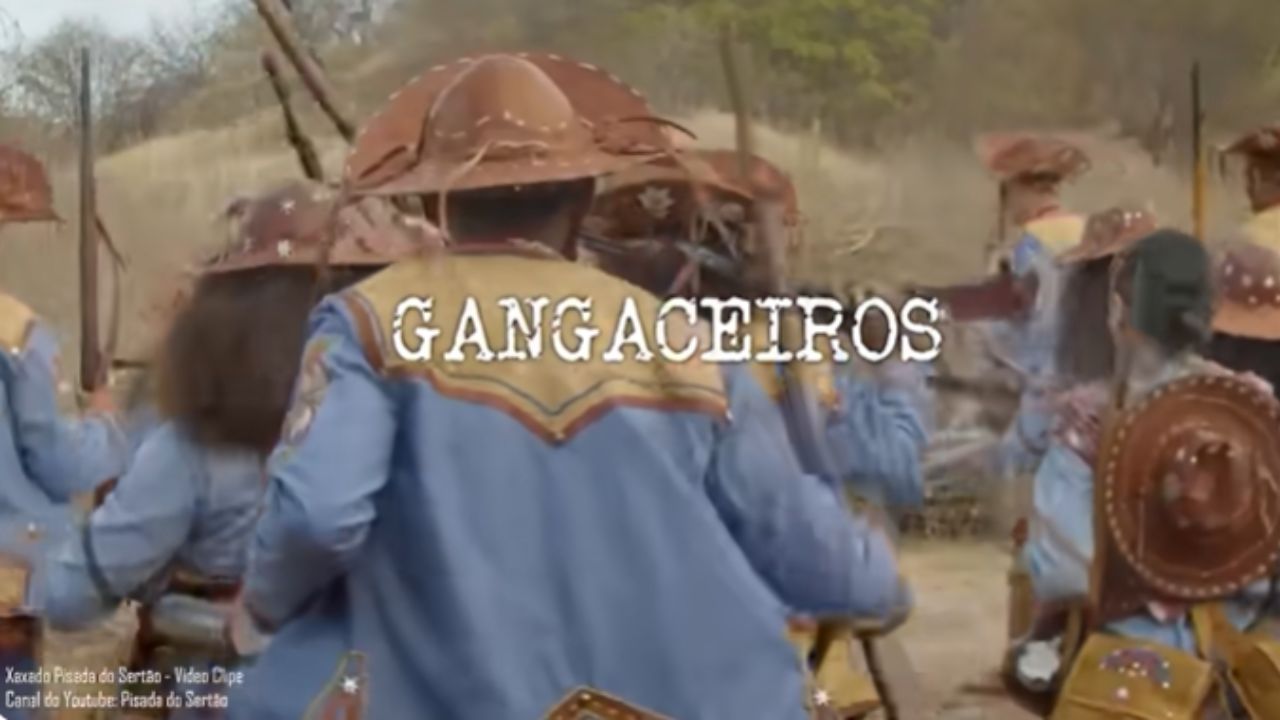
In The Northeastern Sertão, The Phenomenon Of The Cangaço Gained Strength. Cangaceiro Groups Carried Out Raids And Confronted Large Landowners And The Mobile Police. Their Actions, Sometimes Seen As Acts Of Banditry And Other Times As A Form Of Primitive Social Justice, Spread Fear And Admiration. It Was In This Context That A Young Man Named Virgulino Ferreira Da Silva Began To Gain Notoriety, Becoming, A Few Years Later, The Legendary And Feared Lampião, Leader Of The Most Famous Cangaceiros Group In The History Of Brazil.
What Surprised You Most About Life In Brazil 100 Years Ago? Do You Believe That, Despite All The Technologies And Advances, Some Of The Inequalities From That Time Still Persist In Our Society Today?
Share Your Thoughts In The Comments, We Want To Hear Your Perspective On This Incredible Journey Of A Century.






Impressionante, o Brasil com 30 milhões de habitantes em 1920 era um verdadeiro deserto humano, habitado em uma estreita faixa litorânea.
Ainda hoje, com 210 milhões, pelo interior do país continente percebemos a falta de ocupação do território.
Ainda somos um país do futuro.
Bangladesh tem mais gente que o Brasil e é menor que o Rio de Janeiro. A tendência agora é a população do Brasil se estabilizar num patamar de 210 milhões até 2050 e depois começar a cair terminando o século em 180 milhões.
País do futuro ? Só se for da **** de **** que vivem as nossas custas, como o pinguço de nove dedos e seus amigos “supremos”. Essa terra não dá futuro pra ninguém.
Aham era culpa do **** e do patê em 1920 né panaca. E o futuro é Agora. Faça algo que presta ou vá embora pra Argentina do Mulei