





 Portuguese
  English
  Spanish
  5 min of reading
  0 comments


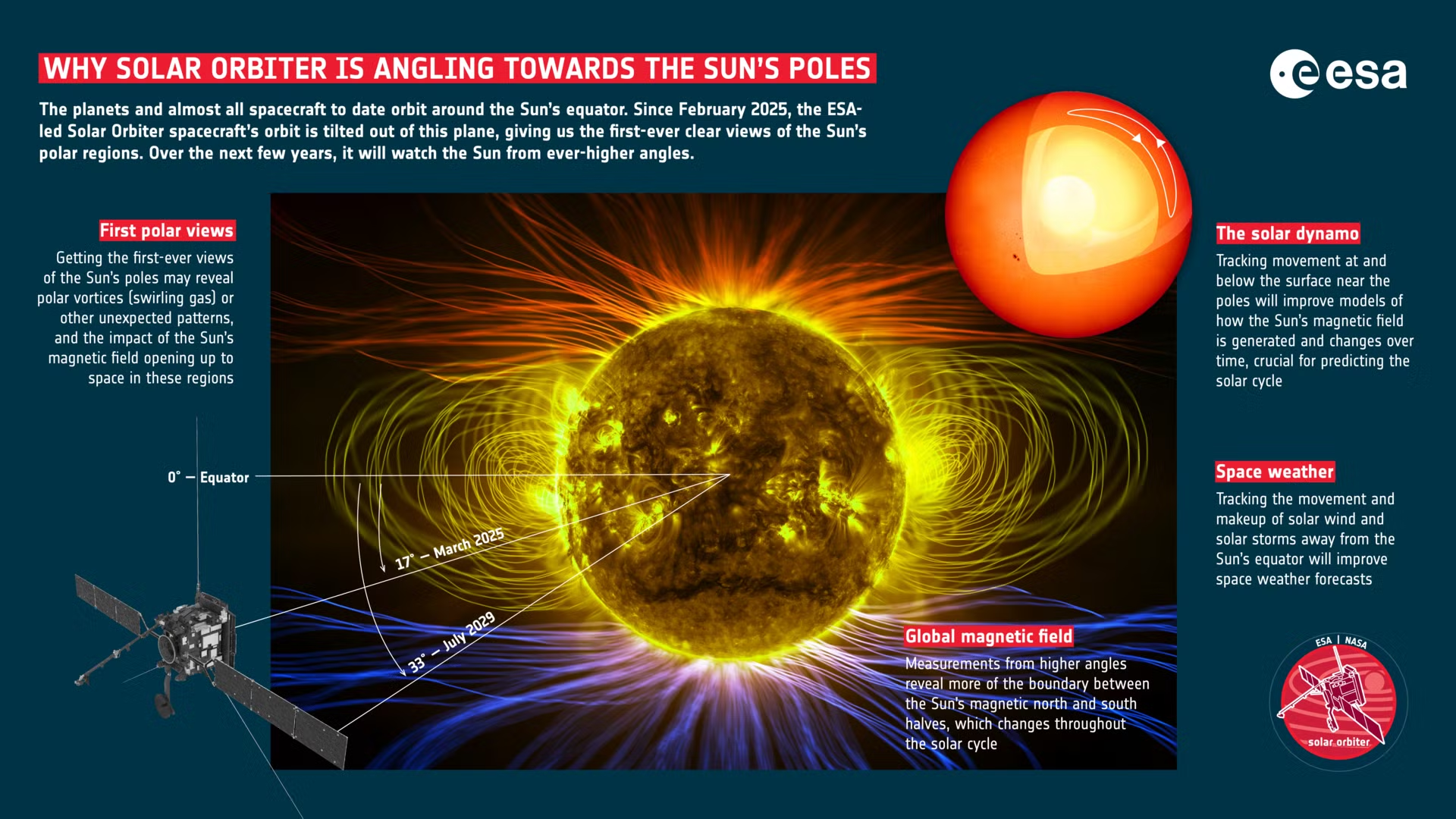
For The First Time, ESA Spacecraft Captures Images Of The South Pole Of The Sun, Revealing Disorganized Magnetic Fields And Paving The Way For More Accurate Forecasts Of Solar Storms.
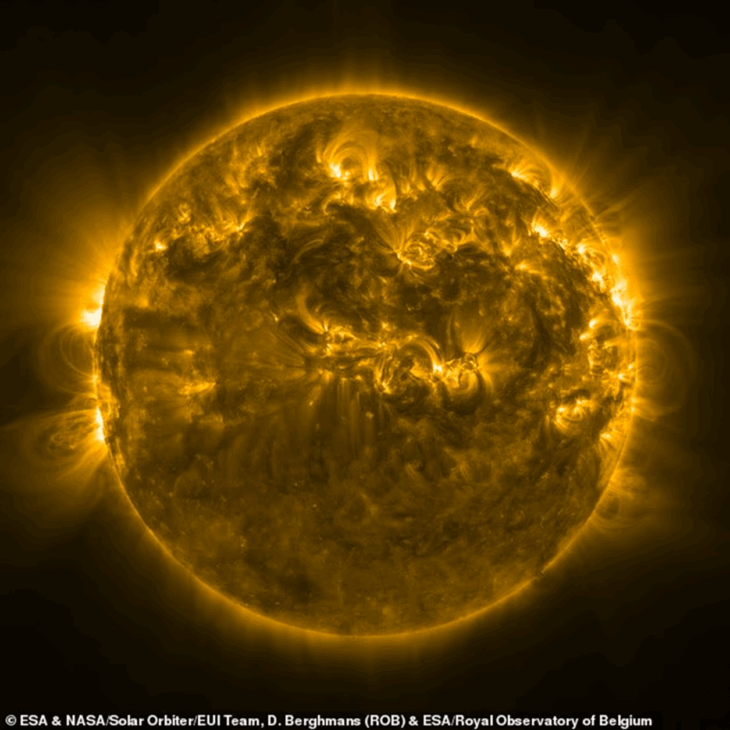
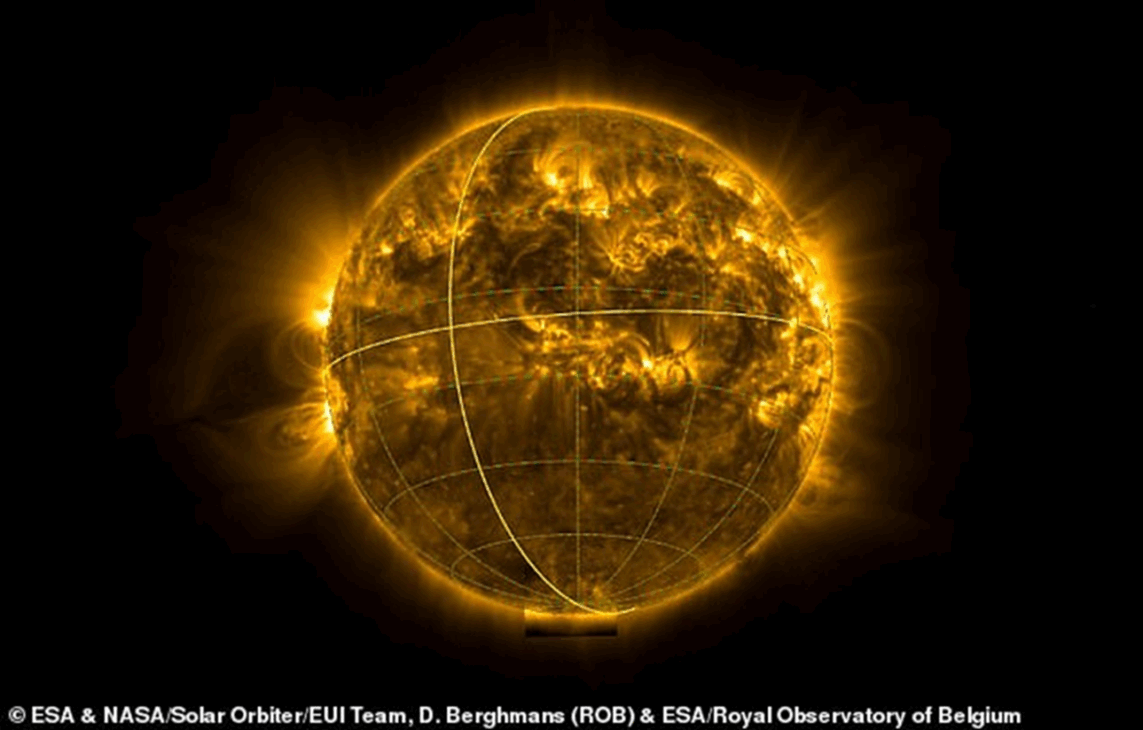
For The First Time In History, Scientists Have Been Able To Observe The South Pole Of The Sun.
The Images Were Captured By The Solar Orbiter, A Probe Launched By The European Space Agency (ESA), And Reveal A Side Never Before Seen Of Our Star.
This Unprecedented View Was Made Possible By A Change In The Satellite’s Orbit, Which Went Down 17 Degrees Below The Solar Equator.
-
100% Brazilian technology transforms agricultural waste into a meat-scented ingredient using fungi from the Amazon rainforest. The process does not use excessive water or chemicals, and it also increases the nutritional value of the final product.

-
Psychology reveals that adults who avoid conflicts at all costs are not balanced individuals, but rather children who learned in the worst way that expressing emotions brought punishment and now live paralyzed by the fear of expressing themselves.

-
Goodbye pet hair on clothes: a washer with an internal filter promises to remove up to 5 times more hair than regular machines and uses an XL trap dryer system to capture what remains.

-
The most overlooked waste in the electricity bill doesn’t come from the refrigerator or the air conditioner; it escapes through almost invisible cracks in doors and windows, operating all day long and can steal up to 20% of the energy used for climate control, while a low-cost seal takes just a few hours to eliminate this loss.


Until Now, All Images Of The Sun Came From A Frontal Angle, In The So-Called Elliptical Plane — The Same Plane Where The Planets Orbit.
Now, With The New Position Of The Orbiter, Scientists Have Taken A Decisive Step Towards A Deeper Understanding Of The Solar Magnetic Field.
Orbit Change With Help From Venus
To Achieve This New Angle, The Solar Orbiter Takes Advantage Of The Gravity Of Venus.
Every Few Orbits, It Approaches The Neighboring Planet, Which Helps To Tilt Its Trajectory.
This Technique Has Allowed For Unprecedented Images. Scientists Say This Is Just The First Step, As The Probe Is Expected To Descend Even Further In The Coming Years.
It Is Anticipated That It Will Reach Up To 33 Degrees Of Inclination, Which Will Bring Even More Detailed Images Of The Solar Poles.
The Missing Piece Of The Puzzle
For The Astronomers Involved, These Images Are Historic. Dr. Hamish Reid, From University College London (UCL), Classified The Moment As “Very Significant”.
According To Him, The Poles Have Always Been The Missing Piece In Understanding The Global Functioning Of The Sun’s Magnetic Field.
The Initial Observations Have Already Revealed A Disorganization In The Magnetic Fields Of The South Pole. Instead Of A Clear South Pole Pattern, The Instruments Detected Mixed North And South Fields. This Happens During The So-Called Solar Maximum, A Phase Of Intense Activity Of The Star.
Different Instruments, Complementary Views
The Image Of The South Pole Was Formed With The Help Of Three Main Instruments.
The PHI (Polarimetric And Helioseismic Imager) Captured Visible Light To Map The Surface Magnetic Field.
The EUI (Extreme Ultraviolet Imager) Focused On Ultraviolet Light, Revealing Extremely Hot Gases From The Sun’s Outer Atmosphere.
And The SPICE (Spectral Imaging Of The Coronal Environment) Analyzed Different Temperatures In The Layers Of The Sun, Using Variations In The Emitted Light.
These Tools Have Given Scientists A Comprehensive View Of The Activities In The Polar Region.
Importance Of The Poles In Predicting Solar Storms
The Sun Goes Through An 11-Year Cycle, In Which Its Magnetic Poles Invert. This Process Is Accompanied By Eruptions And Ejections Of Material That Can Reach Earth.
According To Professor Lucie Green, From UCL, Understanding The Poles Is Essential To Predicting When These Peaks Of Activity Occur.
The Knowledge Can Help Protect Satellites, Power Grids, And Even Astronauts On Space Missions.
She Explained That After The Inversion Of The Poles, The Magnetic Field Reorganizes Itself Over The Years. This Process Leads To The So-Called Solar Minimum, A Calmer Phase. It Is Still Not Known Exactly How This Reorganization Occurs. But The Images From The Solar Orbiter May Help To Clarify.
Particle Motion And Solar Wind
The SPICE Instrument Also Helped To Observe How Material Moves Between The Solar Layers. This Process Is Vital To Understanding The Solar Wind — A Constant Flow Of Particles Spreading Through Space.
The Solar Wind Is Responsible For Causing The Aurora Borealis, But It Can Also Have Negative Effects. It Can Damage Satellites, Affect Communications, And Even Expose Astronauts To Radiation.
For Dr. Frédéric Auchère, From The University Of Paris-Saclay, The New Measurements Made At High Latitudes Are Revolutionary. Previously, Observations Came From Shallow Angles, Which Hindered The Analysis Of The Poles. Now, With The Probe In A New Position, The Data Should Be Much Clearer.
Complete Data Arriving In October
Despite The Excitement Over The Initial Images, Researchers Still Have A Lot Of Work Ahead. A Complete Analysis Of The Data Is To Be Done In The Coming Months, With A Broader Set Expected To Arrive On Earth In October.
According To Professor Sami Solanki, From The Max Planck Institute, The First Observations Already Show That The Poles Were Indeed An “Unknown Territory.” Now, With The Measurements In Hand, It Will Be Possible To Better Understand The Role Of The Polar Regions In The Behavior Of The Sun.
New Cycles, New Data
An Interesting Point Revealed By The Mission Was The Presence Of High-Latitude Flows. These Flows Transport Magnetic Elements To The Polar Regions And, With This, Initiate The Formation Of The Next Solar Cycle.
With Each New Cycle, The Activity Of The Sun Changes. Knowing How It All Begins, At The Poles, Is Fundamental For Scientists To Understand The Changes And Predict Solar Storms With Greater Precision.
In The Coming Years, The Solar Orbiter Will Continue To Encounter Venus. With Each Passage, The Gravity Of The Planet Will Push The Probe Into A More Tilted Orbit. This Will Allow For Even Deeper Images Of The Poles.
A New Chapter In Solar Physics
Dr. Daniel Müller, From ESA, Stated That This Is Just The First Step Of What He Called The “Ladder To The Sky.”
With Each Step Taken, The Probe Will Leave The Elliptical Plane And Offer An Unprecedented View Of The Extremes Of Our Star.
According To Him, The Data Collected Over Time Will Completely Change The Way We Understand The Solar Magnetic Field, The Solar Wind, And The Entire Dynamics Of Solar Activity.
This Mission Opens A New Chapter In Solar Physics. For The First Time, Scientists Can Look Where It Was Previously Impossible. The South Pole Of The Sun, Until Now Hidden, Is Now Starting To Reveal Its Secrets.







-

-

2 pessoas reagiram a isso.