





 Portuguese
  English
  Spanish
  3 min of reading
  0 comments


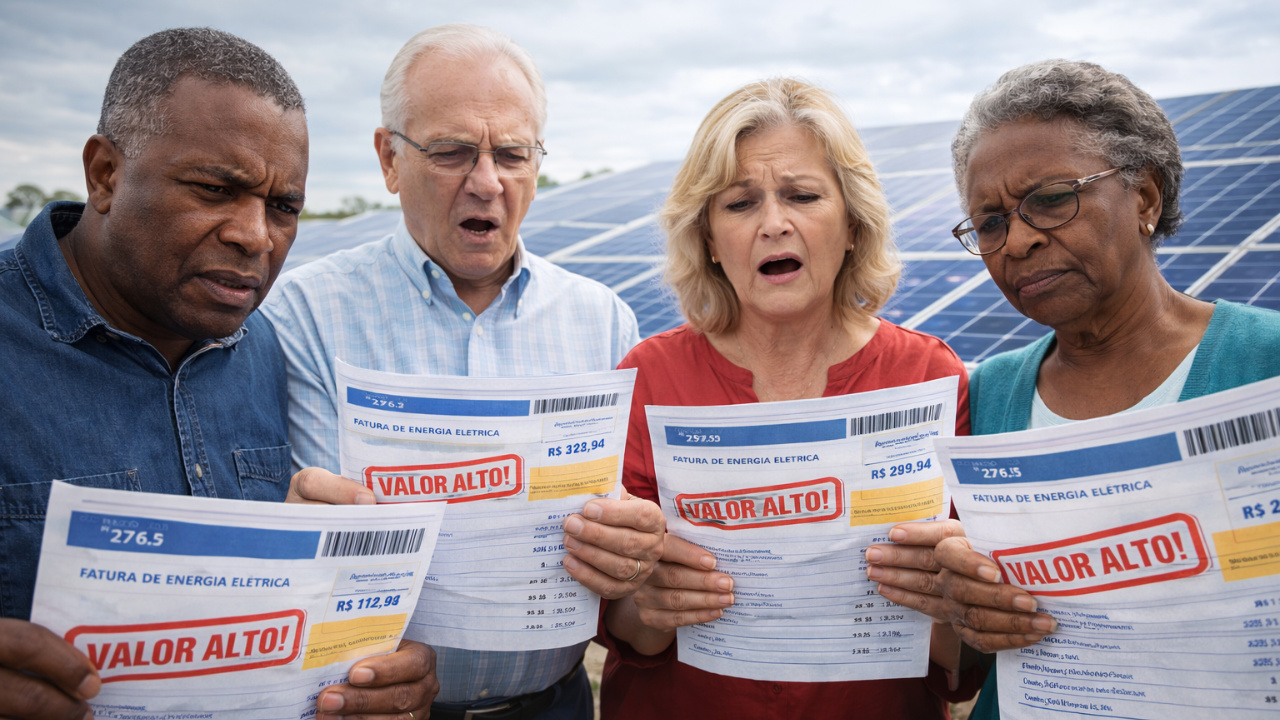
Research Indicates That 75% of Brazilians Are Against Subsidies for Solar Energy on Their Electricity Bills and That Many Are Unaware of the Embedded Costs in Electricity Tariffs.
The resistance to the current subsidy model for solar energy has been gaining strength among Brazilians. According to a national survey commissioned by RAD Energia, three out of four consumers consider it unfair to pay, on their electricity bills, costs related to incentives granted to distributed generation systems. The survey shows that 75% of respondents are opposed to this tariff transfer.
Furthermore, the study reveals a high degree of misinformation. About 78% of participants stated they did not know that part of the electricity tariff is used to subsidize owners of solar panels. This additional cost averages R$ 96 per consumer unit, a value that ends up being diluted in the monthly bills.
Unawareness About the Composition of the Electricity Bill
While solar energy is often associated with sustainability and long-term cost reduction, the data indicates that many consumers are unaware of the financial impacts of this model. According to the research, 83% of Brazilians consider their electricity bills to be high, a perception that is echoed across all regions of the country.
-
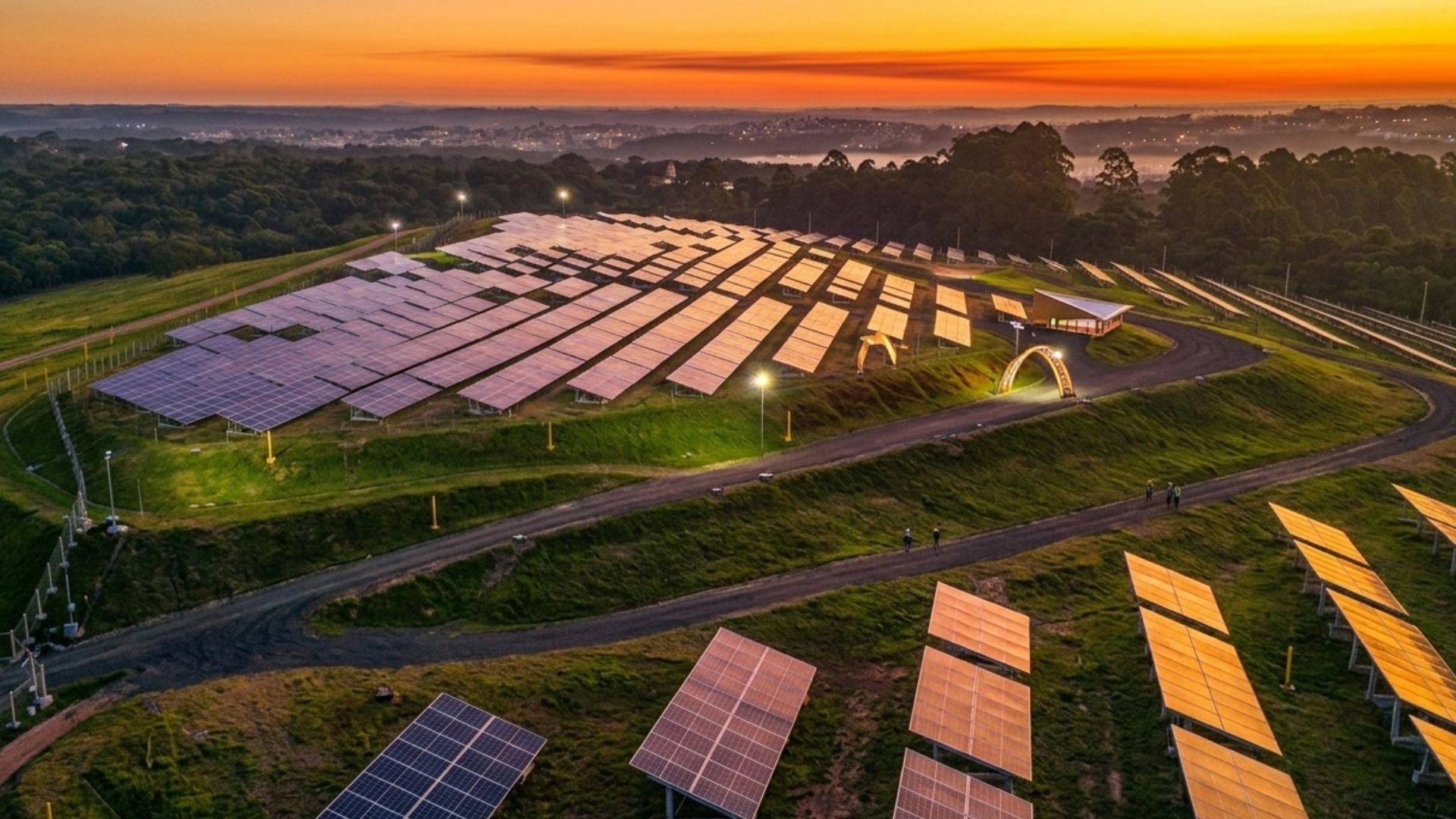
Solar Pyramid draws attention by converting solar energy into million-dollar savings and repositioning the City Hall of Curitiba as an example of innovation, sustainability, and intelligent use of public resources.
-
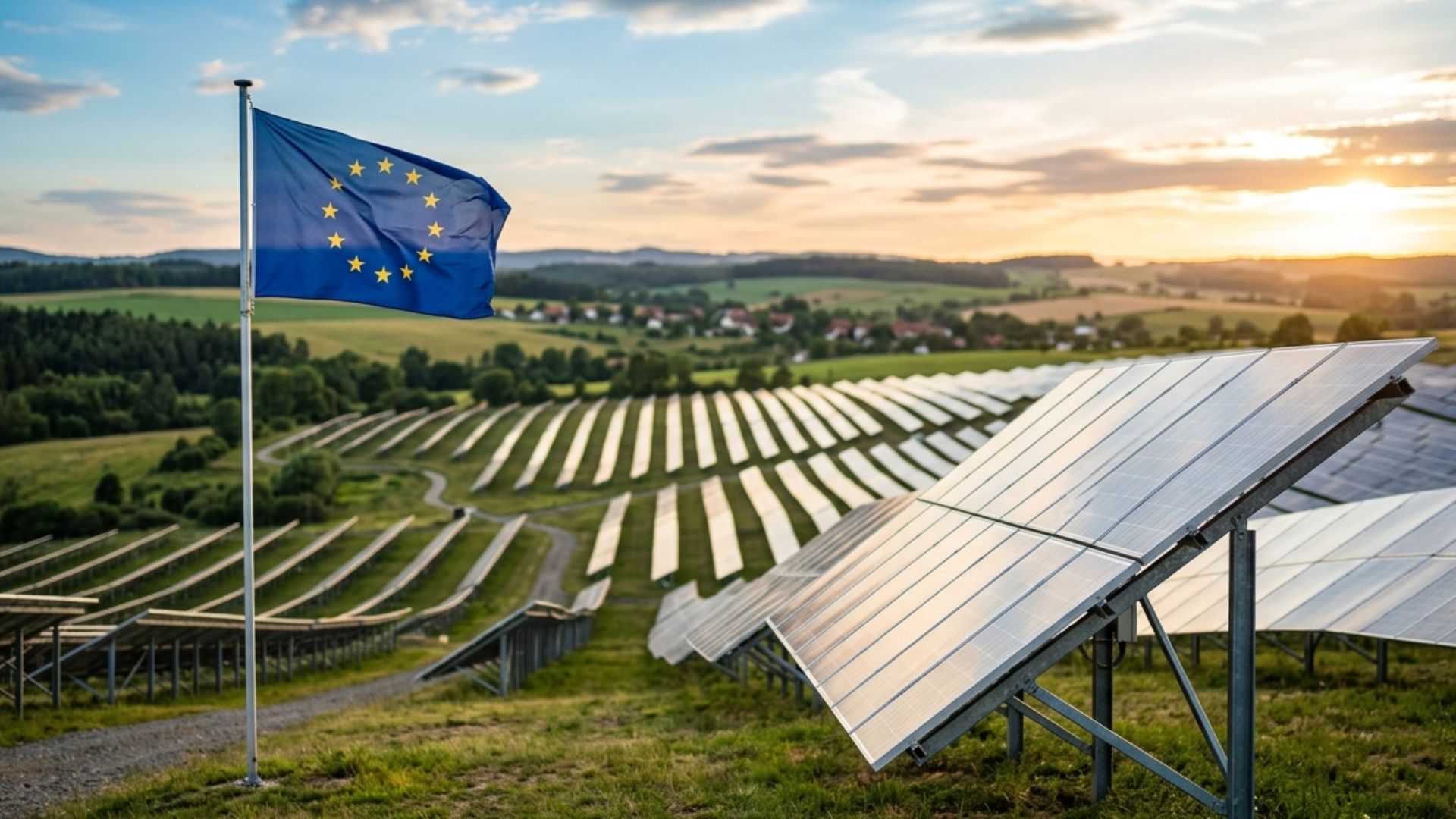
Europe records strong euro economy with solar energy in March and sparks curiosity about which country leads growth that redefines the energy market and reduces costs.
-
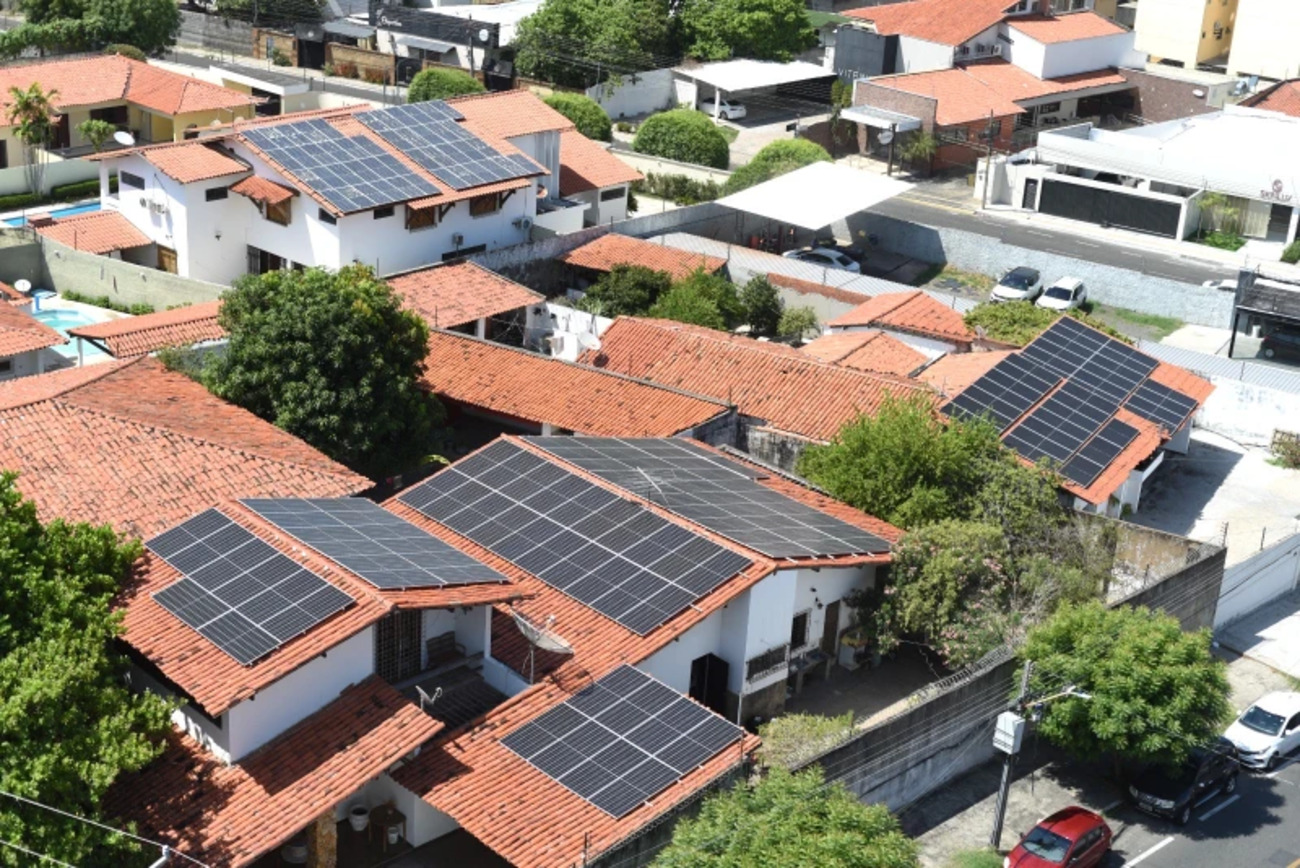
Piauí reaches a historic milestone in energy transition: State records nearly 160,000 households powered by solar energy and leads growth in the Northeast.
-
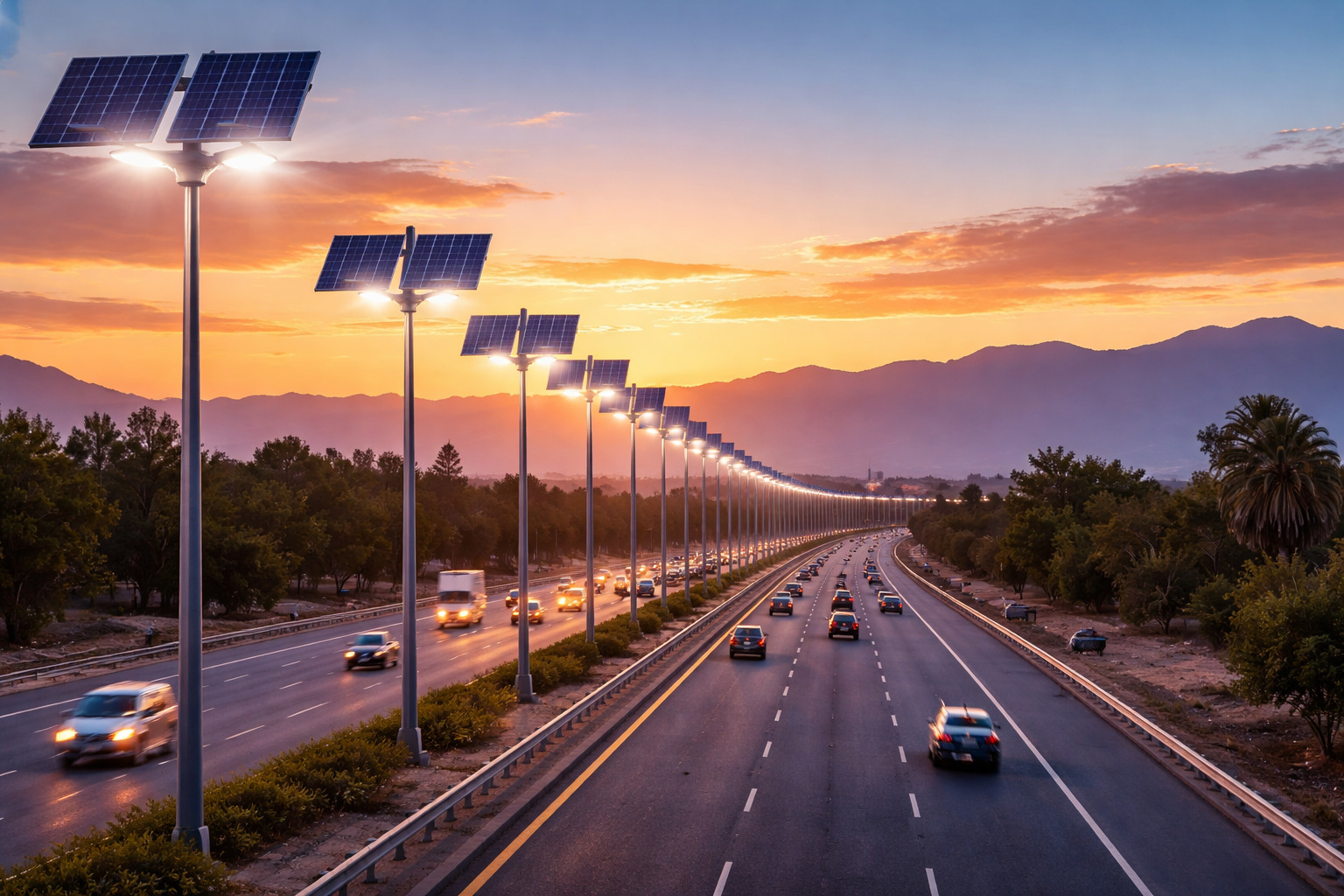
Argentina debuts its first 100% solar-powered highway and transforms an entire road into a showcase of clean energy.
“The results show that consumers are unaware of the components that drive up their electricity bills,” says Reginaldo Medeiros, CEO of RAD Energia and advisor to Coinfra of CNI. “It is also evident that citizens are opposed to subsidies for solar panels in their tariffs,” he adds.
Subsidies for Solar Energy Weigh on Tariffs
Data from the Subsidiometer platform of the National Electric Energy Agency (Aneel) emphasize the significance of the issue. According to the system, distributed generation alone accounts for about one-third of all existing subsidies in the country’s electricity bills. Just this year, the accumulated cost has already reached R$ 13 billion, constituting the largest individual subsidy embedded in the tariff paid by the end consumer.
The majority of respondents believe that all electricity users, including those with solar energy systems, should equally share the sector’s costs. This view, according to specialists, reflects a growing concern about tariff fairness.
Profile of Respondents and Scope of the Study
The survey was conducted by the Opinion Box institute and interviewed 400 people from the North, Northeast, Central-West, Southeast, and South regions of the country. Among the participants, 90% reported regularly paying their electricity bill. Additionally, 87% said they do not use solar panels, while 88% had heard of distributed generation.
According to Reginaldo Medeiros, the positioning revealed by the survey should be taken into account in public decisions. For him, authorities in the Executive and Legislative branches need to pay closer attention to social perceptions regarding subsidies for solar energy, especially given the direct impact on the bills of millions of consumers.
RAD Energia Engages in Electric Sector Debate
RAD Energia is a consultancy specializing in intelligence for the Brazilian electric market. The company focuses on self-regulation of the sector and increasing the participation of different stakeholders in discussions that influence the national energy system, including topics such as subsidies, tariffs, and the expansion of solar energy.








Seja o primeiro a reagir!