





 Portuguese
  English
  Spanish
  5 min of reading
  0 comments


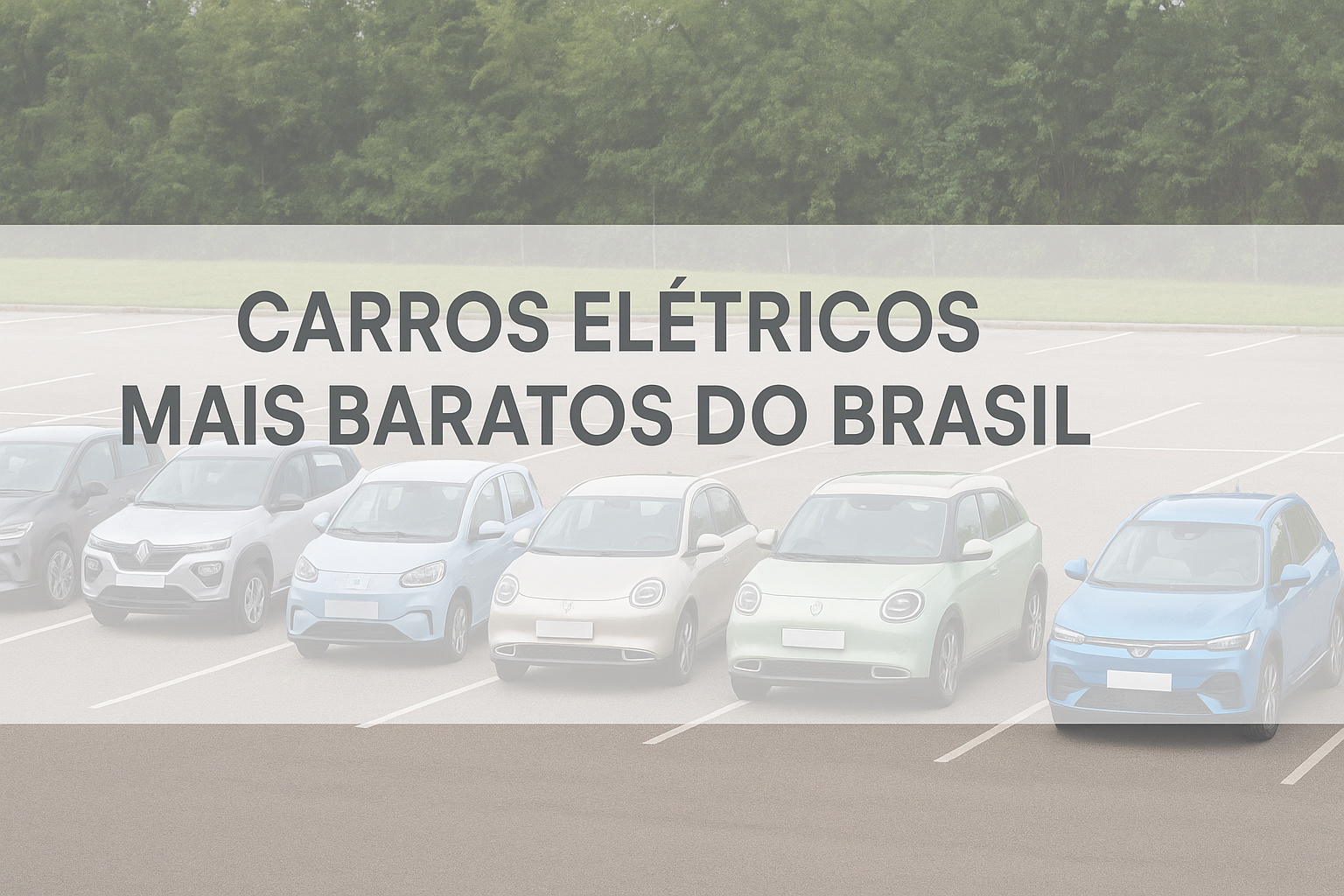
Technical Comparison 2025: Understand the Specifications, Range, Power, and Prices of the Most Affordable Electric Cars Available in the Brazilian Market
The electric car market in Brazil entered a new phase in 2025, with the advancement of domestic production and the arrival of lower-cost imported models. Currently, it is possible to find 100% electric vehicles for less than R$ 100,000, something unthinkable a few years ago. The reduction of state taxes, the expansion of charging infrastructure, and the strategies of Chinese and national brands to increase access to this technology are transforming the automotive landscape.
Among the main factors that define the total cost are the battery (responsible for up to 40% of the final price), the range (averaging between 170 and 320 km), and the efficiency of the electric system. Additionally, the origin of assembly—local or imported—affects the price and availability.
Next, see the cheapest electric cars in Brazil in 2025, with technical data and official information on performance, range, and consumption.
-
Fiat launches the new 2027 Toro hybrid with 48V, 176 hp, an electric motor of 15.5 hp, a 0.85 kWh battery, up to 7% fuel savings, 8% fewer emissions, and possible exemption from IPVA.
-
Used automatic cars from Hyundai that are reliable, offer comfort, good performance, and cost between R$ 45,000 and R$ 75,000.
-
Electric car surprises on the Transamazon Highway as it tackles a mud pit; Saveiro and Hilux get stuck and need to be pulled out, while a milk truck crosses alongside with ease and draws attention.

-
The war in Iran could be the push needed for the electric vehicle market to truly explode because when the price of oil exceeds 100 dollars a barrel, combustion cars become a luxury, and China already dominates 60% of the global electric market.


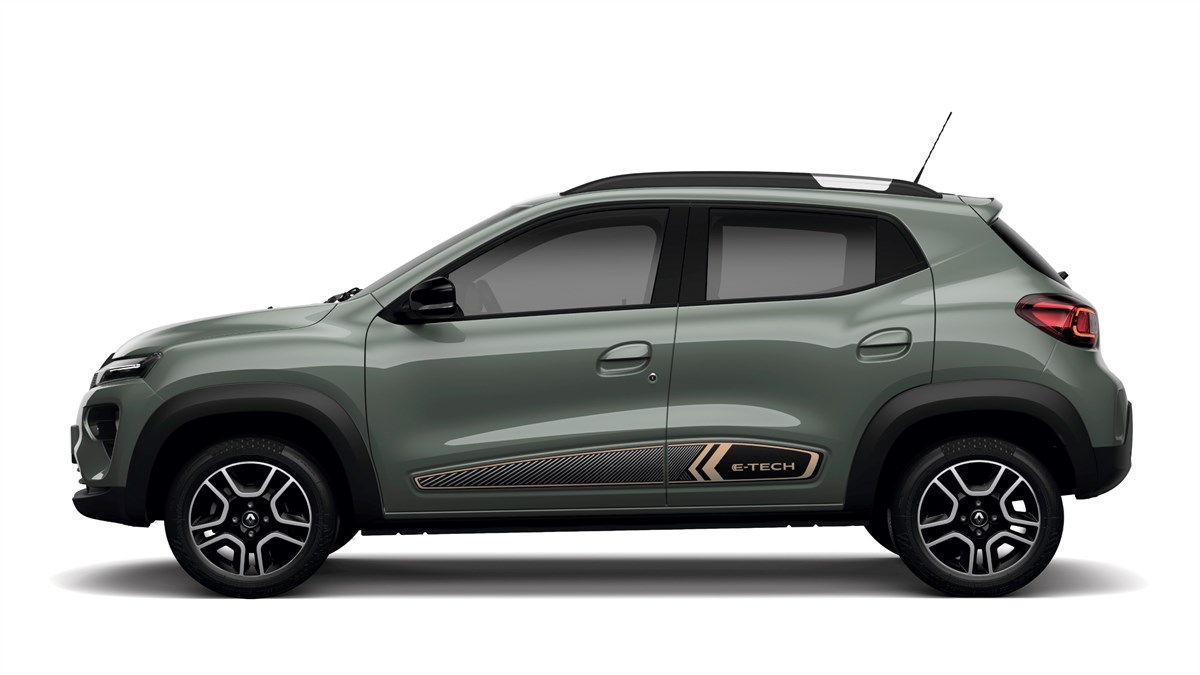
1. Renault Kwid E-Tech
Estimated Price: R$ 99,990
Engine: Permanent magnet synchronous electric motor, 48 kW (65 hp) and torque of 11.5 kgfm.
Battery: 26.8 kWh (usable 23.8 kWh).
Range: 185 km (INMETRO).
Charging: 0 to 80% in about 40 min (DC 30 kW).
Weight: 977 kg.
Traction: Front.
The Kwid E-Tech is the most affordable model in the country. Designed for urban use, its lightweight and compact setup offers low running costs and simple maintenance. Despite its modest range, it performs well for daily trips of up to 60 km, with a full charge done at home or at public charging points.
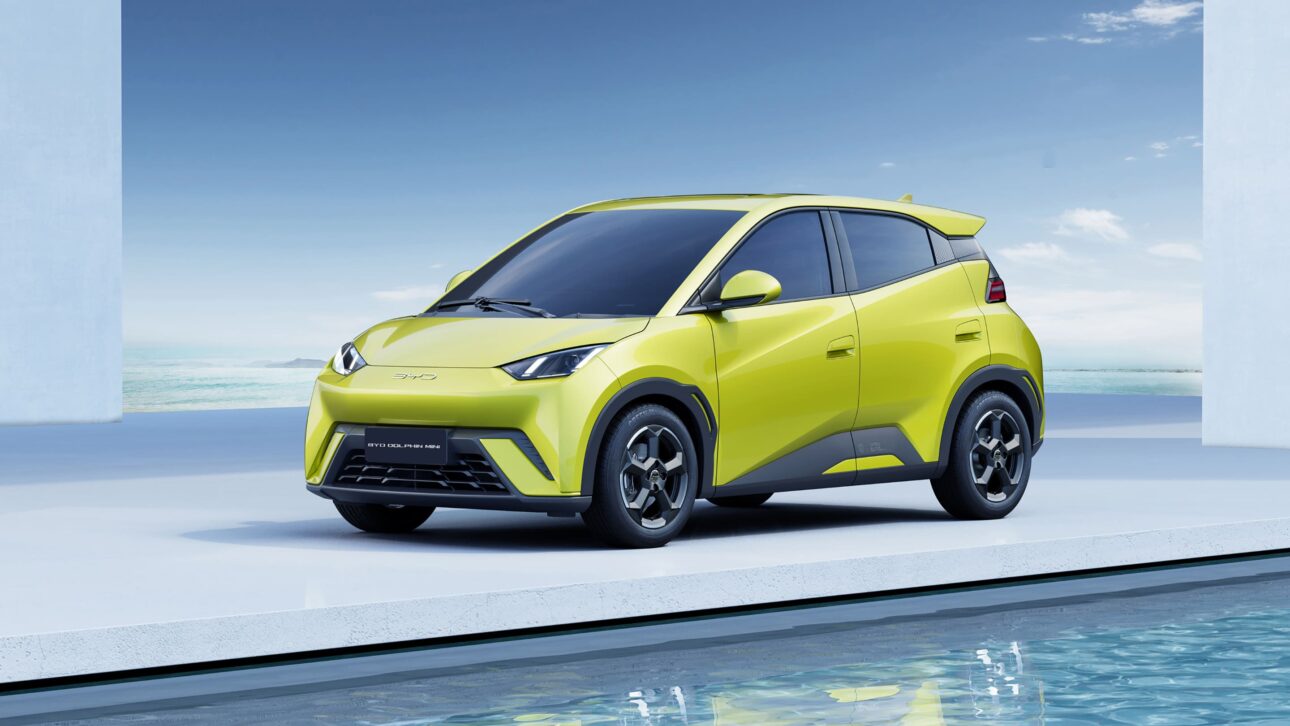
2. BYD Dolphin Mini
Estimated Price: R$ 119,990
Engine: Front motor with 75 hp and 13.8 kgfm.
Battery: 38 kWh, Blade technology (LFP).
Range: 280 km (INMETRO).
Charging: 30 to 80% in about 30 min (DC 60 kW).
Weight: 1,280 kg.
The Dolphin Mini by BYD is currently the main competitor in the mid-range segment. The Blade battery is a benchmark for safety and durability, and the vehicle features a reinforced structure, 6 airbags, and complete connectivity. The average consumption is between 13 and 15 kWh/100 km, which represents a cost per kilometer up to 75% lower than a comparable combustion car. The brand also started operations at its factory in Camaçari (BA) in 2025, which is expected to reduce the final price in the medium term.
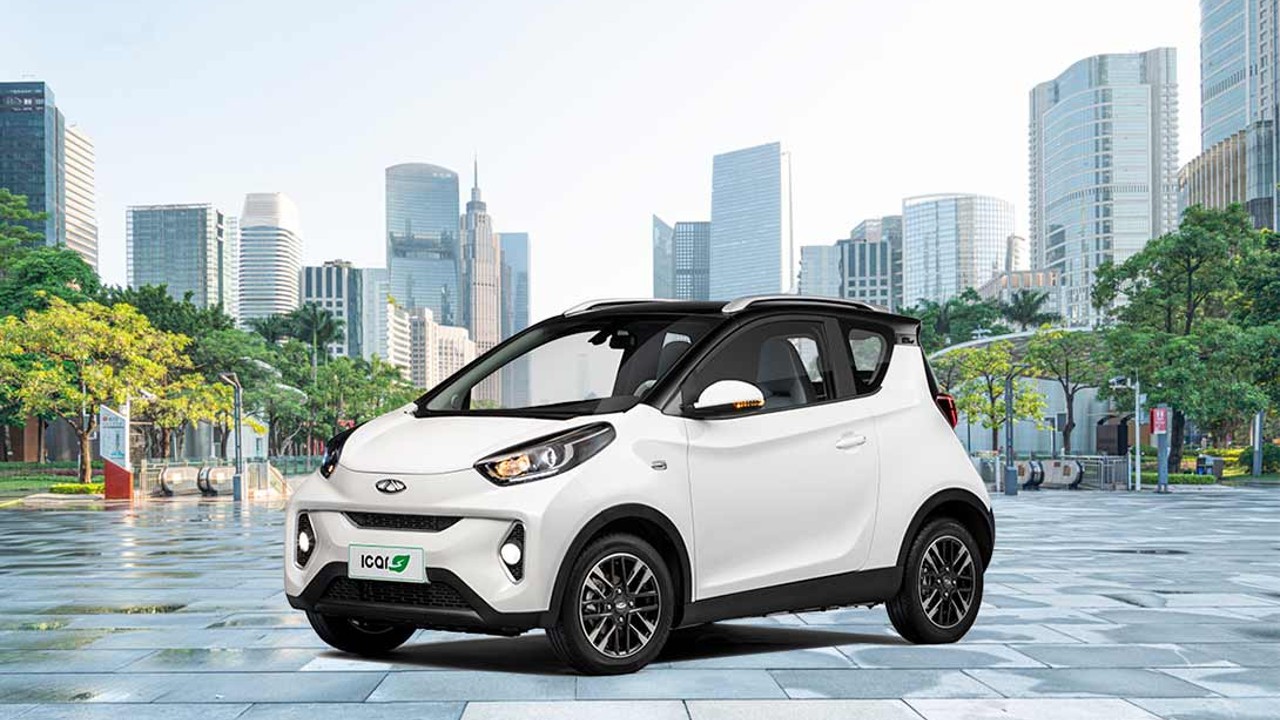
3. CAOA Chery iCar
Estimated Price: R$ 119,990
Engine: 61 hp and 15.3 kgfm.
Battery: 30.8 kWh.
Range: 197 km (INMETRO).
Charging: 20 to 80% in about 35 min (DC).
Weight: 980 kg.
Traction: Rear.
Compact and practical, the iCar is CAOA Chery’s urban electric vehicle, designed for short trips and city environments. The interior space is optimized, and the suspension setup prioritizes comfort. Although performance is limited on highways, the model showcases excellent energy efficiency and low maintenance costs, with long intervals between services.
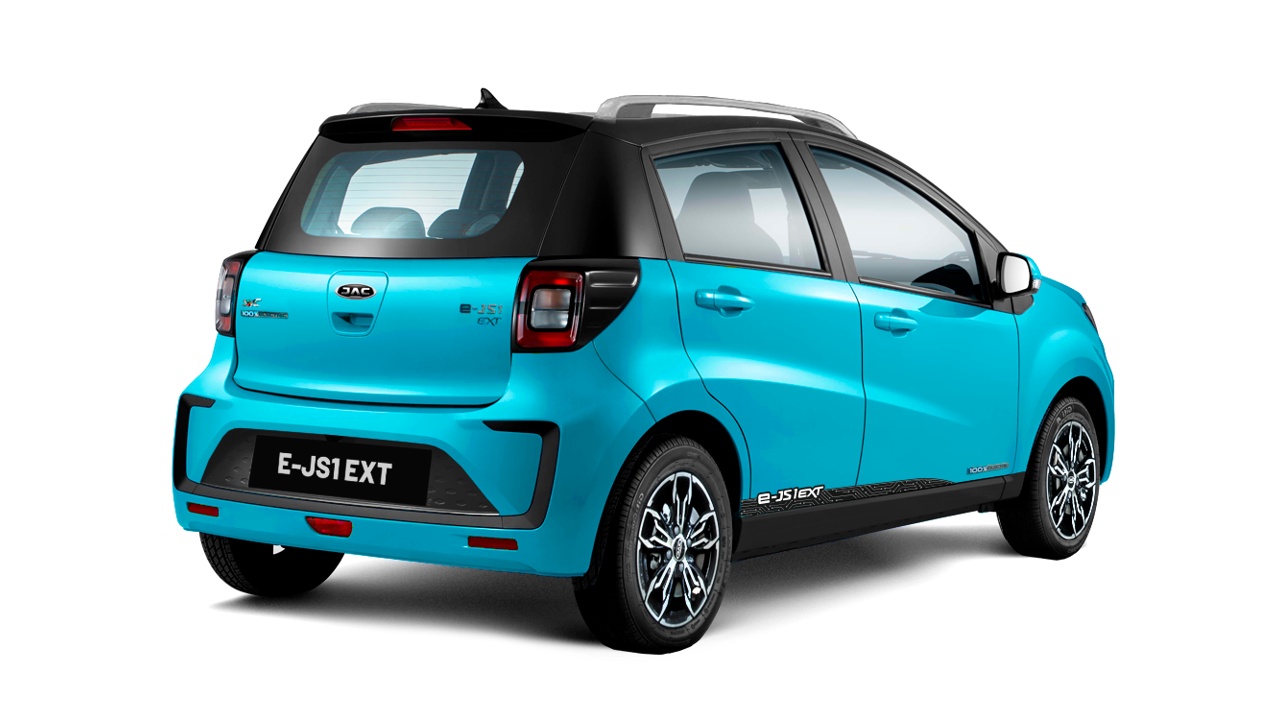
4. JAC e-JS1
Estimated Price: R$ 134,566
Engine: 62 hp and 15.3 kgfm.
Battery: 30.2 kWh (LFP).
Range: 161 km (PBEV INMETRO).
Charging: 0 to 80% in about 40 min (DC).
Weight: 1,050 kg.
The JAC e-JS1 remains one of the most balanced entry-level models. Although the price is approaching that of higher competitors, it offers light drivability, low consumption, and simple connectivity. Ideal for drivers looking for a second electric vehicle or daily urban use. However, JAC’s network is still limited to major capitals, which may restrict technical support in some regions.
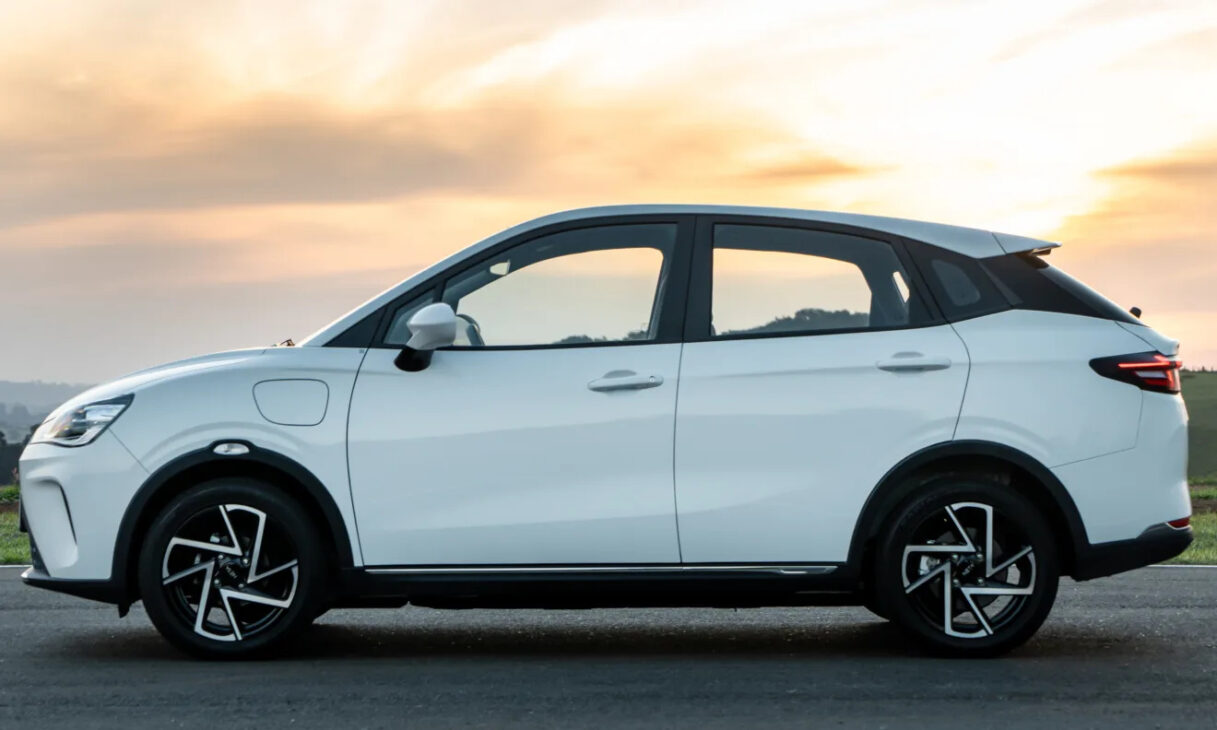
5. Neta Aya
Estimated Price: R$ 123,900 to R$ 134,900
Engine: 95 hp and 15.5 kgfm.
Battery: 36.1 kWh.
Range: up to 320 km (WLTP) / around 260 km (INMETRO).
Charging: 30 min (DC 70 kW).
Weight: 1,230 kg.
Neta, a Chinese brand recently arrived in Brazil, bets on technology and minimalistic design. The Aya offers more power and range than its direct rivals, in addition to a 14.6-inch multimedia center and a 6.6 kW onboard charger. It is one of the electric cars with the best balance between performance and price, although the dealer network is still expanding.
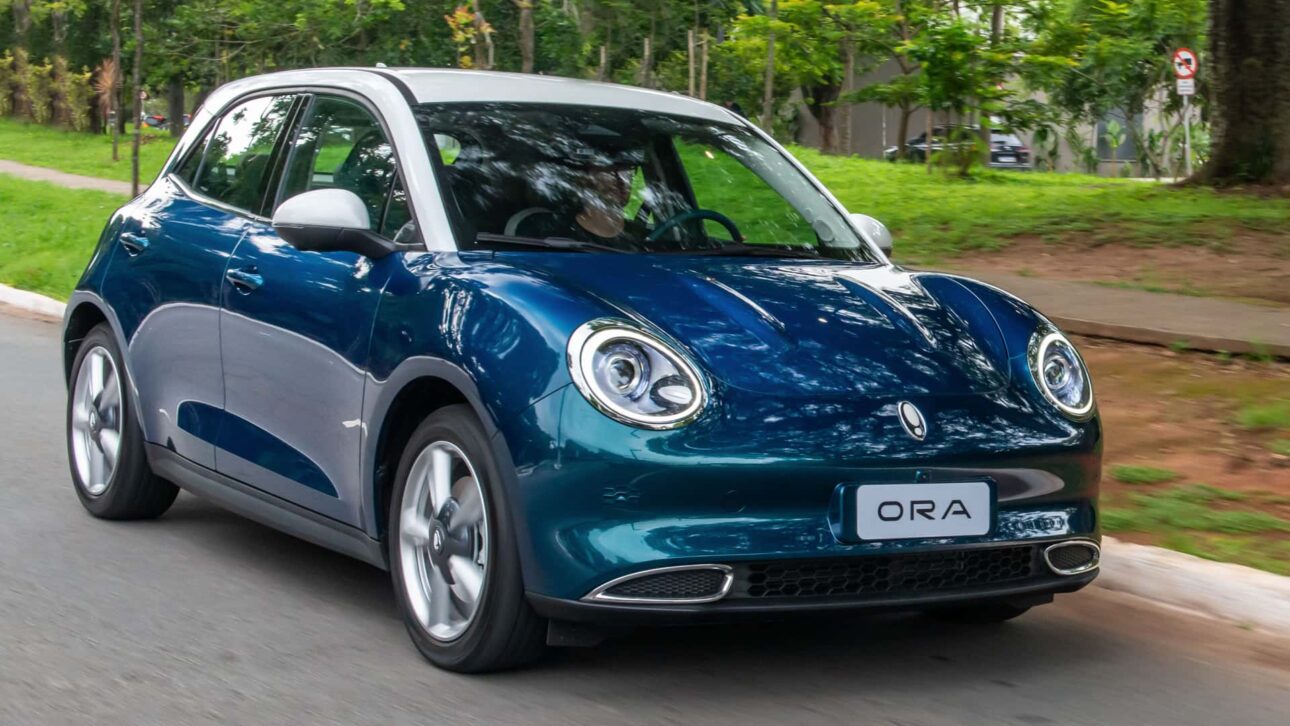
6. GWM Ora 03
Estimated Price: R$ 154,000 (BEV48) | R$ 169,000 (BEV58)
Engine: 171 hp and 25.5 kgfm.
Battery: 48 or 58 kWh.
Range: up to 400 km (WLTP).
Charging: 30 to 80% in about 40 min.
The Ora 03, imported by GWM, is the most powerful in the group and positions itself among premium compacts. It boasts 5 stars in Euro NCAP, a complete package of ADAS assistants, and above-average ride comfort. Although the price is higher, the cost per kilometer remains competitive compared to equivalent hybrids and combustion compact cars.
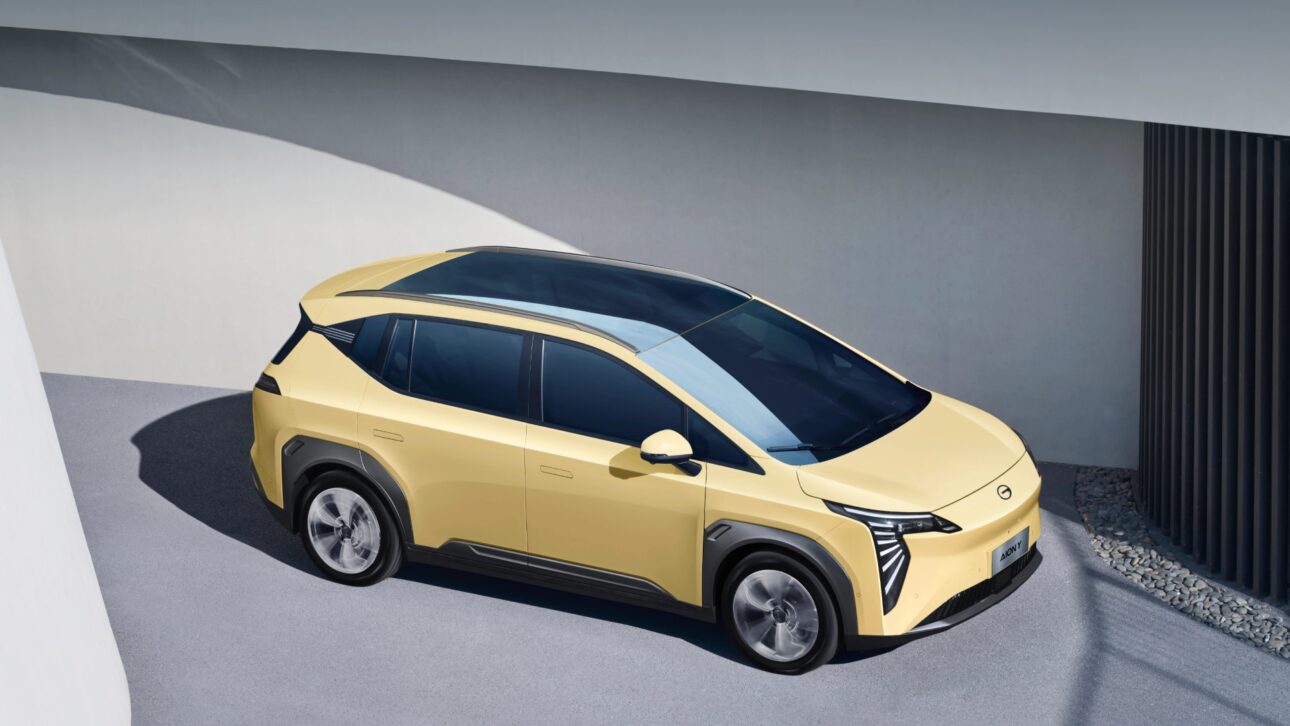
7. GAC Aion Y
Estimated Price: R$ 174,990 to R$ 187,990
Engine: 204 hp and 30.6 kgfm.
Battery: 63 kWh.
Range: 410 km (WLTP).
Charging: 10 to 80% in 35 min (DC 80 kW).
Traction: Front.
The Aion Y is the most spacious among affordable electric vehicles, measuring 4.4 m in length with a wheelbase of 2.75 m. The model features a modern interior, panoramic roof, and active safety solutions. Despite being the most expensive on the list, it stands out for its range and onboard technology.
Evolution of Electric Mobility in Brazil Points to Price Reduction and Increased Range
The electric car has ceased to be a restricted niche and has begun to occupy real space on Brazilian streets. The combination of tax incentives, the nationalization of components, and the expansion of charging infrastructure has reduced the average price and increased the range of models.
The trend for the coming years is diversification: manufacturers like BYD, GWM, and Renault are expected to invest in local versions, reducing logistics costs and increasing the supply of vehicles between R$ 100,000 and R$ 160,000. Additionally, the arrival of new LFP batteries and public fast chargers—capable of replenishing up to 80% of the charge in less than 30 minutes—should accelerate adoption.
In summary, 2025 marks a turning point: the electric car becomes a viable alternative for urban drivers, offering reduced maintenance, energy savings, and sufficient range for daily use.
What about you, do you believe that this evolution already makes the electric car a practical choice for your daily life, or do you prefer to wait for the consolidation of charging infrastructure in Brazil?
Leave your opinion in the comments.







Seja o primeiro a reagir!