





 Portuguese
  English
  Spanish
  3 min of reading
  1 comment


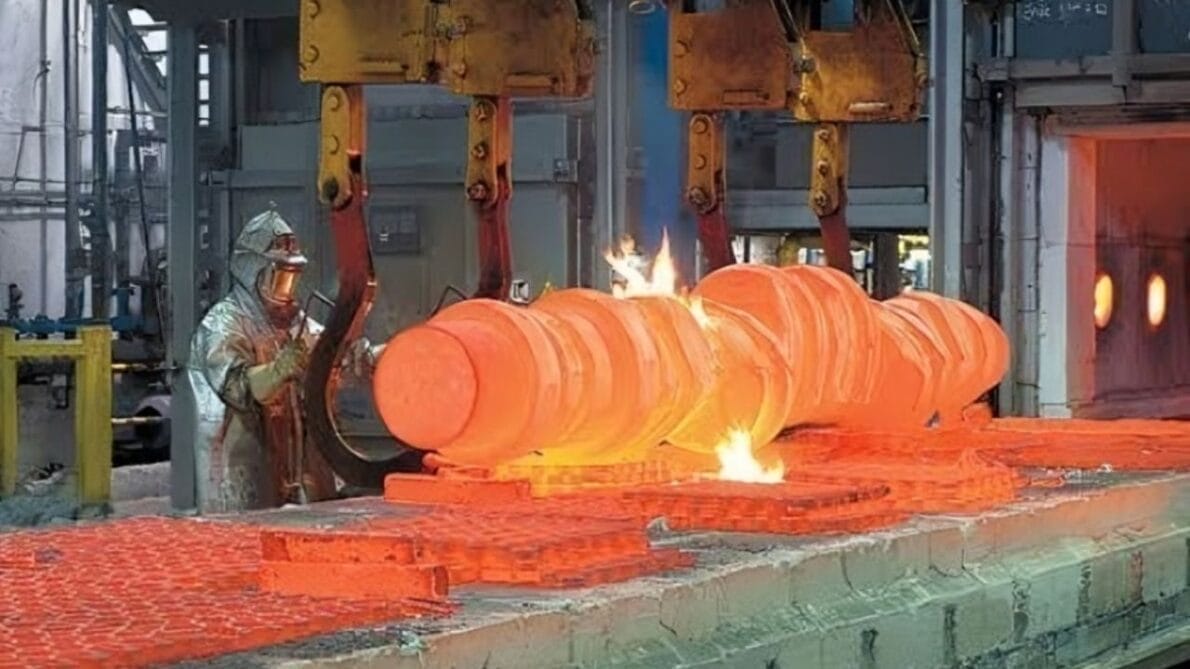

Metallurgy Is the Study and Manipulation of Metals and Their Properties. Simply Put, It Is a Field of Science That Seeks to Understand How Metals Behave and Find Ways to Improve Their Properties for Various Applications.
The importance of metallurgy is immense. This field began over 6,000 years ago, with significant advancements from the Bronze and Iron Ages to the Industrial Revolution. Each historical stage marked a technological leap, bringing stronger and more durable materials. Modern metallurgy continues to evolve, developing new alloys and specialized materials for the aerospace, electronics, energy, and medical industries.
Metallurgy involves various stages, starting with the extraction of metals from natural sources, such as ores, which contain valuable materials to be processed for industrial uses. After extraction, ores are purified to remove impurities and improve their quality, similar to the water filtration process to make it potable.
Metallurgists Study the Structure of Metals at the Microscopic Level, Examining How Atoms Are Organized and How This Arrangement Affects Their Properties, Such as Strength, Hardness, and Conductivity


With this knowledge, they can modify metals through processes such as heating and cooling, known as heat treatment, to improve their characteristics. Metallurgy also includes the creation of new metal alloys.
-
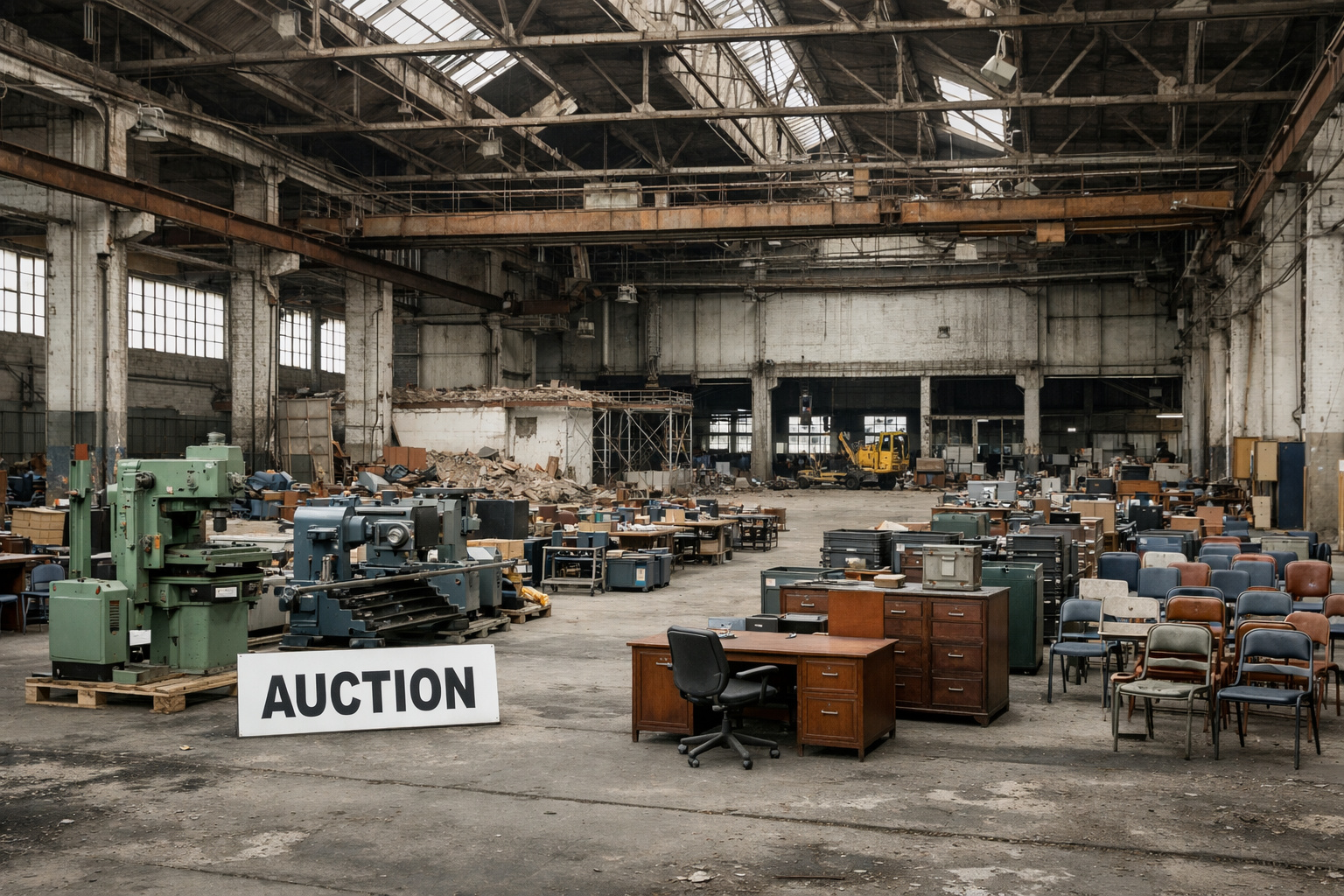
Historic bankruptcy of Centauro shocks the market, and the century-old company puts more than 500,000 products, machines, and complete infrastructure up for online auction.
-
New shoe factory in Ceará is expected to create 400 jobs and strengthen the local economy.

-
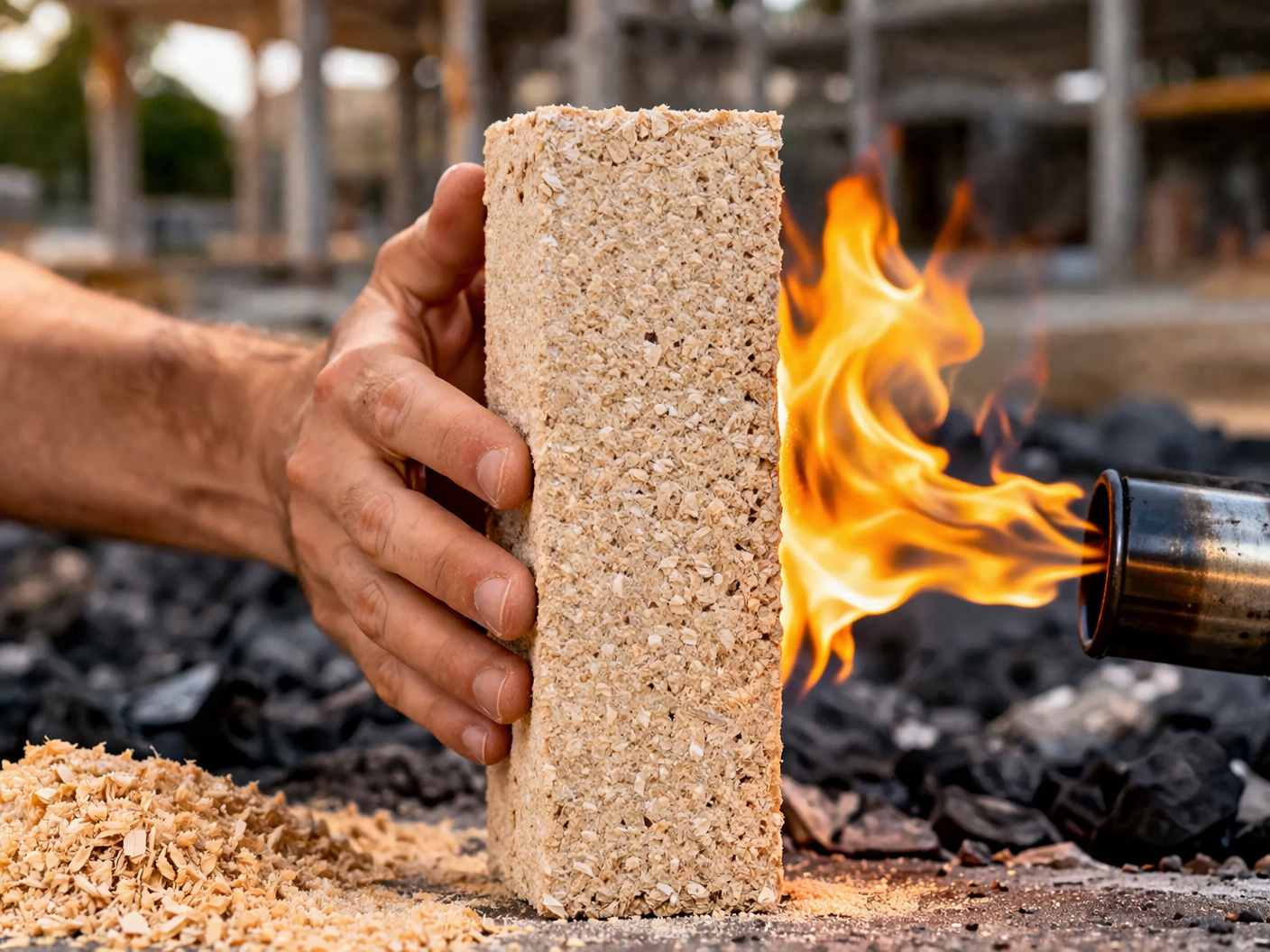
No one imagined it, but a mixture of sawdust with a mineral that fights fires surprises scientists with a result that changes the course of fire-resistant construction.
-
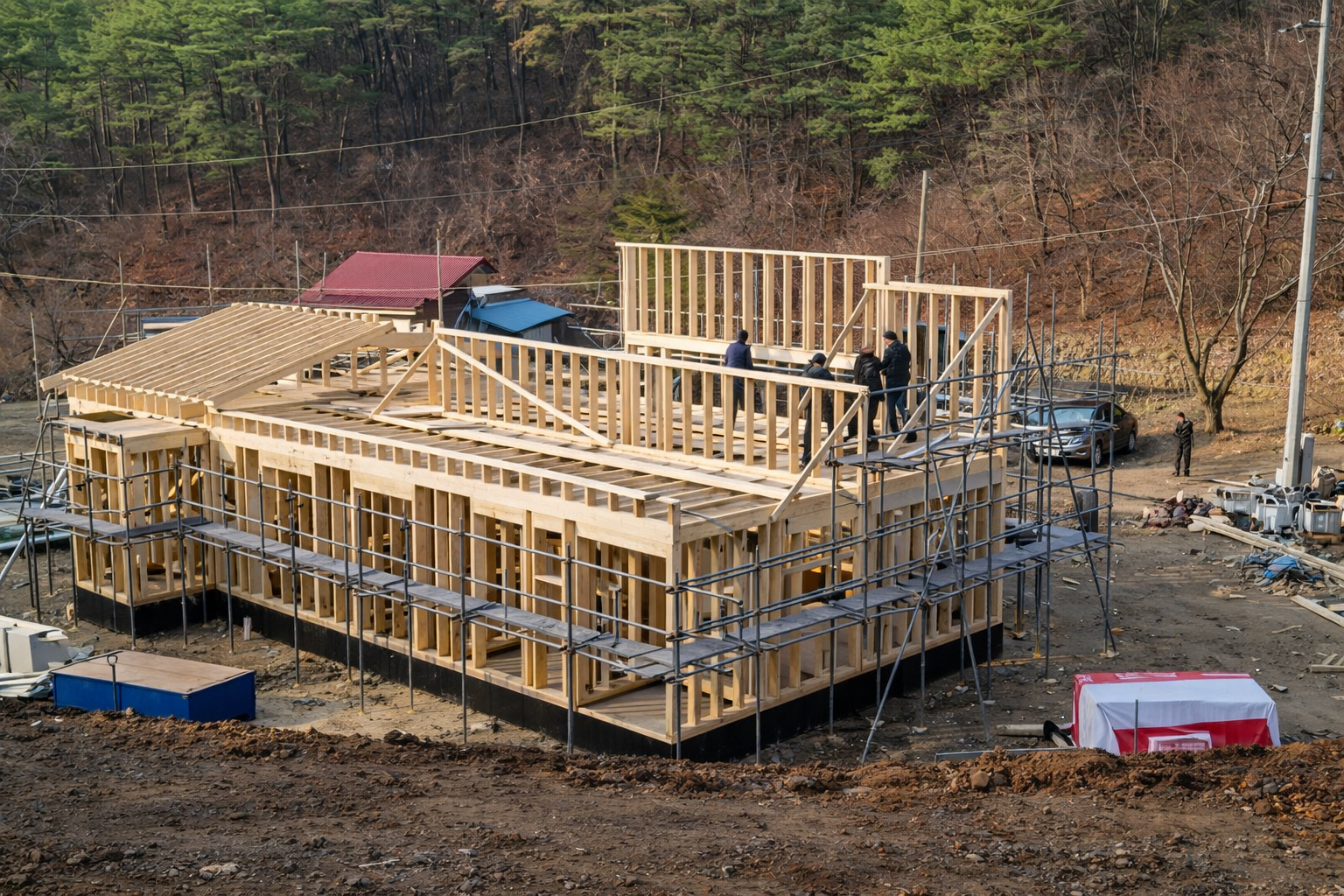
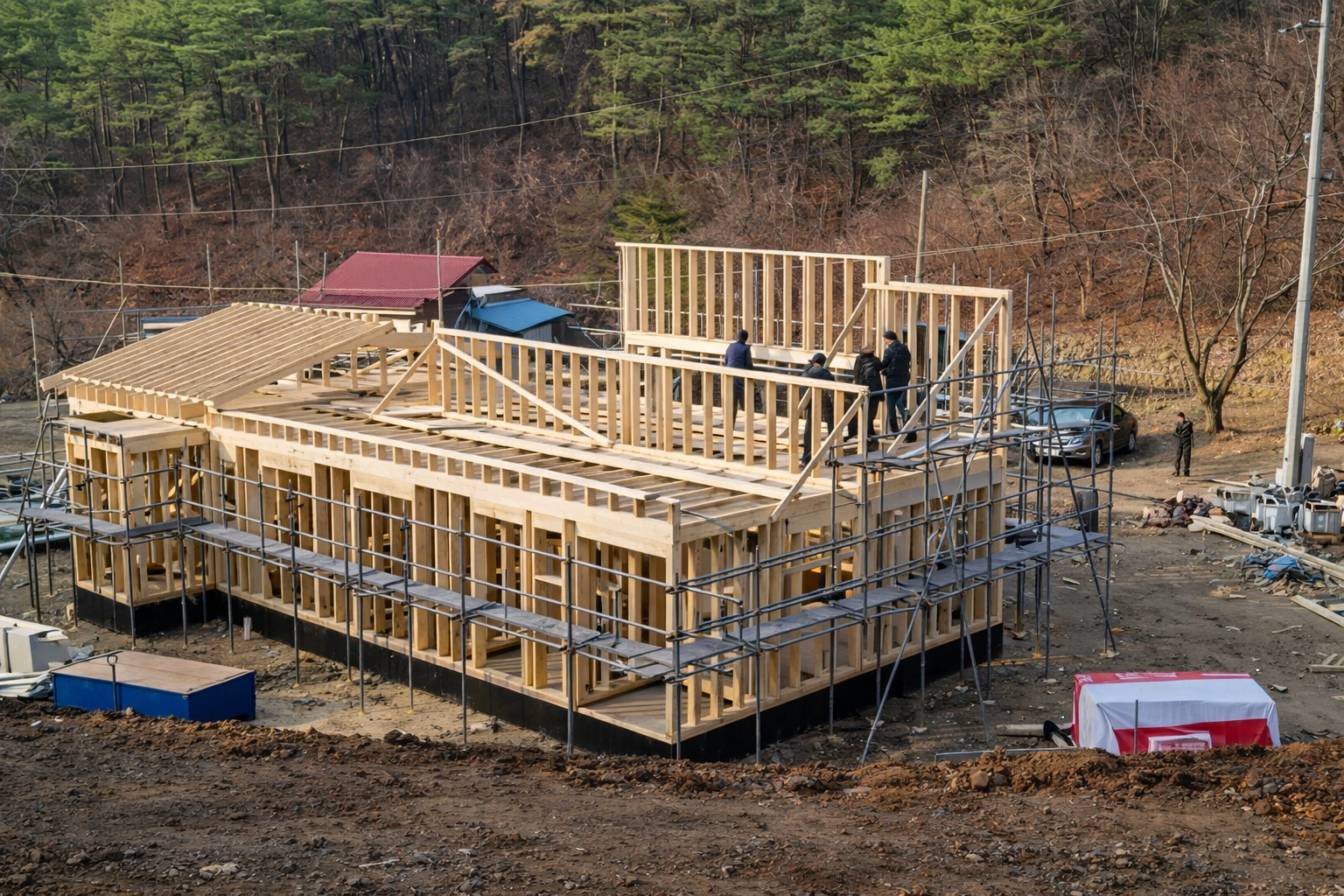
From empty land to a high-end house, wooden construction uses a lightweight system, metal structure for the foundation, ventilated ceramic cladding, and special windows to create an efficient and comfortable living space throughout the year.

For example, by mixing iron with carbon, steel is produced, which is fundamental for construction and other applications. Other alloys, such as stainless steel, combine iron with chromium to create corrosion-resistant materials used in appliances and buildings.
The History of Metallurgy Dates Back to 6,000 B.C., When the First Civilizations Began to Work with Metals Such as Copper, Gold, and Silver
Over time, the development of alloys such as bronze and iron led to significant advancements in agriculture, warfare, and construction, shaping complex civilizations such as the Mesopotamian and Egyptian.
In the 18th and 19th centuries, the Industrial Revolution revolutionized metallurgy, with new methods of producing iron and steel, such as the Bessemer process, which made these materials more accessible and drove the development of railways, buildings, and machinery. In the 20th century, the discovery of new alloys and the use of advanced techniques such as electron microscopy allowed significant advancements across various industries, from aerospace to medical.
Metallurgy is divided into several specialized areas, such as alloy metallurgy, which focuses on creating metal alloys; extractive metallurgy, which involves the extraction and purification of metals; ferrous metallurgy, focused on iron and steel; and non-ferrous metallurgy, which works with metals like aluminum, copper, and zinc. There is also powder metallurgy, which shapes metallic powders into finished components, and physical metallurgy, which studies the physical properties of metals.






Metalurgia corre nas minhas veias.