





 Portuguese
  English
  Spanish
  4 min of reading
  0 comments


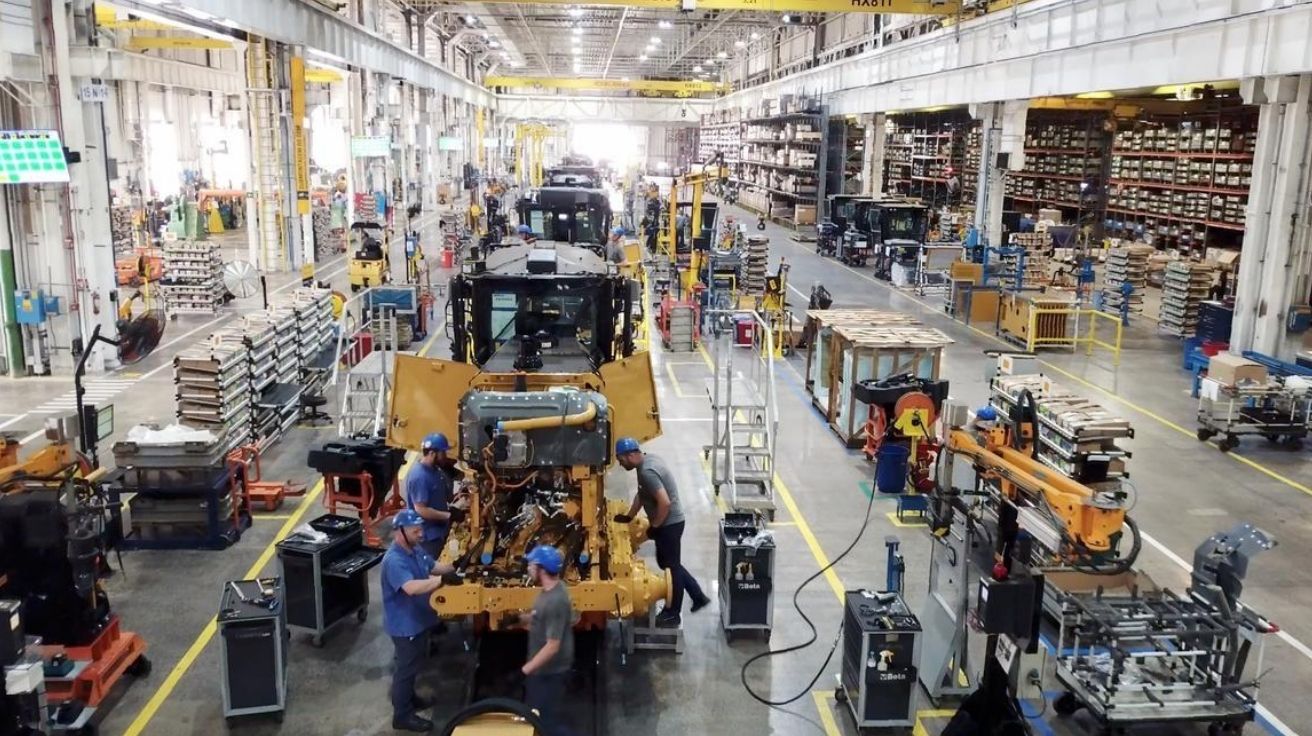
With Strategic Location, Presence of Multinationals and Cutting-edge Research Centers, Campinas Attracts Billion-dollar Investments and Stands Out as One of the Largest and Most Promising Industrial and Technological Hubs in Brazil.
Campinas, located about 100 km from the São Paulo capital, has established itself as the third largest industrial park in Brazil, with more than 50,000 active companies.
Among them, 50 rank among the 500 largest corporations in the world, according to international rankings.
This industrial density reinforces the economic relevance of the city in the interior of São Paulo and in the global context.
-
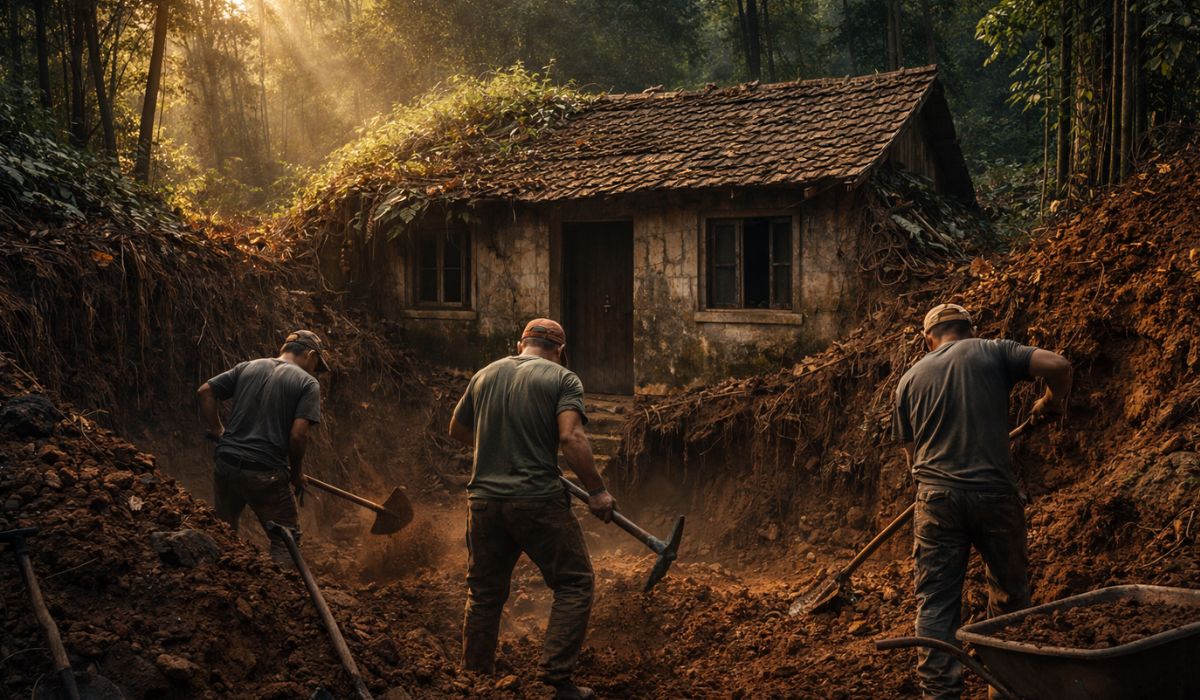
A promise made to their father led three men to unearth a forgotten house that had been swallowed by time for over 70 years, in a story of memory, abandonment, and reconstruction that seems straight out of a movie.
-
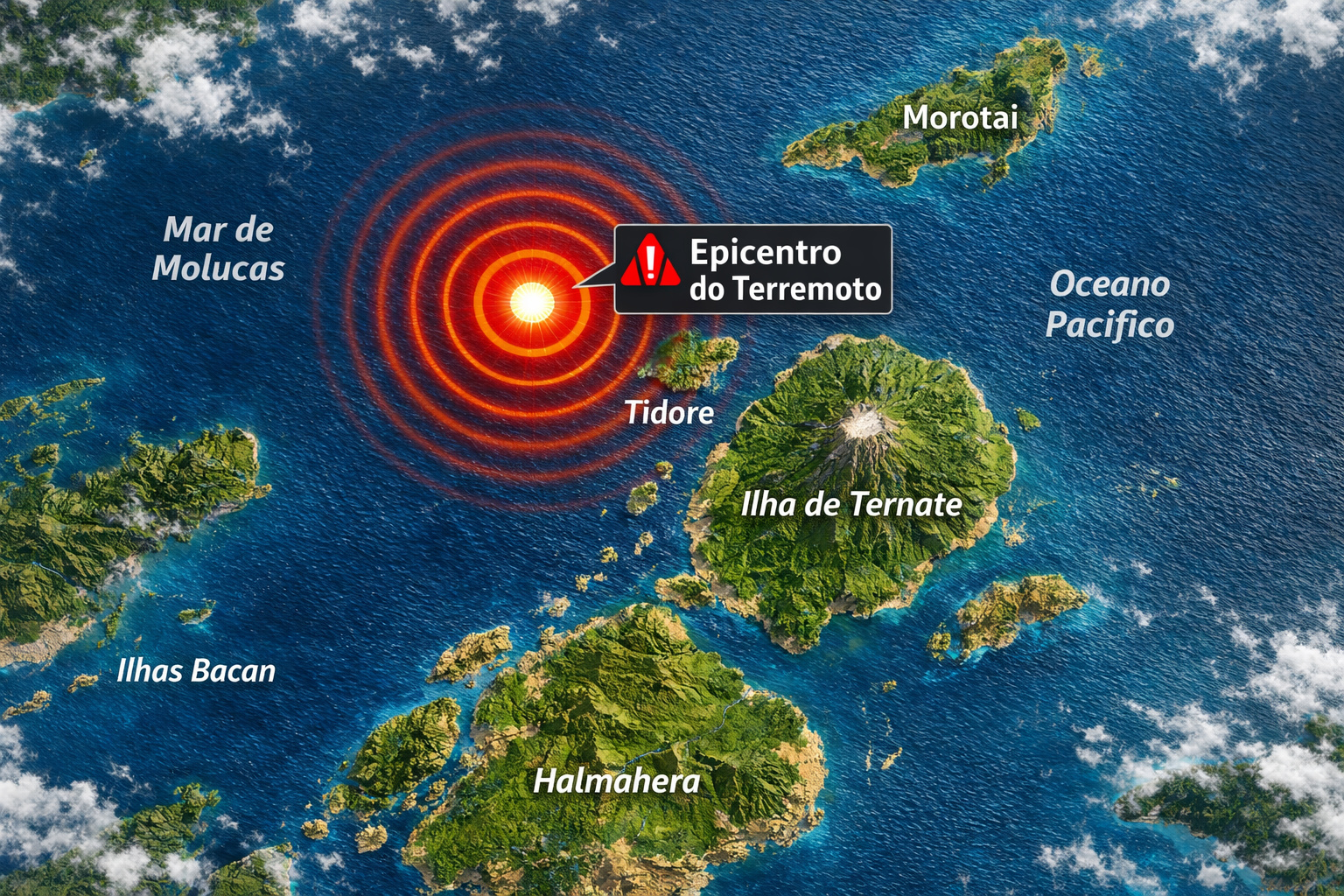
A strong earthquake in Indonesia affects houses and schools, causes panic, triggers a tsunami alert, and records a rise in sea level of up to 30 centimeters in some areas.

-
The Argentine government celebrates the lowest poverty rate in 7 years, but experts warn that the methodology has changed, real wages have fallen, unemployment has risen, and the number of people on the streets of Buenos Aires has increased by 57% since Milei took office.

-
7.8 magnitude earthquake in Indonesia frightens the population, triggers tsunami alert, and hits an island with over 200,000 inhabitants this Thursday.
With 1,139,047 inhabitants, according to the 2022 Census, Campinas ranks as the 14th most populous city in the country and the first among the municipalities in the interior.
Industrial Diversification and Logistical Potential of Campinas
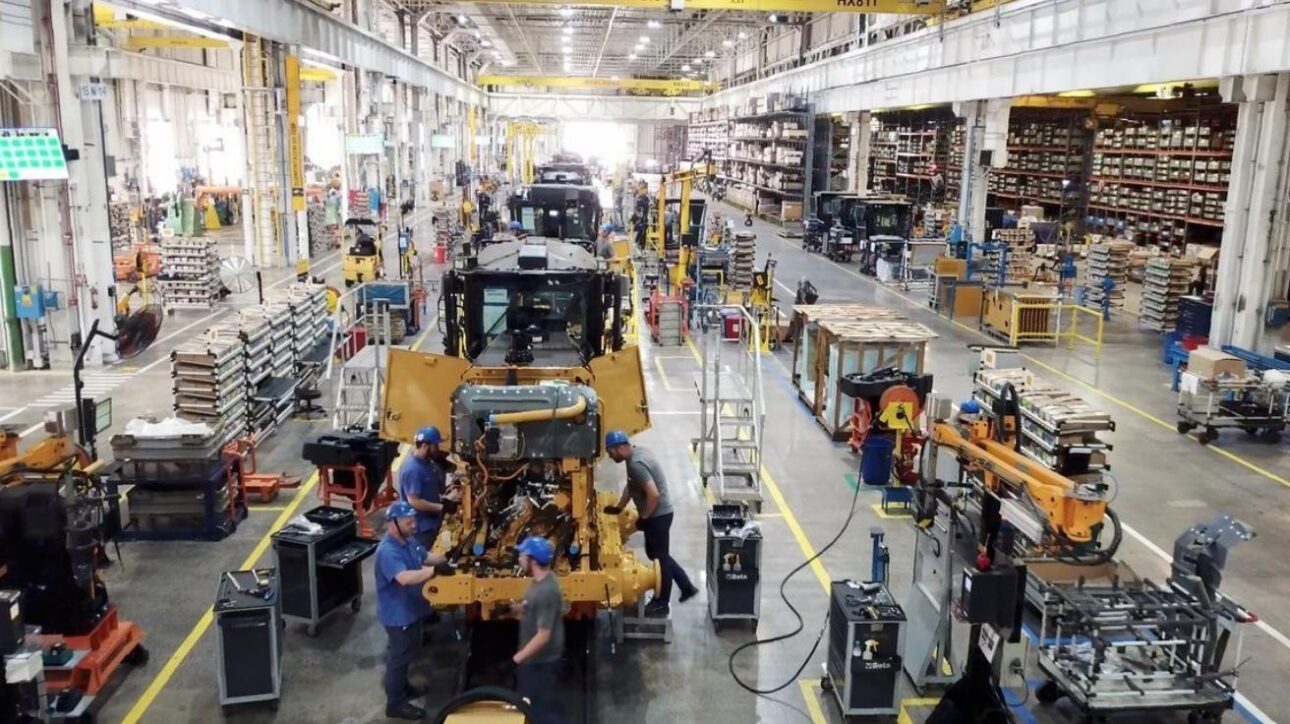
The diversity of the local industrial base includes sectors of high technology, agribusiness, petrochemicals, metallurgy, automotive, pharmaceuticals, and food.
Large companies such as Bosch, IBM, Dell, Honda, Nestlé, and 3M maintain operations in the city or its surroundings.
In neighboring Paulínia, the petrochemical hub houses companies such as Braskem, Shell, and ExxonMobil, consolidating the region as one of the most strategic in Brazil.
The Viracopos International Airport, located just 17 km from the center, is responsible for approximately 18% of the national air cargo volume.
This infrastructure integrates with the road network composed of the Anhanguera, Bandeirantes, Dom Pedro I, and Santos Dumont highways.
Combined, these modes transform Campinas into a high-performance national logistics axis.
Economic Growth and Job Creation
The municipal GDP, of about R$ 72.9 billion in 2021, placed the city in the 12th position in the national ranking.
The GDP of the Campinas Administrative Region (RMC) reached R$ 662.4 billion in 2024, growing 3.2% compared to 2023, outperforming 21 Brazilian states and the Federal District.
From January to August 2024, 84,122 formal jobs were created in the RMC — a growth of 16.8% compared to the same period in 2023.
Urban Structure, Income, and Quality of Life
The municipal GDP per capita is approximately R$ 59.6 thousand, above the state average.
The municipal HDI reaches 0.852 (high), with expressive indicators in education (0.925) and income (0.845).
The infant mortality rate is 14.05 per thousand live births, according to IBGE data.
The estimated population in 2024 is about 1,185,977 people.
Education, Science, and Innovation
The State University of Campinas (Unicamp) has more than 33,000 students, of which 3% are foreign.
In the Times Higher Education 2025 ranking, the institution ranks among the 351–400 best in the world.
It also appears among the 151–200 most respected globally according to the THE Reputation Survey.
Unicamp is responsible for about 15% of national scientific production and leads in patents among public institutions.
Part of the innovation ecosystem are the National Synchrotron Light Laboratory (LNLS), the National Center for Research in Energy and Materials (CNPEM), and the CPqD.
Startup Hub and Technological Parks
Campinas is the municipality in the interior of São Paulo with the highest number of startups — 174 companies, according to the Sebrae Startups Report 2024.
At the Unicamp Science and Technology Park, 35 startups and 37 incubated companies generated R$ 129 million in 2024.
Focused on base innovation, the park generated 582,000 emerging consumers in various international markets, including robotics and biotechnology solutions.
Additionally, the region houses 5 technological parks, 2 incubators, and 2 accelerators, comprising more than 120 technology-based companies.
According to Anprotec’s report, the combined revenue of these startups and incubators grew by 19% in 2023, reaching R$ 82 million.
Examples of globally recognized companies include the Brazilian BotCity, accelerated by Y Combinator and supported by Softbank, operating in more than 50 countries.
Sustainability and Technological Future
The International Hub for Sustainable Development (HIDS) is under development, planned to occupy 11.3 million m² between Unicamp and PUC-Campinas.
The project aims to support companies aligned with the 17 Sustainable Development Goals of the UN, generating synergy with institutions such as Embrapa, Cargill, and the state government.
With the HIDS, Campinas reinforces its vocation for sustainable economic growth, anchored in applied research, innovation, and socio-environmental responsibility.
Do you believe Campinas has enough infrastructure to become the largest technological hub in the country in the coming years? What is needed for this definitive leap?








-

Uma pessoa reagiu a isso.