





 Portuguese
  English
  Spanish
  3 min of reading
  0 comments



This Treaty, Signed in 1903, Sealed the Annexation of Acre to Brazil After Years of Conflicts and Complex Negotiations
On November 17, 1903, the territory of Acre was officially annexed to Brazil after the signing of the Treaty of Petrópolis.
This historic agreement was signed between the Minister of Foreign Affairs, José Maria da Silva Paranhos Júnior, better known as Baron of Rio Branco, and representatives of the Bolivian government, according to the G1/Globo website.
This signing put an end to the Acrean Revolution, which had lasted about four years, and solidified the Brazilian presence in the region.
-
Mr. Mário reveals the technique of the caipira papaya: he cuts the fruit in half, discards the seeds from the tip, and plants the ones from the back to increase the chance of a productive female tree.

-
Few remember, but the submarine that disappeared in 1968 with 52 crew members was found after 51 years at the bottom of the sea at more than 2,000 meters, intriguing the entire world.

-
With 1,200 tons suspended, the Japan mega-structure in a grid shape with a floating sphere from Fuji TV features two 25-story towers connected by elevated walkways, titanium panels, and impresses the world with its ability to reduce wind impact.

-
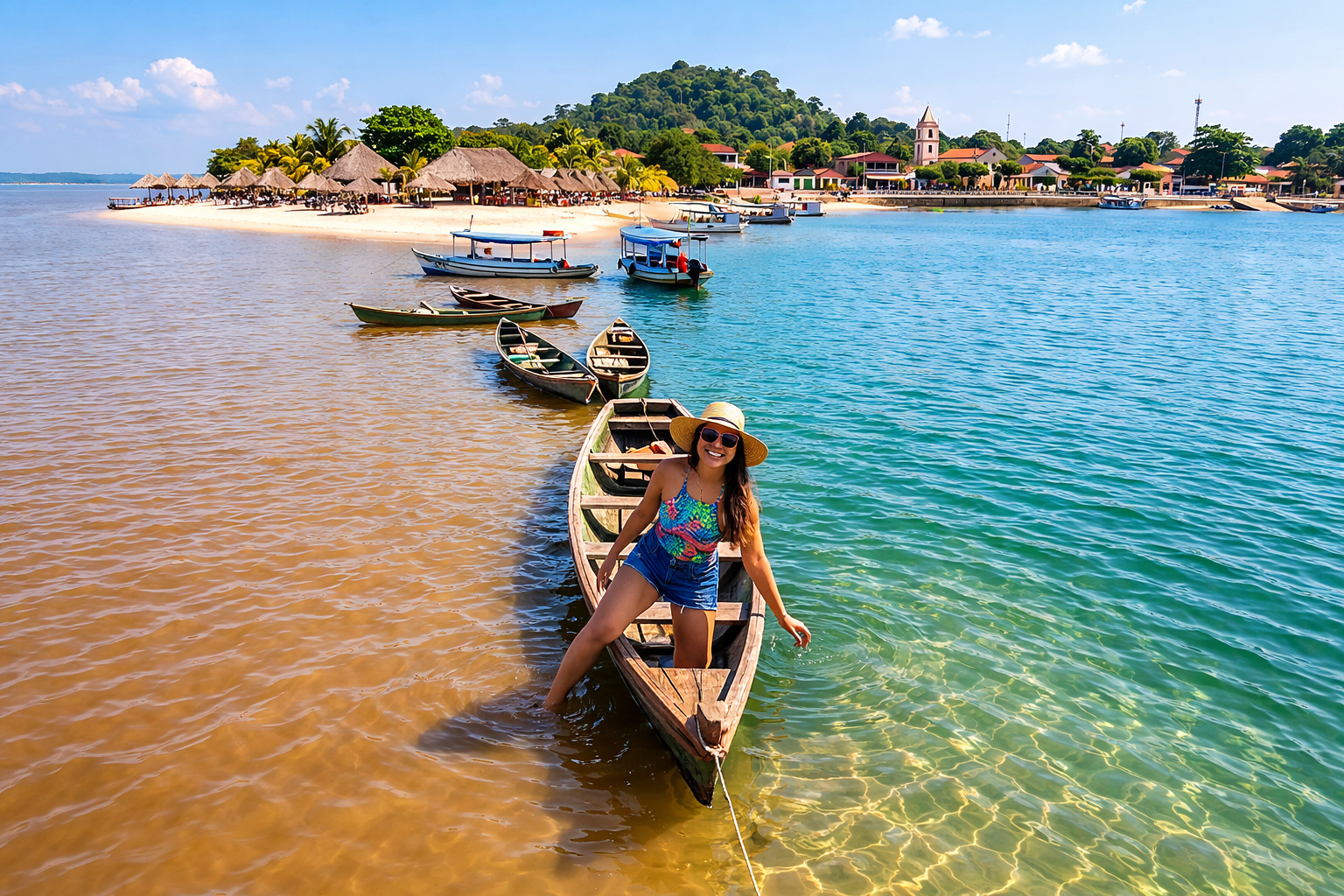
The village where two rivers run side by side without mixing in Santarém and Alter do Chão reveals some of the most beautiful freshwater beaches on the planet.

Context of the Acrean Revolution
The Acrean Revolution began in 1899, when Brazilians proclaimed the Republic of Acre in response to the Bolivian occupation of the territory.
At that time, the region was primarily inhabited by Brazilian rubber tappers, many of whom were northeastern immigrants seeking new opportunities in rubber extraction.
These workers faced increasing hardships under Bolivian administration, and dissatisfaction culminated in a revolutionary movement.
Have you ever wondered how the struggle for autonomy in Acre influenced its economic development?
The extraction of rubber became a vital source of wealth, not only for the rubber tappers but also for the Brazilian economy as a whole.
The Treaty of Petrópolis and the Negotiation
The Treaty of Petrópolis was the result of complex and strategic negotiations.
The Baron of Rio Branco not only secured the annexation of Acre but also negotiated the exchange of flooded areas in Mato Grosso for a sum of 2 million pounds sterling.
This amount, which corresponds to over R$ 14.6 million today, was considered a high price at the time, but it ensured peace between the two countries.
The treaty was fundamental for the consolidation of the Brazilian border and the territorial expansion of Brazil.
The integration of Acre into the national territory not only altered geographical boundaries but also had a significant impact on the local demographics and economy.
The Importance of the Treaty for Acre and Brazil
The Treaty of Petrópolis is often described as the “birth certificate” of Acre, as it legitimizes its inclusion in Brazil.
This document not only formalized the annexation but also allowed Acre to develop as an integral part of the country.
With the arrival of new settlers and investments, the region began to transform into an important economic center.
Furthermore, the signing of the treaty also symbolized a shift in the foreign policies of Brazil, which sought to establish itself as a power in South America.
This territorial expansion strategy was important for strengthening Brazil’s presence in the Amazon region.
Cultural and Historical Legacy of Acre
The stories of the Acrean Revolution and the Treaty of Petrópolis were depicted in the miniseries “Amazônia de Galvez a Chico Mendes,” which aired on TV Globo in 2007.
This work, written by the novelist Glória Perez, narrates significant events in Acre’s history and presents characters who played crucial roles during this turbulent period.
Did you know that Acre is known for its rich biodiversity and unique culture?
The region is home to various indigenous ethnicities and a mix of cultural influences, reflecting its history and development.
Reflections on the History of Acre
The date of November 17 is an important milestone not only for Acre but also for all of Brazil.
The annexation of Acre not only alters the geography of the country but also impacts the lives of all who inhabit this region.
Celebrating historical events like the Treaty of Petrópolis is essential for understanding the formation of Acre’s identity.
If you are curious about the history of Acre and how its annexation to Brazil shaped the region, do not hesitate to explore more on the subject.
What do you think could have happened if Acre had not been annexed by Brazil?
Share your thoughts and reflections on the importance of this treaty and its relevance in the history of Acre and Brazil.






Seja o primeiro a reagir!