





 Portuguese
  English
  Spanish
  4 min of reading
  0 comments


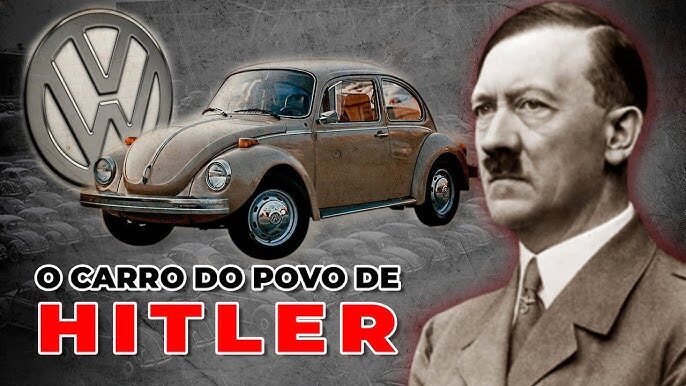
The Origins Of Volkswagen Are Deeply Tied To A Political And Ideological Project From The 1930s, Revealing Surprising Connections To The Nazi Regime And Little-Known Details About The Historical And Social Impact Of This Obscure Relationship.
The Birth Of The “People’s Car,” Conceived By The Nazi Dictator, Still Sparks Debates About The Past Of The German Automaker.
Volkswagen, today one of the largest car manufacturers in the world, has a history that few consumers know in detail — and which directly dates back to the darkest period of Germany: the Nazi regime of Adolf Hitler.
Behind The Name “Volkswagen,” Which Literally Means “People’s Car,” Is A Political And Ideological Origin Directly Associated With Hitler’s Totalitarian Project.
-
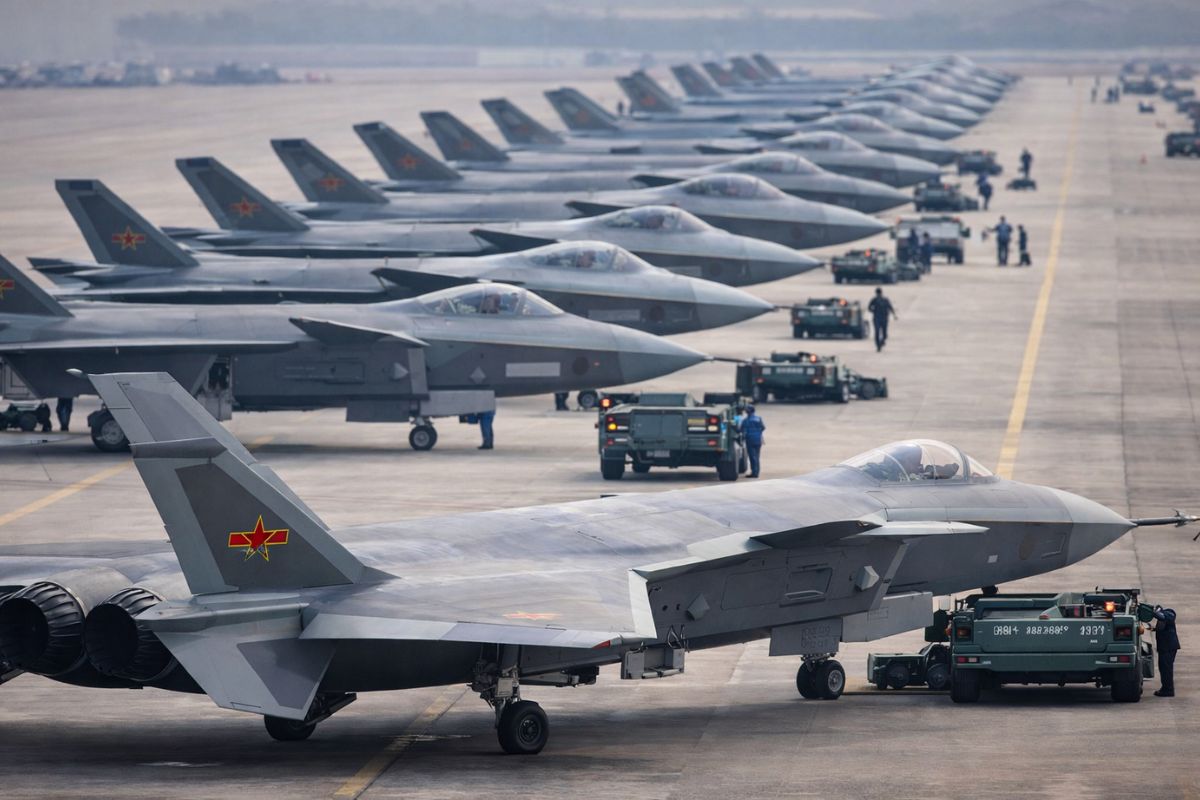
The United States has a serious problem with its F-35s: China is already producing fighters at a pace that exceeds American capacity and could manufacture up to 300 aircraft per year before the end of the decade, shifting the global military balance.
-
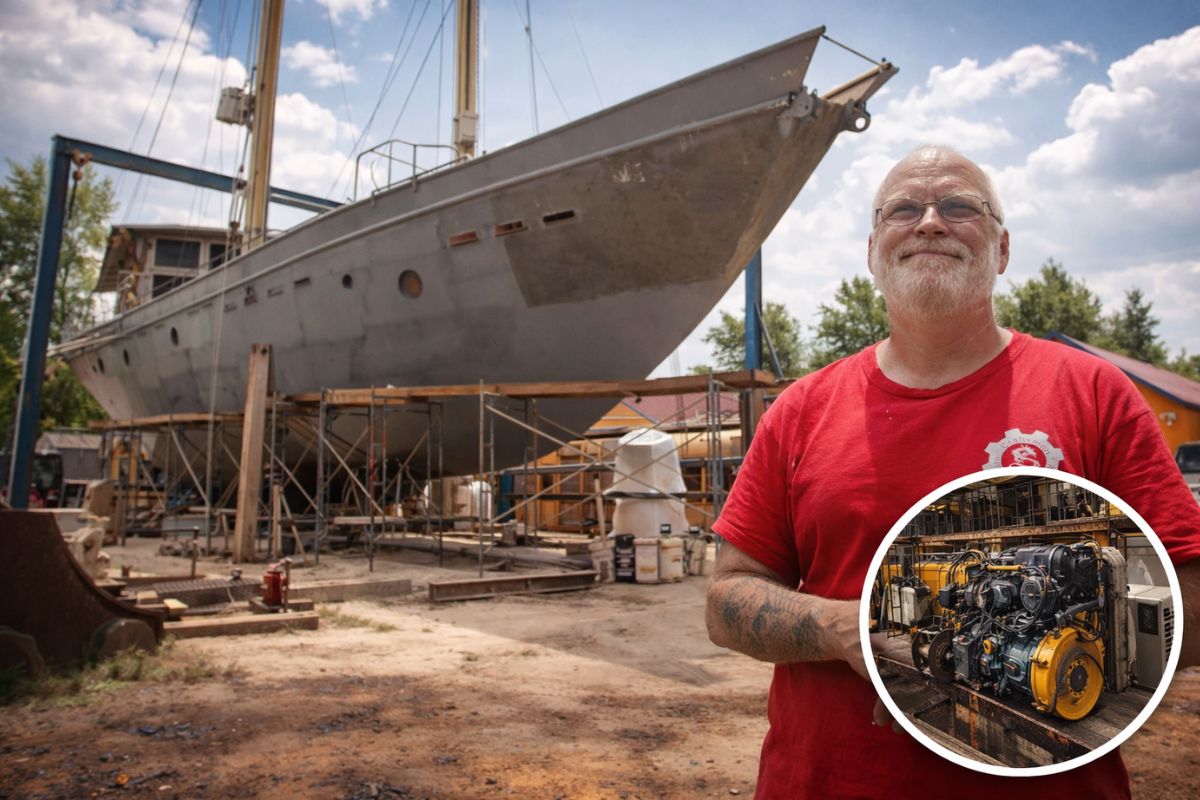
A retired IT professional built a 22-meter boat in his backyard in Oklahoma with a school bus engine, light pole masts, and handmade watertight doors to become the redneck version of Jacques Cousteau.
-
China is building a city in Brazil: a complex with an investment of R$ 5.5 billion comes to light, but allegations involving workers draw attention.
-
While Argentina buys old war equipment, Brazil is keeping an eye open and joins the select group of nations with advanced military technology by investing $5.2 billion, producing 36 Gripen fighters in the country, and reducing operational costs.

The Creation Of The Brand Was Motivated By An Old Dream Of Hitler: To Provide An Affordable Automobile For German Families.
At The Time, Most Of The Population Could Not Afford A Car.
Transportation Was A Privilege Of The Elites.
Hitler’s Plan Was Clear: Ensure That The Average Citizen Of The Reich Could Have Their Own Vehicle — Something That Would Reinforce National Pride And Consolidate The Nazi Ideal Of Progress And Unity.
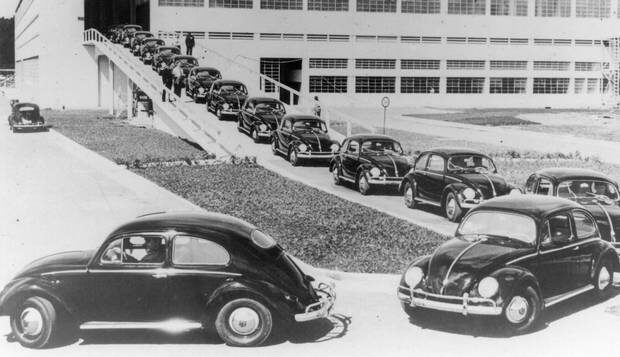
The Proposal: A “People’s Car” At The Price Of A Motorcycle
In 1933, A Few Months After Coming To Power, Hitler Began To Outline The First Steps Of What Would Become The Volkswagen Project.
In 1934, He Officially Commissioned Engineer Ferdinand Porsche — Yes, The Same One Who Would Found The Famous Porsche Brand — To Develop An Affordable, Efficient, And Durable Popular Automobile.
The Goal Was Ambitious: To Create A Car That Cost Less Than A Thousand German Marks (The Equivalent Of The Price Of A Motorcycle At The Time).
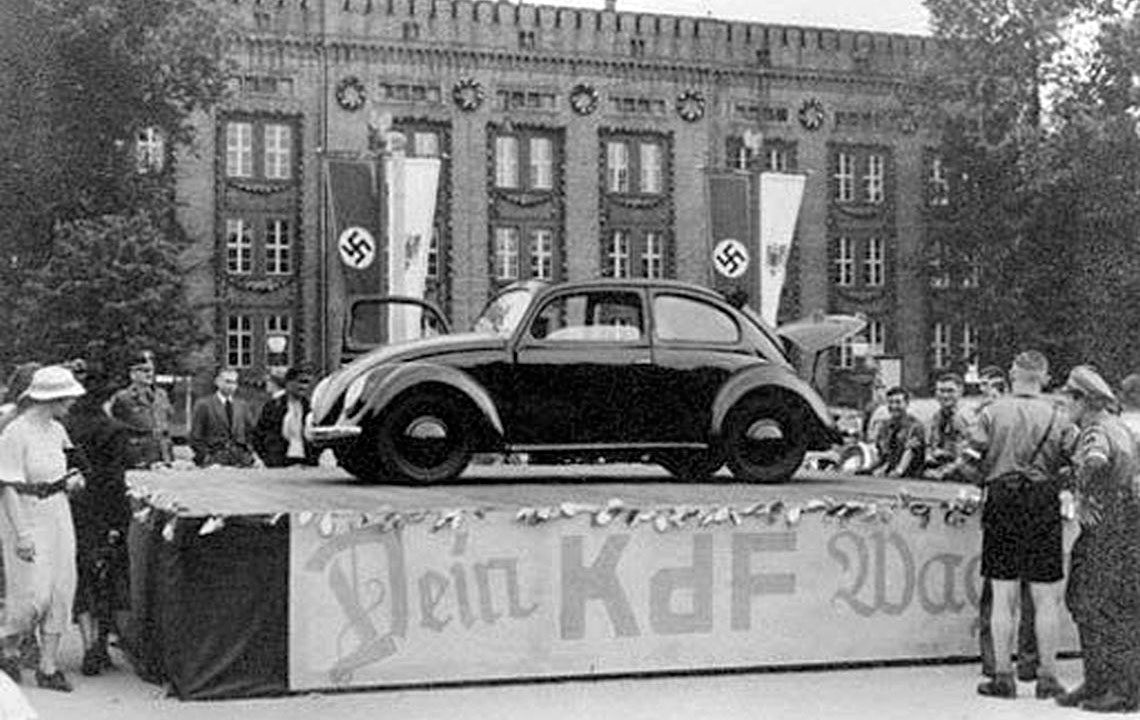
The Result Of The Project Was The Famous “KdF-Wagen” (Kraft durch Freude-Wagen, Or “Car Of Strength Through Joy”), A Name Inspired By A Nazi Propaganda Program That Promoted Leisure And Culture Among Workers.
This Vehicle, Which Would Later Become Known As The “Beetle,” Had Rounded Shapes, A Rear Engine, And Was Designed To Be A Symbol Of National Engineering.
The Factory Built With Forced Labor
To Produce The KdF-Wagen On A Large Scale, The Gesellschaft zur Vorbereitung des Deutschen Volkswagens mbH Was Founded In 1937, Which Would Later Change Its Name To Volkswagenwerk GmbH.
The Industrial Plant Was Erected In The Newly Created City Of Stadt des KdF-Wagens (Now Known As Wolfsburg).
The Construction Of The Factory And The City Was Partly Funded By Contributions From The German Workers Themselves, Through A Coupon System That Promised The Right To The Car After Full Payment.
However, No Civilian Worker Ever Received Their Car.
World War II Broke Out Before Mass Production Could Begin, And The Factory Was Used For Military Purposes — Including The Manufacture Of Utility Vehicles For The Nazi Army, Such As The Kübelwagen And The Schwimmwagen.
Later, It Was Discovered That Volkswagen’s Factory Used Forced Labor From Prisoners During The War, Including Jews, Prisoners Of War, And Enslaved Workers From Occupied Countries.
This Dark Chapter Is Widely Recognized Today, And The Company Has Made Public Statements Acknowledging Its Historical Responsibility.
The Renewal In The Post-War Era — And The Birth Of The “Beetle”
With The End Of The War In 1945, The Volkswagen Factory Was Seized By British Forces.
Instead Of Destroying It, As Initially Thought, The Allies Decided To Reactivate Production Of The Model Developed By Porsche.
Thus, The Former “KdF-Wagen” Gained A New Name And Identity: Volkswagen Beetle — Known In Brazil As Fusca.
The Beetle Would Become The Best-Selling Car In The World At Its Time, Surpassing Even The Ford Model T, With Over 21 Million Units Produced.
The Name “Volkswagen” (People’s Car) Was Retained, And The Company Gradually Distanced Itself From Its Nazi Origins, Eventually Transforming Into A Global Power In The Automotive Industry.
Recognition Of The Past And Compensations
Starting In The 1990s, Volkswagen Began To Officially Recognize Its Connection To The Nazi Regime And The Crimes Committed During The War.
The Company Supported Independent Studies, Such As The One Published By Historian Hans Mommsen, Which Detailed The Use Of Slave Labor In Its Factories.
Additionally, It Contributed Funds For Victim Compensation.
In 1998, Volkswagen Announced Its Participation In A Compensation Fund For Former Forced Workers, Promoted By The German Government.
The Total Amount Was About US$ 5 Billion, Paid By Various Involved Companies.
Although The Name Volkswagen Is Now Associated With Innovation, Sustainability, And Modern Vehicles, Its Origin Is Intertwined With Propaganda, Exploitation, And Violence Of A Totalitarian Regime.
Little-Known Facts
Ferdinand Porsche Was A Nazi Sympathizer, And He Accepted The Task Given By Hitler Without Resistance.
He Even Received Decorations From The Regime.
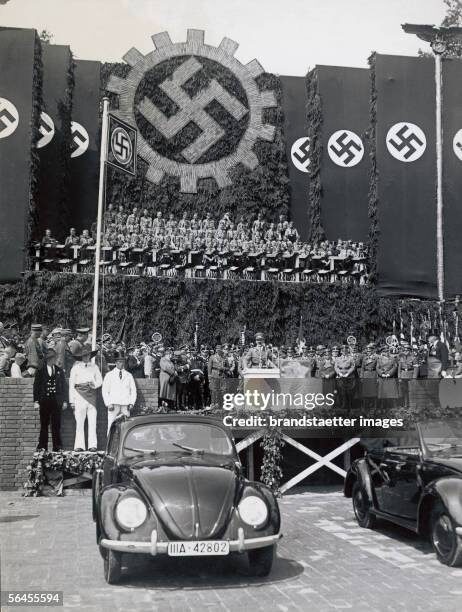
The “People’s Car” Was Used As A Symbol Of Nazi Propaganda At Fairs And Exhibitions.
The Name Of The City Of Wolfsburg Was Only Officially Adopted In 1945, After The End Of The War, To Disassociate From The Image Of Nazism.
Today, Volkswagen Tries To Build A Sustainable Electric Future — But Should The Company’s Dark Past Be Remembered More Often?








Seja o primeiro a reagir!