





 Portuguese
  English
  Spanish
  3 min of reading
  0 comments


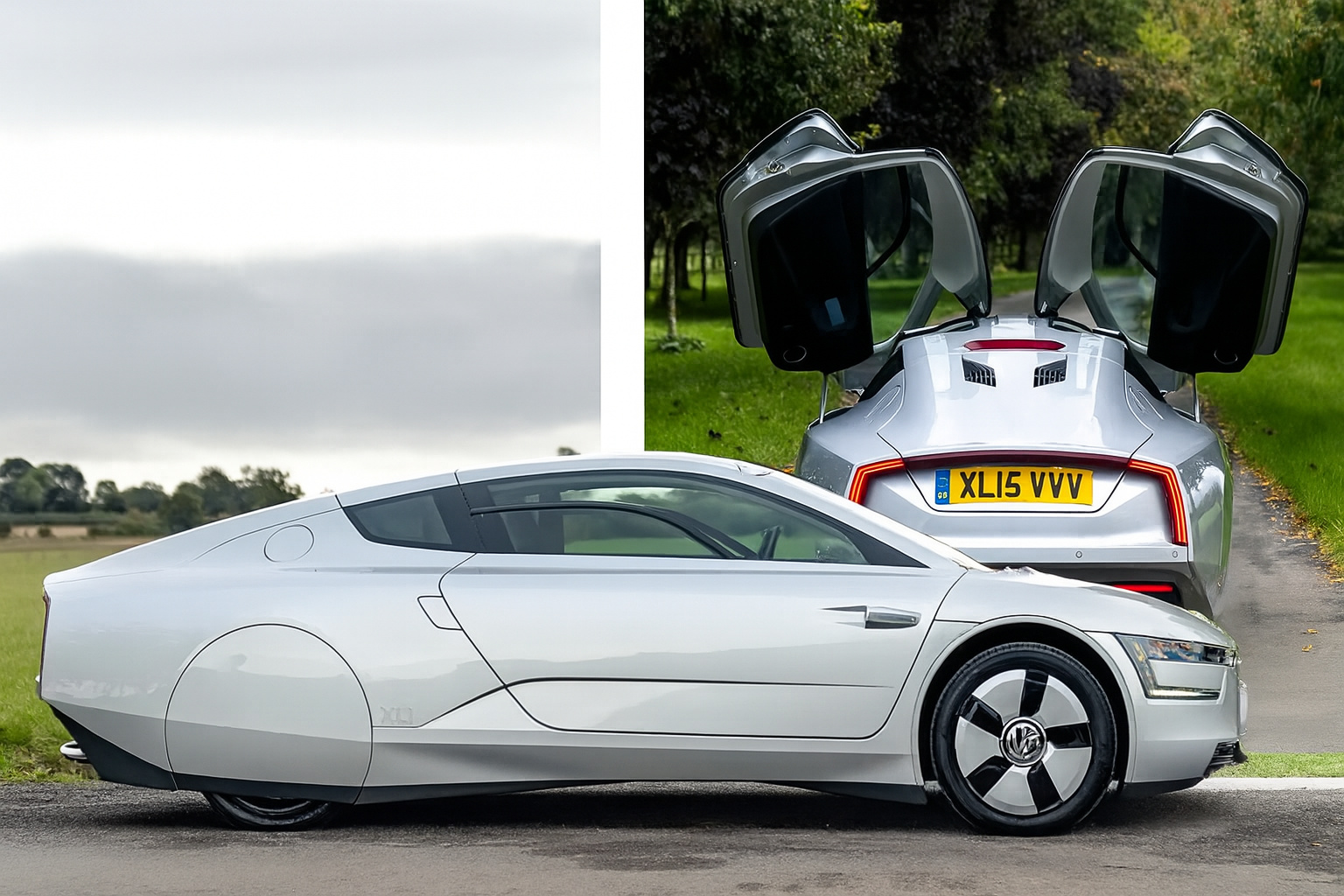
Volkswagen XL1 Surprised The World By Promising 100 Km Per Liter. With Futuristic Engineering, It Became The Most Fuel-Efficient Car Ever Produced And A Milestone In Automotive Efficiency.
Imagine traveling the distance between Campinas and São Paulo using just one liter of fuel. It may seem like a distant dream, but that’s exactly what Volkswagen aimed to achieve with the Volkswagen XL1, one of the brand’s boldest projects. With a promised consumption of 100 km/l, the model became a reference in fuel economy and still holds the title of the most fuel-efficient vehicle in the world, even after being discontinued a few years ago.
The Challenge Of Creating A Car That Does 100 Km/L
In the early 2000s, Volkswagen, under the leadership of Ferdinand Piëch, set out to prove that extreme efficiency was possible in a street car. The project began as a prototype in 2002, evolved in 2009, and by 2013, hit the streets as the Volkswagen XL1 in a limited series of 200 units.
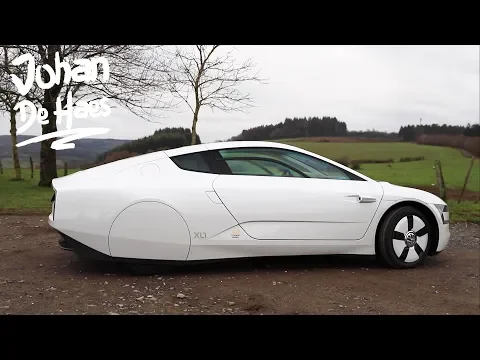

Piëch, grandson of Ferdinand Porsche, had already led ambitious projects like the Bugatti Veyron and the Volkswagen Phaeton. But the XL1 was different: it wasn’t about luxury or speed, but absolute efficiency, serving as a true laboratory on wheels to test economy technologies and lightweight materials.
-
The 2026 electric Vitara arrives in Brazil and proves that Suzuki is not leaving: 4×4 traction, 184 hp, 61 kWh LFP battery, 293 km range, R$ 259,000, and a trunk capacity of 224 L.
-
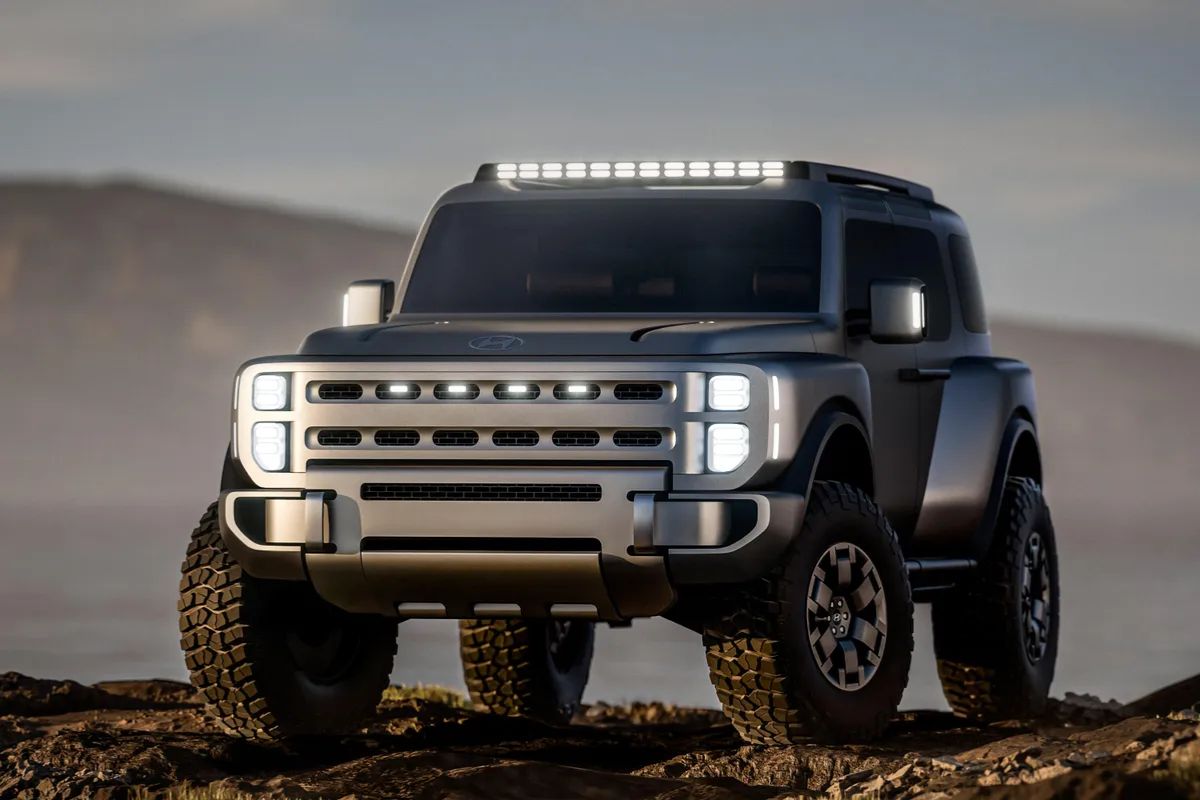
Hyundai has unveiled the Boulder, a square SUV with a body-on-frame design, 37-inch mud tires, and carriage-style doors that seems to be made to take on the Ford Bronco and the Scout Traveller in the United States.
-
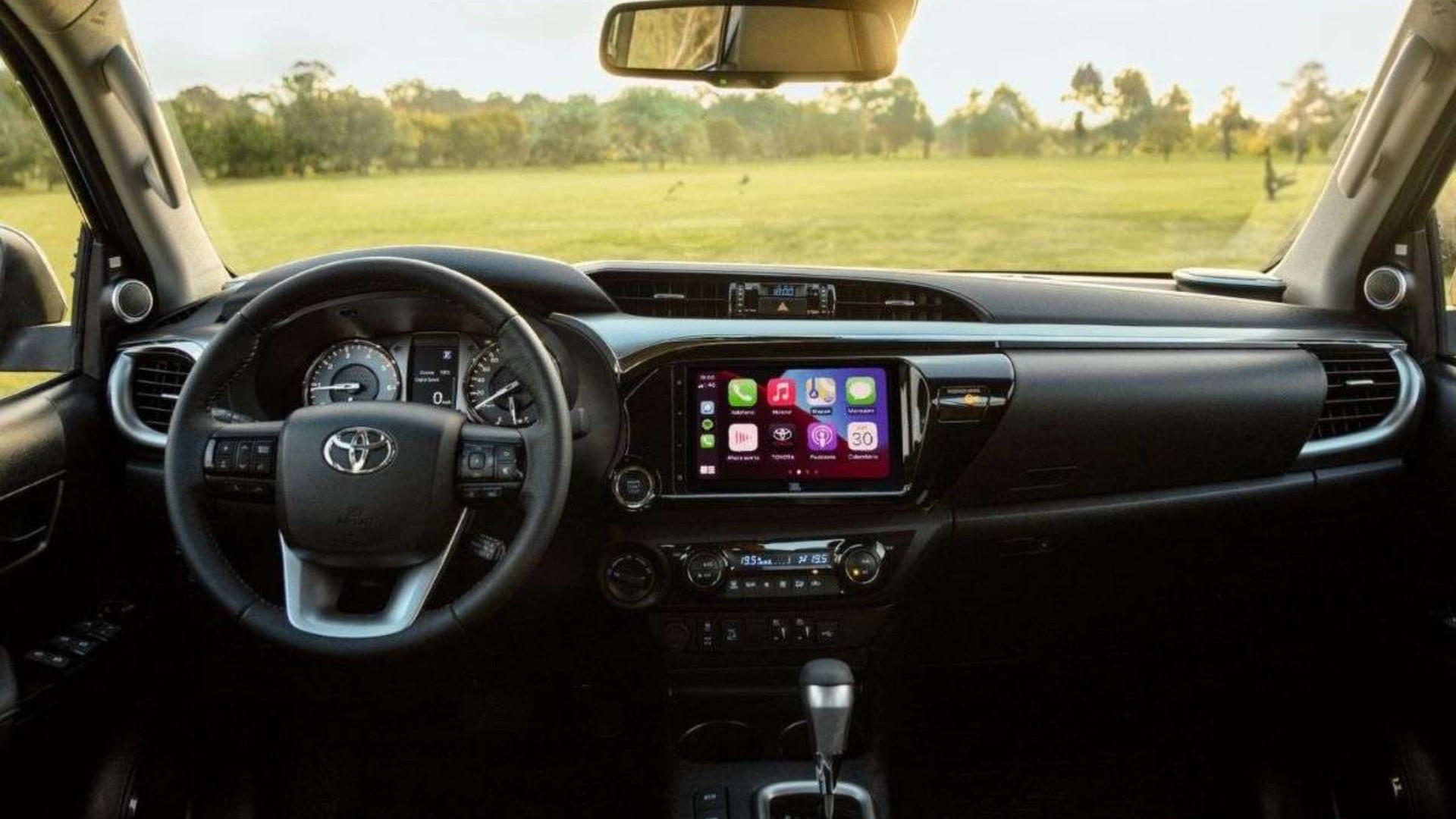
The Toyota Hilux is R$ 75.5 thousand cheaper and bets on the 2.8 turbodiesel engine with up to 204 hp and 50.9 kgfm to catch up with the VW Saveiro, which leads with 4,472 sales.
-
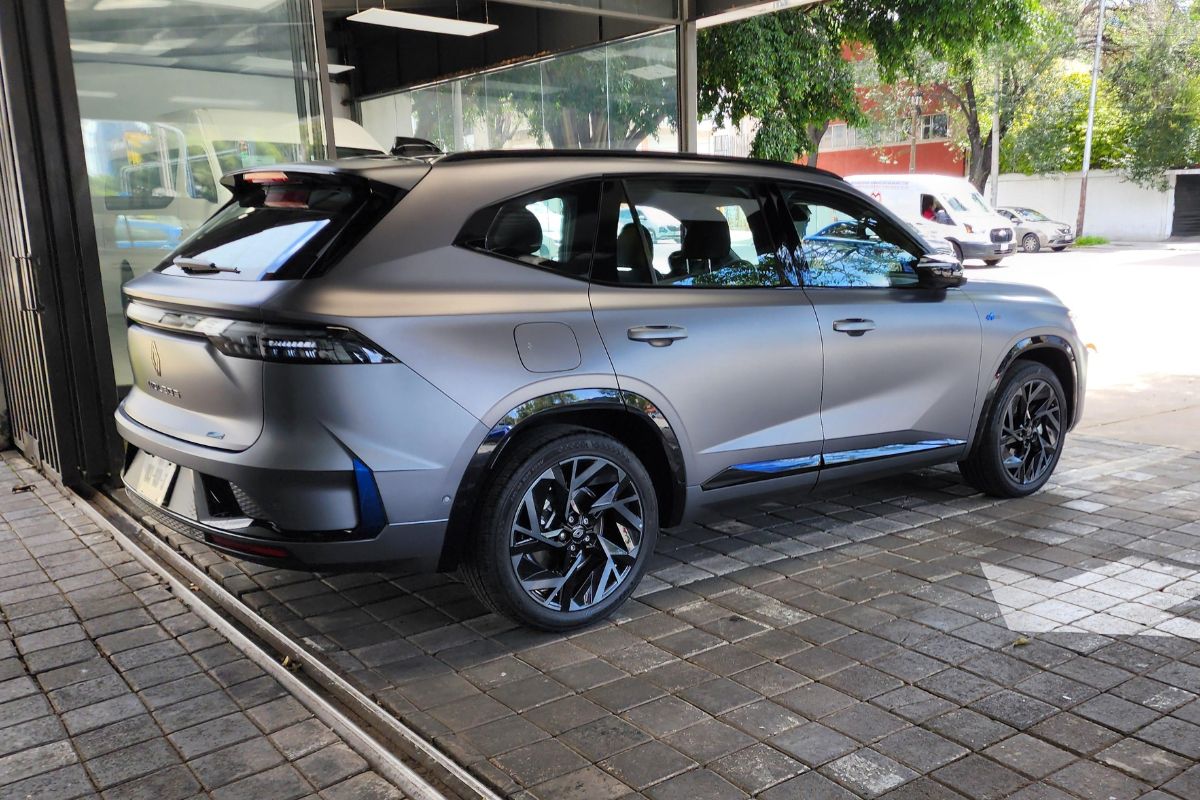
The new Renault Koleos has a screen exclusively for the passenger that is invisible to the driver, heated rear seats, and 29 assistance systems, but its Chinese competitors cost R$ 40,000 less and deliver more power.

How The XL1 Achieved Such Low Consumption
To achieve a consumption close to 100 km/l, the futuristic engineering of the VW XL1 combined advanced aerodynamics, ultra-lightweight construction, and hybrid powertrain. The car uses a 0.8 TDI two-cylinder engine that delivers 47 hp, paired with a 27 hp electric motor. Together, they generate 68 hp, enough to move a car that weighs only 795 kg, thanks to the use of carbon fiber, magnesium, and aluminum in its structure.

The seven-speed DSG transmission was tuned to prioritize efficiency, while the design of the car, with covered wheels and mirrors replaced by cameras, helps reduce aerodynamic drag. The fuel tank, only 10 liters, reflects Volkswagen’s confidence in the car’s range, which could reach 400 km by combining the electric and diesel engines.
What It Delivered In Practice
Although the official consumption figure reached 111 km/l under specific conditions, in practice, the Volkswagen XL1 delivered around 50 km/l using just the diesel engine, and combined with the electric motor, it ranged from 70 to 80 km/l, figures that remain impressive today in terms of efficiency.
The XL1 was capable of driving about 50 km in 100% electric mode, which meant that for short trips within the city, it operated without consuming fossil fuel, and for longer journeys, the diesel engine kicked in to supplement the range.

Lighter Than A Kwid, But With Advanced Engineering
The total weight of the XL1, at 795 kg, is lower than that of compact cars like the Renault Kwid, but the project was much more advanced. The use of materials like carbon fiber not only reduced weight but also increased structural rigidity, while the central positioning of the engine provided balance to the whole, a common feature in sports cars but rare in low-consumption vehicles.
A Rare Car, But One That Left A Legacy
Produced only between 2013 and 2016, the Volkswagen XL1 was neither cheap nor aimed at the general public. It was a branding project for the company, showcasing to the market what could be achieved in terms of efficiency if cost was not the main concern. Of the 200 units manufactured, many ended up in collections and technology events, becoming exhibition pieces that continue to inspire the industry.

The Volkswagen XL1 demonstrated that the pursuit of maximum efficiency is a feasible path and served as a basis for solutions applied in later hybrid and electric models from Volkswagen. Even though it is out of production, it remains an icon for those interested in reduced consumption, automotive engineering, and innovation in the sector.
Summary Technical Specifications – Volkswagen XL1
| Specification | Details |
|---|---|
| Powertrain | 0.8 TDI 2 Cylinders + Electric Motor |
| Combined Power | 68 hp |
| Torque | 14.3 kgfm |
| Real Average Consumption | 50–80 km/l |
| Fuel Tank | 10 Liters |
| Combined Range | Up To 400 Km |
| Weight | 795 Kg |
| Transmission | DSG 7 Speeds |
| Top Speed | 160 km/h |
| 0–100 Km/h | 12.7 Seconds |
| Production | 200 Units (2013 to 2016) |










-

Uma pessoa reagiu a isso.