





 Portuguese
  English
  Spanish
  3 min of reading
  1 comment


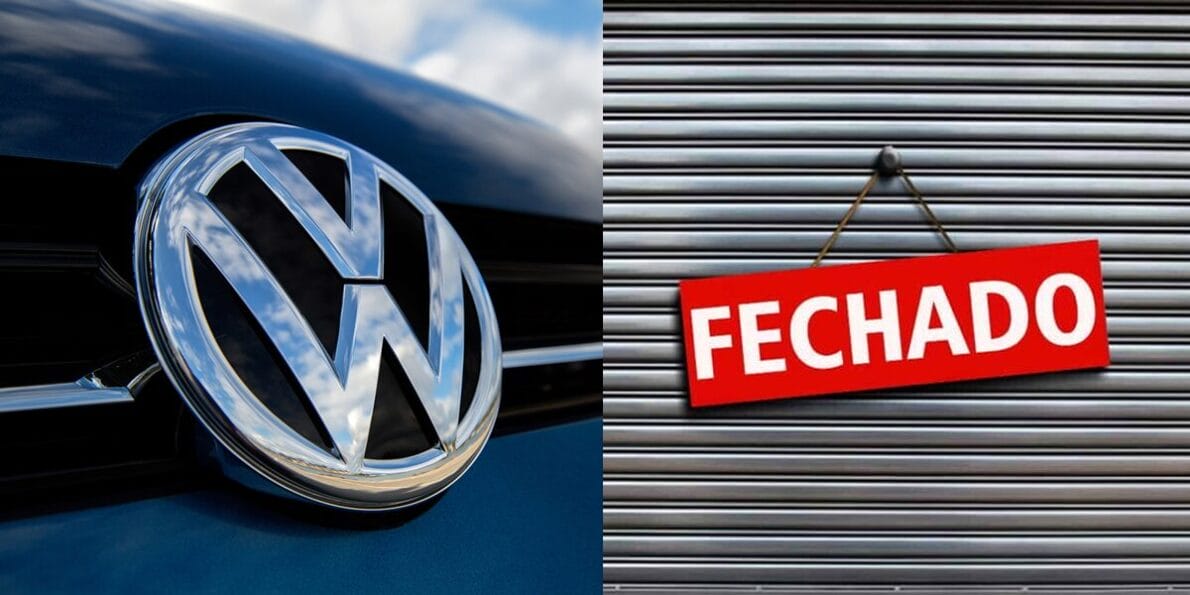

An Alarming Situation Is Shaking The Backrooms Of The Automotive Industry: Volkswagen, One Of The Largest Automakers In The World, Is Facing Serious Problems With Its Electric Cars, Which Could Result In Plant Closures And The Loss Of Thousands Of Jobs.
Volkswagen announced that it may close several factories due to losses in the electric vehicle market, a bet that has not delivered the expected results.
The first factory at risk of closure is in Brussels, Belgium, where the Audi Q8 e-tron is produced. Currently, about 3,000 employees work at this plant and face an uncertain future. The company has initiated a “process of information and consultation” to discuss alternatives, but closure is a real possibility.
Volkswagen Electric Cars Face Low Sales
The poor performance of Volkswagen’s electric cars is the main reason for this crisis. Models such as the ID.3 and ID.4, which were expected to be innovative, have not sold well.
-
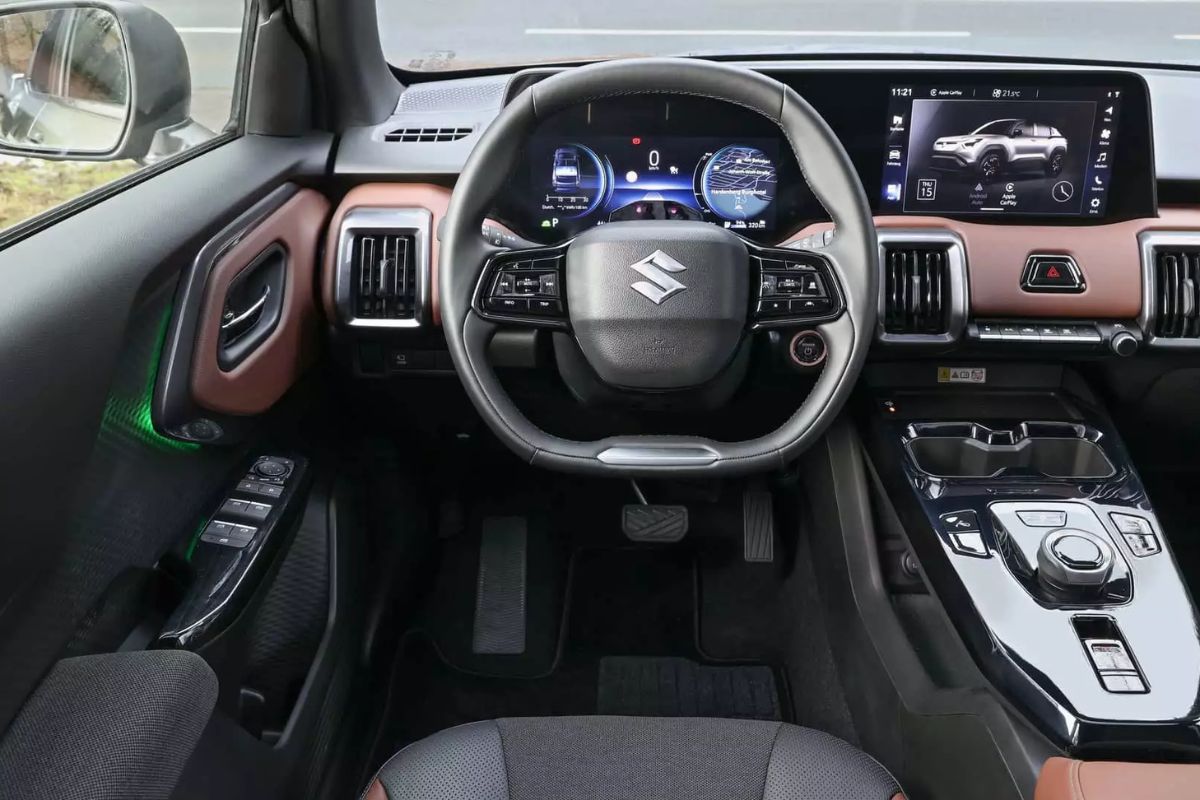
The 2026 electric Vitara arrives in Brazil and proves that Suzuki is not leaving: 4×4 traction, 184 hp, 61 kWh LFP battery, 293 km range, R$ 259,000, and a trunk capacity of 224 L.
-
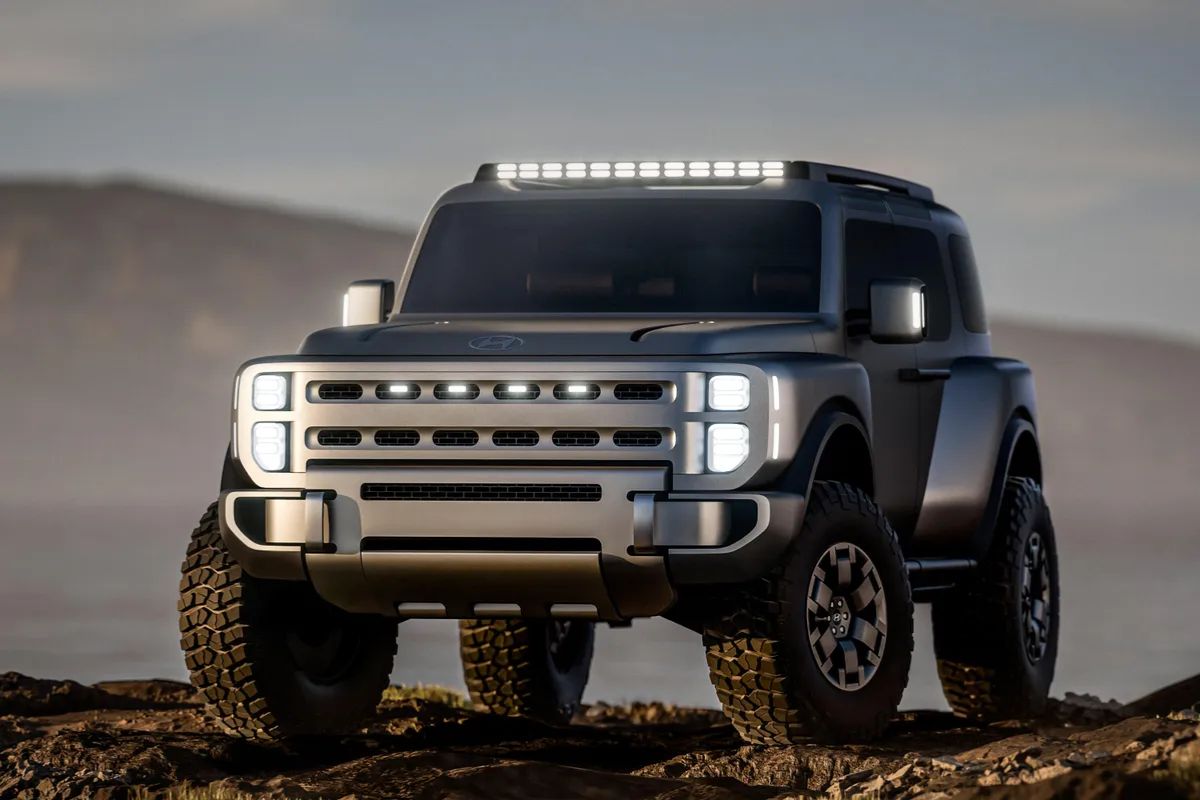
Hyundai has unveiled the Boulder, a square SUV with a body-on-frame design, 37-inch mud tires, and carriage-style doors that seems to be made to take on the Ford Bronco and the Scout Traveller in the United States.
-
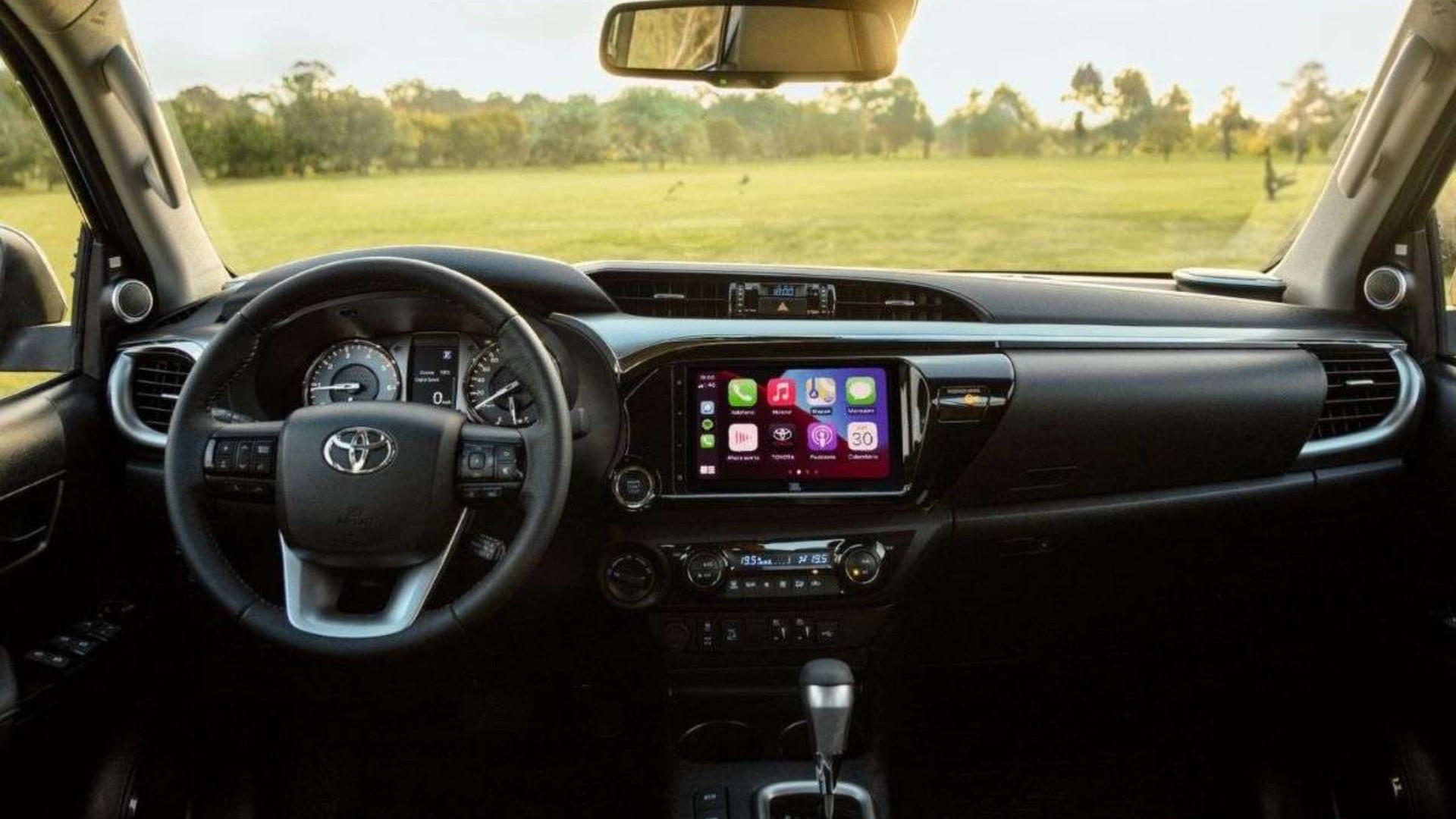
The Toyota Hilux is R$ 75.5 thousand cheaper and bets on the 2.8 turbodiesel engine with up to 204 hp and 50.9 kgfm to catch up with the VW Saveiro, which leads with 4,472 sales.
-
The new Renault Koleos has a screen exclusively for the passenger that is invisible to the driver, heated rear seats, and 29 assistance systems, but its Chinese competitors cost R$ 40,000 less and deliver more power.
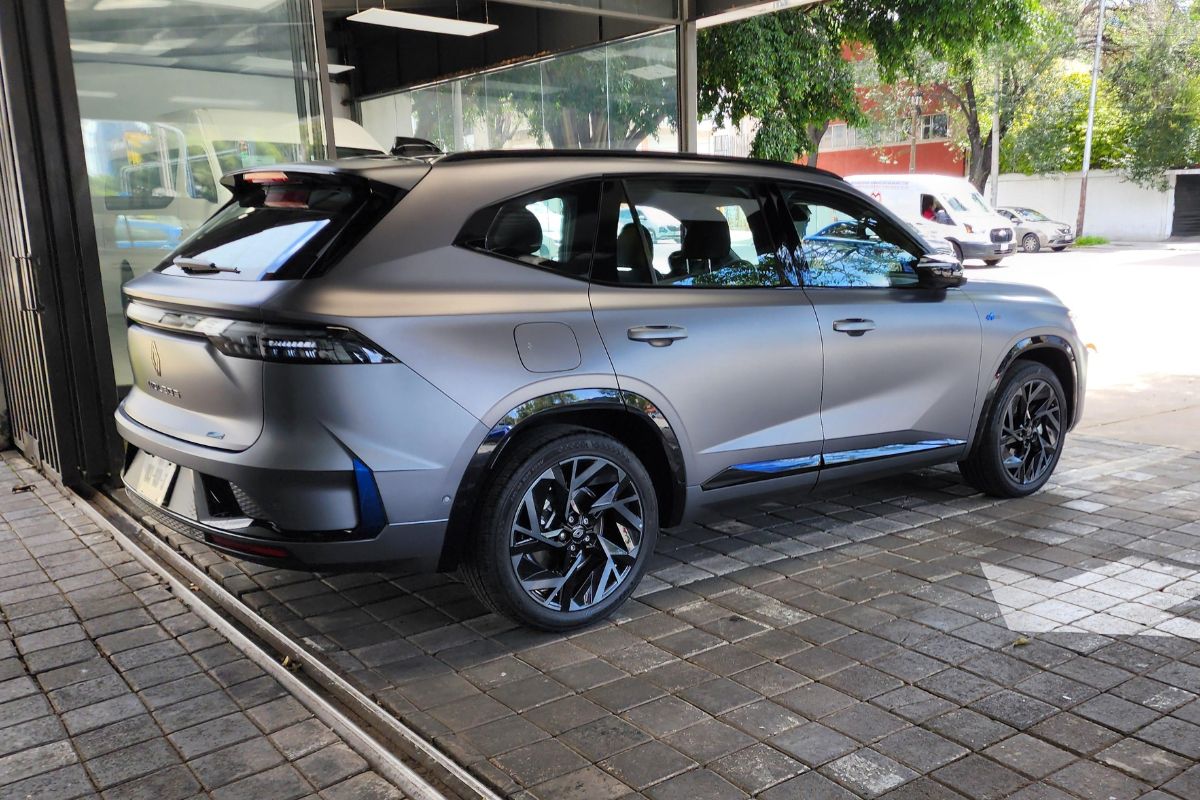
One of the problems is the high price of these vehicles, which has proven to be an obstacle for many consumers in Europe.
According to the German newspaper Berliner Zeitung, the losses from Volkswagen’s electric cars are so great that they could threaten the company if it does not take swift action.
In addition to the Brussels factory, the Zwickau plant in Germany is also at risk. This factory produces the Volkswagen ID.3, ID.4, ID.5, and Audi Q4 e-tron models, but it is operating at only two-thirds of its capacity.
Recently, Volkswagen announced the cut of 1,200 jobs in Zwickau and temporarily halted production at other plants in Germany, such as Emden and Dresden.
These actions reflect the challenges the company faces to keep its operations running.
And In Brazil? Volkswagen Faces Challenges In The National Market
Brazil is also an important market for Volkswagen, with large factories that play a crucial role in the local economy. Currently, the automaker has three main factories in the country:
- São Bernardo do Campo, São Paulo: known as Anchieta, it is one of the oldest Volkswagen factories outside Germany. It employs about 8,000 people and produces popular models such as the Polo, Virtus, and Nivus.
- Taubaté, São Paulo: this unit employs approximately 3,500 workers and manufactures models such as the Gol and the Voyage, which are well-known in Brazil.
- São José dos Pinhais, Paraná: with about 2,500 employees, this factory is responsible for producing the T-Cross and the Audi Q3.
So far, Volkswagen has not announced any factory closures in Brazil, but difficulties in Europe could have an indirect effect here. The continuation of operations in Brazil will depend on the recovery of sales and the company’s global strategy.
What Does The Future Hold For Volkswagen?
For experts, the crisis at Volkswagen is not only due to its strategy with electric cars but also to the pressure for automakers to quickly adapt to new demands for sustainability and innovation.
High production costs and a market that is not yet fully ready for the electric transition put the company in a challenging position.
Moreover, according to industry experts, Volkswagen will need to reevaluate its strategies, not just for electric cars, but also for its overall business model. This could include new partnerships, product diversification, and a review of prices to make them more competitive.







‘Apenas dois terços’? As fábricas no Brasil estão operadoras com 57% de ociosidade.