





 Portuguese
  English
  Spanish
  3 min of reading


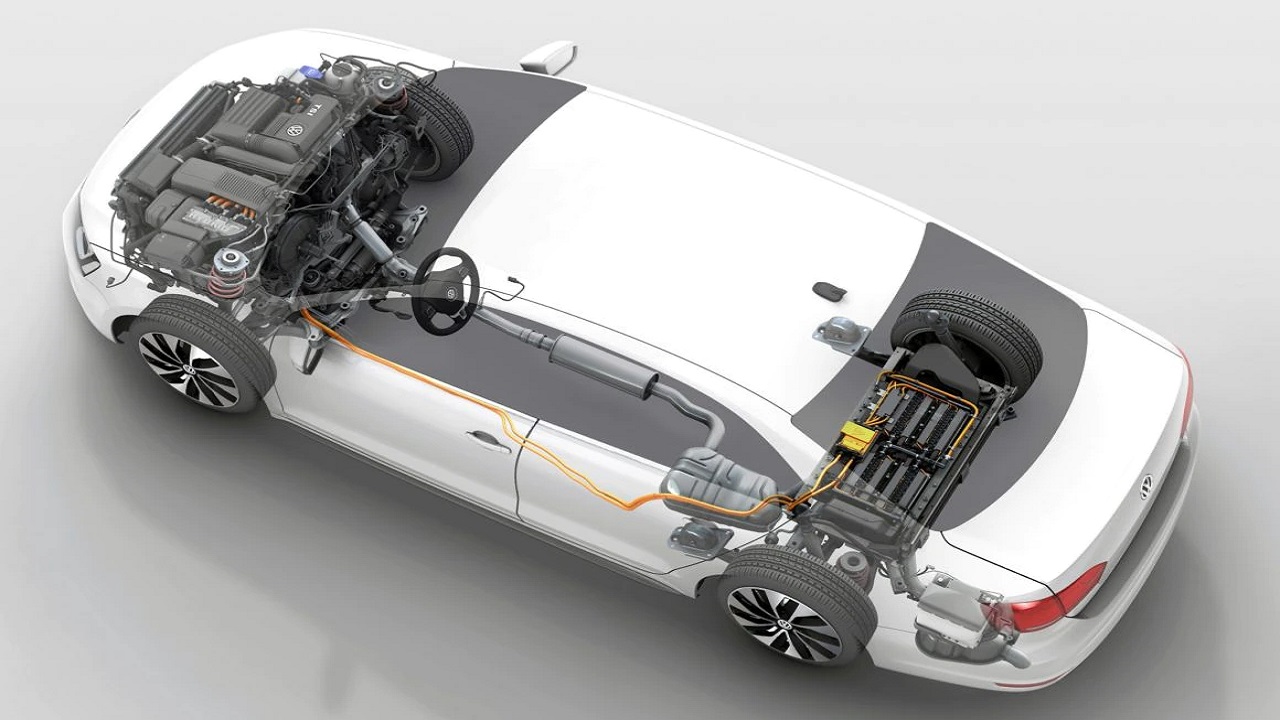
Following The Steps Of Japanese Toyota, Volkswagen Claims It Will Adopt Ethanol As The Best Path For The Electrification Of The National Vehicle Market And Considers Producing Vehicles With Flex Hybrid Engine
As Brazil lags behind in the race for fully electric cars, which are currently a distant dream for national consumers, Volkswagen follows Toyota’s footsteps and intends to launch vehicles with flex hybrid engines that use ethanol. The estimate is that Volkswagen’s system could follow the “recipe” of a 2012 version of the Jetta.
Read Also
Jetta Gains Hybrid Engine

The model was introduced at the Detroit Auto Show in 2012 and received an electric version that combined the 1.4 TSI turbo gasoline engine with a small electric motor with a power of 24 horsepower.
-
São Paulo surprises the world with a colossal railway network project that promises over 1,000 km of tracks, R$ 194 billion in investments, and 40 projects connecting the capital to the interior with fast and sustainable trains.
-
The world’s largest escalator, measuring 905 meters in China, reduces urban travel time from 1 hour to about 20 minutes and transforms mobility in mountainous regions with an engineering solution adapted to the terrain.

-
A R$ 300 million logistics giant is taking shape in Serra with over 100,000 m² and raises a question: how can this transform e-commerce and distribution in the state?

-
Could Uber Rides Lose Minimum Fare? Understand What’s Happening!

The Jetta with hybrid engine has a power of 170 horsepower and 25.5 mkgf of torque, which allows the car to go from 0 to 100 km/h in 8 seconds, a perfect setup for Volkswagen to equip models like its future Tarok, which will be a pickup. In summary, just like Audi, which has a mild hybrid engine in SUVs like the Q5, for example, Volkswagen has a similar system.

Volkswagen And Its Strategy For The Ethanol Market
During an event for Brazilian press on Wednesday (28), the president of the automaker for Brazil and Latin America, Pablo Di Si, admitted that it will adopt ethanol for sustainable mobility in the national market. According to the executive, it is not enough to just look at the car’s exhaust; it is necessary to understand the system as a whole.
Di Si mentions the pollution produced by electric cars when taking the entire chain into consideration. According to research conducted by the Sugarcane Industry Union (UNICA), while a fully electric vehicle can emit 54 g of CO2/km, a vehicle with a flex hybrid engine emits 37 gCO2/km. For the CEO of the institution, Evandro Gussi, currently the most basic car that uses ethanol as fuel in Brazil is cleaner than any electric car in Europe.
According to the director, it is not a matter of “electric car versus ethanol,” but rather “electric car plus ethanol.” The director states that the transition process to electric cars brings some advantages and gains in terms of efficiency compared to combustion engines, but in Brazil’s case, it is necessary to also solve the problem of electricity generation. According to Gussi, if your energy generation is not clean, with low carbon emissions, the problem is still unresolved.
Toyota The First Automaker To Create A Flex Hybrid Car
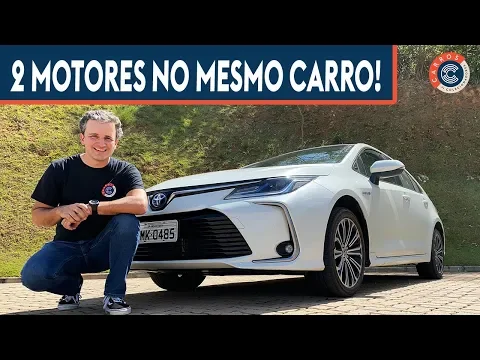
As the first company to bring a vehicle of this type, Toyota claims it will be more advantageous to invest in electric, hydrogen-powered, and hybrid vehicles. According to Masahiro Inoue, president of Toyota for Latin America and the Caribbean, hybrid engine propulsion is the best way to make the Brazilian automotive market more sustainable.
Thanks to the flex hybrid engine vehicle developed by Toyota, it is possible to utilize the environmental benefits of ethanol, which has a strong national presence, and also to forget a bit about investments in charging networks for electric vehicles.

Formado em Jornalismo e Marketing, é autor de mais de 20 mil artigos que já alcançaram milhões de leitores no Brasil e no exterior. Já escreveu para marcas e veículos como 99, Natura, O Boticário, CPG – Click Petróleo e Gás, Agência Raccon e outros. Especialista em Indústria Automotiva, Tecnologia, Carreiras (empregabilidade e cursos), Economia e outros temas. Contato e sugestões de pauta: valdemarmedeiros4@gmail.com. Não aceitamos currículos!









Seja o primeiro a reagir!