Portuguese
  Spanish



As The First Company To Launch A Flex Hybrid Car, Toyota States That It Will Be Beneficial To Invest In Electric, Hydrogen-Powered, And Hybrid Vehicles, And Also Claims That Brazil Can Become A Potential Exporter
As the first automaker to launch a flex hybrid car in the world, Toyota is working hard to include Brazil in its global electric vehicle strategy, while also seeking to expand the global offering of hybrids and hydrogen, weaving a unique strategy more suited to the Brazilian market.
Also Read
Toyota’s Plans Include The Brazilian Market
Masahiro Inoue, President Of Toyota Latin America And The Caribbean, Provided More Details About The Automaker’s Plans For CO2 Emission Neutrality And Also For The Energy Transition, Which Includes Electric And Hydrogen Vehicles, But Continues To Bet On Hybrids And Plug-In Hybrids.
Specifically Addressing Brazil, The President Of Toyota Stated That Hybrid Propulsion Is The Best Option To Electrify The Brazilian Market.
-
Rolls-Royce Turns Heads with 30-Inch Floating Wheels, 6.6-Liter V12 Engine, and 563 Horsepower

-
2019 Kia Sportage EX: A Spacious and Cost-Effective SUV with 2.0 Flex Engine and Panoramic Roof
-
Fiat Strada Becomes Top Seller in June, Surpassing Onix, Polo, Hilux, and T-Cross with 107 HP Engine and 732 km Range.

-
Suitcase-sized hydrogen engine spins at 25,000 rpm, nearly doubling the efficiency of conventional cars and replacing exhaust smoke with water vapor


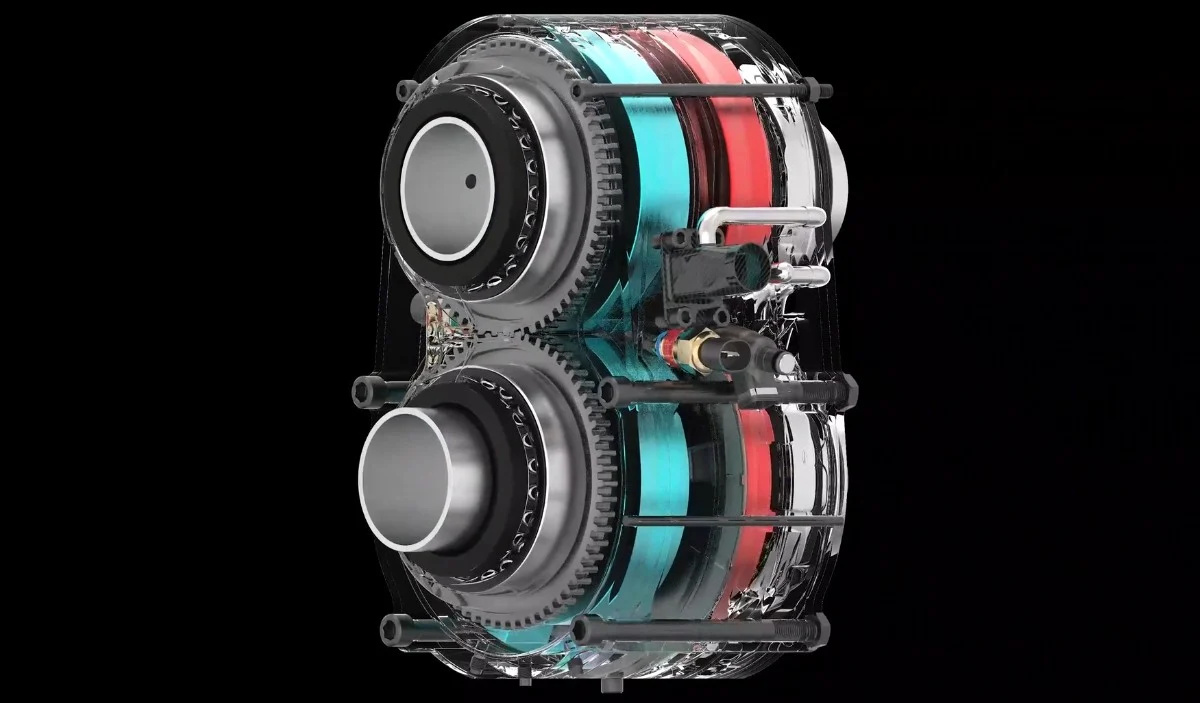
Thanks To The Flex Hybrid Car Developed By The Automaker, It Is Possible To Take Advantage Of The Environmental Benefits Of Ethanol, Which Is Present In The Country, While Also Avoiding Investments In Charging Networks For Electric Vehicles.
Brazil Could Be An Exporter Of Flex Hybrid Cars
Regarding Brazil Being An Export Hub For Flex Hybrid Cars, The Toyota Executive Made Some Observations, But Mentioned The Example Of India, Which Has A Huge Interest In This Technology Yet Lacks The Proper Infrastructure To Implement It, Which Could Bring A Range Of Opportunities To Brazil.
In Relation To Hydrogen-Ethanol Cells, A Technology Developed By Other Automakers, The Executive States That It Is Attractive, But The Development Costs Are High, And Also Claims That The Forecast To See Brazil Producing Green Hydrogen At A Reasonable Cost Is 15 To 20 Years.
When Will A New Flex Hybrid Car Arrive In Brazil?
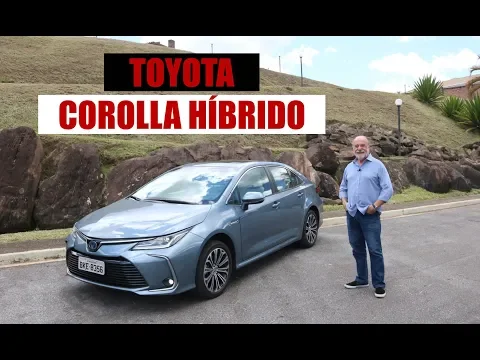

Regarding The Launch Of A New Flex Hybrid Car For The Brazilian Market, The Executive Stated That Toyota, Globally, Will Offer Electric Vehicles, Whether Hybrid, Plug-In Hybrid, Or With Hydrogen Cells. In The National Market, A Small Flex Hybrid Car Will Arrive.
It Is Still Early To Confirm With Total Certainty What The Next Compact Flex Hybrid Would Be. However, Considering The Automaker’s Options, There Is A Strong Possibility That It Will Be The Toyota Yaris, Which Would Have To Undergo A Structural Change To Become Hybrid.
Besides This, Another Vehicle Likely To Arrive Is The Toyota Raize, Which Initially Would Be Imported And Soon After Produced Locally.

Graduated in Journalism and Marketing, he is the author of over 20,000 articles that have reached millions of readers in Brazil and abroad. He has written for brands and media outlets such as 99, Natura, O Boticário, CPG – Click Petróleo e Gás, Agência Raccon, among others. A specialist in the Automotive Industry, Technology, Careers (employability and courses), Economy, and other topics. For contact and editorial suggestions: valdemarmedeiros4@gmail.com. We do not accept resumes!