





 Portuguese
  English
  Spanish
  5 min of reading
  0 comments


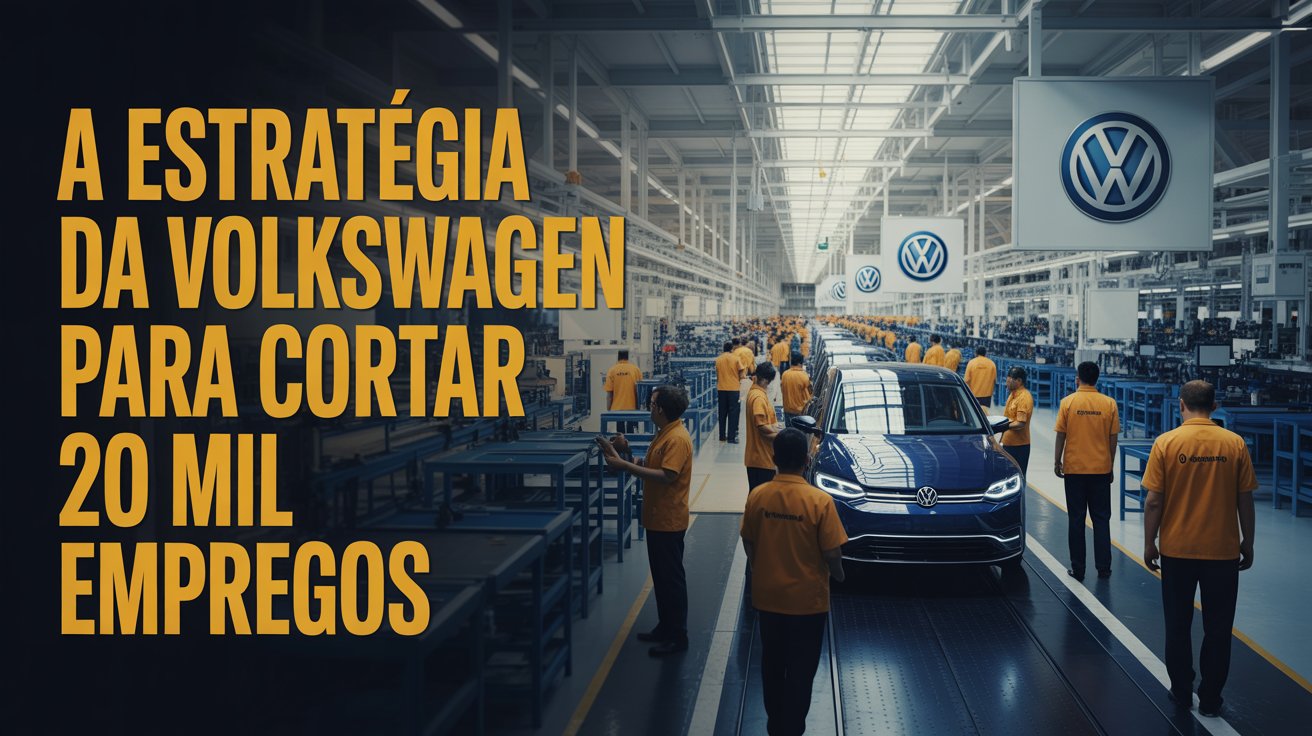
Volkswagen Implements A Deep Restructuring, Seeking To Cut Thousands Of Jobs Without Direct Dismissals, While Adjusting Global Production And Balancing The Advancement Of Electrification With Brazil’s Strategic Role In The Global Automotive Scenario.
Volkswagen Is Facing An Unprecedented Crisis And Is Implementing A Plan To Reduce Its Workforce Without Resorting To Compulsory Dismissals.
The German Automaker Confirmed That Around 20,000 Employees Have Already Accepted Agreements To Leave The Company By 2030.
This Number Represents More Than Half Of The Target For Cuts That Aims To Eliminate 35,000 Jobs In Germany As Part Of The Restructuring Program “Zukunft Volkswagen.”
-
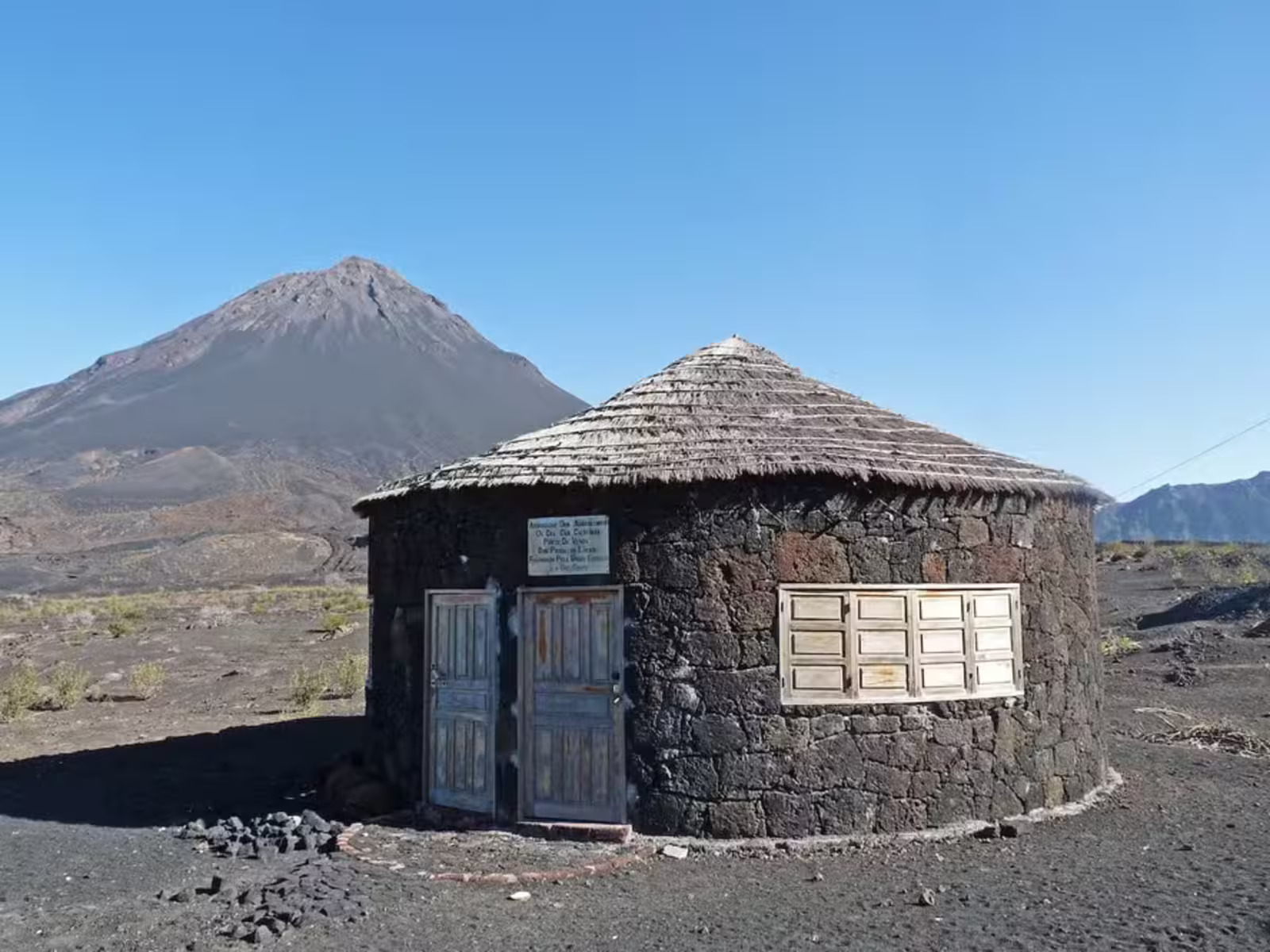
Inside an active volcano in Africa, residents use volcanic rocks to build houses in an impressive setting.
-
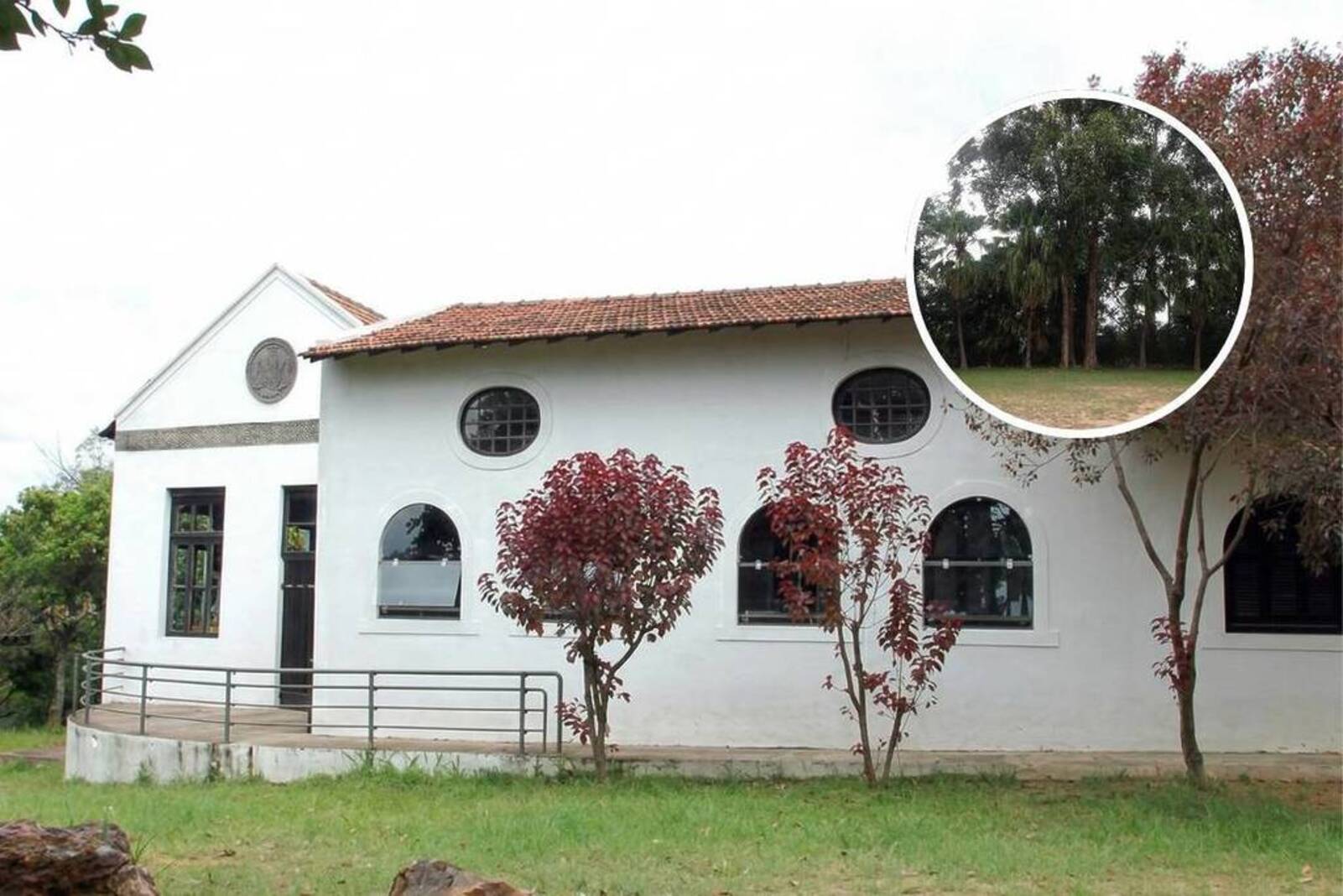
After 14 years of waiting, a rammed earth mansion built in 1702 in the North Zone of São Paulo will become a park with leisure facilities and green areas, with a million-dollar investment.
-
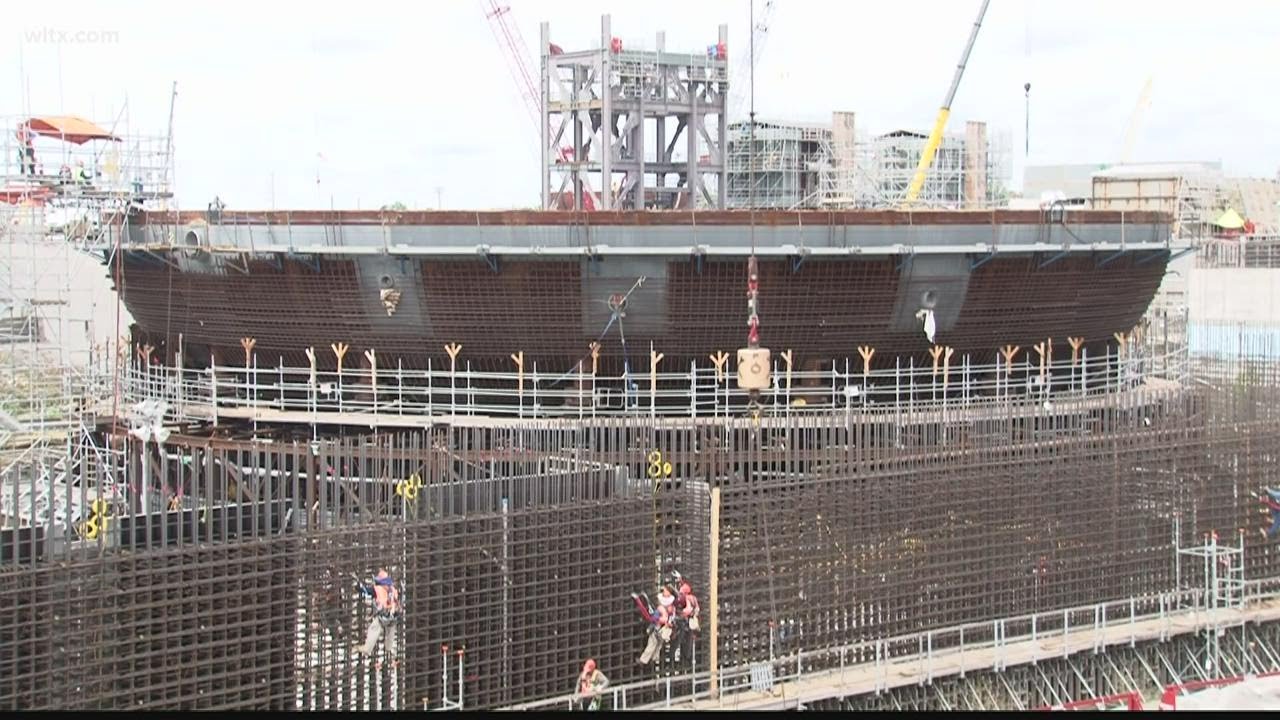
With 2 unfinished nuclear reactors, up to 25 billion in costs, and proven fraud, the Nukegate case has left 800,000 consumers still paying today for energy that will never be produced.
-
Larger than entire cities in Brazil: BYD is building a 4.6 km² complex in Bahia with a capacity for 600,000 vehicles per year, but the discovery of 163 workers in conditions analogous to slavery has shaken the entire project.


The Announcement Was Made By Gunnar Kilian, The Company’s Human Resources Director, During A Meeting In Wolfsburg, The Automaker’s Headquarters.
According To Him, The Plan Is On Track According To Schedule, With Promising Results In The Initial Stages.
The Agreement That Enabled The Program Was Finalized In December 2023, After Intense Negotiations With The Unions.
Since Then, Volkswagen Has Adopted Strategies To Reduce Its Payroll Without Resorting To Direct Dismissals, Something That Would Cause Significant Institutional And Social Strain.
The Main Tools Used In This Process Are Early Retirement Programs And Voluntary Severance Packages Offered To Employees In Various Areas And Hierarchical Levels.
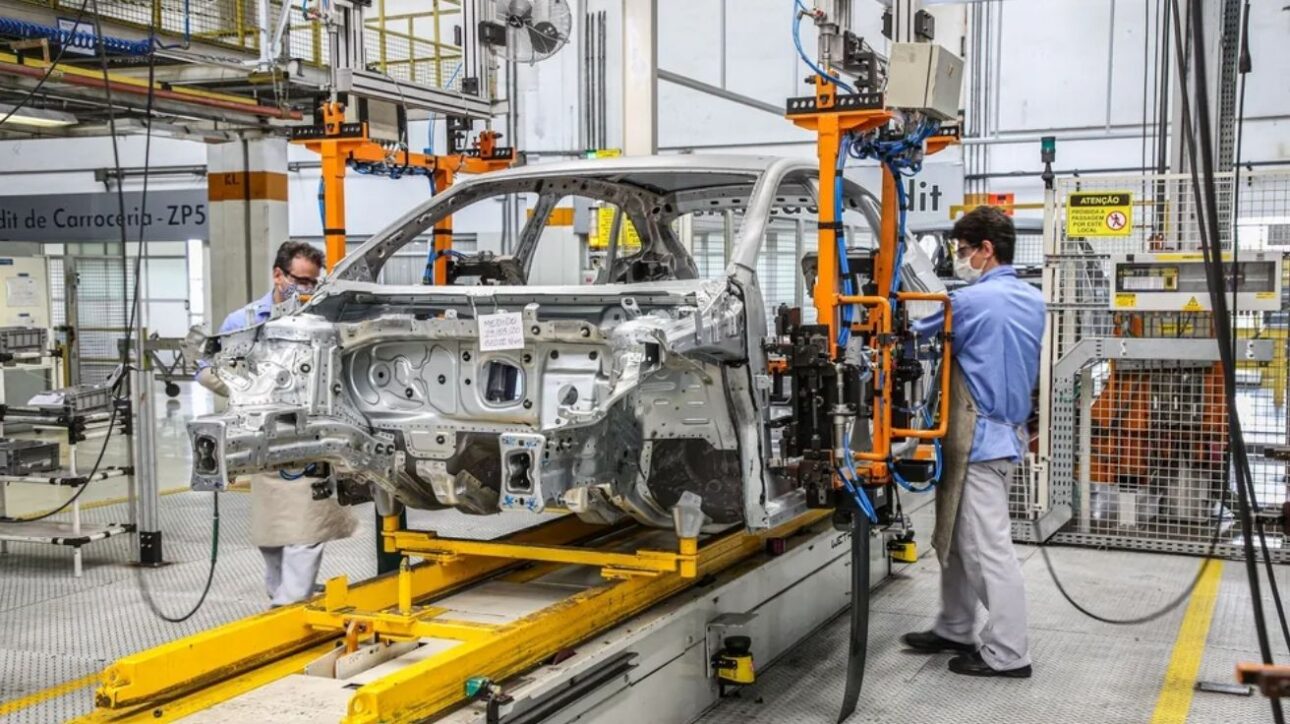
Transformation Affects The Whole German Operation
The Restructuring Plan Directly Affects The Six Units Of Volkswagen AG In Germany, Including The Iconic Wolfsburg Factory.
With Approximately 130,000 Employees In The Country, The Automaker Aims To Eliminate Almost A Quarter Of These Positions Over The Coming Years.
This Measure Is Part Of A Broad Structural Reevaluation Focused On Cost Reduction And Increasing Production Efficiency Amid An Increasingly Competitive Global Environment.
The Company Seeks To Become Leaner, More Agile, And Sustainable By 2029, Facing The Bottlenecks That Have Emerged With The Advancement Of Electrification And Automotive Digitalization.
For Gunnar Kilian, The Initial Efforts Show That The Plan Is Viable And Necessary To Ensure The Long-Term Survival Of The Company.
He Highlighted That The Program Is Being Conducted Responsibly, Respecting Workers’ Rights And Maintaining Dialogue With Union Representatives.
Structural Issues Challenge The Future Of The Automaker
Despite Progress In Workforce Cuts, Volkswagen Still Faces Serious Structural Challenges That Put Its Competitiveness At Risk.
According To David Powels, The Brand’s Chief Financial Officer, High Operating Costs, Heavy Investments, And Low Profitability Of Electric Vehicles Hinder The Company’s Financial Balance.
He Admitted That The Automaker Operates With A Very High Break-Even Point, Which Means Large Volume Sales Are Necessary Just For The Business To Stop Losing Money.
This Scenario Is Unsustainable In The Medium And Long Term.
“There Is No More Room For Resistance To Change,” Said Powels, Indicating That The Entire Organization Needs To Engage To Turn The Page.
The Automaker’s Strategy Involves Modernizing Internal Processes, Enhancing Its Production Chain, And Strengthening The Focus On Electric Vehicles And Clean Technologies.
Additionally, There Is An Attempt To Maintain The Profitability Of Combustion Models During The Transition.
Overtime Shifts And Adjustments In Production
While Restructuring Part Of Its Operation, Volkswagen Has Also Scheduled Overtime Shifts At The Wolfsburg Plant.
The Goal Is To Meet The Growing Demand For Traditional Models, Such As Golf, Tiguan, And Touran — All With Combustion Engines.
This Reinforcement In Production Indicates That, Despite The Discourse Of Energy Transition, Conventional Vehicles Still Have Secured Space In Short-Term Strategies. However, Changes Are Already Being Planned.
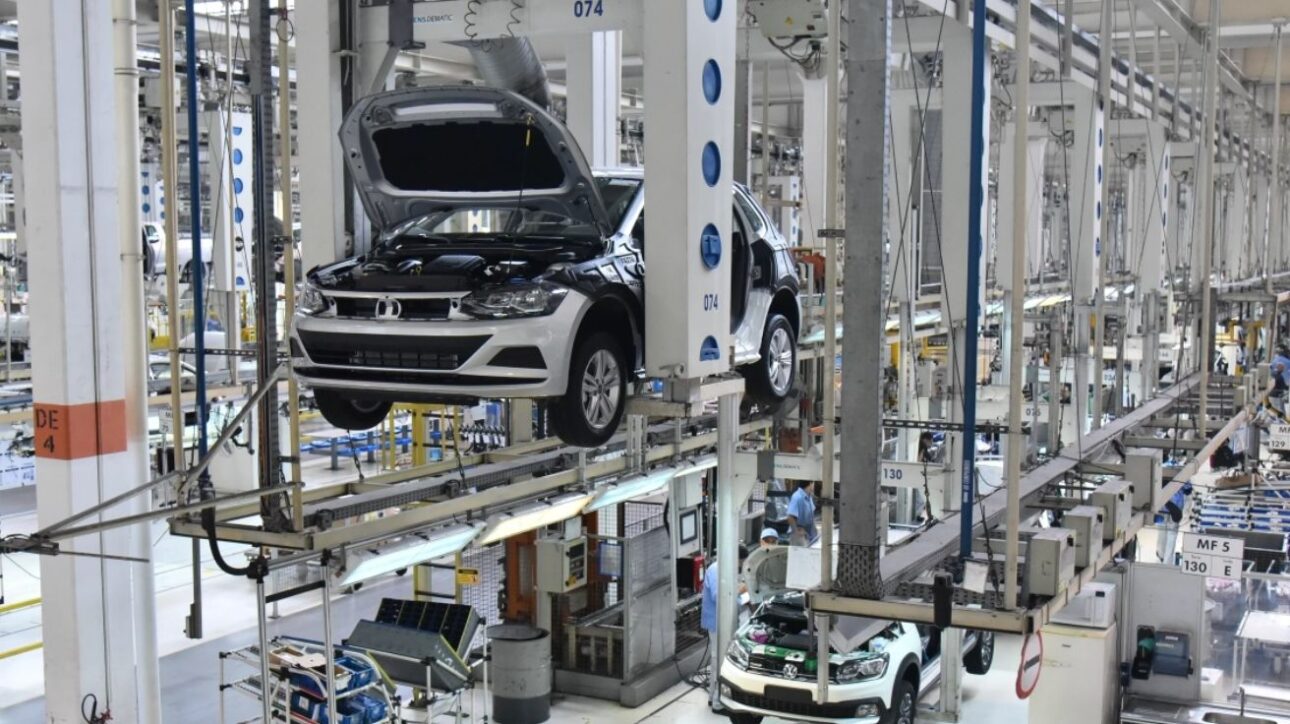
The Electric Successor Of The Golf Will Be Produced In Wolfsburg, While The Combustion Model Will Have Its Production Transferred To Mexico, Where Industrial Costs Are Lower.
This Move Reflects A Global Repositioning Of Volkswagen, Seeking To Allocate Its Production Lines More Efficiently In Terms Of Costs And Logistics.
Additionally, The Automaker Has Registered Significant Growth In Electric Vehicle Sales In Recent Quarters, Indicating That The European Market Is Starting To Respond To New Offers.
This Progress Helps To Offset Some Of The Losses With Reduced Margins On These Products And Represents A Boost To The Company’s Strategic Planning.
The Bet Is That The Surge In Sales And Technological Advancement Will Help Improve Profitability In The Segment Over The Next Few Years.
Impacts In Brazil And The Strategic Role Of The Country
The Global Restructuring Of Volkswagen Also Raises Questions About The Impacts On The Company’s Operations In Brazil.
In Brazil, Volkswagen Has Factories In São Bernardo Do Campo (SP), Taubaté (SP), And São José Dos Pinhais (PR), Producing Models Such As Polo, Virtus, Nivus, T-Cross, And Saveiro.
So Far, There Are No Official Announcements Of Cuts Or Significant Changes In These Units.
However, The Company Has Adopted A Cautious Approach Regarding Electrification In The Country.
While In Europe Volkswagen Plans To End Production Of Combustion Cars By 2035, In Brazil The Automaker Is Still Banking On Combustion And Hybrid Engines, Focusing On The Use Of Ethanol As A Sustainable Alternative.
Recently, Volkswagen Announced Significant Investments In The Development Of Combustion Engines, Redirecting Some Resources That Would Be Allocated To Electric Vehicles.
About R$ 342 Billion Will Be Invested To Enhance Conventional Engines, Aiming To Meet Markets Where Electrification Faces Challenges Such As Infrastructure And Cost.
This Strategy Reinforces Brazil’s Role As A Strategic Market For Volkswagen, Especially In The Production Of Combustion Vehicles That Will Be Exported To Other Regions.
The Transfer Of Combustion Golf Production To Mexico And The Focus On Electrification In Europe Indicate That Countries Like Brazil Will Continue To Play A Crucial Role In Supplying Conventional Models During The Global Energy Transition.
But Will Employees Continue To Join Severance Packages, Or Will Volkswagen Have To Deal With Stronger Resistance At Some Point?




Seja o primeiro a reagir!