





 Portuguese
  English
  Spanish
  3 min of reading
  0 comments


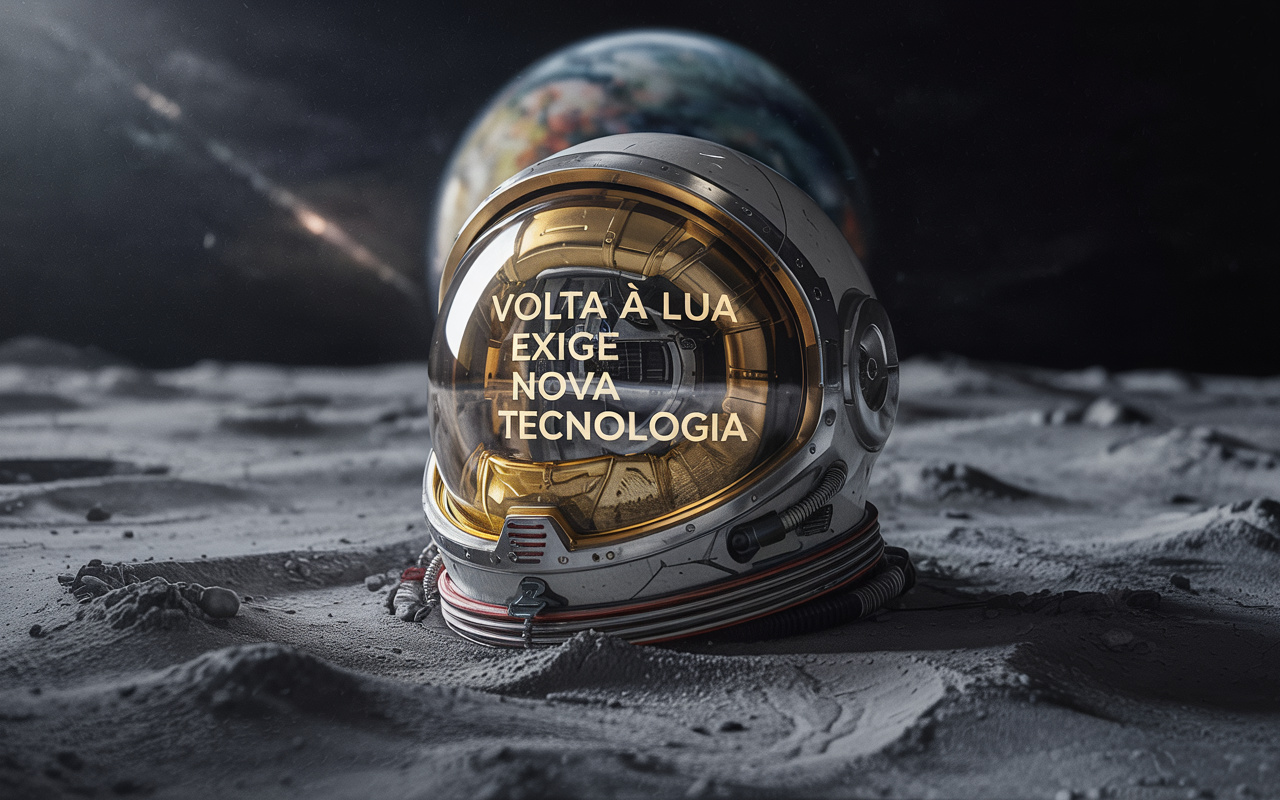
Artemis 3 Mission Suit Uses Helmet with Gold, Thermal Shield, and Protection Against Sharp Dust to Face the Moon’s Extreme Environment.
The return to the Moon, scheduled by NASA’s Artemis 3 mission for 2027, will require more than just courage and physical preparation from astronauts — a true technological shield will be necessary against the most extreme environment faced by humans since the Apollo era. One of the most visible symbols of this new space era is the futuristic helmet of the AxEMU suit, developed by Axiom Space in partnership with Oakley. And it’s not just beautiful: it is equipped with gold coating, anti-reflective layers, and protection against temperatures up to 120 °C, solar radiation, and sharp dust like ground glass.
Helmet with Gold: Protection Against Lethal Radiation
Unlike Earth, the Moon has no atmosphere or magnetic field to protect astronauts from ultraviolet rays, cosmic radiation, and solar particles. Therefore, the visor of the new helmet has gained a layer of highly reflective gold.
This thin film is not decorative: it deflects dangerous radiation, protecting eyes and skin from severe injuries that could be fatal with prolonged exposure.
-
How the terraforming of Mars can transform the planet: artificial aerosols can increase the temperature by up to 35°C in 15 years, creating conditions for liquid water.

-
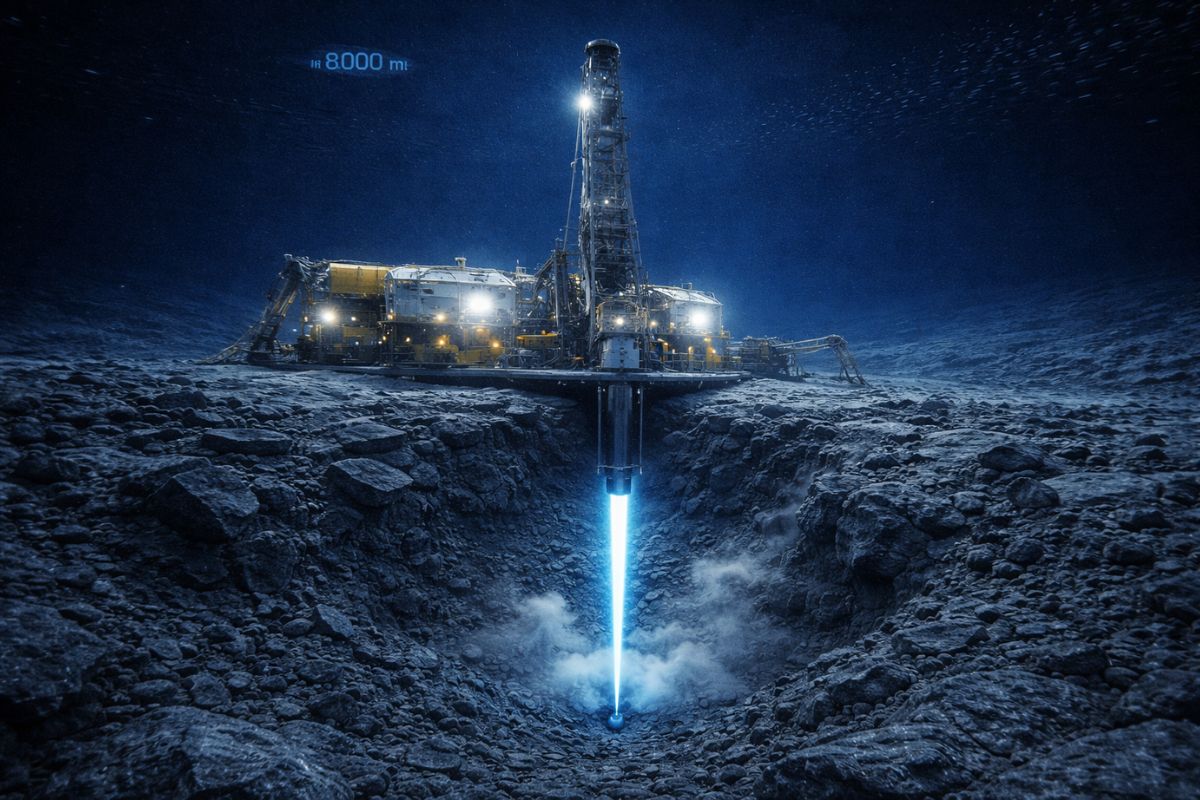
Scientists drilled nearly 8,000 meters into the ocean floor above the fault that caused the 2011 tsunami in Japan and discovered that a layer of clay 130 million years old was responsible for making the wave much worse than any model had predicted.
-
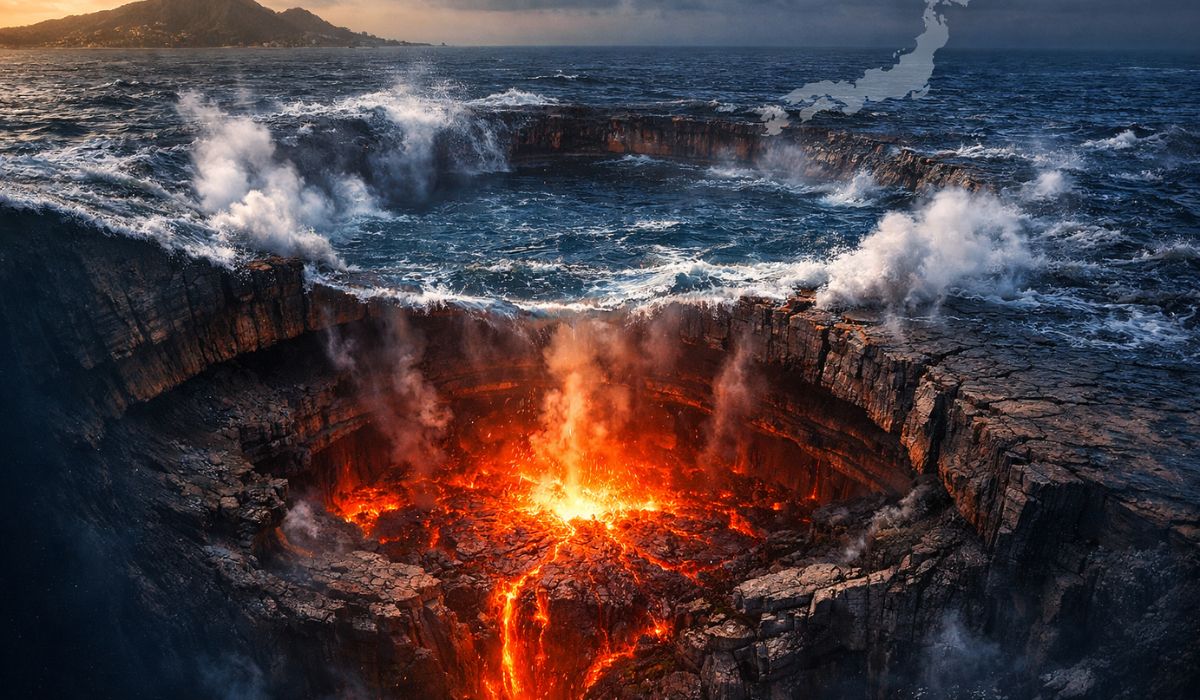
Thousands of years after causing the largest eruption of the Holocene, one of the world’s largest supervolcanoes is rebuilding itself beneath the sea south of Japan, receiving new magma and alarming scientists with its transformation.
-
China has activated a magnet 700,000 times more powerful than the Earth’s magnetic field that operates for over 200 consecutive hours while consuming little energy, and now the world wants to know what Beijing plans to do with this technology in 2026.


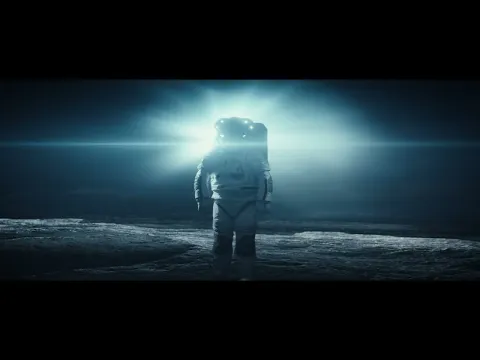

This visor is a direct result of Oakley’s optical knowledge, known for its high-performance sports eyewear, now applied to astronaut safety.
The technology used also ensures visual clarity in both the brightest areas of the Moon and the absolute shadows of the dark side or deep craters — a challenge that NASA’s old suits could not effectively overcome.
Moon Dust: An Invisible and Cutting Enemy
Another major problem faced in previous lunar missions was the regolith, the famous moon dust, composed of tiny, sharp, and abrasive particles. These particles, which feel like talc to the touch, have sharp edges that can scratch visors, damage seals, and compromise instruments.
The helmet of the Artemis suit comes with a highly resistant polycarbonate visor, featuring anti-scratch layers and protection against micrometeorite impacts, ensuring that astronauts can walk, explore, and even lie on the lunar surface without compromising the integrity of the equipment.
Extreme Thermal Variation: From Oven to Freezer in Seconds
The Moon also imposes almost unbelievable thermal challenges. In sun-exposed areas, temperatures can exceed 120 degrees Celsius, while in shaded areas, the thermometer plummets to about -130 °C.
The helmet’s visor acts as a thermal barrier, reflecting excess heat and helping the life support system maintain a comfortable and stable internal temperature, essential for human survival in such an unstable environment.
Although it may seem like just a space armor, the new helmet brings details designed for the daily comfort of the astronaut, such as built-in microphones for communication with base and crew, internal foam pads to relieve itching without having to remove the helmet (something impossible in lunar vacuum), and modular filters that can be quickly replaced if damaged.
The helmet is also expected to act as an acoustic insulation system, protection against zero atmospheric pressure and a barrier against impacts from floating particles, serving as a last line of defense should any part of the suit fail.
The Artemis 3 and the Challenge of the Lunar South Pole
Unlike the Apollo missions, which landed in equatorial regions of the Moon, the Artemis 3 mission targets the Lunar South Pole, an area never before visited by humans and known for its rugged terrain, perpetually shadowed craters, and possible presence of raw water ice — a resource that may be essential for future permanent missions.

The environment there is even harsher, with greater thermal contrast and higher accident risks. This makes the suit technology — especially the helmets — the line between life and death.
With Artemis 3, NASA will not only bring the first humans back to the Moon in over half a century, but will also place a woman and a black person on the lunar surface for the first time in history. The helmet with gold and radiation shields is not just a design whim: it is what will allow this history to be written safely.










Seja o primeiro a reagir!