





 Portuguese
  English
  Spanish
  2 min of reading


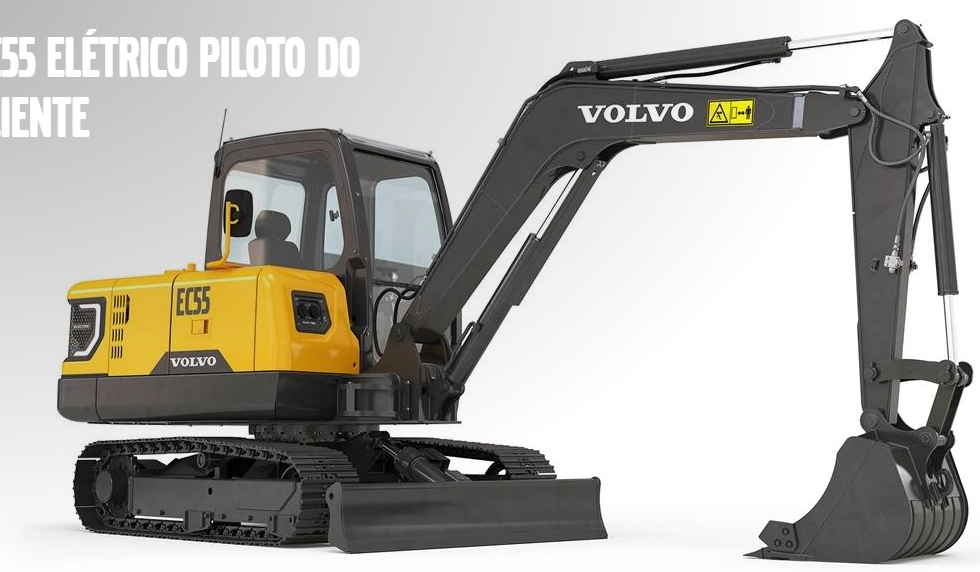
Volvo Introduced Its First Electric Excavator. The Product Is Already Undergoing Testing and Promises to Reduce Costs and Help the Environment
Volvo has heavily invested in the electric excavator EC55, designed for the construction market in China. Its presentation took place last year during the China International Import Expo 2020. The Swedish company delivered its first prototype to a Chinese aluminum company.
The company is using the electric excavator from Volvo for earthmoving and soil care in construction. There will be a total of 500 hours of testing for more accurate feedback. This information will serve the Swedish company.
”As a company that cares about the environment, we strive to achieve zero emissions. We are also pleased with the low noise of the machine, which is what we needed”, declared Yang from the aluminum company.
-
With 74% of companies facing difficulties in hiring, technicians and engineers in renewable energy are becoming scarce in Brazil and are essential to support the expansion of solar, wind, and green hydrogen projects.

-
The lack of welders, electricians, and operators becomes a structural threat in 2025, with the construction industry and manufacturing already suffering from delays, cost pressures, and labor shortages in Brazil.

-
Brazil and Paraguay are just 46 meters away from a historic union on the bioceanic bridge that promises to revolutionize trade between the Atlantic and the Pacific.

-
With 55 km over the sea, a cost of US$ 20 billion, and enough steel to build 60 Eiffel Towers, China’s largest project has connected Hong Kong, Zhuhai, and Macau in a colossal bridge that defies the logic of engineering.

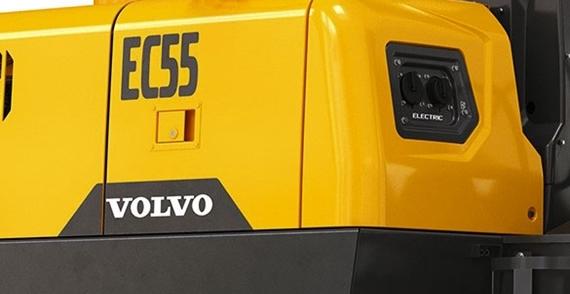
The EC55 Electric is a very quiet machine during operation and free of emissions. The machine from the Swedish company has been designed to have performance and control capabilities even greater than its diesel-powered counterparts. In addition to zero emissions, the Volvo EC55 will have much simpler maintenance, generating very high future savings.
Battery
Since Volvo was initially designed for the Chinese market, the machine will have two 350 V batteries that can be easily charged in Chinese homes. The machine can operate continuously for 4.5 hours and 9 hours when charged during lunch.


‘‘By combining electric propulsion technology with connectivity, we offer an attractive overall package of low noise, zero emissions, high efficiency, high uptime, reduced operating costs, and reduced total cost of ownership. We have full confidence in the success of this customer pilot”, said Skoldberg, director of Volvo.









Seja o primeiro a reagir!