Portuguese
  Spanish


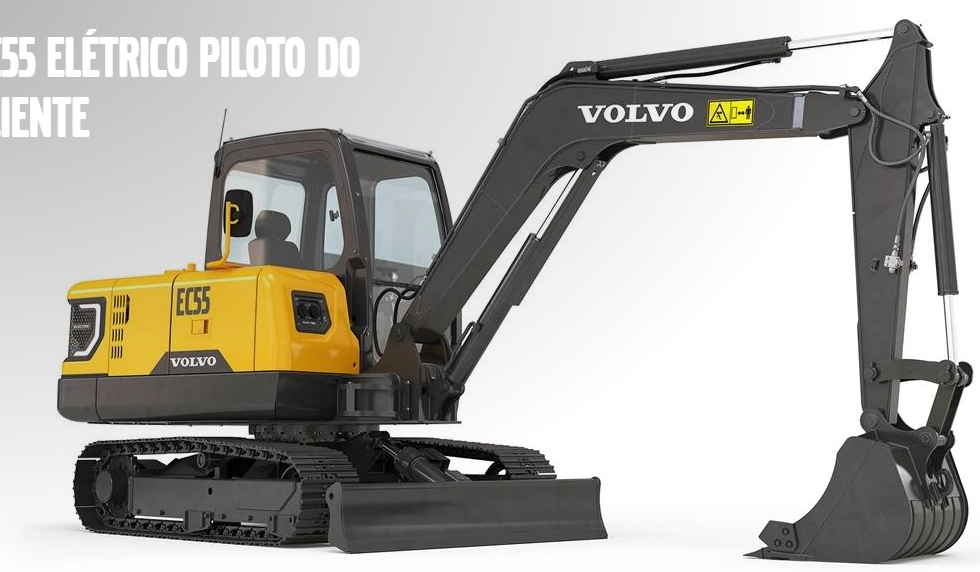

Volvo Introduced Its First Electric Excavator. The Product Is Already Undergoing Testing and Promises to Reduce Costs and Help the Environment
Volvo has heavily invested in the electric excavator EC55, designed for the construction market in China. Its presentation took place last year during the China International Import Expo 2020. The Swedish company delivered its first prototype to a Chinese aluminum company.
The company is using the electric excavator from Volvo for earthmoving and soil care in construction. There will be a total of 500 hours of testing for more accurate feedback. This information will serve the Swedish company.
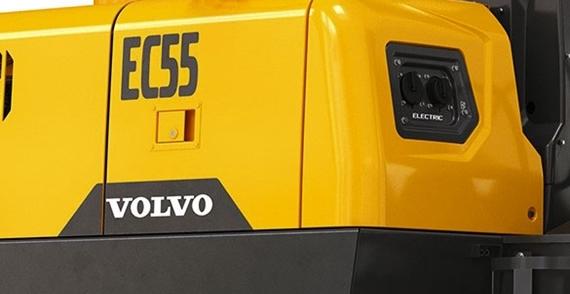
”As a company that cares about the environment, we strive to achieve zero emissions. We are also pleased with the low noise of the machine, which is what we needed”, declared Yang from the aluminum company.
-
Simple Technique to Restore Rusty Metal Window Grilles Gains Attention for Revitalizing Old Structures Without Full Replacement

-
Couple Transforms Suffolk’s Last 1891 Windmill into Luxurious Four-Story Home with Zinc Observation Room in England

-
Father and Son Build 97 cm Thick Circular Stone House in Brazil, Inspired by Scottish Architecture, Creating a New Agrotourism Hub
-
Sweden Removes 200-Ton Concrete Gallery to Restore Pjältån River’s Natural Flow in Europe’s Largest Aquatic Restoration Project




The EC55 Electric is a very quiet machine during operation and free of emissions. The machine from the Swedish company has been designed to have performance and control capabilities even greater than its diesel-powered counterparts. In addition to zero emissions, the Volvo EC55 will have much simpler maintenance, generating very high future savings.
Battery
Since Volvo was initially designed for the Chinese market, the machine will have two 350 V batteries that can be easily charged in Chinese homes. The machine can operate continuously for 4.5 hours and 9 hours when charged during lunch.


‘‘By combining electric propulsion technology with connectivity, we offer an attractive overall package of low noise, zero emissions, high efficiency, high uptime, reduced operating costs, and reduced total cost of ownership. We have full confidence in the success of this customer pilot”, said Skoldberg, director of Volvo.