





 English
  Francês
  Alemão
  Italiano
  Japonês
  Norueguês
  Portuguese
  Spanish
 3 min of reading


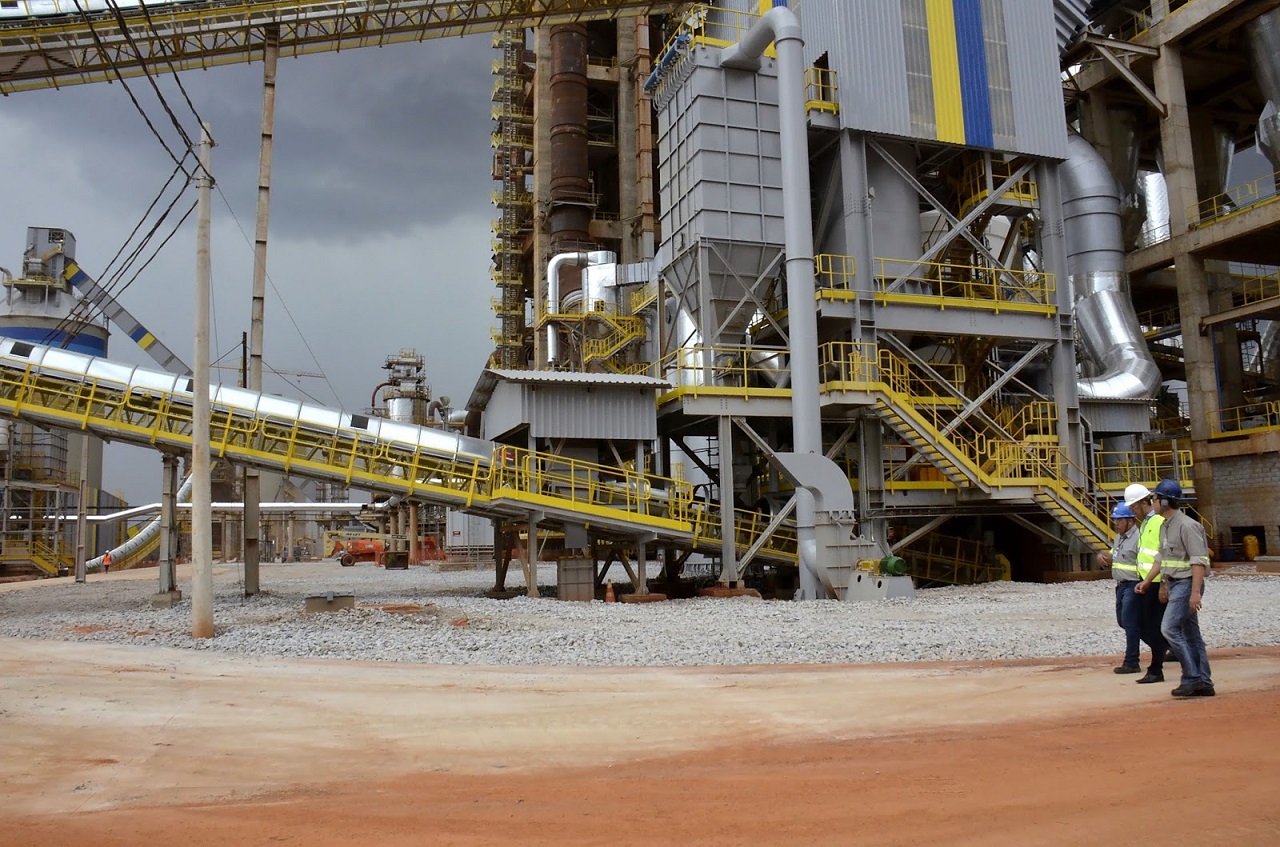
The Brazilian Cement Manufacturer Votorantim Wants to Sign a Contract with a Waste Processing Plant in the Municipality of São Bento do Sul, SC, to Use Waste as an Energy Source in Cement Production
Votorantim Cimentos, which reuses a large portion of discarded and useless urban waste in the recycling process by using it as an energy source in cement production, announced that it is in negotiations with a plant in SC, the São Bento do Sul Waste Processing Plant, located in the Brasília neighborhood. The intention of the largest cement company in the country is to produce concrete with carbon neutrality by 2050, achieving the replacement of fossil fuel, in addition to increasing the use of renewable energy in its operations.
Related Articles
- Votorantim Cimentos Factory Increases Its Production Capacity by Five Times and Plans to Generate 105 New Jobs for Residents of Ceará
- Looking for a Job? Votorantim Calls for Candidates without Experience, Recent Graduates in All Areas for Trainee Positions; Salary of 6 Thousand Reais!
- Canadian Multinational and Votorantim Create a $17 Billion Energy Sector Company
- New Votorantim Cimentos Factory Starts Operations in the Pecém Complex, Ceará. The Project Will Generate New Jobs
- Votorantim Cimentos Is Accepting Applications for Its Technical Internship Program for Women, with Openings in São Luís, Maranhão
Votorantim Cimentos Uses Waste and Other Residues to Transform Them into Energy in Cement Production
On the morning of last Wednesday (9), Bianca Oliveira, a commercial consultant for Votorantim Cimentos, went to the site along with the president of Samae, Osvalcir Peters, to closely monitor the work being carried out inside the plant.
Representing Verdera, a unit of Votorantim Cimentos that manages these residues, Bianca explained that Votorantim currently uses materials like wood chips and even rice husks as energy sources throughout the cement production process. Bianca exclaimed that the model offered by Samae is a novelty for the company, referring to the residual waste materials from Samae.
-
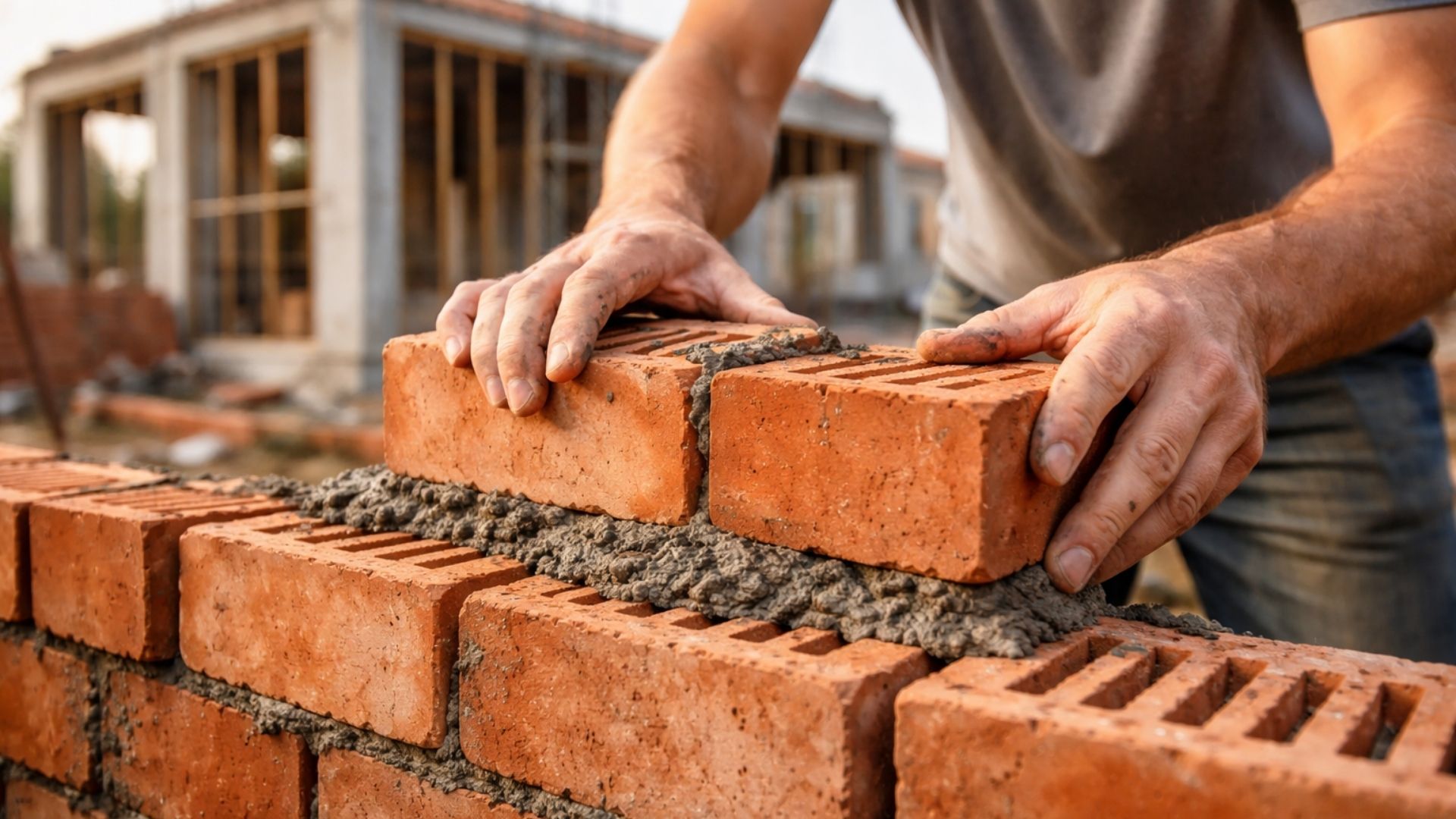
‘Interlocking brick’ made of earth arrives in the construction industry with cost reductions of up to 40% on the project.
-
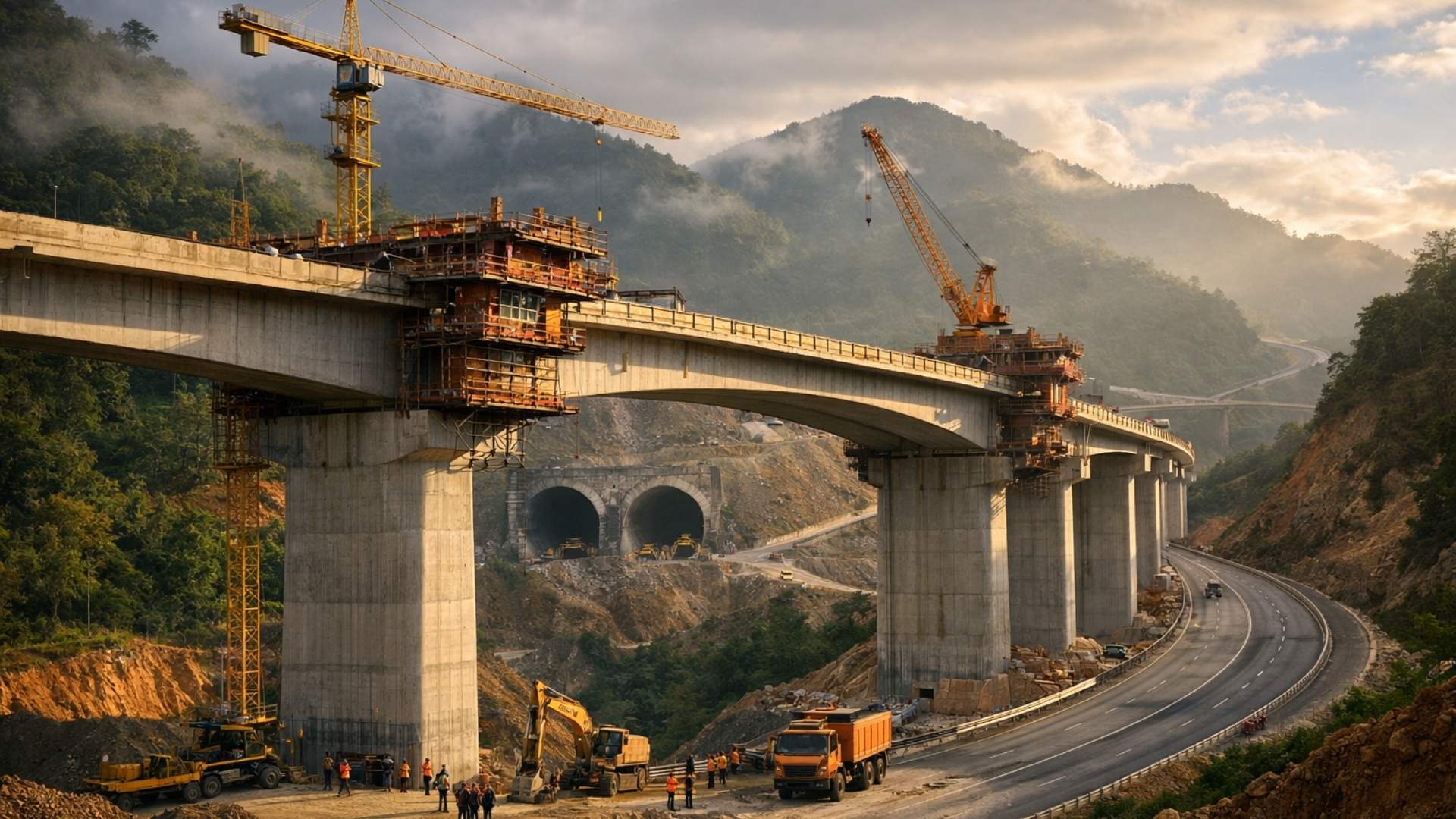
Espírito Santo will receive the largest engineering project in its history with the duplication of BR 262, which will have 50 viaducts, 28 bridges, and 2-kilometer tunnels cutting through the most challenging mountainous region of the entire state.

-
A project of nearly 9 million reais already has the first kilometer paved in Santa Catarina and promises to completely transform the access between Jaraguá do Sul and Rio dos Cedros in an area where tourism is growing at a rapid pace.

-
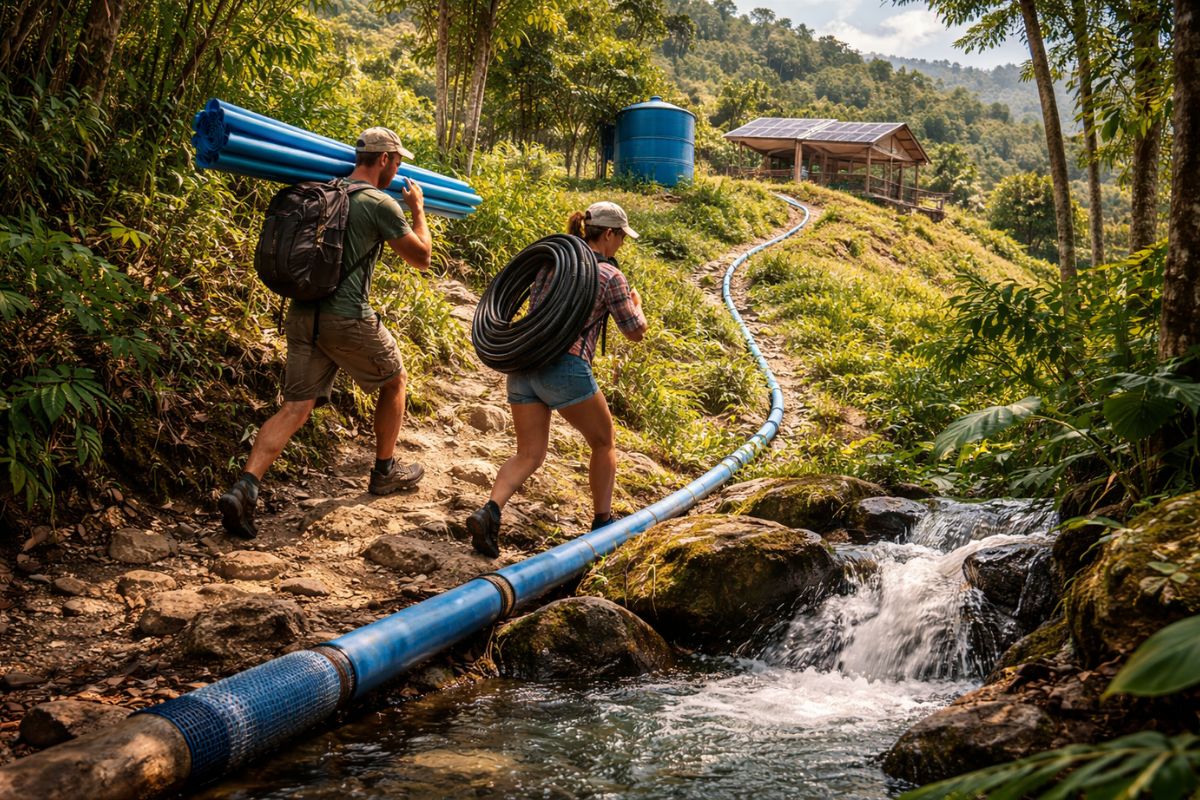
A couple builds a system to bring water from the spring to their land, climbs a hill with materials on their backs, and creates a simple, cheap, and sustainable solution to ensure their own water supply.

The Commercial Consultant of Votorantim Cimentos has previously been to São Bento do Sul, SC, but on another occasion, collecting samples of residual effluents from waste processing in the municipality, for analysis. Bianca emphasized that the results will be available in about 20 days, after which they will continue negotiations with Samae.
Agreement System with Samae
Even with all the interest from Votorantim Cimentos, Samae will need to hold a kind of public “hearing,” so that interested companies can also participate in this process, establishing a value per ton of residual waste. Thus, the company that makes the highest offer will sign an agreement with Samae.
Target Set by Votorantim
According to data from Votorantim Cimentos, between 1990 and 2020, the Brazilian cement company managed to reduce about 25% of its carbon dioxide (CO2) emissions per ton of cement produced, successfully decreasing from 763 kg of CO2/ton of cement to 576 kg of CO2/ton of cement.
The Global Sustainability Director of Votorantim Cimentos, Álvaro Lorenz, stated that by 2030, the goal is to reduce another 12% – to 520kg of CO2 per ton – which is just an intermediate target, so that the cement company can achieve carbon-neutral cement production by 2050.
Votorantim is betting heavily on replacing the fossil fuel consumption that powers cement production kilns with biomass fuels, such as açaí seeds and babaçu coconut, and also urban solid waste.






Seja o primeiro a reagir!