





 Portuguese
  English
  Spanish
 4 min of reading
  0 comments


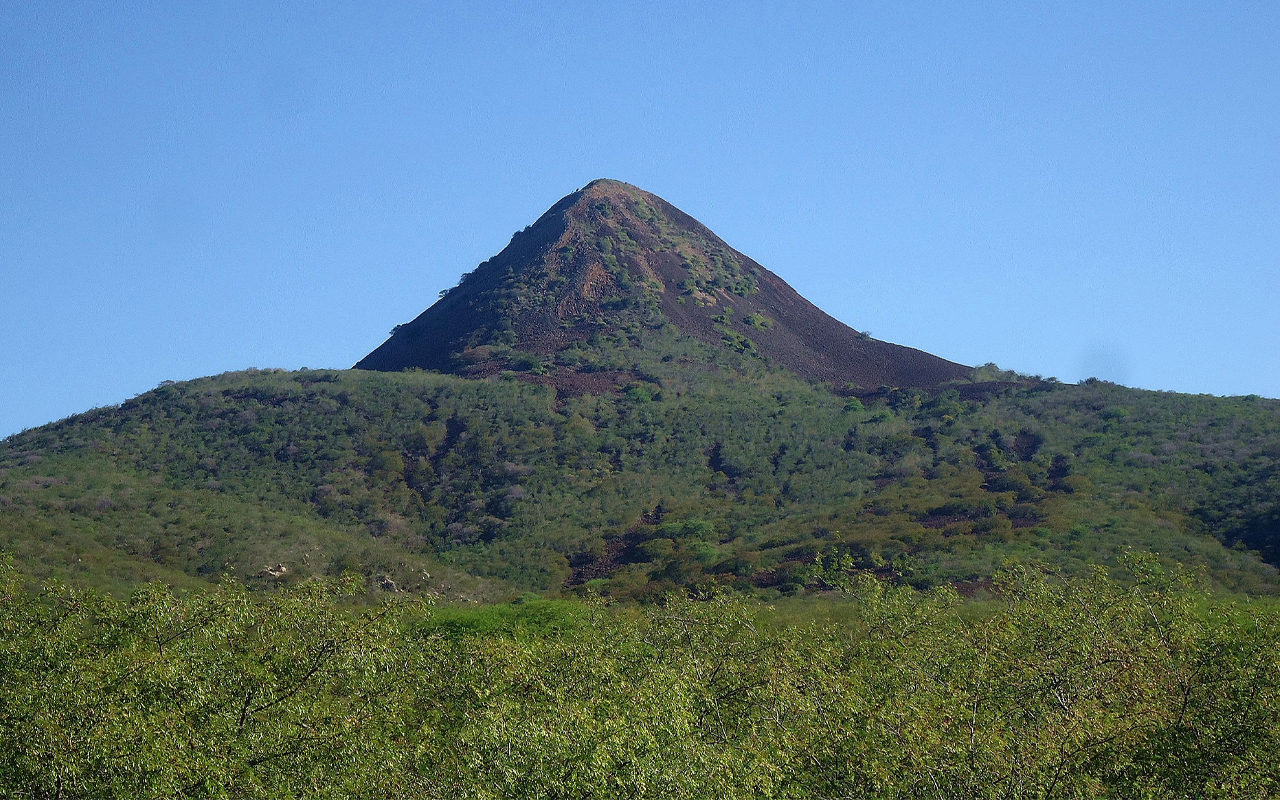
In The Heart Of The Caatinga, The Pico Do Cabugi Rises With 590 M And A Geological History Of About 19 Million Years. Regarded As An Inactive Igneous Formation, The “Volcano Of RN” Became A Sensation In Tourism For Its Trails And Views Of Angicos.
In The Heart Of The Caatinga, volcano Known As Pico Do Cabugi Dominates The Landscape Of The Municipality Of Angicos (RN). The Formation Is Part Of The State Ecological Park Of Cabugi, Created By State Law, And Is Frequently Cited As One Of The Geological Postcards Of The State. The Altitude Is 590 Meters, A Recurring Fact In Official And Technical Materials, Which Helps To Explain The Fascination Of Those Who See The Isolated Cone From The BR-304.
The Conservation Unit Is Managed By Idema-RN And Aims To Preserve The Unique Geomorphology Of Cabugi And Its Surroundings In The Caatinga. In Public Documents, The Agency Records Management And Contact Information, Emphasizing That Visits Must Follow Rules Of Conservation And Respect For The UC.
In Recent Months, The Location Has Returned To Gain Attention In Searches And Tourism Agendas For Bringing Together Two Elements That Spark The Curiosity Of The Public: The Label Of “Extinct Volcano” And Historical Hypotheses About Its Role During The Age Of Great Navigations. Growing Interest Is Also Fueled By Recent Guides And Reports Highlighting Geotourism In The Region.
-
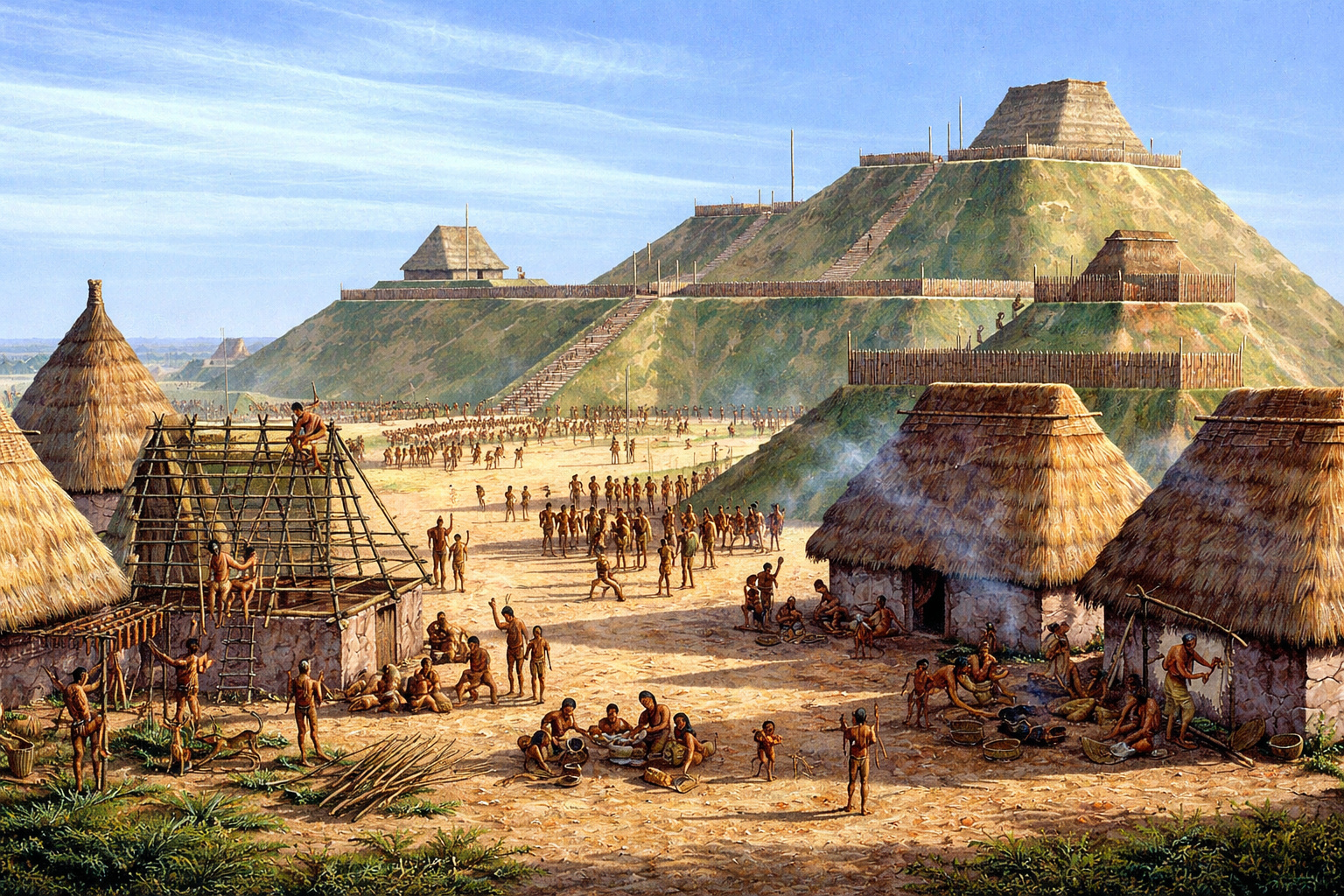
With over 14 million baskets of earth moved, an ancient North American metropolis built a monumental pyramid of 30 meters and established a city with 20,000 inhabitants nearly a thousand years ago.
-
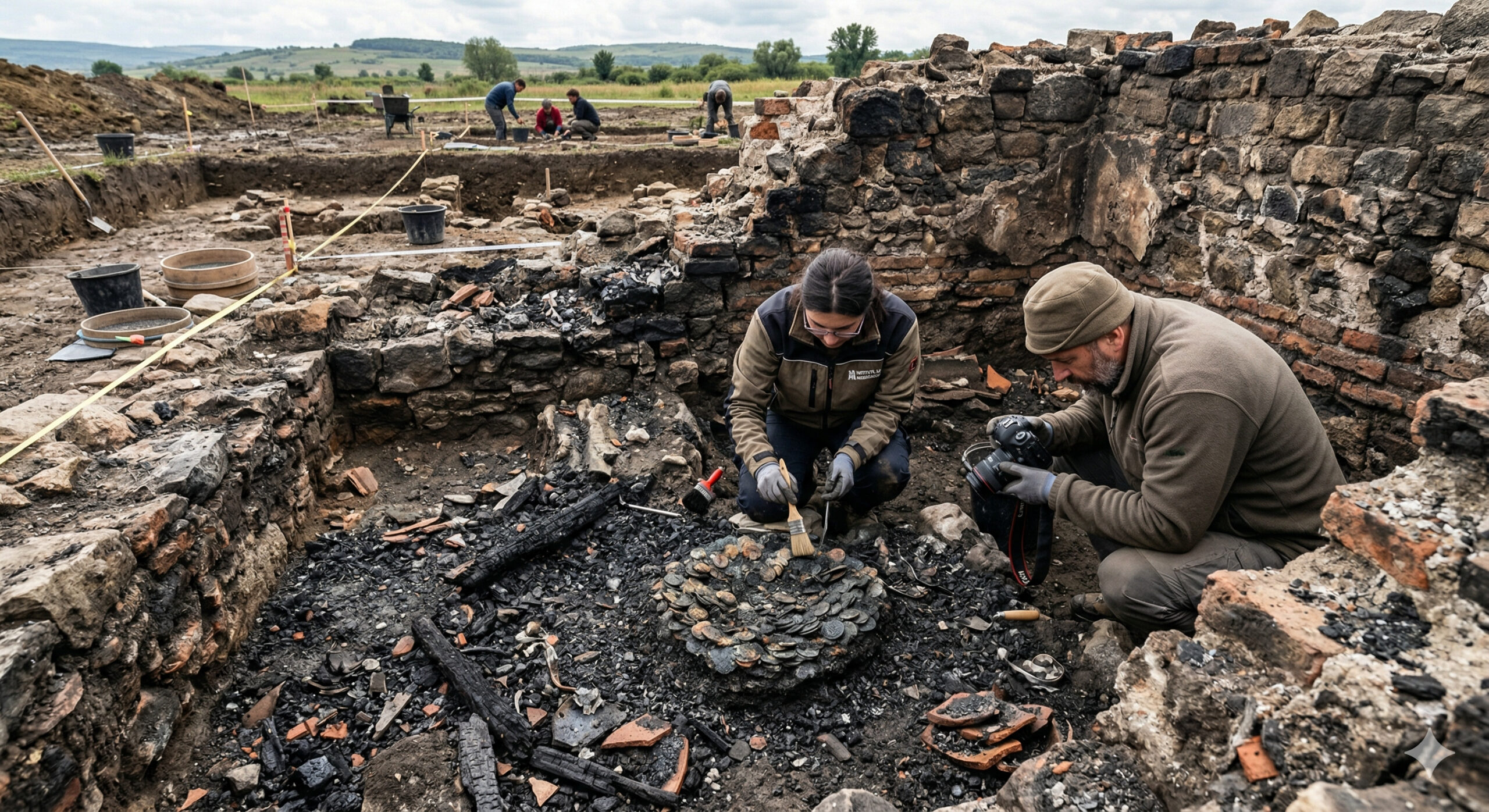
A 1,900-year-old treasure emerges from a Roman house destroyed by fire and sealed since antiquity in Romania, with coins and metals fused among the ashes.
-
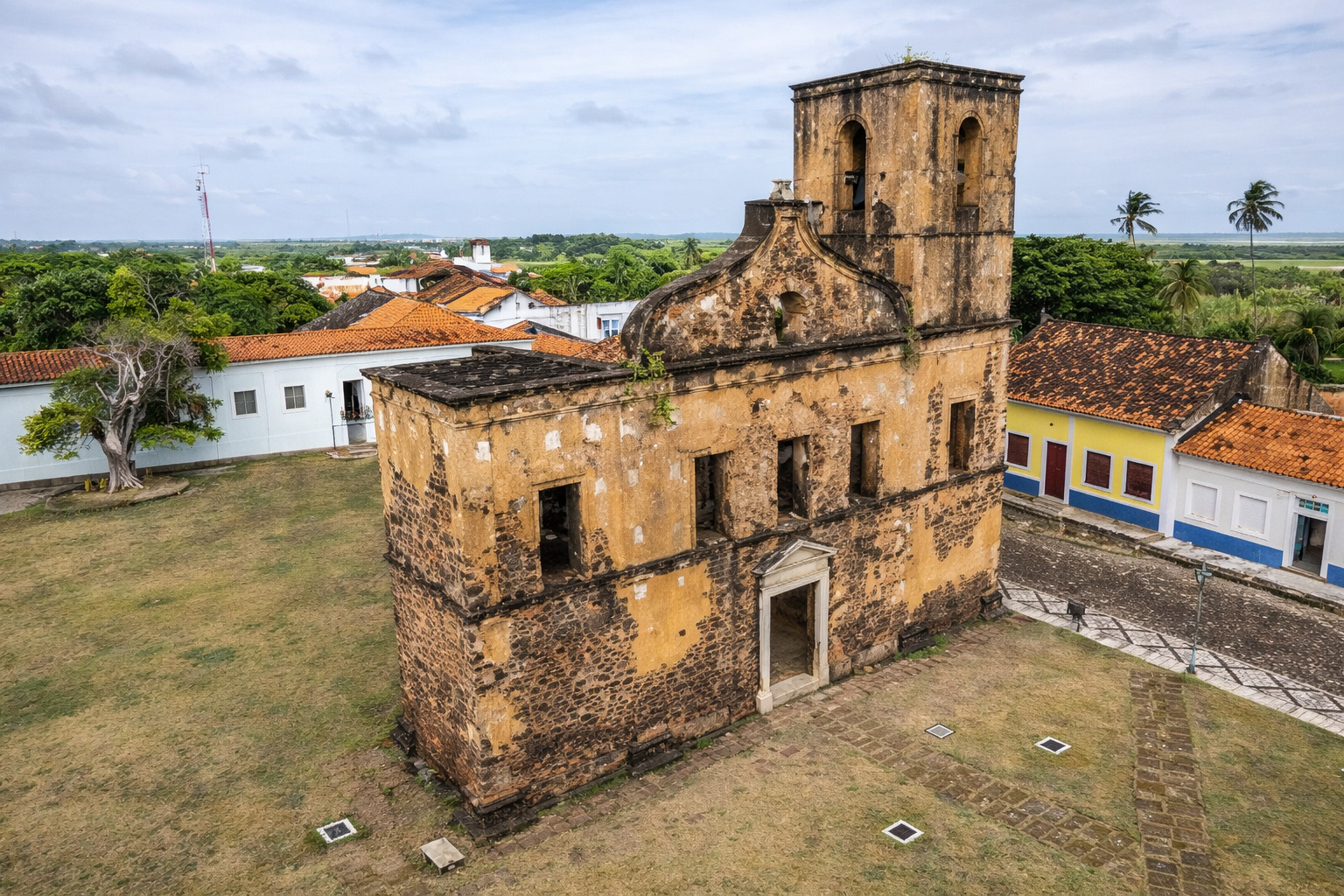
The Brazilian colonial city that stopped in time and shares territory with a rocket launch base.
-
79-year-old woman challenges limits, visits 193 countries in the world after 56 years of planning and reveals the behind-the-scenes of a global journey that few have managed to accomplish.


Is It Really A “Volcano”? What Does Geology Say That Intrigues Tourists And Researchers
The Cabugi Is A Subvolcanic Neck Of Alkaline Mafic Composition (With Predominance Of Basanites/Olivine-Basalts), Exposed By Erosion Over Millions Of Years. In Terms Of Age, Geochronological Studies Indicate Values Around 19.7 Million Years (K-Ar), Associated With The Alkaline Cenozoic Magmatism Of RN. Academic Works And National Geological Compilations Use Cabugi As A Reference For This Relatively Recent Event In Brazil. In Summary: It Is An Inactive Igneous Formation, With No Current Eruptive Activity, Or An Inactive Volcano.
Reports From The Geological Service Of Brazil (SGB) And Peer-Reviewed Articles Describe Cabugi In The Context Of The Regional Alkaline Province, Detailing Petrography, Morphology, And K-Ar/Ar-Ar Ages. This Set Of Scientific Evidence Supports The Classification Of The Peak As A Subvolcanic Remnant, Whose “Cone-Like Appearance” Has Been Maintained By Differential Resistance To Erosion.
To Avoid Confusion, It Is Worth Separating Cabugi From Old Controversies Such As The “Volcano Of Nova Iguaçu”, In RJ, Whose Hypothesis Has Been Reevaluated And Is Widely Contested By Geologists, Who Identify Plutonic Rocks There That Are Incompatible With Volcanic Buildings. This Case Is Often Cited To Mark The Difference Between Robust Evidence And Popular Myths.
Visitation, Trails And Safety: Responsible Tourism In The Cabugi Park
Anyone Planning To Climb The Pico Do Cabugi Should Treat The Area As A Conservation Unit And Observe Rules Of Sustainable Tourism. The Idema-RN Centralizes Information About The UC And Advises That Activities Be Conducted Responsibly. In Recent Years, There Have Been Initiatives And Discussions About Minimum Support Structures For Visitors, Such As Eco-Posts And Monitoring Actions, Although Operations On The Ground May Vary Depending On Budget And Contracts. Bring Water, Protect Yourself From The Sun, And Respect The Vegetation And Fauna Of The Caatinga.
Academic Research In Tourism Indicates That Proximity To An Asphalted Highway And The Iconic Landscape Increase Demand, But Also The Environmental Vulnerability. Therefore, The Recommendation Is To Plan The Trail In Advance, Check Weather Conditions, And If Possible, Hire Local Guides To Reduce Risks And Impacts.
Regarding Access, Travelers And Guides Often Indicate The BR-304 As The Main Route Between Natal And Angicos, With Variation In Distance Depending On Sources. The Essential Thing Is That Visitors Plan Their Route To Angicos And Confirm Entry Points With Local Providers Before Departing, As Signage And Gates May Change.
Curiosities And Historical Debates: Cabugi Joins The Conversation About The “Discovery” Of Brazil
In Addition To Geology, Cabugi Has Become A Topic Of Discussion Due To A Historiographical Hypothesis Advocated By Authors Such As Lenine Barros Pinto, According To Which The Pico Do Cabugi Would Be The Monte Pascoal Described In 16th Century Letters And The Potiguar Coast Would Have A More Direct Role In The First Portuguese Sighting. The Thesis Is Not Consensus And Does Not Replace The Traditional Version Established In School Books, But Remains A Recurring Academic And Journalistic Debate.
Recent Reports Have Revisited The Topic On Symbolic Dates, Explaining To The Public Why There Are Divergences In The Interpretation Of Historical Sources And Coastal Toponymy. For Tourism Purposes, The Discussion Adds Layers Of Narrative To The Visit, But Does Not Alter The Main Fact: Cabugi Is A Geographical And Geological Landmark Of RN, Whose Preservation Deserves Attention..








-

-

-

-

6 pessoas reagiram a isso.