





 Portuguese
  English
  Spanish
  4 min of reading
  0 comments


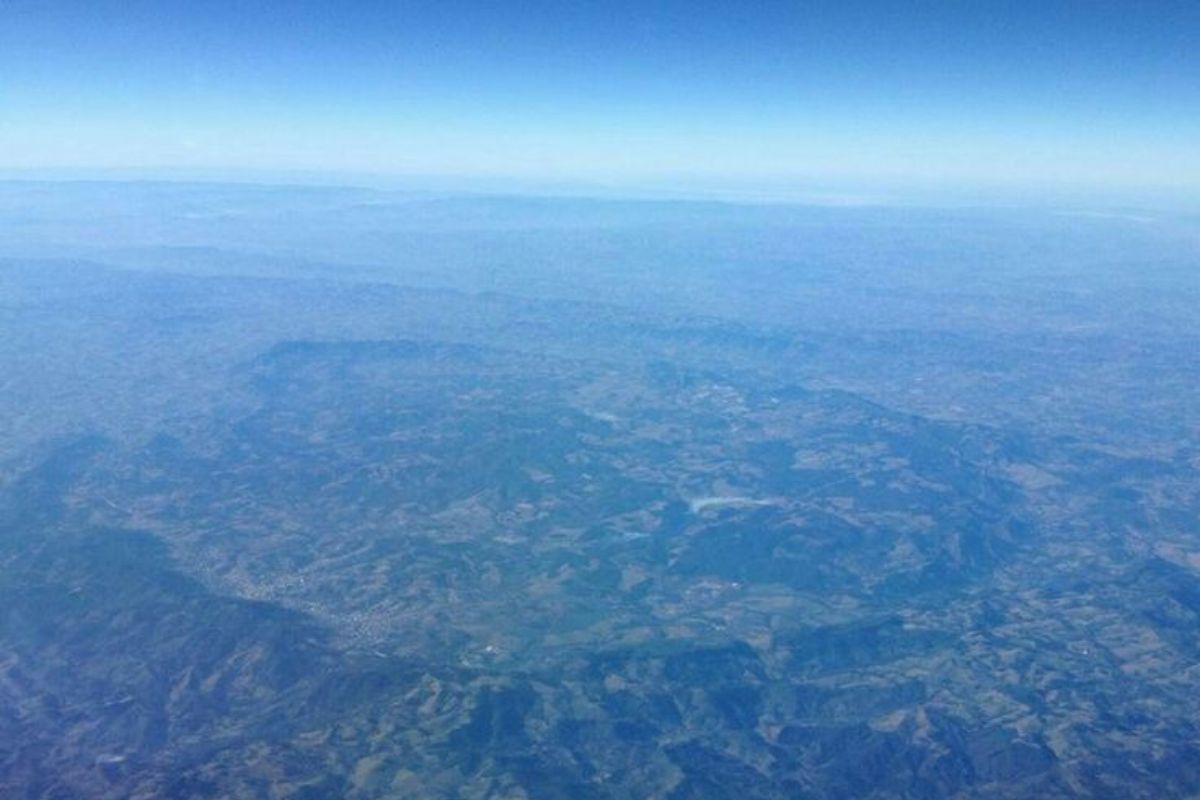
Although Brazil Today Is Tectonically Stable, Its Subsoil Holds Records Of Intense Volcanic Activity. Discover Where The Vestiges Of The Ancient Volcanoes In Brazil Are And Their Surprising Legacy.
The popular image of Brazil is rarely associated with active volcanoes, and in fact, the country is known for its tectonic stability. However, this contemporary perception hides a dynamic geological past that is surprisingly volcanic, with dormant records of intense igneous activity that shaped significant portions of the territory.
Many Brazilians are unaware that they walk on land that, in remote eras, was the site of colossal eruptions and caldera formation. Unraveling these records of the ancient volcanoes in Brazil is essential to understand the evolution of our planet, the formation of important mineral deposits, and the origin of fertile soils.
The Surprising History Of Volcanoes In Brazil: From Current Calm To Ancestral Records
The absence of volcanoes in Brazil today is not a coincidence, but a consequence of its location within the South American Tectonic Plate, far from the edges where most volcanoes are concentrated. The Brazilian terrain, geologically ancient, has also undergone extensive periods of erosion, which wore down and buried ancient volcanic structures.
-
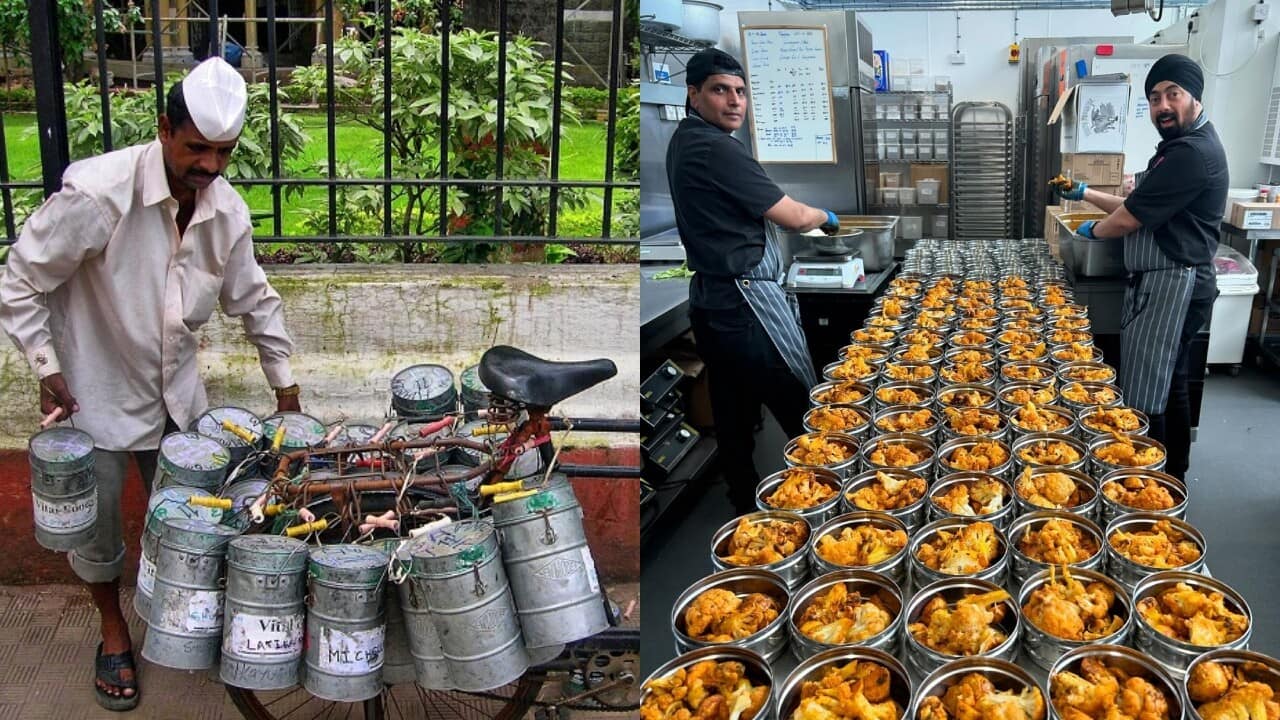
How 5,000 Indian dabbawalas manage to deliver around 200,000 lunchboxes a day in Mumbai for over 130 years using bicycles, crowded trains, and a manual system that continues to operate with impressive accuracy.
-
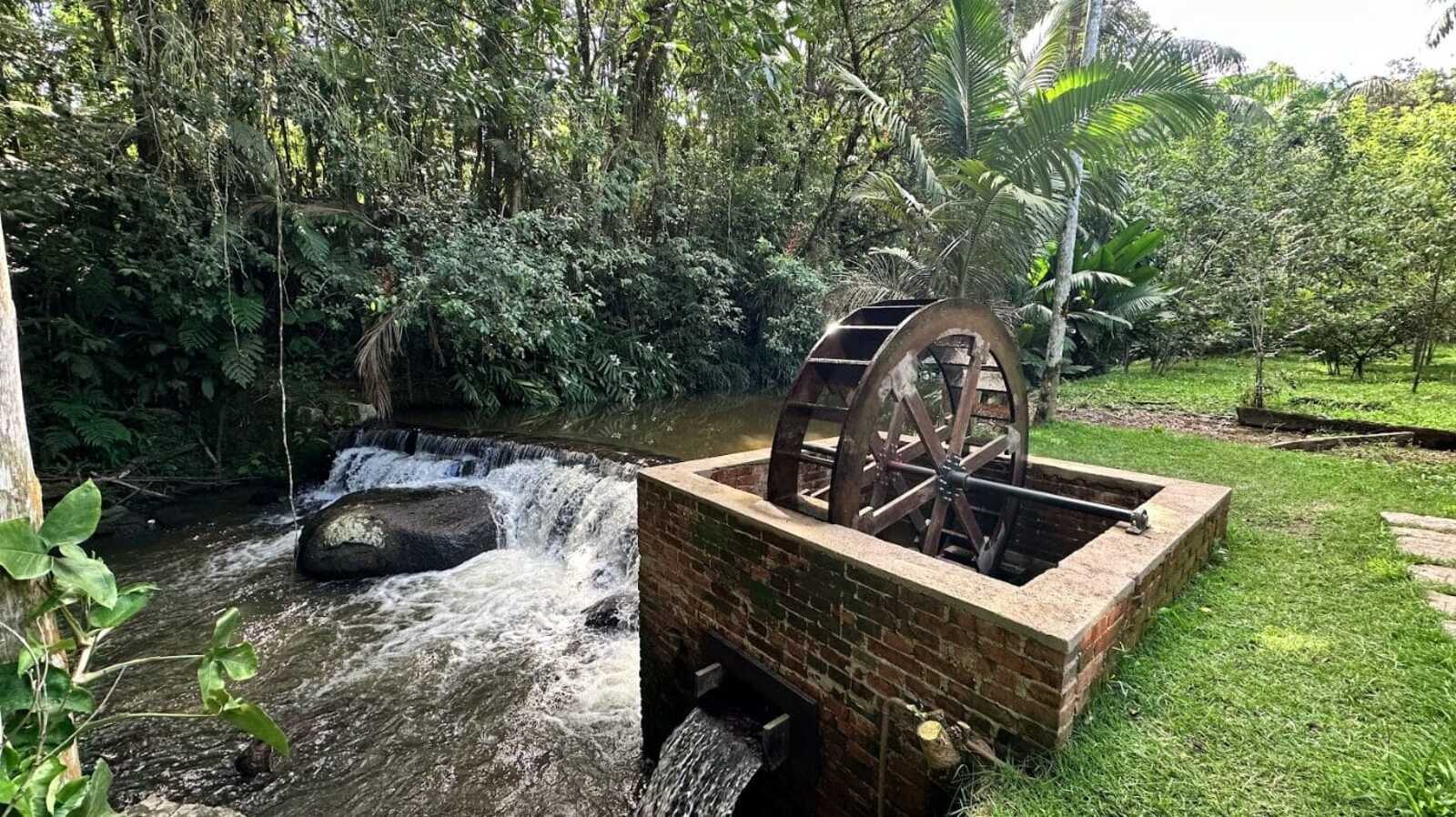
While restoring a historic mansion from 1910, a brick structure with an old turbine that generated energy from the Rio do Testo emerged, along with a hidden door and a rare floor concealed under layers of wax.
-
Italian researchers have detected what appears to be a second Sphinx buried under the sands of Egypt, and satellite scans reveal a gigantic underground megastructure hidden beneath the Giza Plateau for over 3,000 years.
-
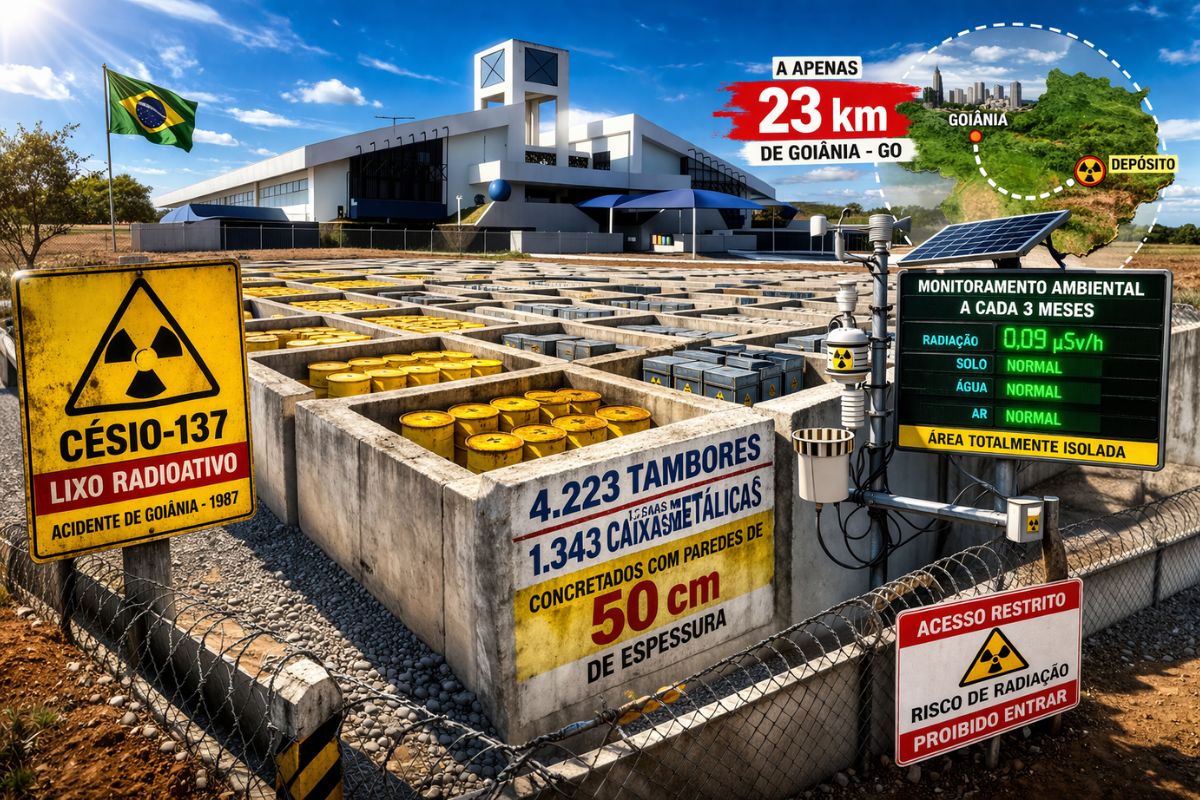
There are 4,223 drums and 1,343 metal boxes concreted with 50-centimeter walls that store the radioactive waste from Cesium-137 in the worst radiological accident in Brazil, just 23 kilometers from Goiânia, with environmental monitoring every three months.

Despite the current calm, the national subsoil holds a vast record of past volcanic activity. The study of these volcanoes in Brazil, even those extinct for millions of years, offers keys to deciphering past climate changes and the internal dynamics of the Earth. Curiously, the same tectonic processes that triggered massive eruptions in the past are responsible for the current tranquility.
Amazon Basin: Calderas And Lava Flows In The Heart Of The Ancient Volcanoes In Brazil
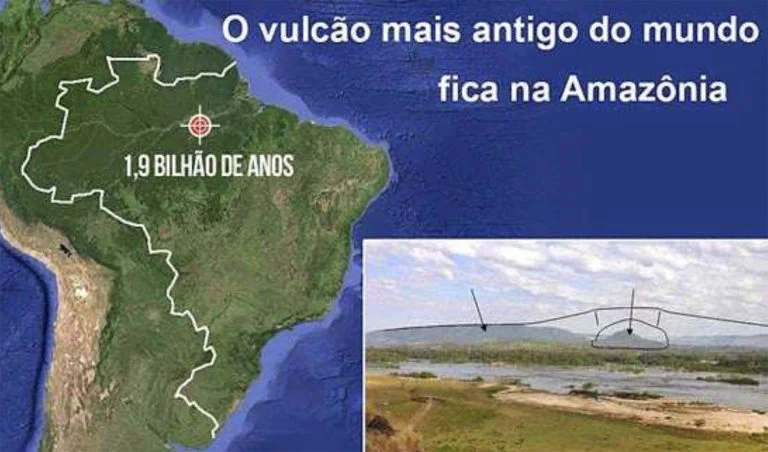
The Amazon Basin, besides its biodiversity, is a geological archive that holds some of the oldest records of volcanoes in Brazil. Research has revealed volcanic rocks approximately 1.8 billion years old in regions such as the district of União do Norte, in Mato Grosso, part of the Alta Floresta Mineral Province. These rocks are associated with ancient volcanic calderas, formed by the collapse of volcanoes after massive eruptions.
The volcanic activity during this remote era included explosive eruptions (ash and fragments) and effusive (lava flow). This ancestral activity also played a crucial role in the formation of important mineral deposits in the region. It is important to note that there are also records of more recent basaltic flows in the Amazon, which occurred in the Cenozoic, distinct in age and origin.
Paraná Basin: The Massive Sea Of Lava Of The Serra Geral Formation And The Legacy Of The Volcanoes In Brazil
At the beginning of the Cretaceous Period, about 134 million years ago, the South and Southeast of Brazil were the stage for one of the largest volcanic events in Earth’s history: the formation of the Paraná-Etendeka Magmatic Province. This Large Igneous Province (LIP) covered an immense area, with lavas that could reach thicknesses of up to 1 kilometer. The maximum remaining thickness of these flows, known in Brazil as the Serra Geral Formation, reaches 2,000 meters.
This volcanism was predominantly fissural, with magma ascending through extensive fractures, and is linked to the fragmentation of the supercontinent Gondwana. The predominant rocks are tholeiitic basalts. The best-known legacy of this volcanism, one of the main events involving ancient volcanoes in Brazil, is the formation of “terra roxa”, highly fertile soils, crucial for agriculture in states such as Paraná and São Paulo.
Poços de Caldas (MG/SP) And Oceanic Islands: Other Notable Evidences Of Volcanoes In Brazil


The Poços de Caldas Alkaline Complex, on the border of Minas Gerais and São Paulo, is a notable volcanic structure approximately 35 km in diameter, formed in the Late Cretaceous (between 83 and 64 million years ago). It originated from a volcanic caldera, with intense activity and subsequent collapse and intrusion of alkaline magmas, such as fonolites and nepheline syenites. This Brazilian city (region) is known for mineral deposits such as bauxite and uranium.
The Brazilian oceanic islands, such as Fernando de Noronha and Trindade, are younger witnesses of the volcanoes in Brazil. Fernando de Noronha is the top of a volcanic mountain formed by a hotspot, with alkaline rocks dated from the Miocene to the Pleistocene. Trindade Island is also a volcanic summit with even more recent activity, reaching 170 thousand years. Both are interpreted as “hotspot tracks”.
Ancient Volcanoes In Brazil: Landscapes, Resources And Geological Knowledge
The volcanic past of Brazil has left a profound legacy. The igneous activity shaped landscapes such as the southern plateaus and the ring structure of Poços de Caldas. One of the most significant impacts was the formation of fertile soils, such as “terra roxa”, and of important mineral deposits in various regions, such as Alta Floresta and Poços de Caldas.
The study of the records of the volcanoes in Brazil provides crucial information about the geological evolution of the Earth, the fragmentation of supercontinents like Gondwana, and the movement of tectonic plates over hotspots. This “volcanic Brazil” is a geological treasure that contributes to global knowledge and enriches the country’s identity.







Seja o primeiro a reagir!