





 Portuguese
  English
  Spanish
  6 min of reading
  0 comments


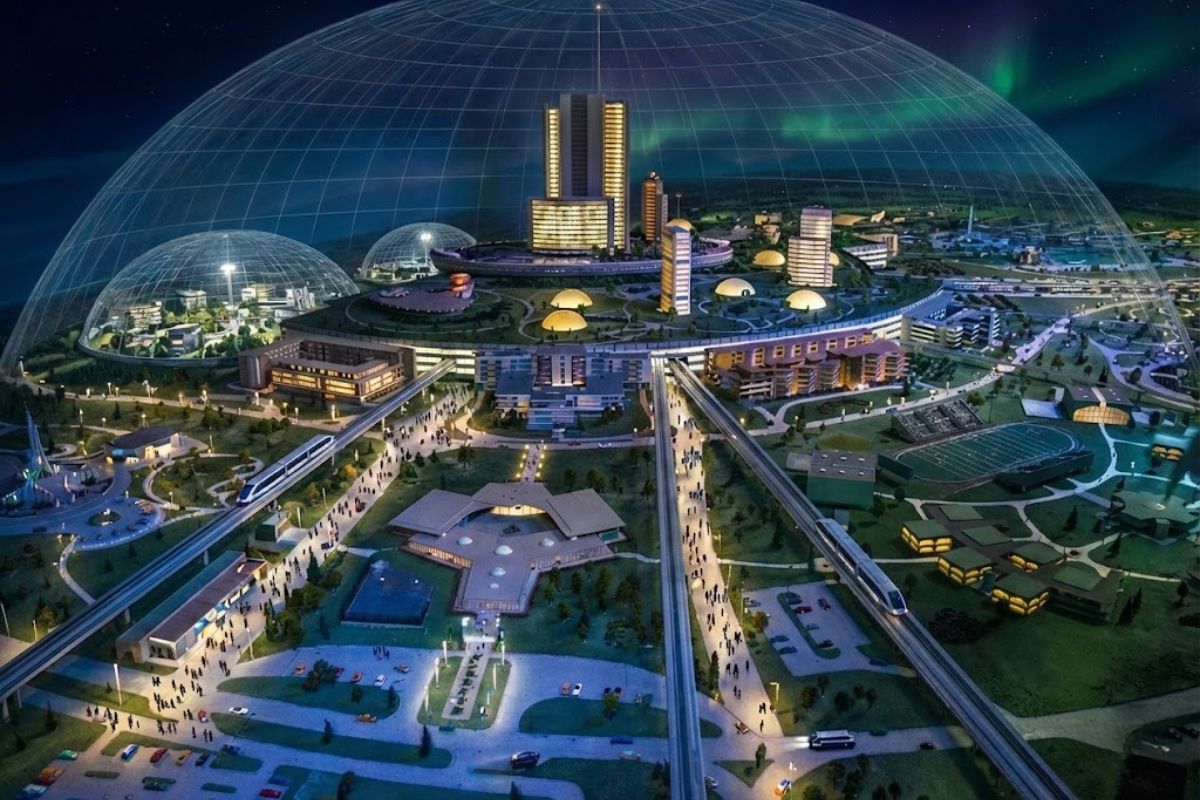
Walt Disney Didn’t Just Want a Park: EPCOT Was Born as a Real City for 20,000 Residents, with Concentric Rings, Underground Traffic, Automated Houses, and Renewable Energy. The Plan Hit Snags with Costs, Laws, Privacy, and Corporate Governance, Was Abandoned After His Death, and Resurfaced as a Theme Park.
In the mid-1960s, Walt Disney Took Seriously an Idea That Seems Like Science Fiction: To Build, from Scratch, a Planned City to “Function Better” than Modern Metropolises. EPCOT, which Stands for Experimental Prototype Community of Tomorrow, Was Designed as a Prototype for Organized, Technological, and Above All, Controlled Urban Life.
The project ultimately did not come to fruition. After Walt Disney’s death, the company Lost the Political and Operational Momentum to Sustain the Ambition of Running a Real City. The Name EPCOT Survived, but the Fate Was Different: It Became a Park Within Walt Disney World, far from the Original Proposal.
The Original EPCOT: When Walt Disney Wanted to Solve the City as a “System”

Walt Disney’s motivation was less about “putting on a show” and more about correcting what he saw as flaws in urban life. His discomfort with noise, dirt, traffic, and degraded public spaces fueled an idealized vision: a city that would eliminate improvisation and reduce the friction of modern life.
-
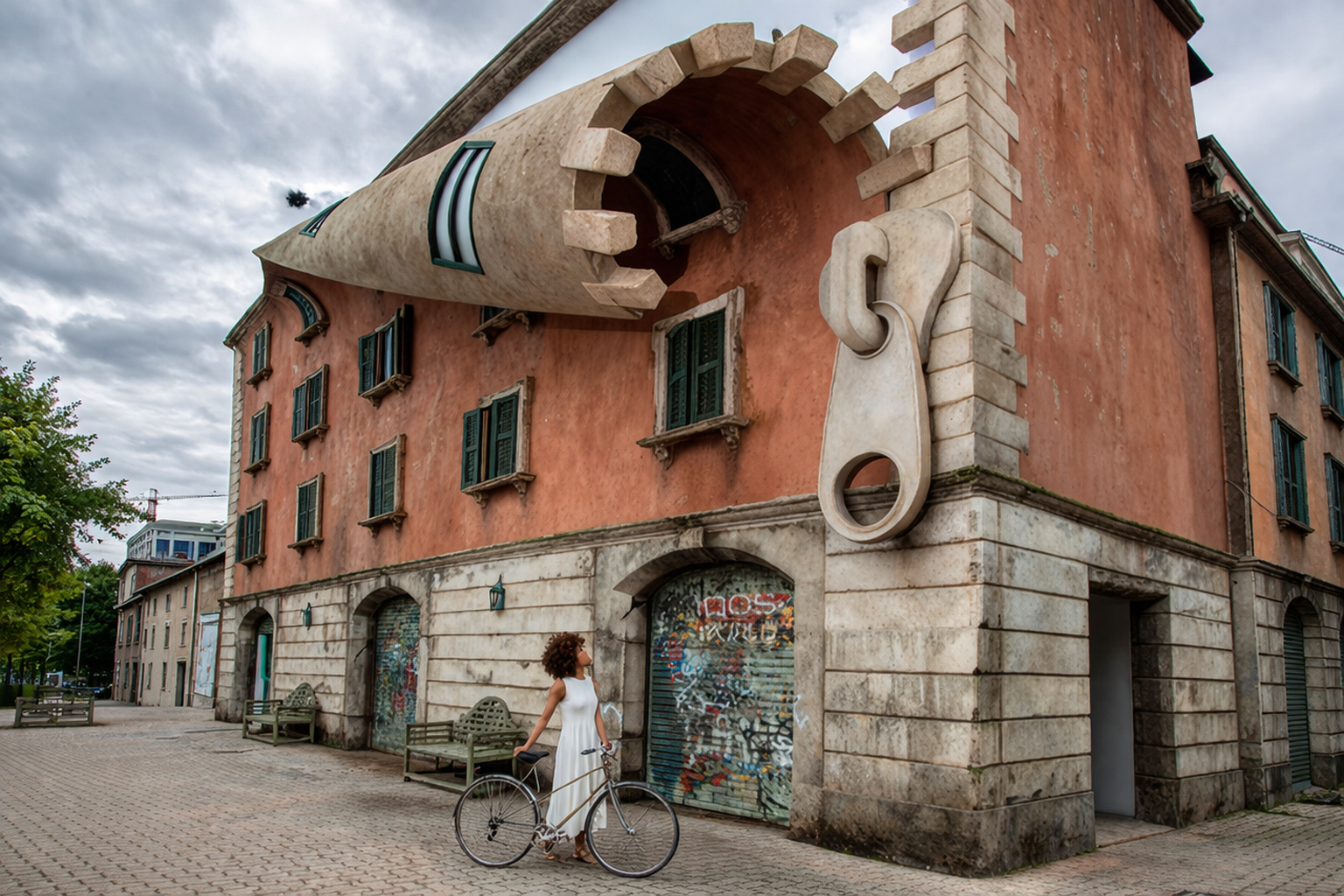
With a façade that resembles a giant zipper, the building in Milan creates a sense of strangeness, featuring lighting that transforms engineering and attracts the attention of residents and tourists.
-
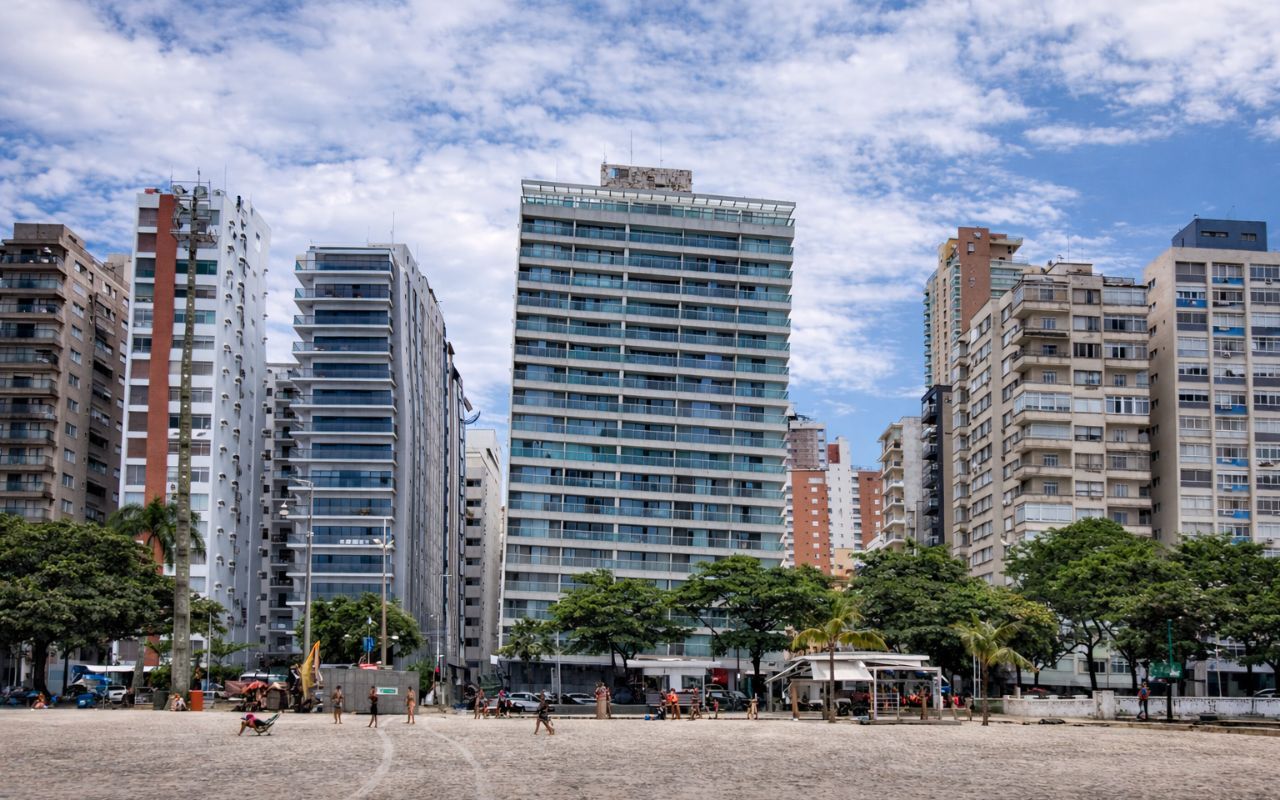
The Brazilian city has 319 crooked buildings built on sandy soil without proper deep foundations, houses the largest beach garden in the world, with over 5 km, and is still considered the birthplace of surfing — meet Santos, in São Paulo.
-
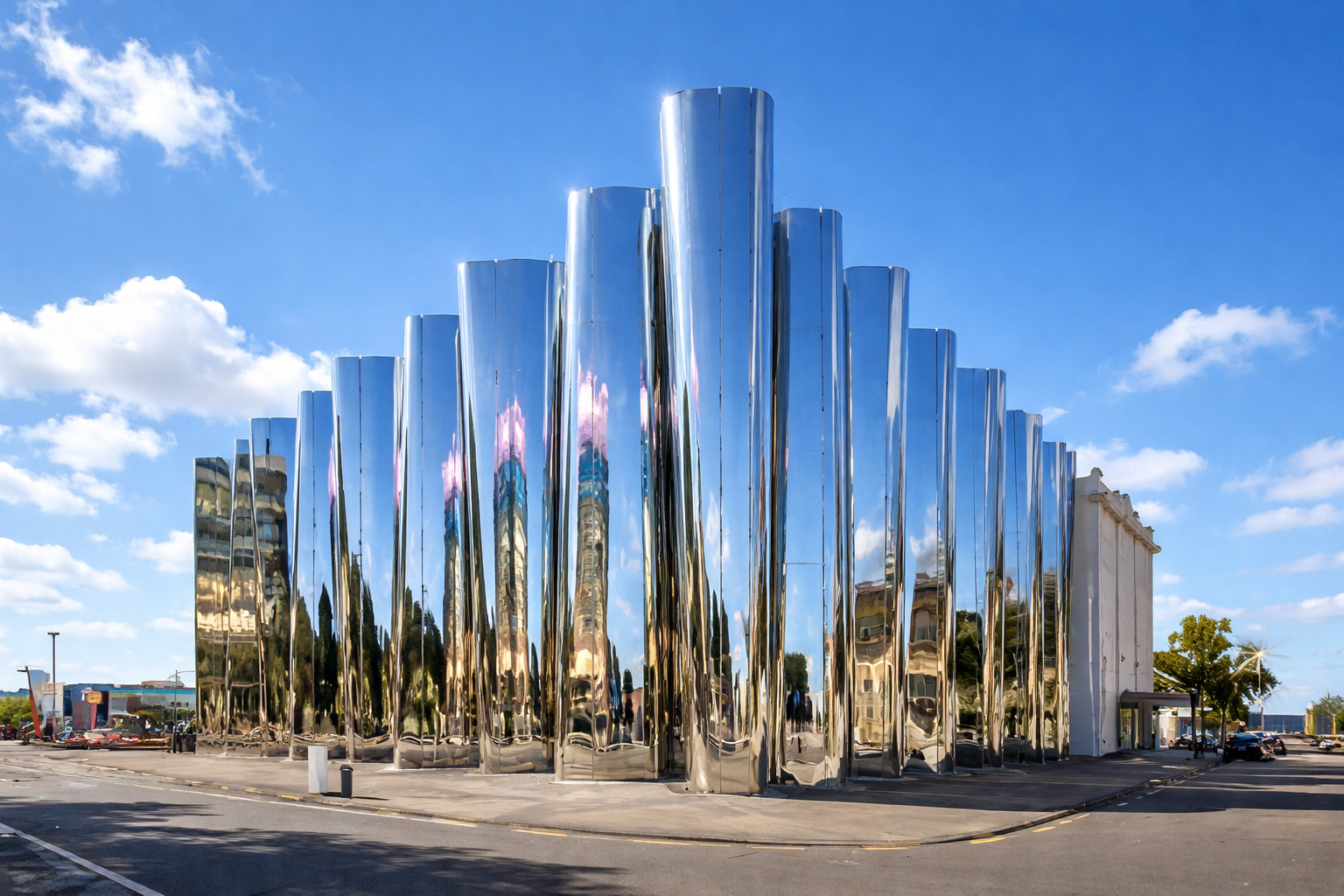
New Zealand builds a shimmering building that vibrates, featuring a 62-seat cinema, moving sculptures, and an environment where sound, light, and energy are felt in the body.
-
Two colored cubes of 2.5 m transform a public bathroom into a selfie spot in Western Australia, costing up to 75% less than traditional construction and helping to reduce vandalism in public spaces.

This ambition is reflected in EPCOT’s central idea: an urban model guided by technology, logistics, and clear rules.
It Would Not Be an Experimental Neighborhood within a Tourist Complex, but a Real Community, Designed to Prove That Planning and Innovation Could Produce a More Efficient, Safe, and Predictable Routine.
What the City Would Be Like: Climate Dome, Concentric Rings, and Car-Free Streets
The urban design envisioned a circular structure in concentric rings, distributing functions across layers: business center, housing, apartments, services, and green areas.
At the core, an area protected by a dome appeared as the ultimate symbol of environmental control, allowing for the regulation of temperature and comfort, regardless of external weather.
Circulation Was as Important as Architecture. The proposal sought to free the surface from traffic, pushing vehicles underground while preserving streets for pedestrians.
The connection between the rings would be made by monorail lines, reinforcing Walt Disney’s obsession with guided, silent mobility integrated into the city’s design.
Who Was Behind the Plan: Imagineers and an Urbanism Laboratory
EPCOT Was Not a Solitary Daydream. Walt Disney Had Support from a Highly Specialized Team, the Imagineers, as well as Experts in Design, Engineering, and Transportation.
The project Brought Together Illustrators, Mobility Specialists, Set Designers, and Architects, Working as if the City Were a Large Machine: Each Piece Needed to Fit.
This Creative Engineering Was Also Reflected in the Way the Idea Was Presented. In 1966, the Project Was Materialized in a Presentation for Legislators, with the Finishing and Persuasion Standards Typical of the Disney Ecosystem.
The Ambition Was Not Only Technical: It Depended on Political Buy-In, Institutional Negotiation, and a Type of Authorization That Few Companies Would Pursue at That Level.
The Scale and Cost: The Purchase of Land and the Size of the Risk
According to Information from the Portal tomorrow.city, to Support EPCOT, the Company Bought Large Areas in Florida, in an Operation that Involved Millions of Dollars and Land Comparable to a Metropolis in Scale. This Detail Matters Because It Shows That It Was Not Just a Concept for “One Day,” but a Real Move to Enable a Complete Urban Project.
At the Same Time, the Size of the Risk Was Proportional. A City Requires Infrastructure, Continuous Maintenance, Public Services, Security, Sanitation, Labor Laws, and Governance Relationships That Go Far Beyond Managing Attractions.
What Seemed Like an Inevitable Leap Into the Future Also Meant a Financial and Operational Leap That Could Compromise the Company’s Very Business Model.
The Most Controversial Point: The “Total Control” and the Fine Line Between Order and Surveillance
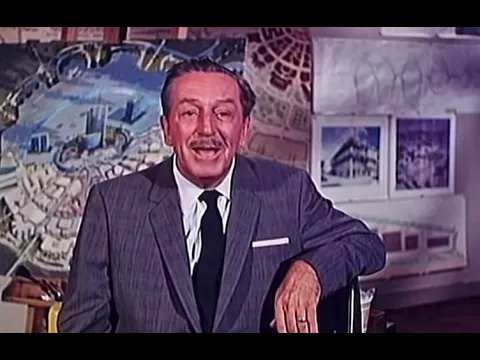

The EPCOT Designed by Walt Disney Had a Component that Today Sound More Disturbing than Futuristic: The City Would Be Controlled by the Company. This Meant Rules Defined Corporately, Without the Type of Municipal Autonomy Characteristic of a Traditional City.
There Were Also Limitations that Affected Individual Freedom: Residents Would Not Have Municipal Voting Rights, Would Not Own Their Houses, and Would Live Under an Environment of Constant Oversight, at Least in Spirit and Operational Intent.
The Promise of Efficiency Came with a Discomforting Question: How Perfect Can a City Be Without Ceasing to Be Free?
Why the Project Died: Leadership, Succession, and Practical Viability
The Death of Walt Disney Emerges as the Central Explanation for the End of the Original EPCOT, as the Project Depended on His Direct Command and His Ability to Align Interests Inside and Outside the Company. Without Him, the Vision Lost Its Main Engine: Someone Who Advocated for the City as a Strategic Priority.
Moreover, the Succession and Decisions of the New Leadership Shifted the Company Toward a More Predictable Path. Instead of Facing the Challenge of Governing a City, the Choice Was Made to Transform EPCOT into a Theme Park, Preserving the Theme of “Progress” Without Taking on the Legal, Social, and Economic Weight of Managing a Real Community.
What Remains: From Urban Prototype to Theme Park and the “Mirror” of the Future
Today, EPCOT Exists as Part of Walt Disney World, with Areas Focused on Innovation and International Culture, but as a Visiting Experience, Not as a Habitual Urban Experiment. The Acronym Remained, but the Meaning Was Reconfigured: Out Went the Real City, In Came a Showcase of Ideas and Exhibits.
Even So, the Original EPCOT Left a Trace. Contemporary Projects of “Cities of the Future” Carry Echoes of This Imaginary: Guided Infrastructure, Modular Urbanism, Promise of Efficiency, Technology as a Total Solution. What Changes is the Context: Today, the Debate on Privacy, Governance, and Inequality is Much More Difficult to Navigate Than in the 1960s.
What EPCOT Reveals About Us: Why the Idea Still Fascinates and Disturbs
The Fascination Comes from the Contrast: The Same Mind That Told Stories to Millions Also Tried to “Fix” Urban Life with Design and Technology.
EPCOT is Both a Monument to Applied Imagination and a Warning About the Risk of Treating Citizens as Parts of a System.
And It Is Exactly This Ambiguity That Keeps the Project Alive in the Debate. Walt Disney Wanted to Solve Real Problems: Dirt, Mobility, Disorder, but the Proposed Method Concentrated Too Much Power in a Single Operator. The Dream of an Efficient City, in This Case, Comes at the Cost of a City with Less Choice.
The EPCOT That Walt Disney Imagined Was Not Built, but the Question It Raises Remains Relevant: When Technology Enters to “Organize” Urban Life, Who Decides the Rules, Who Oversees the Overseer, and Who Bears the Social Cost of Efficiency?
Wwould you live in a “perfect” city if it meant giving up ownership of your home and municipal voting rights? At what point does the promise of order become too much control for you?





Seja o primeiro a reagir!