





 Portuguese
  English
  Spanish
  3 min of reading


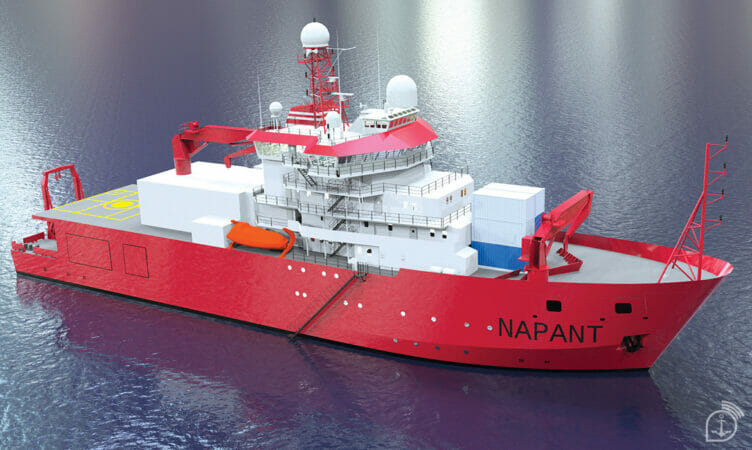
The Wärtsilä Equipment Is Scheduled to Be Delivered to the Jurong Aracruz Shipyard in 2024, with the Commissioning of the NApAnt Admiral Saldanha Expected in 2025. This Is a Strategic Milestone Not Only for the Company and the Shipyard, but Also for the Brazilian Navy.
As part of an important agreement signed in the third quarter of 2023, the renowned company Wärtsilä will be responsible for providing the main power generation and propulsion systems for the Antarctic Support Ship (NApAnt) Admiral Saldanha, currently under construction by the Jurong Aracruz Shipyard (EJA), in partnership with the Brazilian Navy.
See: Antarctic Support Ship (NApAnt) of the Brazilian Navy
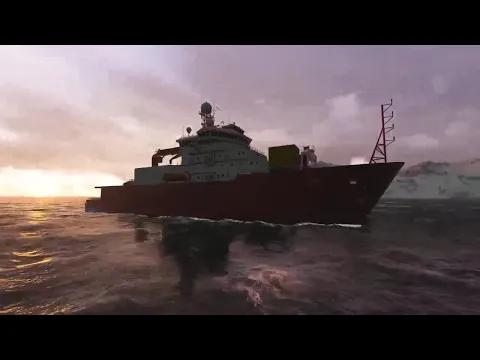

Strategic Partnership Between Wärtsilä and Jurong Aracruz Shipyard Will Boost Operations in Antarctica
The NApAnt Admiral Saldanha represents a project of strategic relevance, playing a vital role in maintaining Brazil’s presence on the Antarctic continent and in the ongoing support for scientific research at the Comandante Ferraz Antarctic Station (EACF).
The wide range of systems provided by Wärtsilä includes three diesel generator sets of the Wärtsilä 32 model.
-
With 74% of companies facing difficulties in hiring, technicians and engineers in renewable energy are becoming scarce in Brazil and are essential to support the expansion of solar, wind, and green hydrogen projects.

-
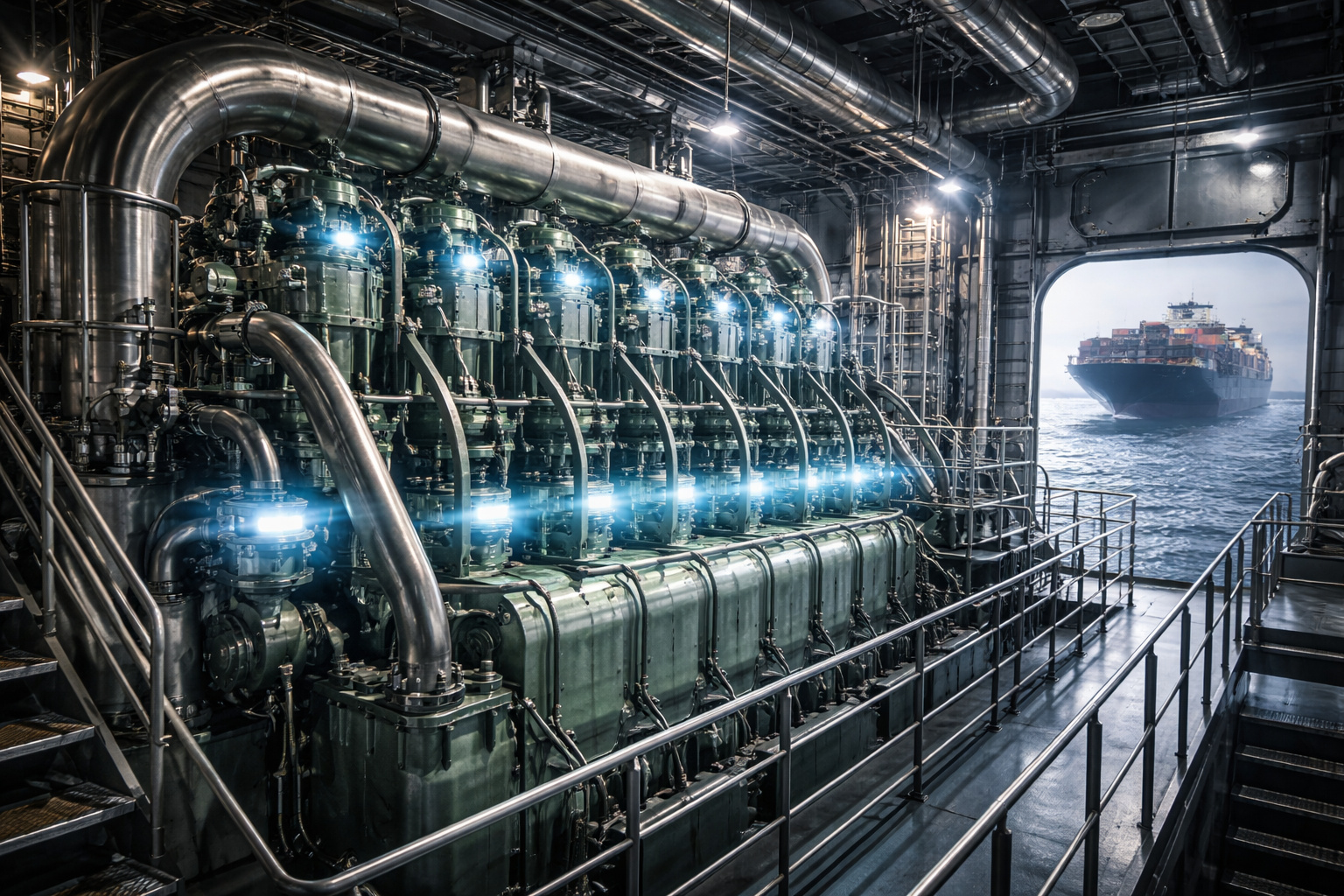
Europe is trying to create an ammonia-powered marine engine without auxiliary fuel, which could unlock the race for giant emission-free ships. The technology aims to eliminate one of the biggest obstacles to clean maritime propulsion.
-
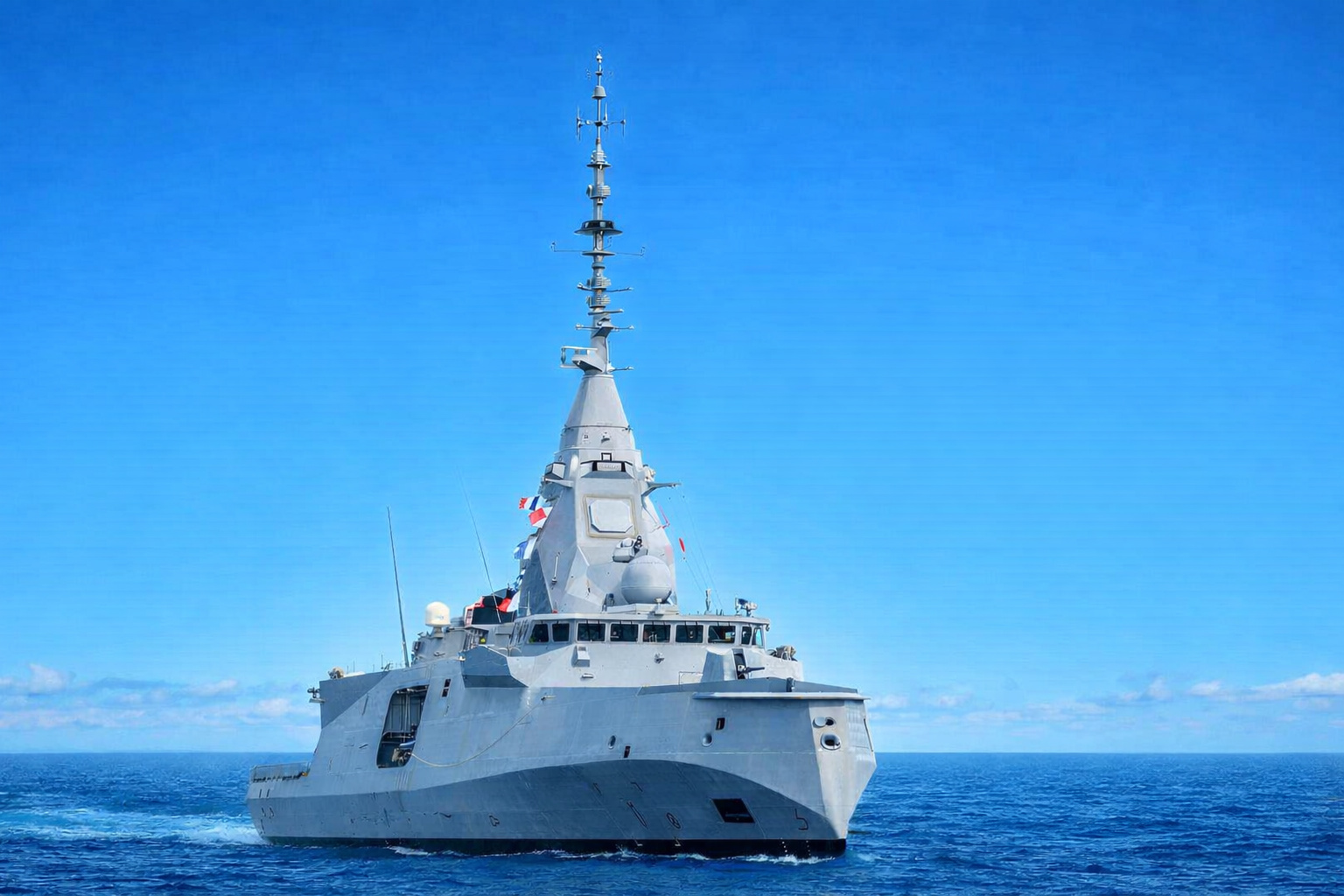
A 4,500-ton frigate with just over 100 crew members, state-of-the-art radar, and cruise missiles is being touted as the new standard of naval warfare in the 21st century.
-
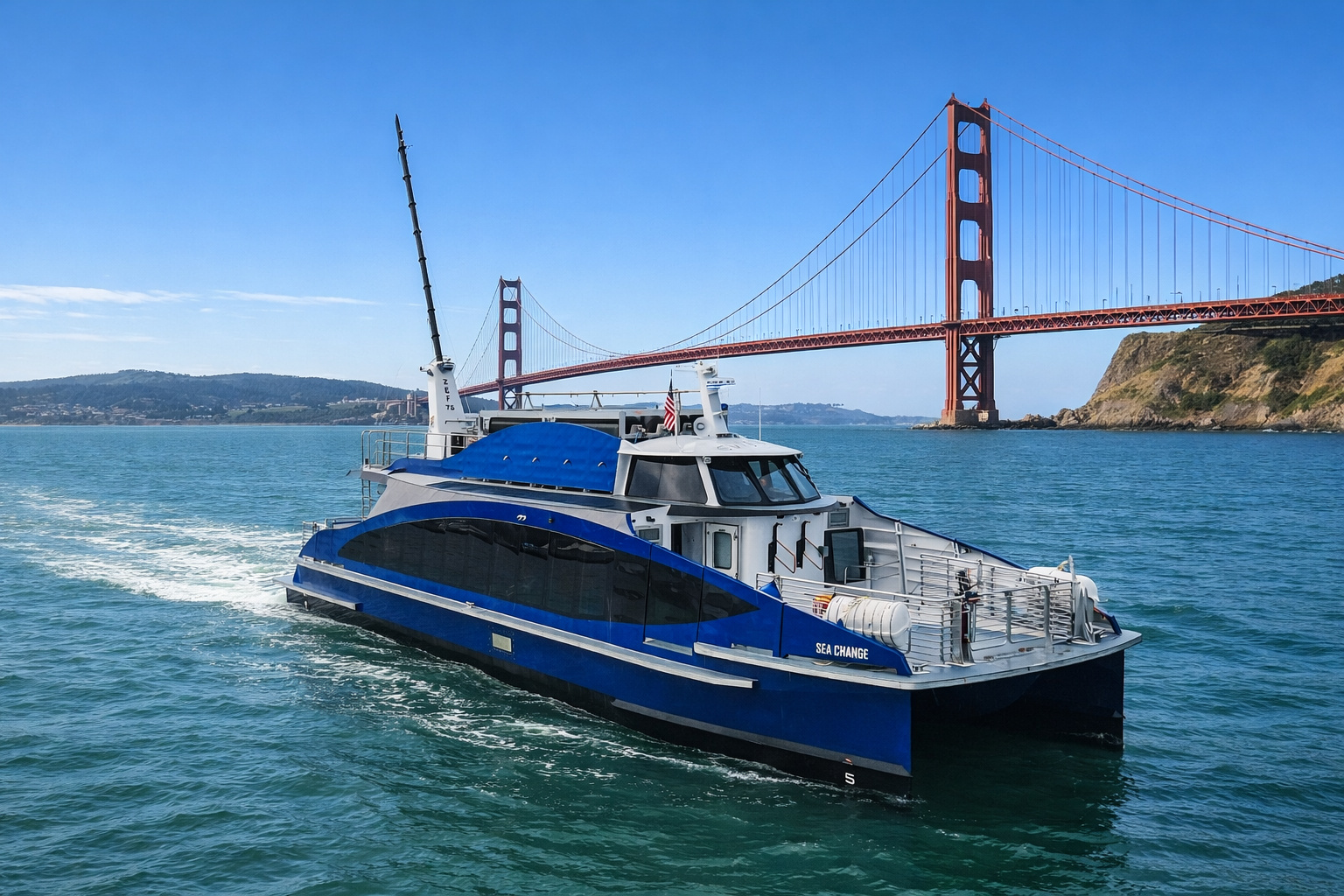
The first commercial hydrogen-powered ferry enters operation in the U.S., eliminates the use of diesel, uses fuel cells to generate clean energy on board, and transforms San Francisco Bay into a landmark of the new era of emission-free navigation.

Along with a sophisticated diesel-electric energy conversion system and two bow thruster propulsion systems.
Moreover, a state-of-the-art energy management system is included, ensuring energy efficiency and optimized operational performance.
A distinctive feature of the systems provided by Wärtsilä is their remarkable energy efficiency and low emissions, reflecting a commitment to sustainability and the environment.
Thanks to extended maintenance intervals and remarkable fuel consumption efficiency, the operational reliability of the ship is assured, as well as high availability.
New Support Ship Will Be Operated by the Navy, Reinforcing Brazilian Presence in the Icy Continent and Sustaining Scientific Research
Maicon Batista Pinto, Project Manager – NApAnt, expressed confidence in Wärtsilä’s solutions, saying: “With the company’s long and extensive experience in maritime technology, we trust Wärtsilä to provide high quality and reliability in all of its products and systems. These specialized vessels require superior performance, and we are confident that Wärtsilä’s solutions will meet this requirement.”
Simon Riddle, General Manager of Naval Sales at Wärtsilä, shared the company’s pride in being chosen as a partner in providing this comprehensive solution for the Antarctic Support Ship.
Riddle emphasized that Wärtsilä’s advanced technologies will enable the vessel to operate with maximum efficiency, aligning with the company’s core strategy of promoting sustainability.
The delivery of Wärtsilä equipment is scheduled to begin in 2024, while the commissioning of the NApAnt Admiral Saldanha is expected in 2025.
This milestone represents not only a significant step in technological cooperation but also in ensuring Brazil’s presence and operations in the Antarctic landscape.








Seja o primeiro a reagir!