





 Portuguese
  English
  Spanish
  4 min of reading
  8 comments


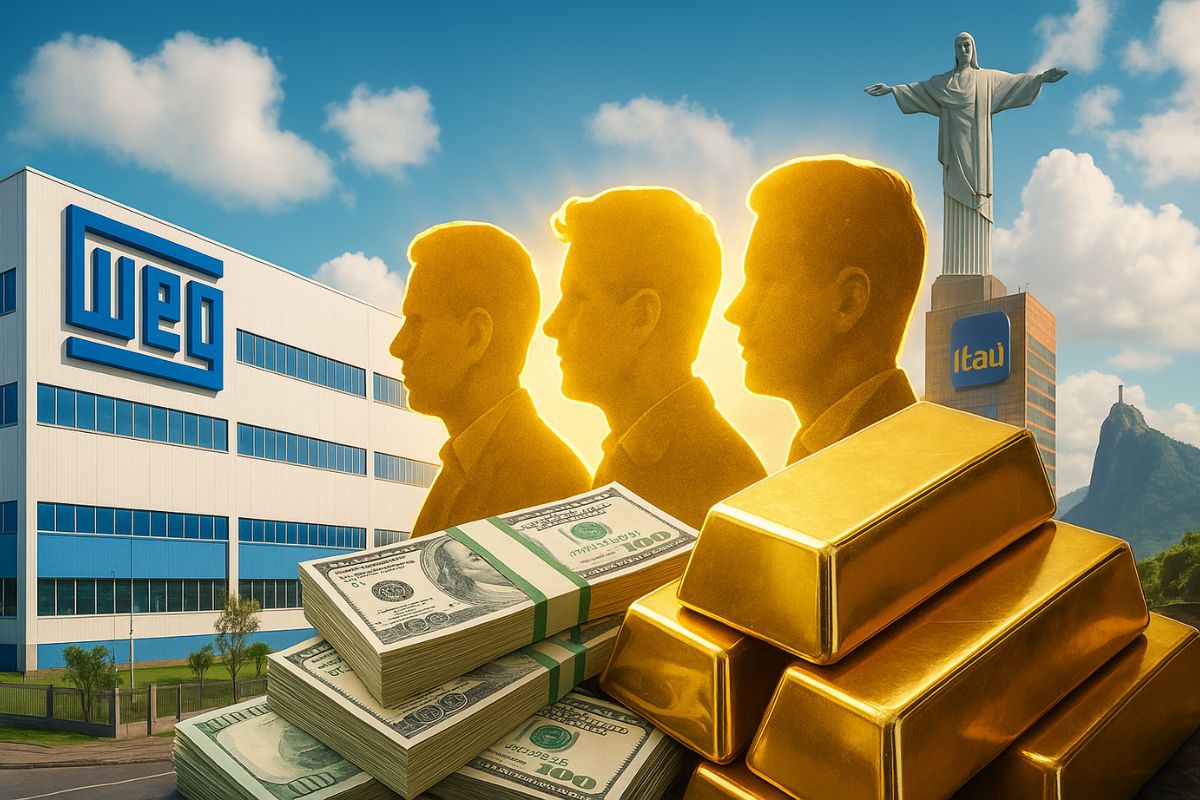


How WEG Became a Factory of Billionaires in Brazil. A Professional Management Model Combined with Family Succession Transformed the Company into One of the Largest Wealth Centers in the Country.
The story of WEG goes far beyond electric motors and industrial innovation. With a planned succession strategy and professional management, the Santa Catarina-based company founded in 1961 not only became one of the most valuable in Brazil but also generated an impressive number of billionaires in Brazil.
In 2024, according to Forbes, no less than 29 people linked to WEG had billion-dollar net worth, surpassing even giants like Itaú in the number of heirs with fortunes above nine digits. This achievement is the result of a rare combination: solid governance, a focus on continuous growth, and adherence to the values established by the founders.
The Origin of a Powerhouse
Founded in Jaraguá do Sul (SC) by Werner Ricardo Voigt, Eggon João da Silva, and Geraldo Werninghaus, WEG started producing electric motors and gradually expanded its portfolio to more than 1,500 products. Today, the company generates over R$ 30 billion per year, manufactures 60,000 motors daily, and is present in more than 130 countries.
-
Larger than entire cities in Brazil: BYD is building a 4.6 km² complex in Bahia with a capacity for 600,000 vehicles per year, but the discovery of 163 workers in conditions analogous to slavery has shaken the entire project.

-
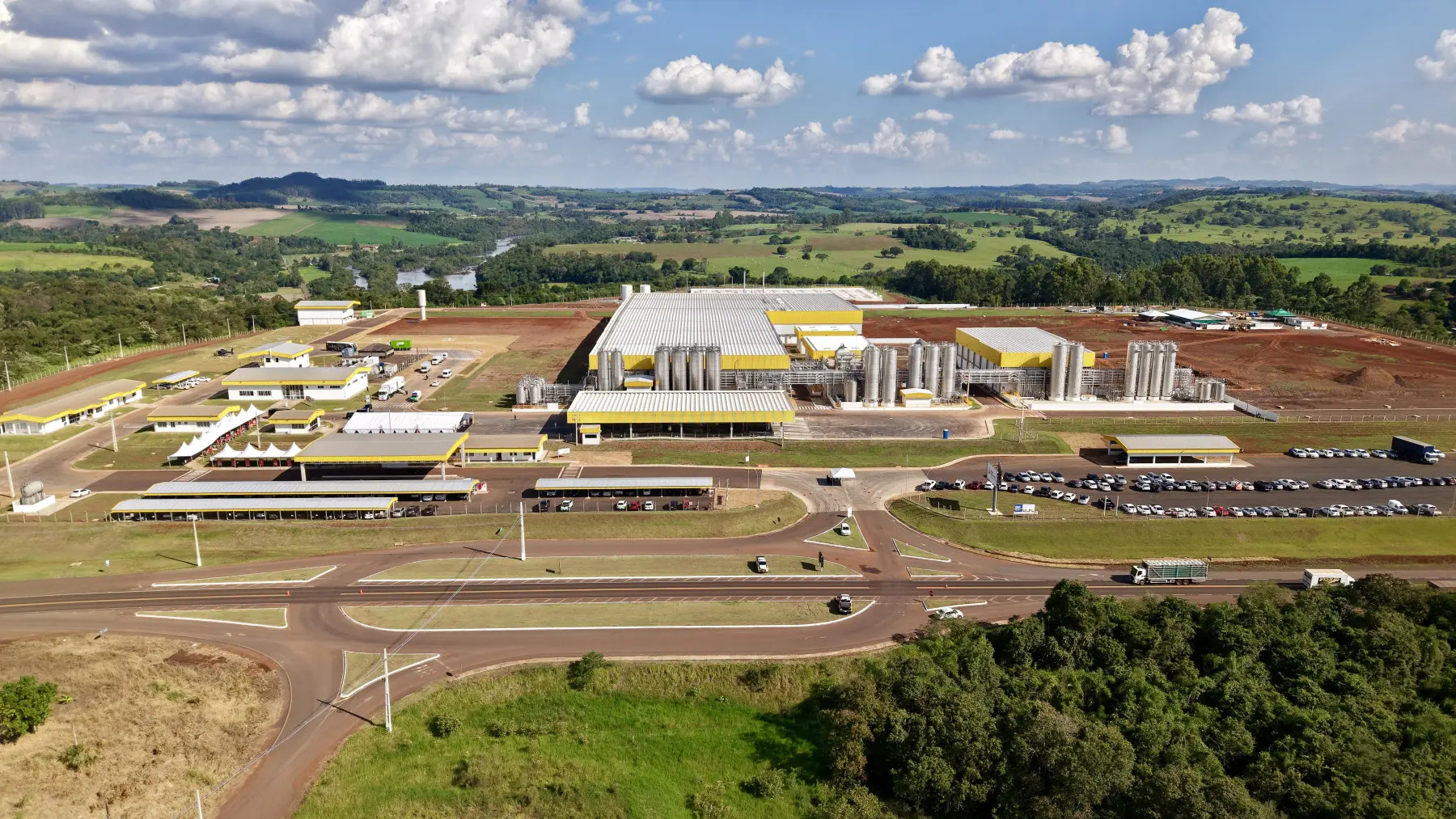
With an investment of R$ 612 million, a capacity to process 1.2 million liters of milk per day, Piracanjuba inaugurates a mega cheese factory that increases national production, reduces dependence on imports, and repositions Brazil on the global dairy map.
-
Brazilian city gains industrial hub for 85 companies that is equivalent to 55 football fields.

-
Peugeot and Citroën factory in Argentina cuts production by half and opens a layoff program for more than 2,000 employees after Brazil drastically reduced purchases of Argentine vehicles.


Even being a family-origin company, WEG decided to professionalize its management early on. Since the 1980s, it has created clear rules for the selection of executives — who may or may not be family members — and has instituted internal training programs and succession plans to prepare future leaders.
Planned Succession and Stability in Leadership
Over more than 60 years, WEG has had only four presidents. The current CEO, Alberto Kuba, started as an intern and took the position in 2024 after two decades at the company. Before him, Harry Schmelzer Jr. held the presidency for 16 years, also starting his journey as an intern.
This internal promotion policy maintains corporate culture and reduces risks of disruptions in leadership. Additionally, the presence of the founding families is guaranteed through the holding company WPA Participações, which holds 50.1% of the voting shares, ensuring strategic control without interfering with day-to-day executive management.
Agreement Between Families and Preservation of Culture
In the 1970s, the founders drafted a letter defining principles of governance and succession. Among the rules, it was established that heirs interested in working for the company should start in entry-level positions and that no one would be obliged to assume leadership roles.
The commitment also provided for training programs for descendants, covering topics such as finance, management, and the company’s history. Today, more than 90 heirs participate in the so-called Family Council, which ensures the preservation of these values and closely monitors WEG’s results and strategic plans.
Global Growth and Stock Appreciation
International expansion, intensified since 1989, was decisive for increasing market value and multiplying billionaires in Brazil linked to WEG. Currently, the company operates 52 factories in 15 countries, and more than half of its revenue comes from abroad.
Since 2014, when the first heir appeared on the Forbes billionaire list, the company’s shares have risen over 1,000% on B3. About 60% of current revenue comes from products launched in the last five years, highlighting the ongoing investment in innovation and new markets, such as solar, wind, and electric vehicle solutions.
Who Are the WEG Billionaires
Among the most well-known names is Lívia Voigt, granddaughter of Werner Ricardo Voigt, who in 2024 was recognized as the youngest billionaire in the world at 19 years old, with an estimated fortune of R$ 5.5 billion inherited from her mother. Anne Werninghaus, granddaughter of Geraldo Werninghaus, is another prominent shareholder, with a net worth close to R$ 9 billion.
The rapid growth of WEG’s billionaire list is also due to the recent appreciation of the shares, significantly increasing the families’ wealth. In some cases, such as the court settlement involving Lucas Demathé da Silva, son of Eggon out of wedlock, the billion-dollar gain came in the form of property compensation.
The Secret Behind the “Factory of Fortunes”
The WEG case shows that the combination of professional management and maintenance of family culture can generate extraordinary results. By creating a solid governance model, investing in innovation, and keeping the heirs united around common goals, the company has managed to expand globally and generate wealth for multiple generations.
WEG continues to exemplify that it is possible to balance tradition and modernity in business, producing not only motors and technology, but also some of the most influential billionaires in Brazil.
And you? Do you believe that WEG’s strategy could be replicated by other Brazilian companies to create long-term value? Or does this model only work in very specific cases? Share your opinion in the comments.






Gostei da matéria, muito boa e informativa de que existe no Brasil bons empreendedores.
Weg melhor empresa do país!!!
A Weg, pode ser um exemplo pelo poder administrativo e pelo envolvimento familiar, mas todos com os mesmos propósitos. Parabéns, me encanto de ouvir isso, pode ser um grande exemplo aos outros empresários.