





 Portuguese
  English
  Spanish
  4 min of reading
  0 comments


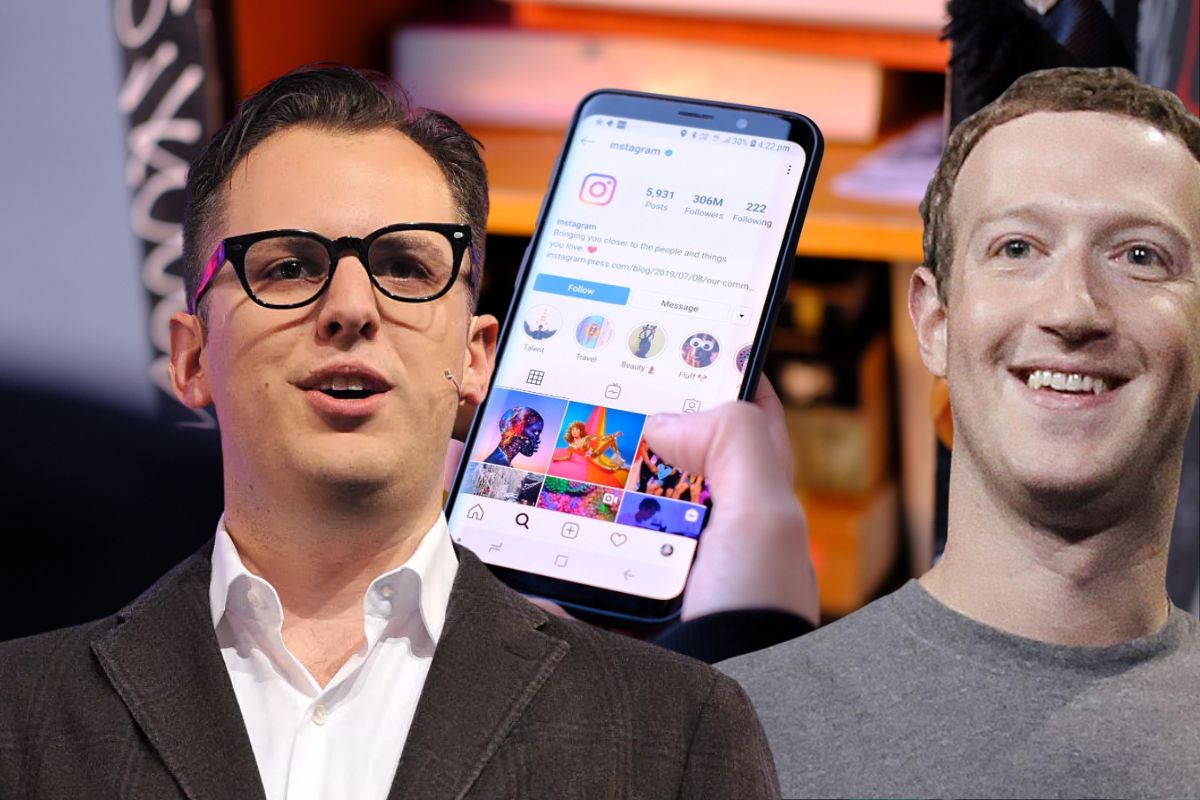
Learn How Paulista Mike Krieger Was Essential to the Creation of One of the Most Popular Social Networks in the World, Instagram, From the Initial Idea to the Billion-Dollar Sale.
Instagram is omnipresent today. Millions use the platform daily. But few know the story of one of its co-founders: the Brazilian Mike Krieger. Born in São Paulo, he was a key player in the development and success of the social network. His journey involved top-notch education, international moves, and a vision focused on simplicity.
Early Years
Mike Krieger was born in São Paulo. From an early age, he attended good schools. He went to a bilingual school, Graded School. He learned Portuguese and English simultaneously. His father anticipated the need for other languages due to his profession. The family moved around a lot. At five, they moved to Lisbon, Portugal. Then, they returned to São Paulo for a short time.
Next, they moved to the United States, living in Miami and Florida. Bilingual education was crucial during this phase. Even at a young age, Mike Krieger already spoke English. Later, the family went to Buenos Aires, Argentina. Finally, they settled in Brasília. This multicultural experience marked his early years.
-
Forgotten for 38 years in a barn, this Citroën BX 16RS emerged with thick dust, rust, a missing wheel, and original interior, linked to the engineer of the car that set a world speed record.

-
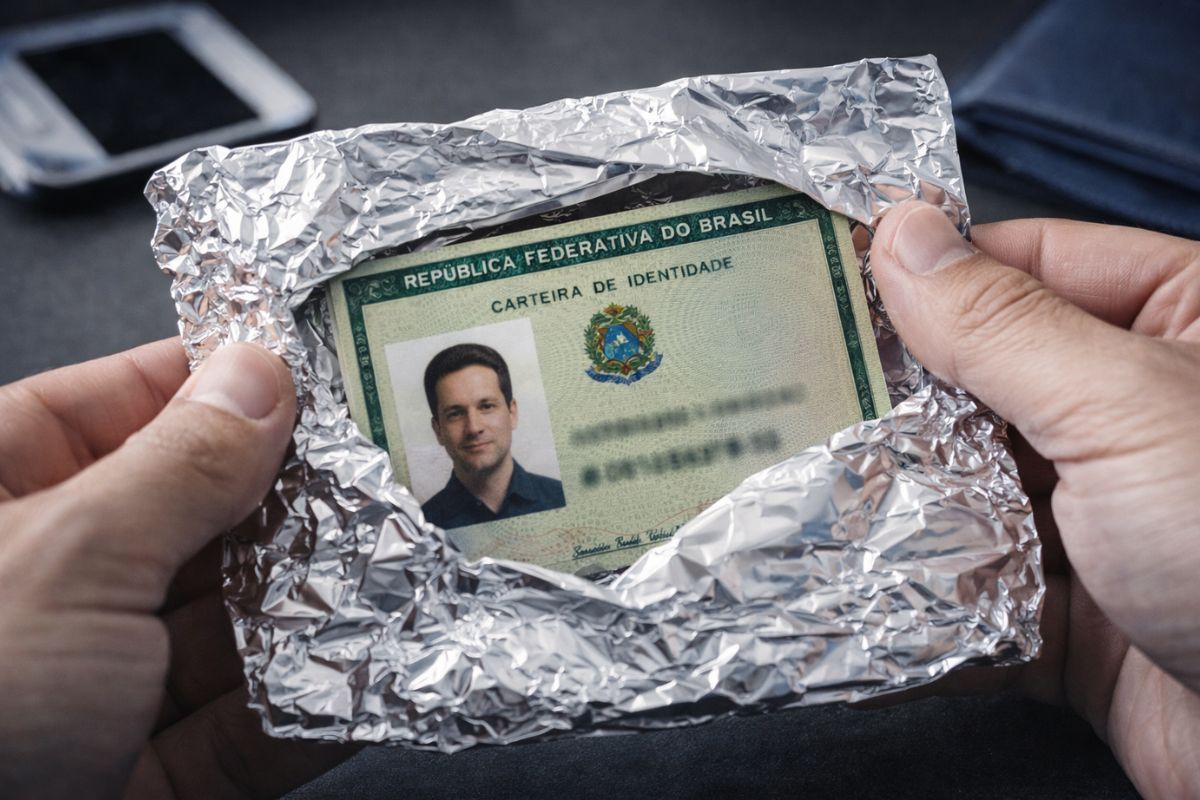
Many people are wrapping their ID cards in aluminum foil thinking it protects against electronic cloning, but the Brazilian document does not have a chip, and the aluminum only serves to scratch the plastic and give a careless appearance to your wallet.
-
Scientists have overturned a 327-year-old law of physics by discovering that friction can exist without any contact between surfaces, and this finding published in Nature could revolutionize machines and devices of the future.

-
The South Atlantic is not as peaceful as Brazil imagines: there are nuclear weapons on foreign islands in the region, open territorial disputes, and great powers eyeing Brazil’s maritime wealth.
From the Game Gorillas to Stanford
At nine years old, during a visit to Brazil, Mike started programming. He wanted to create things on the computer. He became fascinated by a simple game called Gorillas. The game ran on old computers, with a black screen and green letters. It was basic and lightweight. Mike could modify the game. This taught him the importance of simplicity. He realized that complex games limited access. This vision stayed with him throughout his life.
In his teenage years, Mike went to study in the United States. In high school, he considered studying journalism or computer science. A teacher advised him on his college options. Among them were USP in Brazil and American universities. Following the advice, he went to Stanford. There, his name “Michael” became “Mike.” He excelled and entered the Mayfield Fellows Program. This program connected promising students with entrepreneurship and real companies.
The Partnership of Mike Krieger with Kevin Systrom and the Birth of Instagram
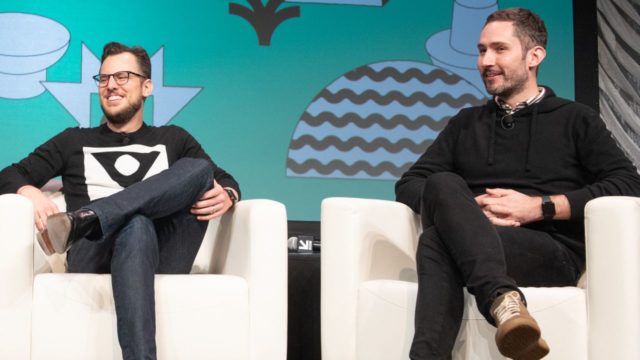
At Stanford, Mike Krieger met Kevin Systrom. Kevin was three years older and had also participated in the same program. They met at an event, but the partnership began years later. Kevin had already worked at startups like Meebo and Odeo. Both were tired of working for others. They wanted to create their own business.
The first project was called Burbn. It was an app for sharing photos, statuses, and locations. Mike found the idea too complex and cluttered. He believed in simplicity, as in the game Gorillas. He told Kevin that the project needed to be simplified. Kevin managed to raise $500,000 from investors.
Immediate Success and Crucial Simplification
The beginning of Burbn was turbulent. Testing constantly failed. Investors became anxious. Mike decided to radically simplify the app. He removed the status and location functions. He left only photo sharing. The interface had to be as clean as possible.
While Mike Krieger focused on simplification, Kevin took a vacation. During the trip, he saw a friend using filters to enhance photos. He had an idea: to add filters to the app. He called Mike immediately and interrupted his vacation. They both dedicated themselves to implementing this new feature. The simplicity advocated by Mike, combined with Kevin’s idea of filters, formed the basis for the future Instagram.
The app, now called Instagram, was launched on October 6, 2010. The expectations were modest. However, on the first day, 25,000 people downloaded the app. The success was instant and overwhelming. Keeping the app running with so many users was a significant challenge.
Exponential Growth and the Billion-Dollar Sale to Facebook


Growth continued impressively. A year and a half later, in 2012, Instagram reached 30 million users. Its success began to be compared to Facebook. Many saw Instagram as a potential threat to Mark Zuckerberg’s empire.
During Easter week in 2012, Instagram launched its Android version. They received buyout offers from Twitter and Facebook. Mike Krieger and Kevin initially declined. The focus was to raise $50 million from investors, which they quickly achieved. The rapid growth of the user base showed the immense potential of the platform. Many users actively sought to increase their visibility, with some exploring methods like buying followers, although the platform always encouraged genuine connections. The main goal for many was to gain real and Brazilian followers organically.
However, Mark Zuckerberg did not give up. He invited Kevin to his mansion. After an initial offer of $500 million was considered, Zuckerberg offered $1 billion. Mike and Kevin quickly accepted the offer. In the split, Kevin got 40% ($400 million) and Mike got 10% ($100 million). Both continued working at the company for a while after the acquisition, with Mike remaining an influential figure in Silicon Valley.








-

Uma pessoa reagiu a isso.