





 Portuguese
  English
  Spanish
  6 min of reading
  1 comment


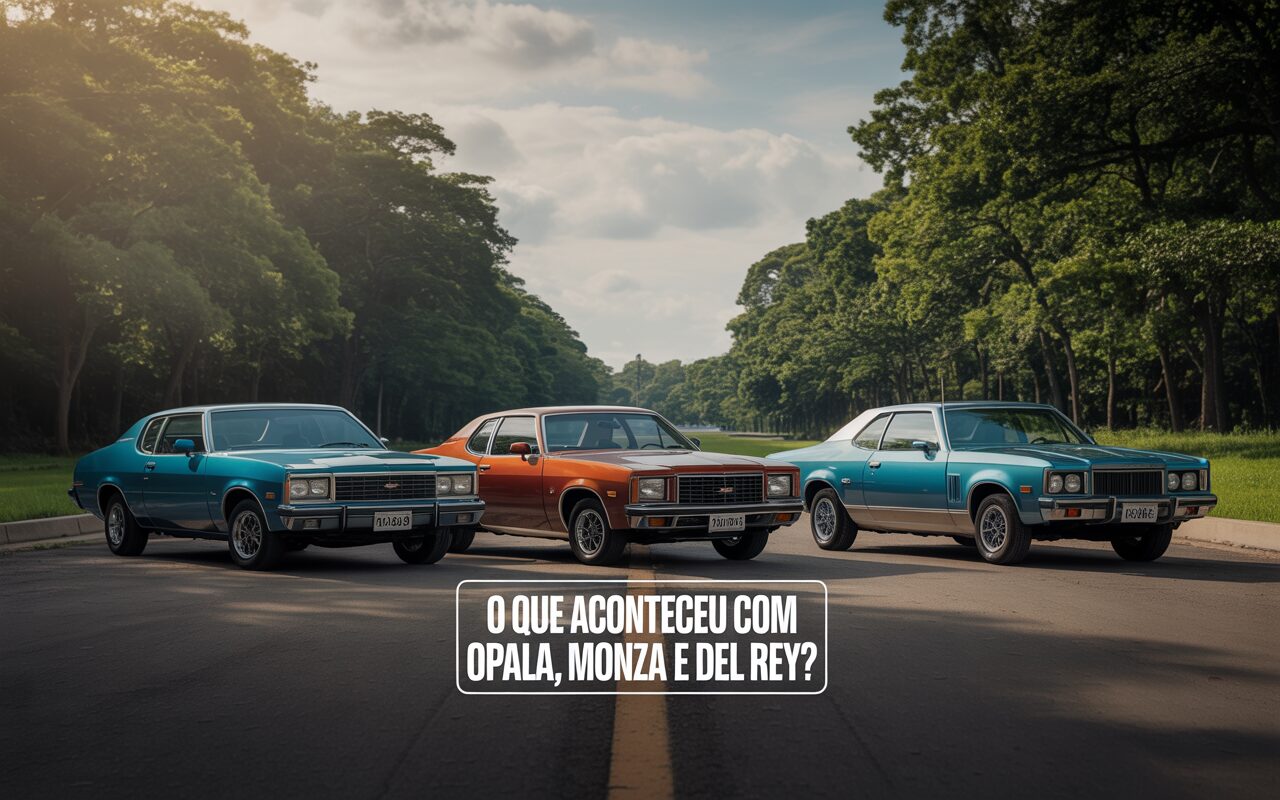

For Years, Opala, Monza, and Del Rey Occupied the Most Desired Garages in the Country. Today, Only Memories, Collectors, and a Question Remain: What Happened to These Luxury Cars That Marked an Era?
In Brazil during the 1970s, 80s, and early 90s, owning an Opala, Monza, or Del Rey was more than just having a car — it was being part of an exclusive group. These vehicles carried with them a symbolism of luxury, purchasing power, and modernity. Many were used by businesspeople, politicians, and even as official government vehicles. Their striking presence on the streets and roads was proportional to the cultural impact they left behind. Today, however, these models have practically disappeared from the urban landscape. To understand what happened to Opala, Monza, and Del Rey, it is necessary to revisit their origins, evolution, and the factors that led to the end of production.
What Happened to the Opala: The Pioneer of National Sophistication


The Chevrolet Opala was a landmark in the history of the Brazilian automotive industry. Launched in 1968 at the São Paulo International Auto Show, the Opala was the first passenger car from General Motors Brazil. It was an adaptation of the Opel Rekord C from Germany, incorporating elements from the American Chevrolet Impala — from which, according to rumors, the name “Opala” was derived.
Its production lasted 24 years, ending in April 1992, with over 1 million units manufactured. The model had various versions over the years, from the economical 4-cylinder to the powerful 6-cylinder engine, famous for equipping the SS and Diplomata versions.
-
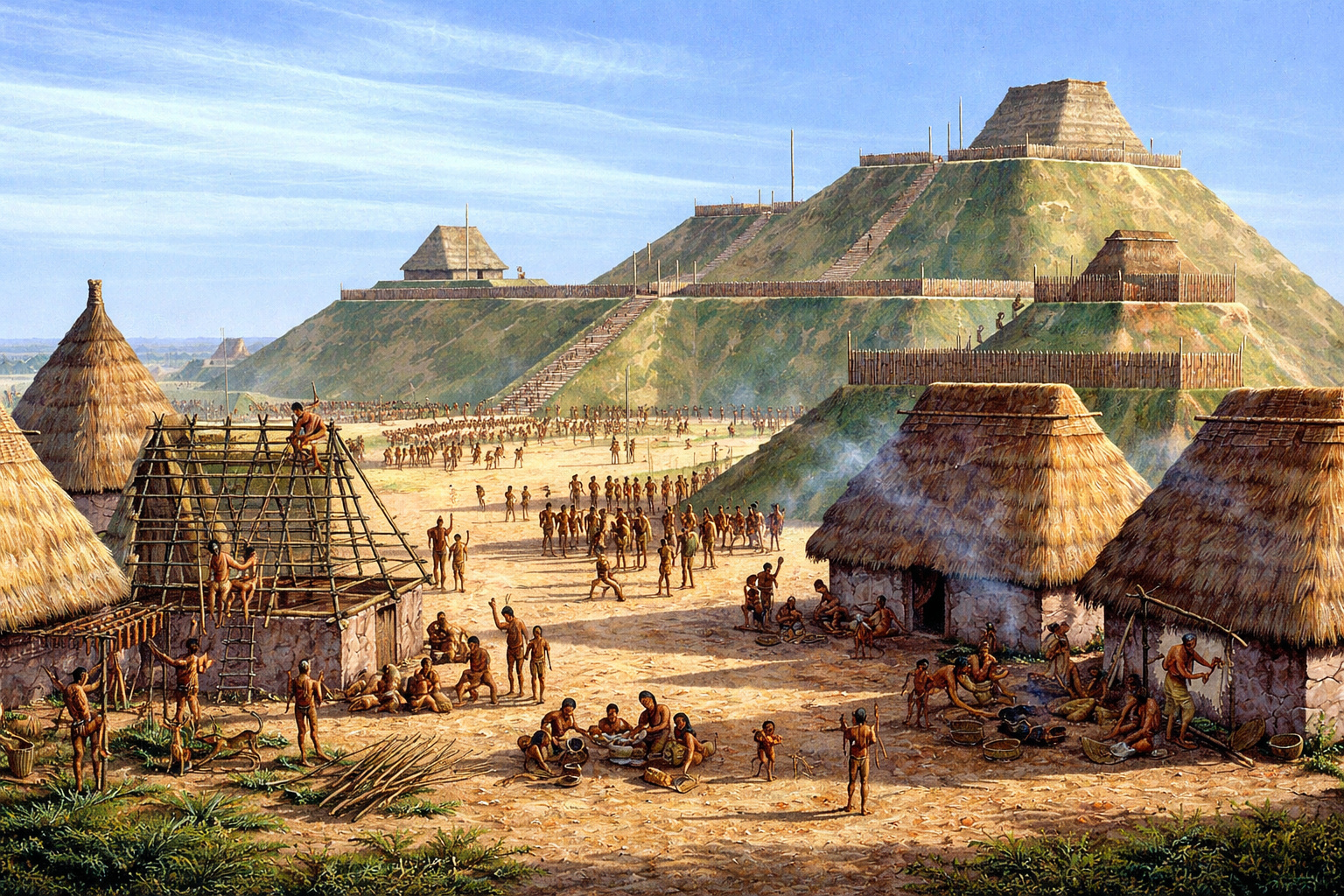
With over 14 million baskets of earth moved, an ancient North American metropolis built a monumental pyramid of 30 meters and established a city with 20,000 inhabitants nearly a thousand years ago.
-
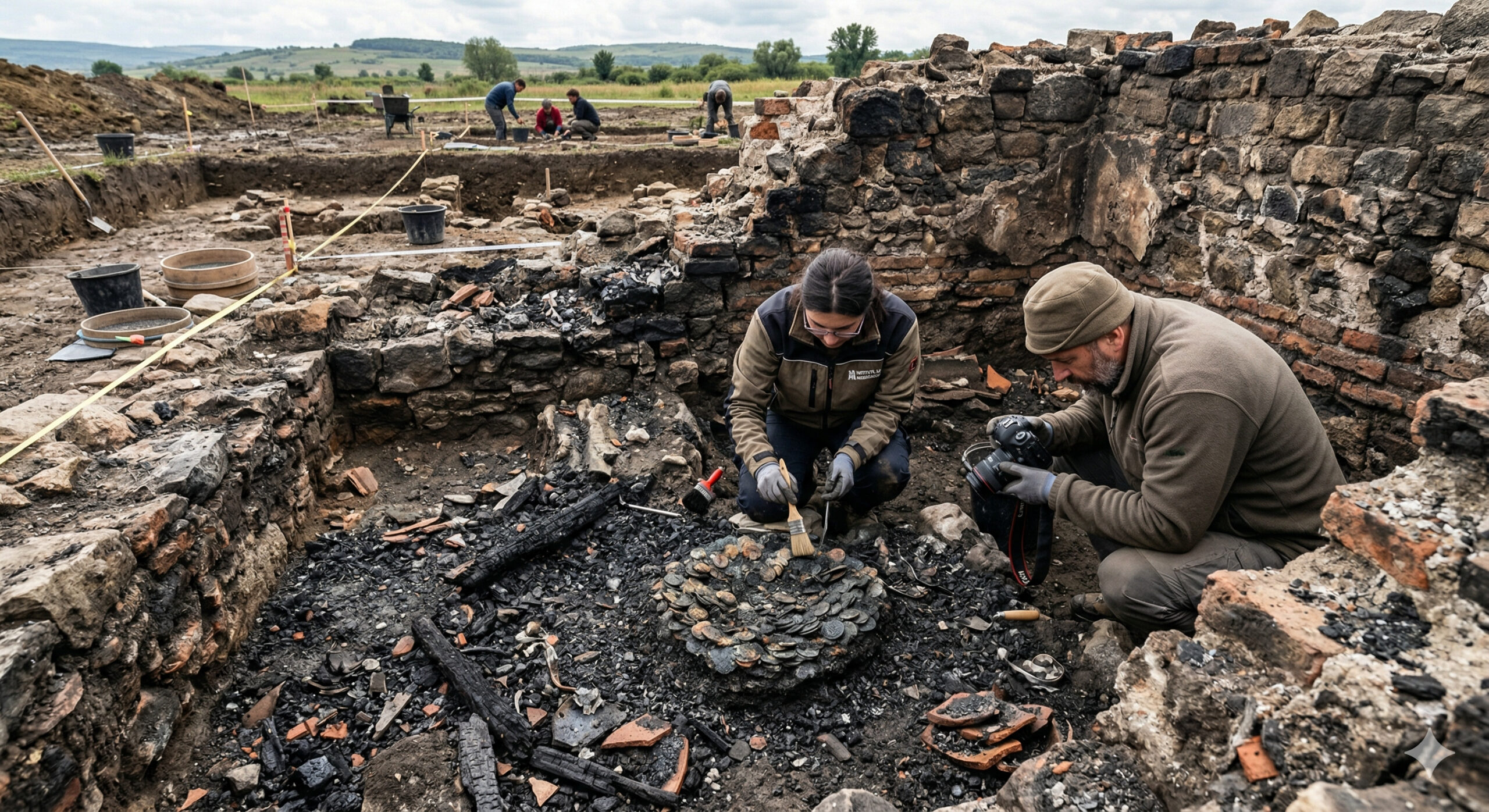
A 1,900-year-old treasure emerges from a Roman house destroyed by fire and sealed since antiquity in Romania, with coins and metals fused among the ashes.
-
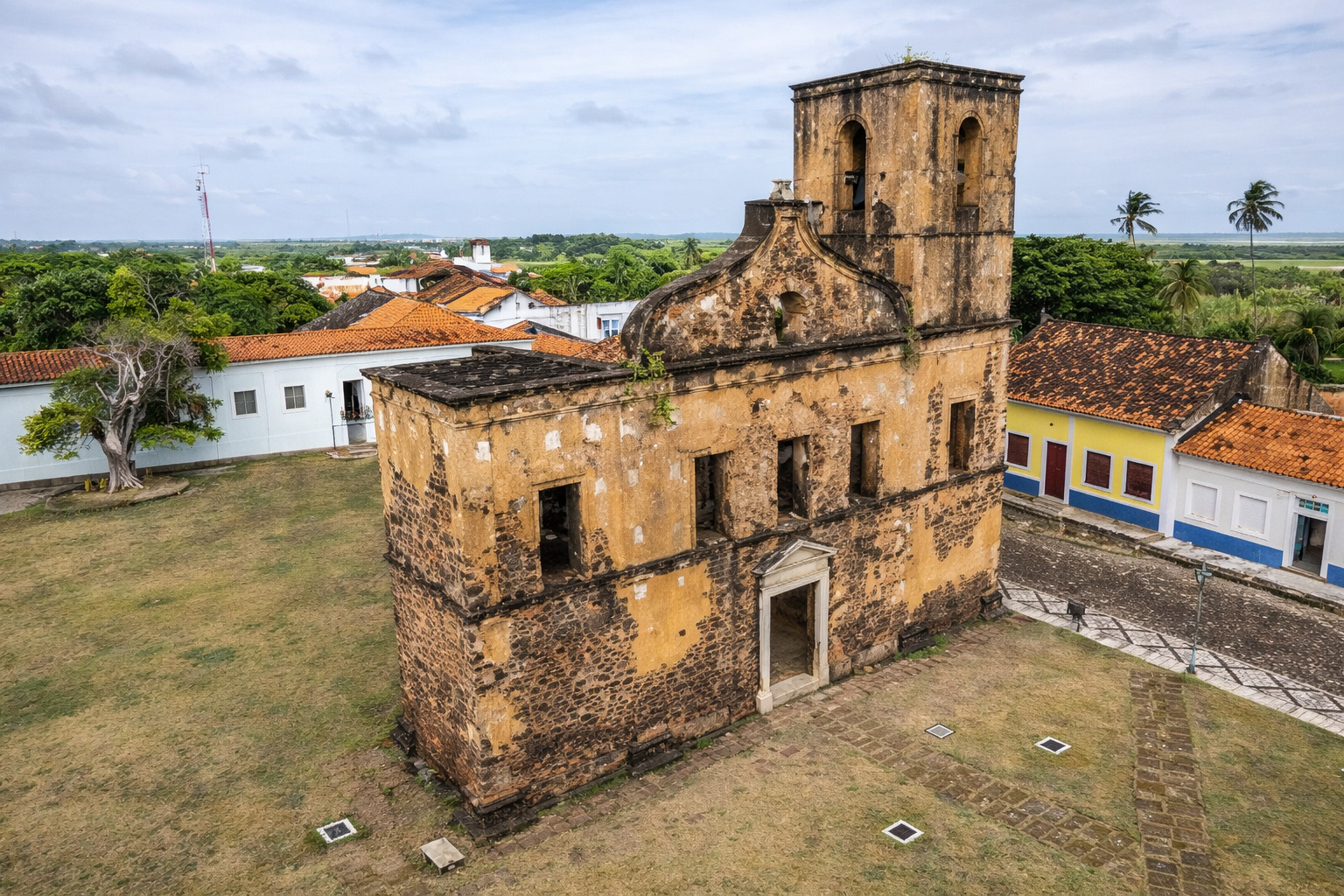
The Brazilian colonial city that stopped in time and shares territory with a rocket launch base.
-
79-year-old woman challenges limits, visits 193 countries in the world after 56 years of planning and reveals the behind-the-scenes of a global journey that few have managed to accomplish.


The Opala was the car of choice for high-ranking executives, the police, and even the presidency. Former president Juscelino Kubitschek, for example, died in an Opala during an accident on Via Dutra.
Why Was the Opala Discontinued?
The answer lies in the technological evolution and changes in consumer market demand. In the 1990s, imported cars began to flood the Brazilian market, bringing more advanced technologies. The Opala, with its classic look and robust engine, was no longer keeping up with the times. It was replaced by the Chevrolet Omega, which offered more electronic features, comfort, and performance.
Despite its exit from the assembly lines, the Opala remains alive in Brazilian automotive culture, cherished by collectors and classic car enthusiasts.
What Happened to the Monza: The King of the Middle Class

If the Opala was the car of the elite, the Chevrolet Monza was the favorite of the middle class in the 1980s. Launched in Brazil in 1982, the Monza was General Motors’ response to the growing demand for medium cars with balanced comfort and performance.
Its origins stem from the “J-body” line, a global GM platform. While it was called Cavalier in the US and Opel Ascona in Europe, in Brazil, it became Monza, with its own identity and strong popular appeal.
The Monza reached its peak in 1984 when it became the best-selling car in the country, surpassing even the Beetle. It was offered with 1.6, 1.8, and 2.0 engines, both gasoline and alcohol versions, being one of the first to incorporate electronic fuel injection in Brazil. It had power steering, air conditioning, and automatic transmission — luxury items at the time.
Why Was the Monza Discontinued?
The production ended in 1996. The main reason was the technological advancement of new competitors and the opening up to imported cars. The Vectra came to take its place, bringing a modern design and technologies that the Monza could no longer match.
Over time, the model became obsolete in light of new market demands, losing ground even to more economical and equipped compact cars.
What Happened to the Del Rey: The Accessible Luxury of Ford

At the same time the Monza was hitting the streets, Ford was investing in a similar segment with the Ford Del Rey. Launched in 1981, the car was designed based on the Corcel II platform, but with superior finishing, a more powerful engine, and a focus on comfort.
Offered in sedan, coupe, and station wagon versions, the Del Rey quickly stood out among national luxury cars. It was equipped with 1.6 and 1.8 engines and featured items like a tape deck radio, reclining seats, and velvet upholstery.
Throughout the 1980s, it became common to see Del Reys in executive taxi fleets and as cars for well-established family heads.
Why Did the Del Rey Disappear?
Ford decided to end its production in 1991. The reason? The emergence of the Ford Versailles, a result of the joint venture Autolatina between Ford and Volkswagen. The Versailles came with more interior space, updated design, and better performance — replacing the Del Rey as the entry-level model in the mid-size sedan segment.
Additionally, the end of Autolatina in the 1990s and the arrival of imports weakened traditional models like the Del Rey, which ceased to be competitive against new trends.
Other Icons That Disappeared from the Streets: Landau and Simca Chambord
Ford Landau: The President’s Car
Before the Del Rey, the Ford Landau reigned among high luxury cars in Brazil. Derived from the American Ford Galaxie, the Landau was produced from 1971 to 1983 and even served as a presidential vehicle on various occasions.
The model impressed with its V8 engine, leather upholstery, power windows, and air conditioning. It was the pinnacle of comfort in the 1970s. However, its size and high fuel consumption made it unviable over the years.
The Landau was discontinued in 1983, paving the way for the Del Rey, which, although more modest, was more suited to the new economic reality.
Simca Chambord: The Pioneer of Luxury
Produced in Brazil between 1959 and 1967, the Simca Chambord was the first luxury car manufactured nationally under license. With a design inspired by American Fords of the 1950s, the Chambord featured a V8 engine and refined finishing.
Despite its initial success, the brand Simca was acquired by Chrysler, and the Chambord was ultimately replaced by models from the American manufacturer. The end of the Chambord marked the conclusion of the brief, yet symbolic, journey of Simca in Brazil.
Luxury Cars That Became Relics
Today, what happened to Opala, Monza, and Del Rey is part of a larger story about transformations in the Brazilian automotive industry. These models were not just cars — they were status symbols, milestones of national engineering, and icons of a time when owning a sedan with air conditioning and power steering was the peak of comfort.
Over time, factors such as:
- Technological evolution
- Opening to imports
- Changes in consumer profile
- High maintenance costs
- Environmental and safety regulations
…led to the extinction of these vehicles from production lines and, little by little, from the streets.
Today, only collectors and enthusiasts remain, keeping the memories of these automobiles alive with love and dedication. In specialized clubs and classic car meets, it is still possible to hear the roar of six-cylinder engines, smell the velvet upholstery, and revisit a time when the car was more than just a means of transport: it was a symbol.
What Happened to Opala, Monza, and Del Rey Reveals a Changed Brazil
The fall of these automotive icons does not represent failure, but rather the end of a cycle and the beginning of a new era. Today’s Brazil is different from that of the 80s. Cars are smaller, more technological, more efficient — but perhaps none brings the same sparkle to the eyes of those who saw, drove, or dreamed of an Opala SS, a Monza Classic, or a Del Rey Ghia.
What happened to Opala, Monza, and Del Rey is a reflection of the modernization of the country, but also an invitation to nostalgia. They were kings of a road that now belongs to others, yet they will never leave the memory of those who lived in the time when they were sovereign.






Faltou citar os FNM 2000 e 2150 e o Alfa Romeo 2300 que na versão Ti 4 era de alto nível de luxo e bom desempenho com seu 4 cilindros de 149 cv.