





 Portuguese
  English
  Spanish
  4 min of reading
  0 comments


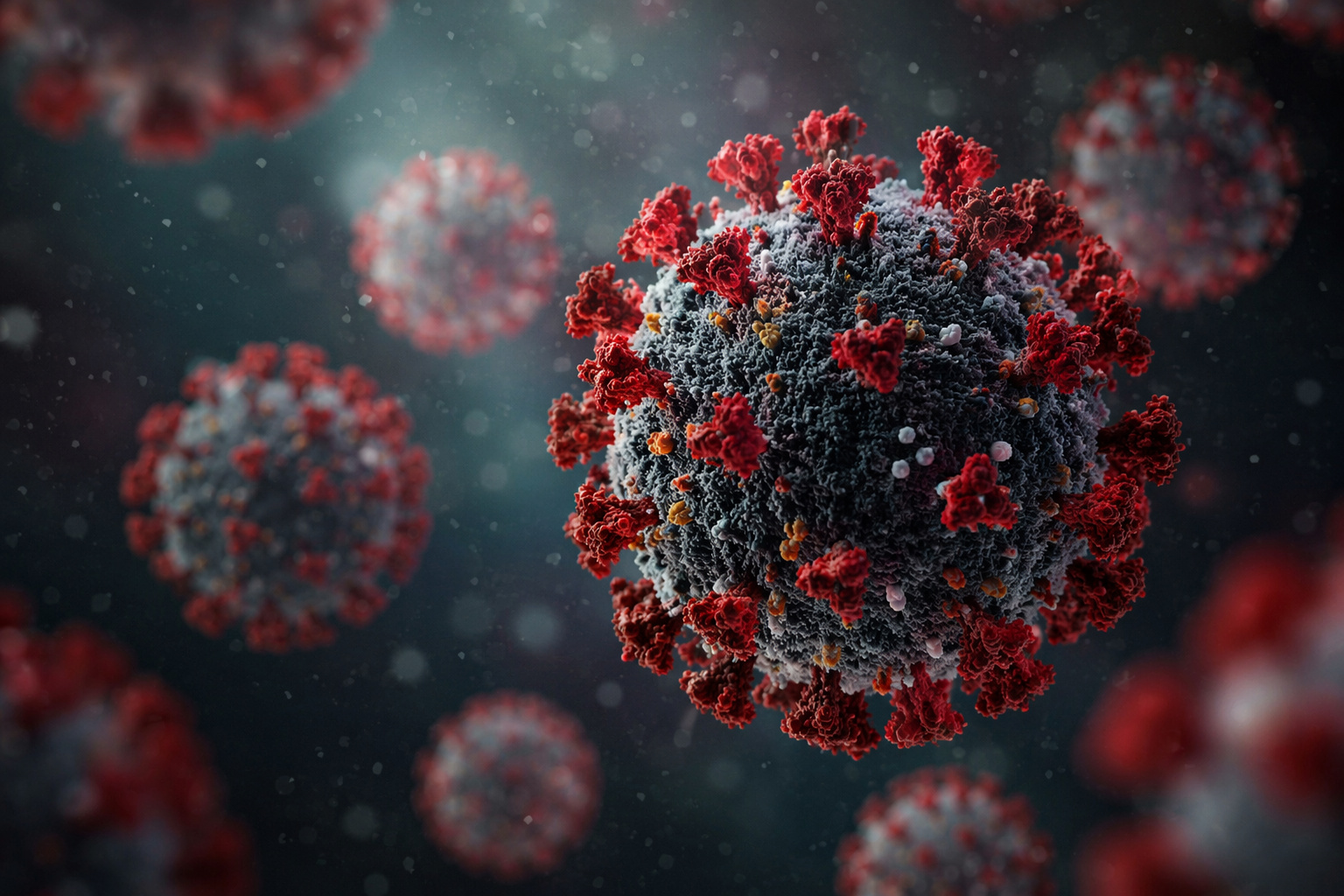
New BA.3.2 lineage of Covid-19 draws attention due to mutations, but maintains mild pattern and focus remains on vaccination protection
A new subvariant of Covid-19, called “Cicada” (BA.3.2), is already circulating internationally and is present in 23 countries, according to scientific monitoring released in 2026.
In addition, despite the high number of mutations, initial data indicate that there has been no increase in severe cases or hospitalizations, maintaining the recent behavior of Omicron.
The identification of the lineage reinforces the continuous monitoring of the virus by specialists, who analyze symptoms, transmissibility, and the impact of vaccines.
-
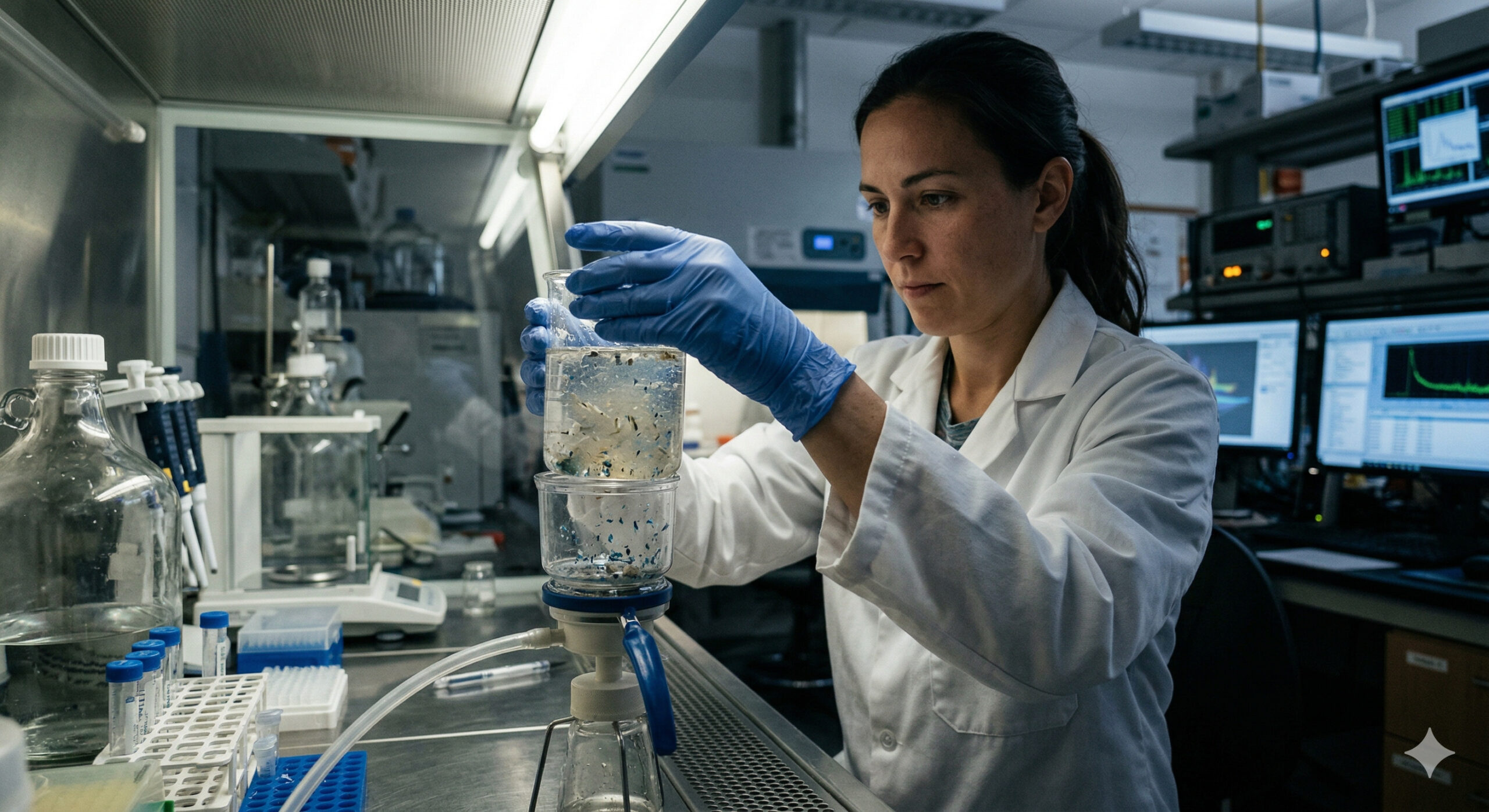
Scientists may have overestimated microplastic pollution for decades, a study from the University of Michigan indicates that nitrile and latex gloves used in laboratories release particles that contaminate samples and inflate results that have informed public policies and environmental regulations worldwide.
-
NASA reveals unprecedented image of the far side of the moon during the Artemis II mission, captures a rare solar eclipse, and takes humans to the farthest point ever reached in space.

-
Chinese AI satellite images are helping Iran target US bases in the Middle East, and reports indicate that the technology is already accelerating missile and drone attacks.

-
Exemption from the Enem 2026 fee has a defined deadline; see how to apply.

Virus evolution follows the expected pattern by specialists
Initially, BA.3.2 is not a new independent variant.
On the contrary, it is part of the Omicron lineage, which continues to evolve gradually since its global identification.
According to Renato Kfouri, vice president of the Brazilian Society of Immunizations (SBIm), in recent analyses from 2026, this dynamic was already expected.
That is, the virus has stopped showing large jumps between variants, as occurred between Alpha, Delta, and Omicron.
Thus, it has started to evolve through sublineages, which accumulate mutations progressively.
Consequently, as the population develops immunity, the virus undergoes adaptations to continue circulating.
Mutations in the Spike protein draw scientific attention
On the other hand, the main difference of the subvariant “Cicada” lies in the Spike protein, essential for the virus’s entry into human cells.
According to Juarez Cunha, director of SBIm, BA.3.2 presents about 75 mutations in this structure, a number considered high.
Moreover, these changes may hinder the virus’s recognition by the immune system.
Therefore, they favor the so-called antibody escape, a phenomenon already observed in earlier phases of the pandemic.
In practice, this may increase the risk of infection, even in vaccinated or previously infected individuals.
Still, there is no indication of greater severity of the disease.
Symptoms remain similar to those of Omicron
So far, no relevant changes have been identified in the clinical picture of the disease.
Thus, the symptoms follow the pattern of recent Omicron subvariants.
Among the main reported signs, the following stand out:
- Fever
- Sore throat
- Cough
- Runny nose
- Fatigue
Additionally, as specialists analyze current data, there is no evidence of more aggressive manifestations.
Therefore, most cases continue to be mild.
Vaccines continue to protect against severe cases
Even in the face of mutations, vaccines remain effective against severe forms of Covid-19.
According to Renato Kfouri, the vaccines do not exactly match the most recent versions of the virus.
Still, they maintain consistent protection, especially between 6 and 12 months after administration.
Moreover, since all subvariants derive from Omicron, part of the immune response remains preserved.
Thus, protection against hospitalizations and deaths remains relevant.
Severe cases do not show significant increase
So far, there is no evidence of increased severity of the disease associated with the “Cicada” subvariant.
Similarly, no significant growth in hospitalizations has been identified.
However, in some countries, specialists are investigating a possible proportional increase in cases among children.
Still, this hypothesis remains under analysis and may be related to the lower previous exposure of this group to the virus.
Possible arrival in Brazil is under evaluation
As of the last bulletin released in 2026, there was no official confirmation of the circulation of BA.3.2 in Brazil.
However, considering the rapid international spread, specialists assess that its arrival is likely.
Historically, subvariants with high transmission capacity spread quickly among countries.


Vaccination decline worries specialists
More than the new subvariant, the main alert is regarding the reduction in vaccination coverage.
According to Juarez Cunha, Covid-19 still causes hospitalizations and deaths, especially among the elderly, young children, and pregnant women.
Moreover, these groups show lower recent adherence to vaccination, increasing vulnerability.
Currently, the disease exhibits behavior similar to that of seasonal respiratory viruses, such as influenza.
Still, it maintains a relevant impact on public health.
In light of this scenario, epidemiological surveillance and vaccination remain fundamental — after all, to what extent can new mutations influence the current balance of the disease?









Seja o primeiro a reagir!