





 Portuguese
  English
  Spanish
  5 min of reading
  0 comments


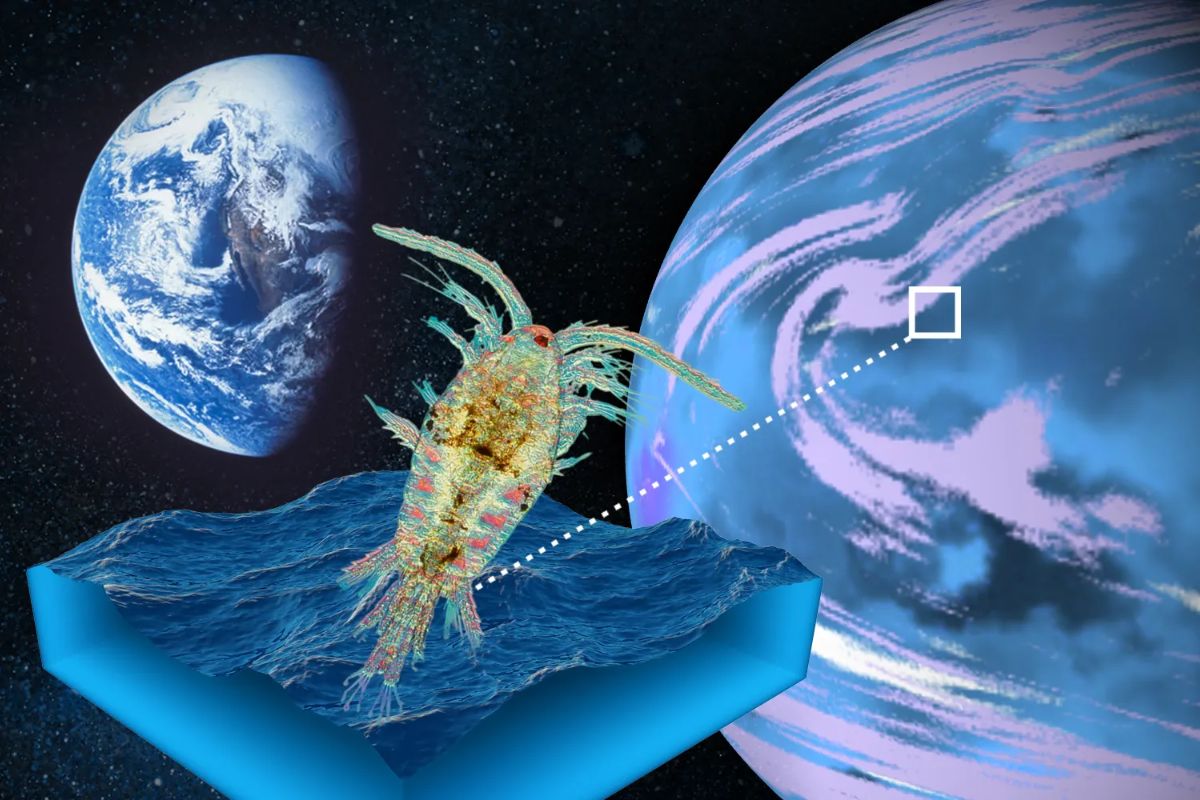
The James Webb Space Telescope detected methane, carbon dioxide, and possible indications of dimethyl sulfide in the atmosphere of the planet K2-18b, an ocean world 124 light-years from Earth in the constellation of Leo, and these compounds are considered potential biosignatures because on Earth they are predominantly produced by living organisms like marine phytoplankton
The James Webb Space Telescope detected a set of gases in the atmosphere of the planet K2-18b that, on Earth, only exist in significant amounts when living organisms produce them. Located 124 light-years away from us in the constellation of Leo, the planet K2-18b is classified as a possible ocean world covered by vast seas under a dense atmosphere. The analyses revealed the presence of methane and carbon dioxide, as well as possible indications of dimethyl sulfide (DMS), a compound that on Earth is primarily generated by phytoplankton and other marine microorganisms.
The discovery has placed the planet K2-18b at the center of the debate about life beyond the Solar System. If the presence of DMS is confirmed in future observations, it will be the first time a gaseous biosignature is detected in the atmosphere of an exoplanet. The researchers themselves urge caution, as these gases may also have origins in non-biological chemical processes that are not yet understood. However, the fact that the planet K2-18b presents conditions compatible with liquid water and an atmosphere rich in carbon compounds makes it impossible to ignore what James Webb has found.
What makes the planet K2-18b a candidate for hosting life

The planet K2-18b orbits a cooler and smaller star than the Sun, but it is positioned in the so-called habitable zone, the range of distance where the energy received from the star allows water to exist in liquid form.
-
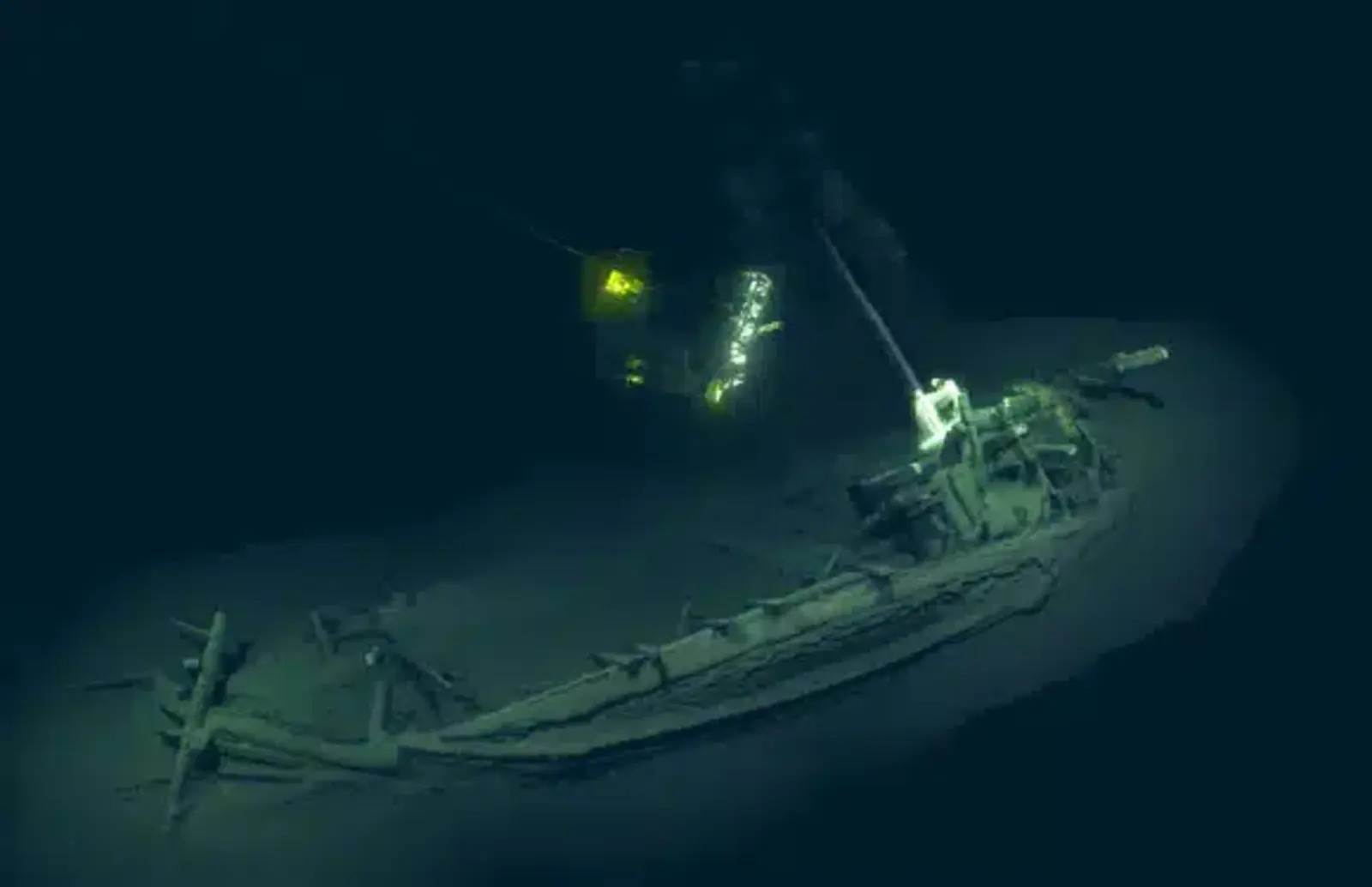
Divers found a nearly intact 23-meter Greek ship on the bottom of the Black Sea, so well preserved that it seems to have been frozen in time for 2,400 years.
-
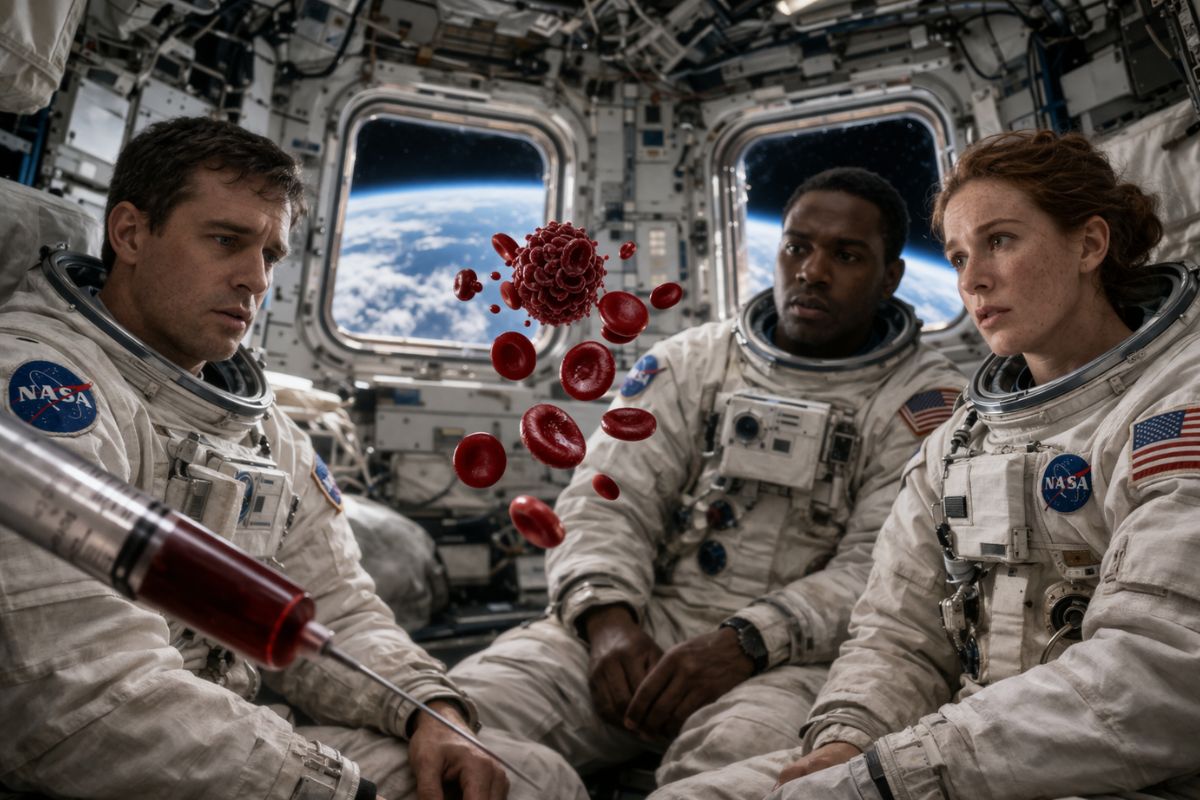
The blood of astronauts is undergoing mutations in space, coagulating too much when it shouldn’t and too little when it needs to: three recent discoveries reveal that our bodies were simply not made to live outside of Earth.
-
A startup sends robotic gloves for users to wear at home while washing dishes, folding clothes, and making coffee; every finger movement is recorded and sent back to train a domestic robot that has already learned 10 million real tasks without ever having entered a kitchen.

-
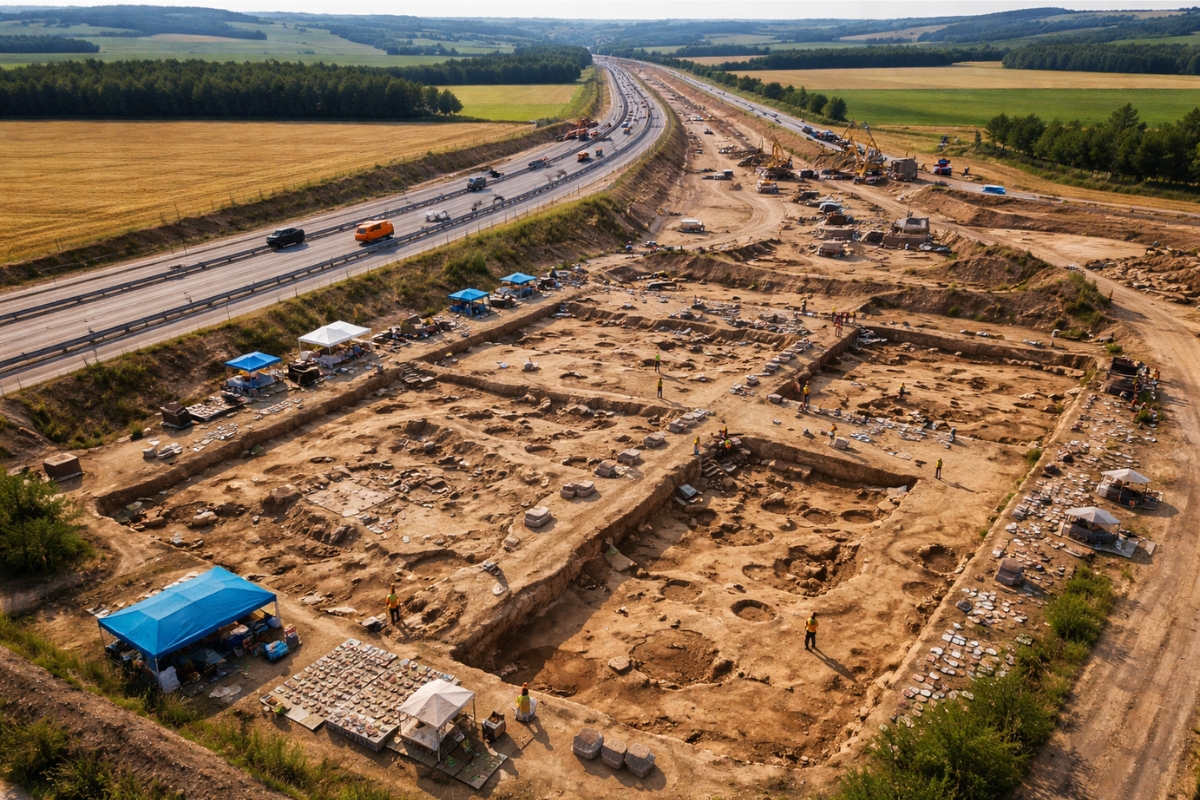
In a flooded well, archaeologists found a 1,700-year-old Roman egg that still contains clear and yolk intact inside the very thin shell.


With a mass about nine times that of Earth, the planet K2-18b is classified as a super-Earth or mini-Neptune, meaning its internal structure and atmosphere are very different from those we know.
Recent models suggest that the planet K2-18b could be a hycean world: a type of exoplanet covered by global oceans under a dense atmosphere rich in carbon compounds.
In this scenario, most of the chemistry that could support life would occur at the interface between the ocean and the atmosphere, exactly where organisms like phytoplankton produce gases like DMS on Earth.
It is this combination of water, carbon, and potentially biogenic gases that makes the planet K2-18b the most discussed target of modern astrobiology.
The gases that James Webb found and why they matter so much

The James Webb telescope detected methane and carbon dioxide in the atmosphere of the planet K2-18b with significant clarity and intensity. These two gases, found together in an environment with possible liquid water, create a chemical scenario that researchers call atmospheric disequilibrium.
On Earth, this type of disequilibrium is maintained by biological processes: living organisms produce gases that would quickly disappear from the atmosphere without life.
But the compound that attracted the most attention was dimethyl sulfide (DMS). On Earth, DMS is predominantly produced by phytoplankton and other marine microorganisms.
Together with it, researchers are investigating dimethyl disulfide (DMDS), which can form from DMS depending on atmospheric conditions.
If the presence of DMS and DMDS in the atmosphere of the planet K2-18b is confirmed, these compounds would be the first gaseous biosignatures detected outside the Solar System, which would transform not only astrobiology but also the way humanity understands its place in the universe.
How James Webb can analyze the atmosphere of the planet K2-18b 124 light-years away
The technique used to study the atmosphere of the planet K2-18b is called transit spectroscopy. When the planet passes in front of its star, as seen from the telescope’s perspective, part of the starlight passes through the exoplanet’s atmosphere and carries information about the gases present in it.
James Webb analyzes this light at infrared wavelengths and compares the obtained spectra with models of different chemical compositions.
This technique allows for the identification of which molecules are present in the atmosphere without the need to travel to the planet K2-18b.
James Webb is particularly effective at this task because it operates in the infrared, a range of the spectrum where molecules like methane, CO2, and DMS leave clearer signatures.
The telescope’s sensitivity is what made it possible to detect these compounds on a planet 124 light-years away, something no previous instrument has been able to do with such precision.
Why scientists urge caution despite the excitement about planet K2-18b
Despite the promising results, the researchers themselves emphasize that the detection of DMS and DMDS still needs to be confirmed by additional observations.
The problem is that these gases may have origins in abiotic processes that are not yet understood in extreme environments like the atmosphere of planet K2-18b.
Chemical reactions triggered by stellar radiation, underwater volcanism, or interactions between ocean and atmosphere could, in theory, produce similar compounds.
The scientific community uses planet K2-18b as a natural laboratory to test models, refine spectral analysis techniques, and plan new observations with next-generation telescopes.
What scientists are now looking for is a combination of gases in disequilibrium that cannot be explained by any known chemical process, because that is exactly what would more robustly point to biological activity. Until then, the hypothesis remains open, and observations continue.
The planet that may answer the oldest question of humanity
The planet K2-18b is 124 light-years away, has oceans that may cover its entire globe, and presents gases in its atmosphere that, on Earth, are produced by living organisms.
James Webb detected methane, carbon dioxide, and possible traces of DMS, the same gas that phytoplankton releases in Earth’s oceans.
If future observations confirm these biosignatures, planet K2-18b could become the first world outside the Solar System with concrete evidence of biological activity.
The question humanity has been asking for millennia may be about to be answered by a point of light in the constellation of Leo.
Do you believe that planet K2-18b can really host life? Do you think DMS is a biosignature or are there other explanations? What would change in your worldview if science confirms life beyond Earth? Leave your thoughts in the comments and share this article with those who are fascinated by astronomy and the search for life in the universe.





Seja o primeiro a reagir!