





 Portuguese
  English
  Spanish
  3 min of reading
  0 comments


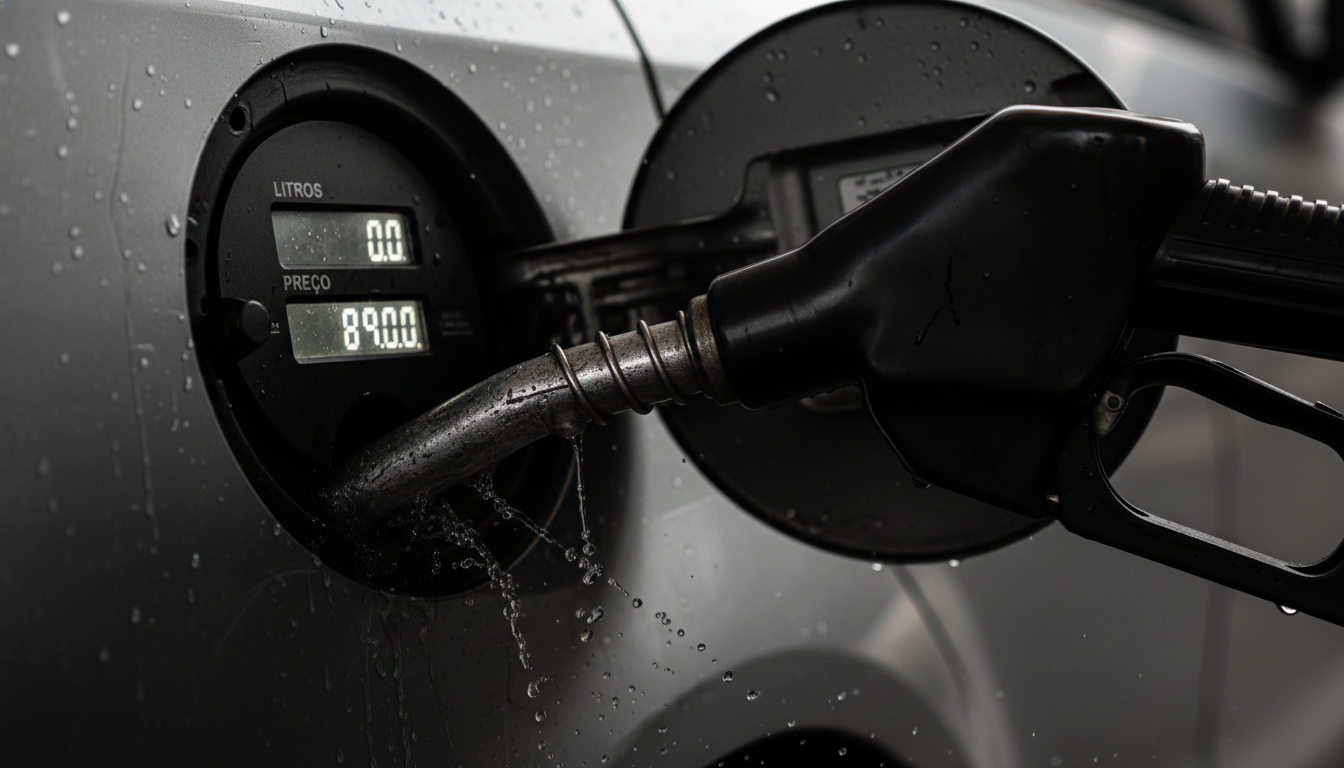
Brent crude oil fell 13% in a single day after a truce between the US and Iran, dropping from $109 to $94.80, but the barrel is still 35% above the pre-war level of $70, refineries are working with stocks purchased at the peak, and experts warn that the reduction in gasoline and diesel prices at the pump may take up to six months to reach consumers.
Every Brazilian has noticed the pattern. When oil prices rise, the price at the pump increases the next day. Therefore, the question everyone asks is: why when it falls, does no one see the difference?
Brent fell 13% in a single day after the truce between the US and Iran, dropping from $109 to $94.80 (R$ 488.48). Thus, it was the largest daily drop since the beginning of the conflict.
However, the barrel is still 35% above the pre-war level of $70. And experts warn that the reduction at the pump may take up to six months.
-
The largest fuel distributor in Brazil has just been forced to import diesel and gasoline on its own after Petrobras reduced its monthly deliveries.
-
After Trump gave Iran 48 hours to reopen the route for 20% of the world’s oil, the barrel skyrocketed to $117, dropped 13% with a truce, and the Central Bank had to inject $2 billion to stabilize the dollar.

-
A law that no one knows requires oil companies to invest billions in technology in Brazil, and the result is autonomous robots, AI that predicts failures, and cameras that see danger before humans do on offshore platforms.

-
The government creates a package of R$ 14 billion to secure the price of diesel after the war in Iran closes off 20% of the world’s oil route, while Petrobras plans to never depend on imports again and promises to supply Brazil on its own by 2031.

Why gasoline rises quickly but takes time to fall
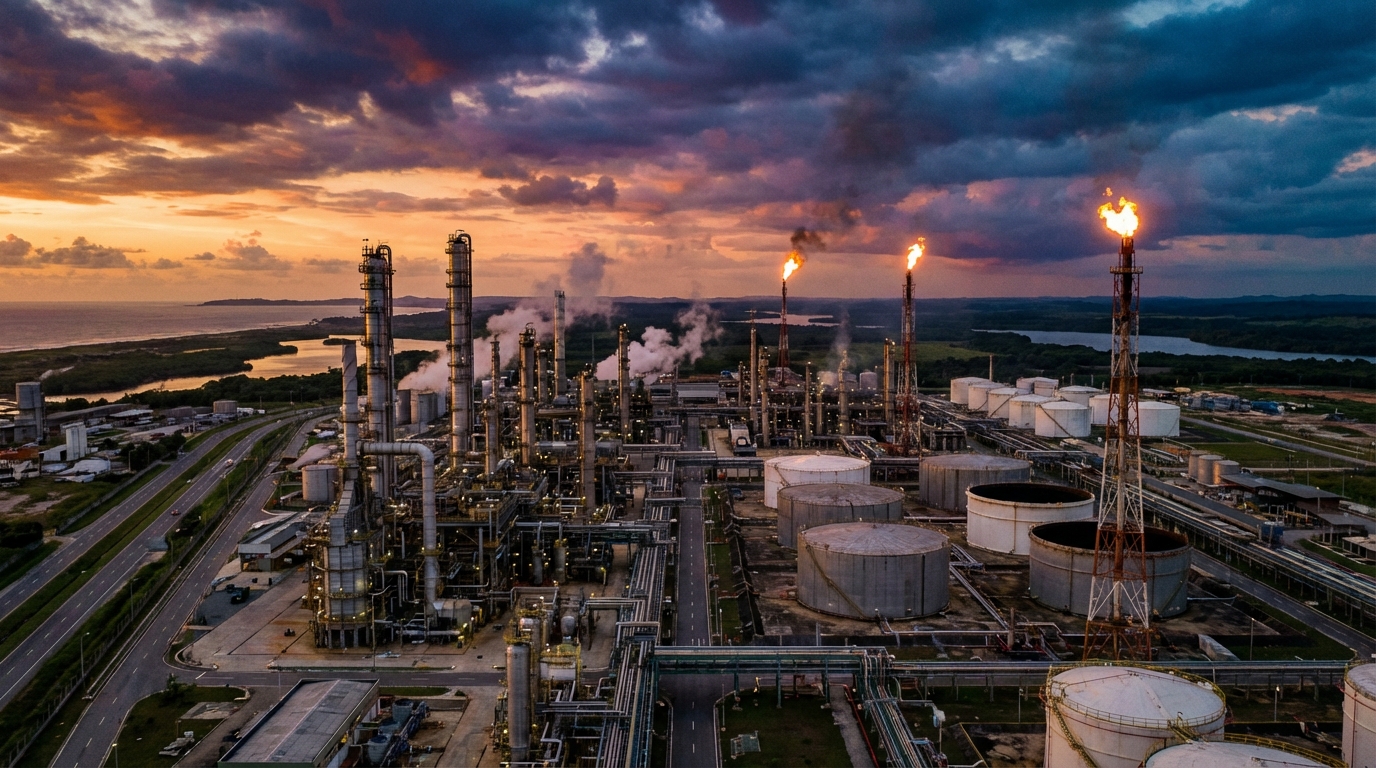
The explanation is logistical, not conspiratorial. Refineries buy oil with weeks or months in advance. Therefore, the fuel that is at the pump today was refined from oil purchased at peak prices.
Additionally, there are long-term contracts between refineries and distributors. Thus, even if the barrel drops today, the diesel that arrives at the pump tomorrow was negotiated when Brent was above $110.
Agência Brasil spoke with experts who estimate that the full impact of the rise may take up to six months to materialize for the end consumer. Therefore, the drop follows the same logic — with a delay.
“It’s a long process, which can take up to six months to happen,” said experts consulted by Agência Brasil.

Diesel rose from R$ 6.09 to R$ 6.15 and may continue to rise
According to ANP, diesel S-10 has already risen from R$ 6.09 to R$ 6.15 per liter in the first days of the conflict. However, this is just the beginning.
Imported diesel costs R$ 2.50 more per liter than Petrobras’s price. Additionally, the government subsidy only covers R$ 0.32 — a fraction of the real difference.
As a result, distributors like Vibra are importing on their own to avoid shortages, but absorbing part of the cost.

Government created a R$ 14 billion package but the effect is temporary
The government reacted with two emergency packages. The first, MP 1.340, eliminated PIS/Cofins on diesel (R$ 0.32/liter) and created an additional subsidy of R$ 0.32. Therefore, the total reduction was R$ 0.64 per liter.
The second package, from April 2026, added a subsidy of R$ 1.20 for imported diesel and R$ 0.80 for domestic. Thus, the total cost to the government may exceed R$ 14 billion.
However, both packages are temporary — valid until May or December 2026. Therefore, if oil does not fall sustainably, Brazil will face the same pressure again.
To understand the complete package, see how the government created R$ 14 billion in diesel subsidies.

When will gasoline really drop at the pump
The honest answer is: it depends. If the barrel stabilizes below $80 for at least 3 to 4 weeks, refineries will start processing cheaper oil. Thus, the chain begins to pass it on.
However, today Brent is at $94–95 — still 35% above pre-war levels. Therefore, even with the truce, the base price remains high.
Furthermore, Petrobras has not adjusted import parity prices since the beginning of the conflict. Thus, the accumulated lag may result in future increases, not decreases.
To understand how Vibra was forced to import diesel after Petrobras cut its supply quota, see the report.
The asymmetry is real: when prices rise, the pump passes it on quickly because distributors protect their margins. When prices fall, the pass-through is slow because old stocks still need to be sold. And as long as the barrel does not return to $70 from before the war, cheaper gasoline will continue to be a promise, not a reality.







Seja o primeiro a reagir!