





 Portuguese
  English
  Spanish
  3 min of reading
  0 comments


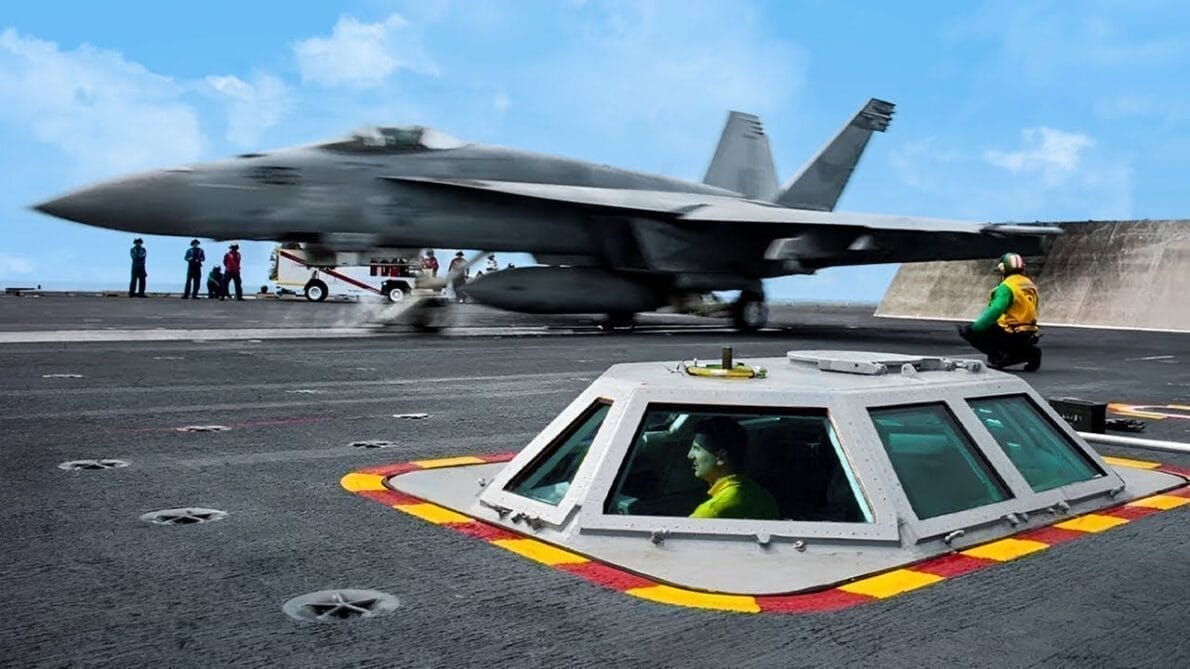
Inside the Aircraft Carrier, There Is a Tiny but Extremely Important Space Known as “The Bubble.” It Is in the Control Cabin That Vital Operations Take Place, Ensuring the Safe and Efficient Launch of Jets in a Constrained Space.
The “Bubble,” or Integrated Catapult Control System (ICCS), is located on the flight deck of the aircraft carrier. It is a small post where the officers control the catapults that launch the planes. Although the space is small, the work done there is immense. The officers in the bubble have a privileged view of all the action and are responsible for ensuring that each takeoff occurs safely and effectively.
Inside the control cabin on the aircraft carrier, the officers perform safety checks before the planes are launched. They monitor the wind, ensure the path is clear, and keep an eye on the control panel. Small errors or communication failures can cause accidents, making the role of these officers even more crucial.
The Control Cabin Is Equipped with Control Consoles That Allow Officers to Monitor and Operate the Catapults
In case of emergency, there are alternative control panels that can be used to maintain safe operation. The aircraft carriers are capable of launching one plane every 20 seconds using their four catapults.
-
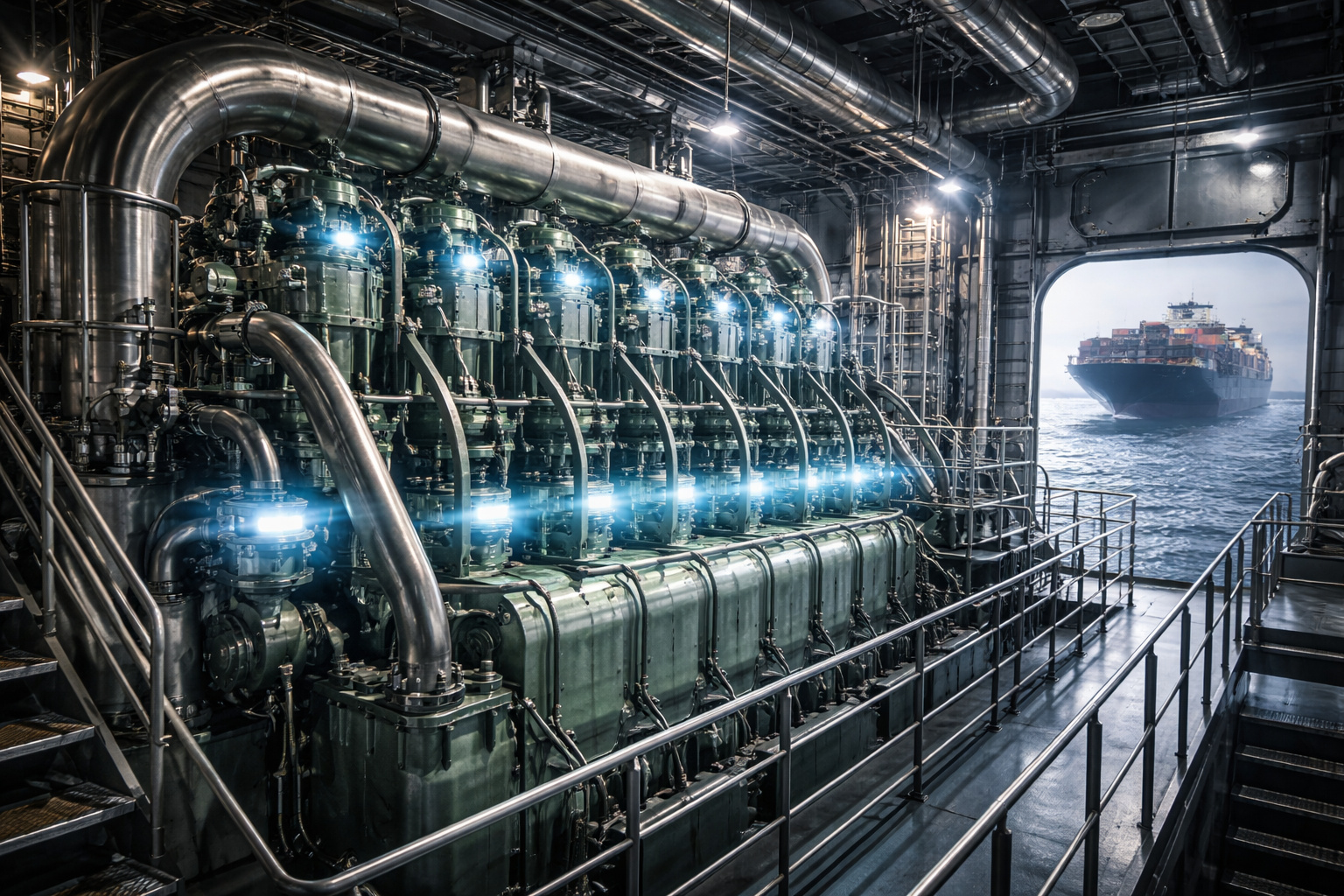
Europe is trying to create an ammonia-powered marine engine without auxiliary fuel, which could unlock the race for giant emission-free ships. The technology aims to eliminate one of the biggest obstacles to clean maritime propulsion.
-
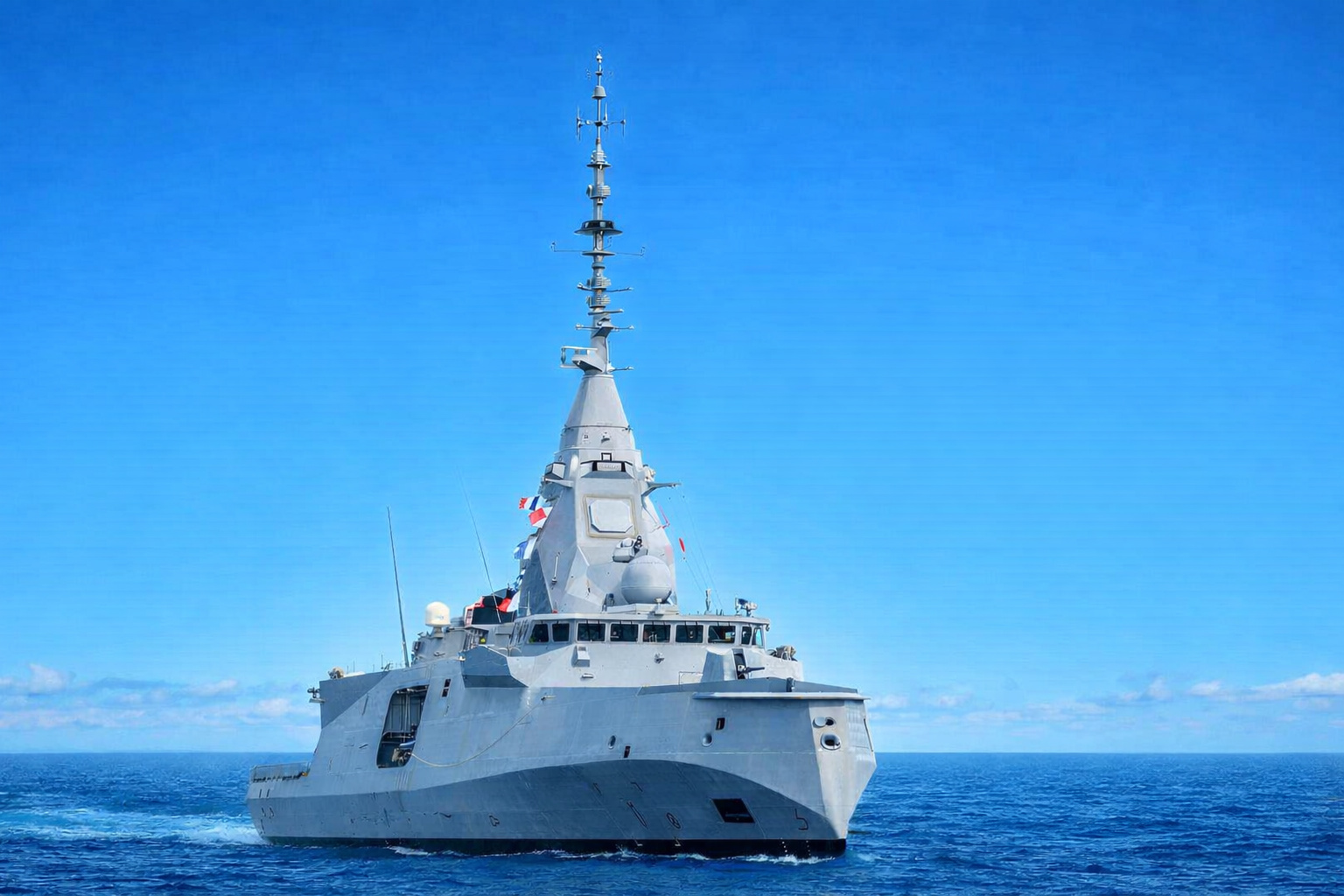
A 4,500-ton frigate with just over 100 crew members, state-of-the-art radar, and cruise missiles is being touted as the new standard of naval warfare in the 21st century.
-
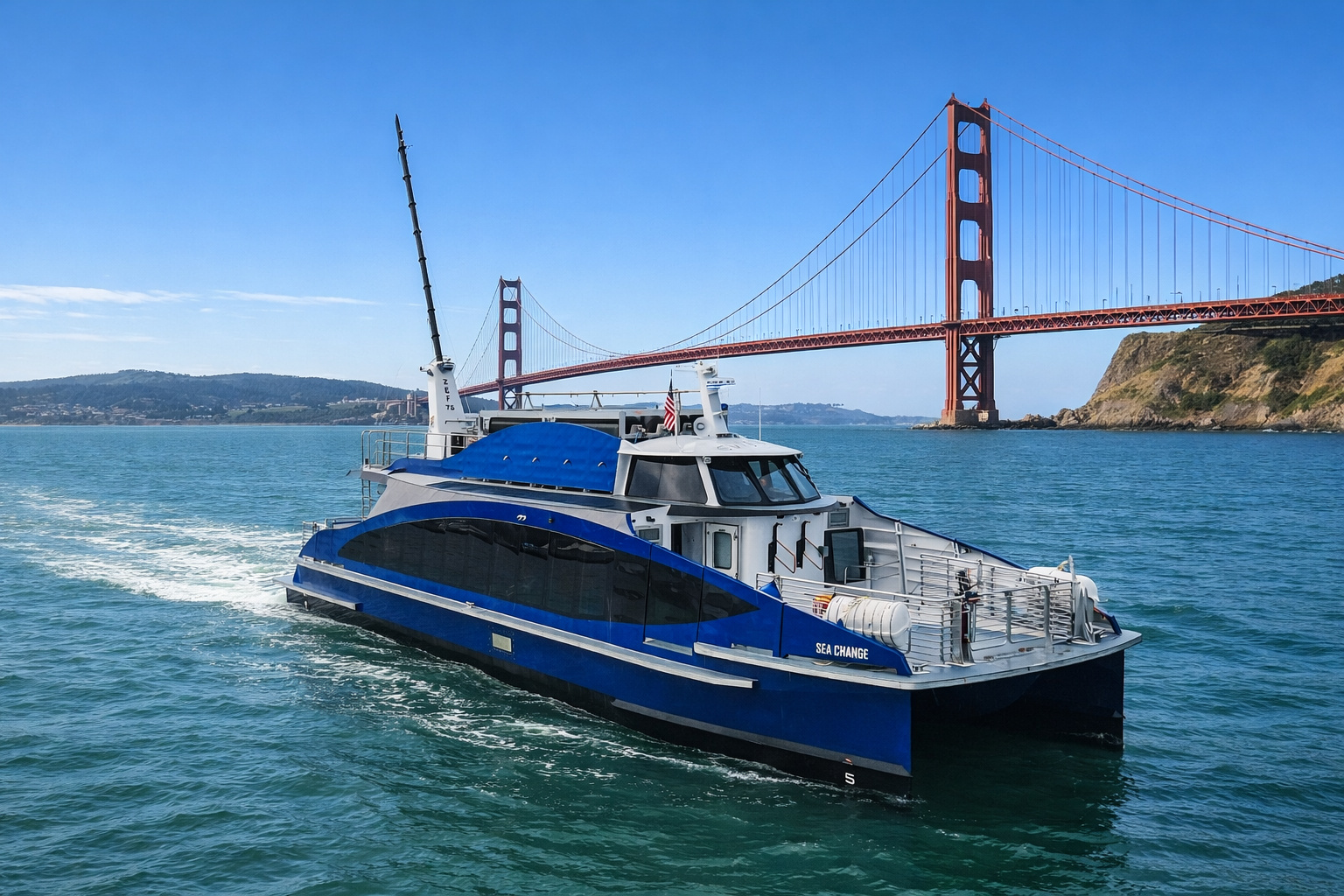
The first commercial hydrogen-powered ferry enters operation in the U.S., eliminates the use of diesel, uses fuel cells to generate clean energy on board, and transforms San Francisco Bay into a landmark of the new era of emission-free navigation.
-
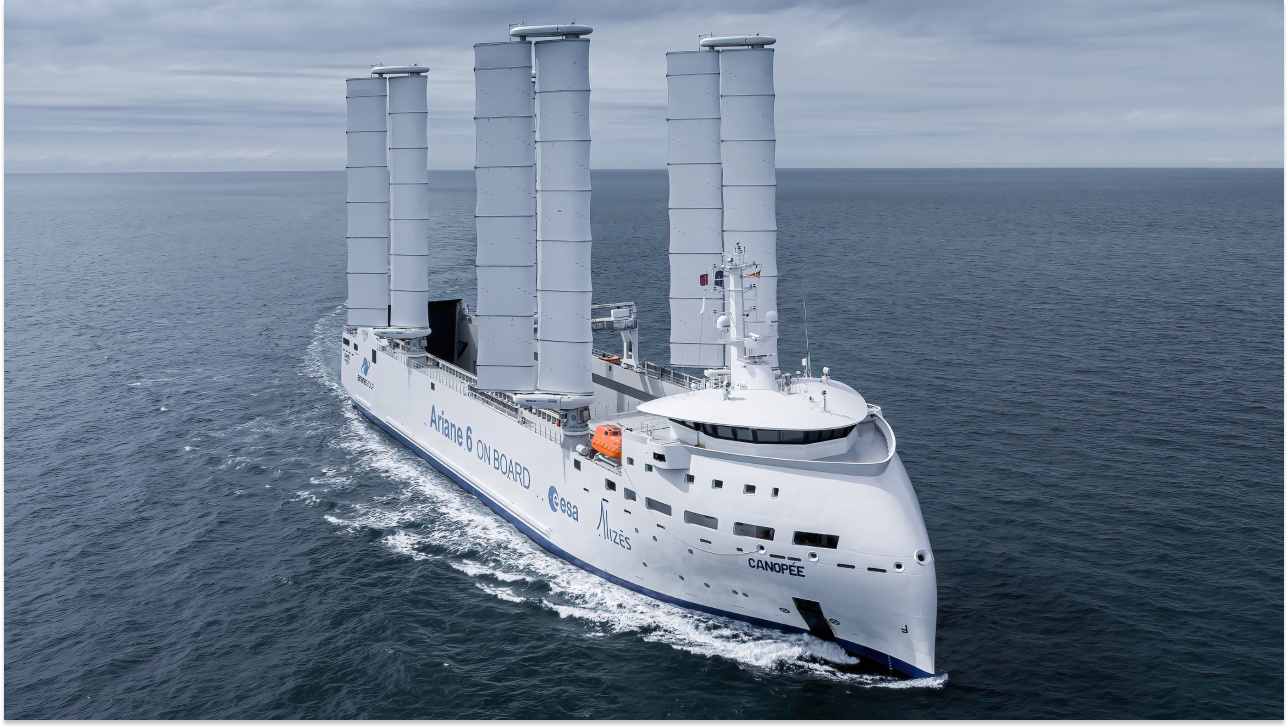
With a length of 121 meters and four rigid sails of 36 meters that automatically rotate to capture the wind, Canopée is the world’s first hybrid industrial cargo ship powered by wind, used to transport rockets and reduce fuel consumption by up to 30% on transoceanic routes.
The operation begins when the plane handlers position the aircraft on the catapult and connect it to the nose gear. The catapult accelerates the aircraft from 0 to 160 knots (about 300 km/h) in less than two seconds, using steam to drive the pistons and launch the aircraft from the flight deck.
The ‘Bubble’ Is Exclusive to Nimitz-Class Aircraft Carriers
The first bubble is located on the starboard side, between catapults one and two, and the second bubble is on the port side, to the left of catapult four. The work inside the bubble is challenging and requires a lot of attention and precision. The smallest room on the aircraft carrier is a center for vital operations, where quick and precise decisions are key to the success of the missions.
Life inside the bubble can be intense, but it is essential for the safe and effective operation of aircraft carriers. Each aircraft launch is a demonstration of skill and coordination, ensuring that jets take off and land safely in such a limited space.
The control cabin of an aircraft carrier is a small but vital space. The officers in the bubble play a crucial role in ensuring that each takeoff occurs safely. The next time you see an aircraft carrier, remember the small but powerful bubble and the important work that takes place inside.









Seja o primeiro a reagir!