





 Portuguese
  English
  Spanish
  2 min of reading
  0 comments


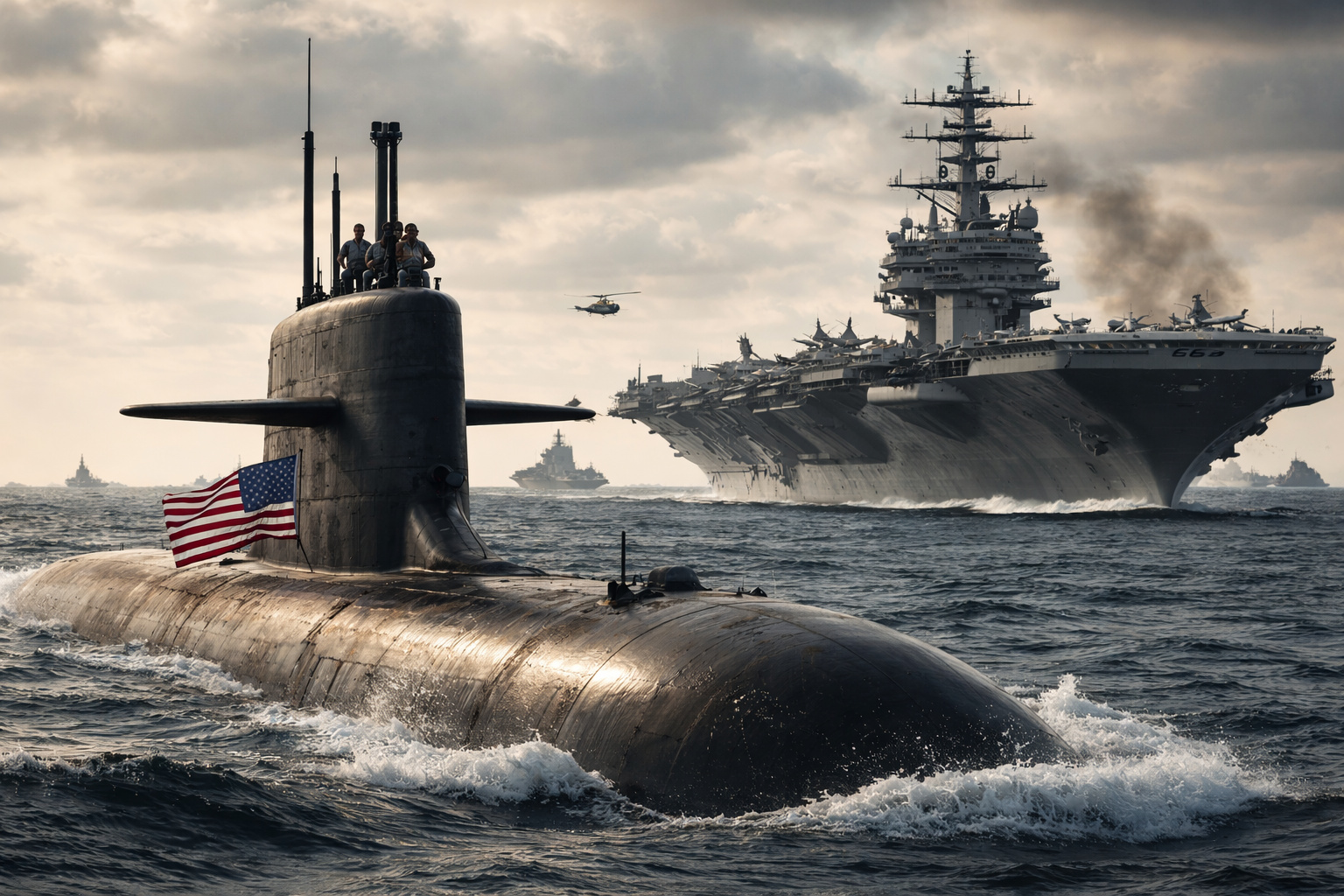
Simulation held in 1981 showed how submarines can overcome large ships and revealed vulnerabilities that still influence current military strategies
A naval exercise conducted in 1981 revealed a significant strategic vulnerability.
At the time, a Canadian diesel submarine, valued at around $80 million, successfully simulated an attack on the USS Eisenhower aircraft carrier, estimated at $5.5 billion.
The simulation exposed relevant operational limitations, even with modern naval defense systems.
-
A country where no mother pays income tax if she has three children and still receives incentives, easy credit, and state support to increase births and try to reverse the population decline.

-
Is Brazil really safe? The global war scenario shows real risks for energy, food, the economy, and internal stability.

-
SUS surpasses Brazil and inspires a revolution in health: agreement with Mexico could bring universal, free, and more accessible care to millions of people outside the country.

-
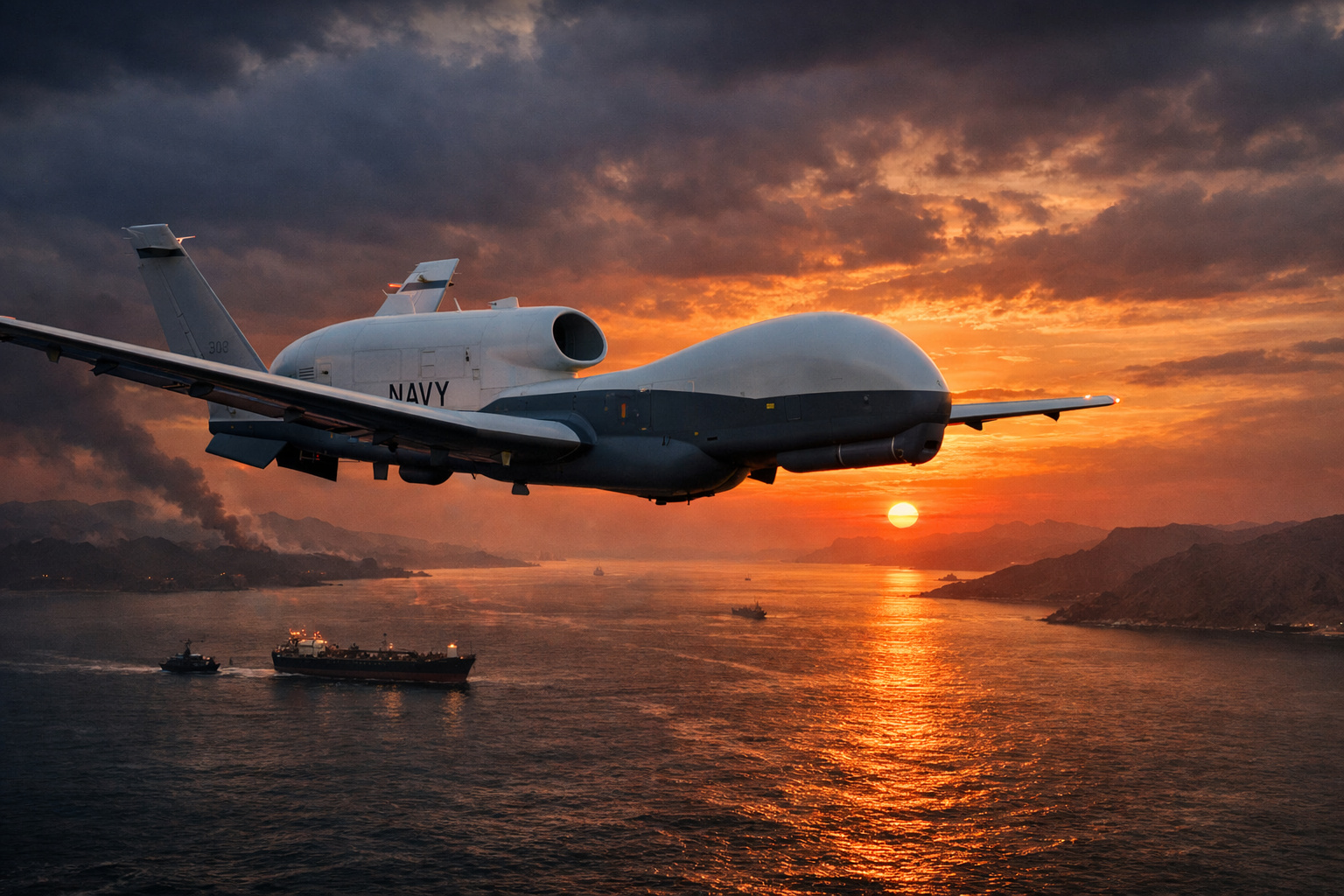
US drone worth $1 billion disappears after issuing emergency alert in the Strait of Hormuz, raising global tension.
This episode became a milestone in military strategic studies, especially in the context of the Cold War.
Submarines challenge the dominance of aircraft carriers
Aircraft carriers occupy a central position in modern military forces, as they function as mobile air bases at sea.
According to Admiral Lord West of Spithead, these vessels can reposition themselves quickly, reaching up to 500 miles per day.
This mobility allows to deploy air forces swiftly to strategic regions.
The importance of these ships also makes them priority targets for adversaries.
In this scenario, submarines emerge as a silent threat, as they operate undetected.
Military exercises confirmed vulnerabilities
Exercises conducted by NATO throughout the 1980s reinforced these operational weaknesses.
In practice, submarines can approach large ships without being detected.
A Canadian Oberon-class submarine simulated a successful attack against a U.S. ship.
Even robust defense systems show limitations in specific scenarios.
These lessons influenced military doctrines over the following decades.
Strategy surpasses technology in war scenarios
Subsequent analyses show that technological superiority does not guarantee absolute victory.
Analyst Brandon J. Weichert states that the idea of aircraft carriers being invulnerable has fallen several times.
Smaller and stealthier submarines can efficiently exploit specific weaknesses.
Size or financial investment does not guarantee total advantage in combat.
Tactical planning plays a central role in modern conflicts.

The dispute between submarines and large ships remains current
The balance between naval attack and defense remains one of the main military challenges today.
Aircraft carriers receive constant improvements in protection and detection systems.
Submarines advance in stealth and attack precision, enhancing their effectiveness.
The technological competition between these forces continues to evolve.
New vulnerabilities arise as technology evolves.
The relationship between naval power and strategy remains a decisive factor in global conflicts.
Will the next military innovation once again alter the balance between submarines and aircraft carriers?










Seja o primeiro a reagir!