





 Portuguese
  English
  Spanish
  6 min of reading
  0 comments



NASA’s return to the lunar agenda, the advancement of SpaceX’s IPO, and Brazil’s growing role connect the market, regulation, and space infrastructure in a single contest for influence, technology, and expansion capacity.
The new phase of the United States’ space agenda has brought NASA and SpaceX even closer together.
The American agency depends on Elon Musk’s company for central parts of the Artemis program, while the company moves towards an IPO that, according to Reuters, could become the largest in stock market history.
In this scenario, Brazil appears on more than one front, as a relevant market for Starlink, as a focus of regulatory pressure on Grok, and as a country that maintains a launch base with strategic potential for space operations.
-
Super El Niño gains strength in new forecasts and could cause droughts, floods, and extreme global heat, making 2027 the hottest year in history.

-
An invisible phenomenon in Antarctica on a continental scale reveals a direct impact on the polar climate by showing that penguin droppings release ammonia, form bright clouds, and raise an unexpected scientific curiosity about the balance of the icy atmosphere.

-
A rare phenomenon of silent electric flashes in trees on the east coast of the United States intrigues researchers, confirms a century-old suspicion, and raises concerns about invisible environmental impacts.

-
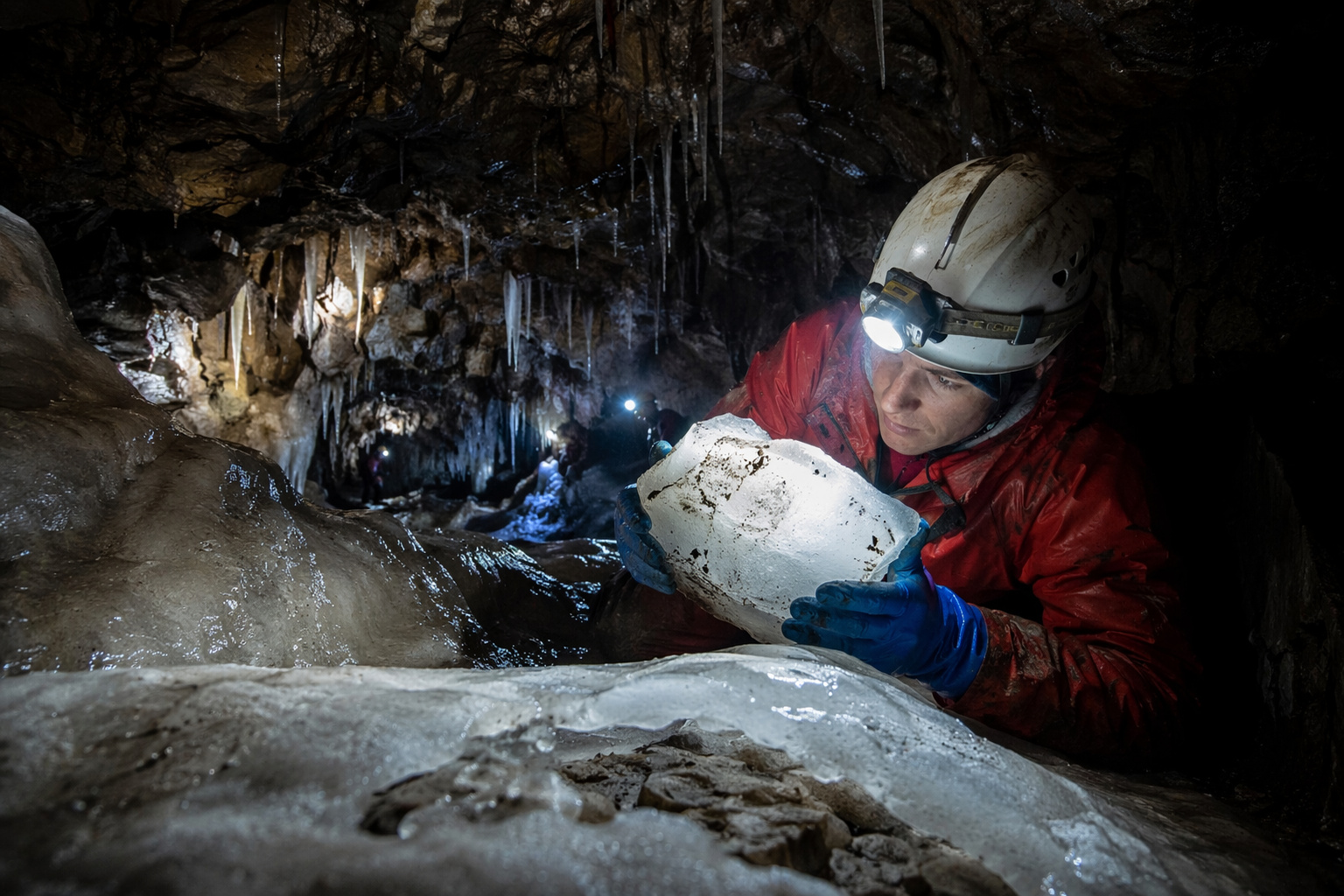
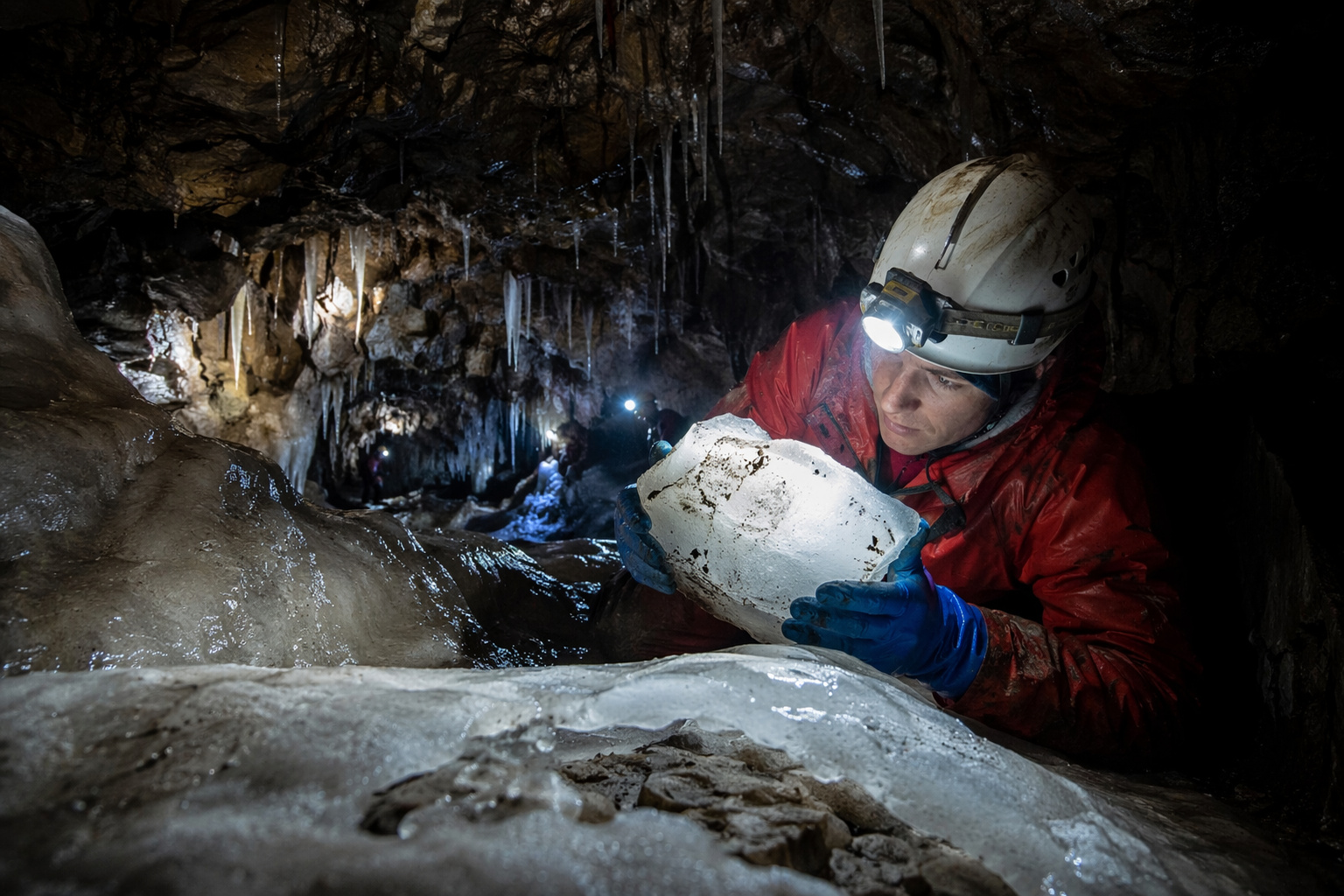
5,000-year-old bacteria found frozen in a cave in Romania already shows resistance to modern antibiotics and raises a global scientific alert about the future of infections.
The relationship between NASA and SpaceX has ceased to be limited to the traditional logic of contractor and supplier.
Over the past few years, the company has become a central piece of the American architecture for crewed missions beyond low Earth orbit.
At the same time, public contracts have helped drive the company’s expansion in the space sector, especially in projects related to the Artemis program.
However, the objectives are not identical: NASA operates within public goals and institutional timelines, while SpaceX combines space activities with connectivity and artificial intelligence businesses.
Artemis, NASA, and the new lunar schedule
The lunar schedule has also changed.
In an update released in February 2026, NASA announced that Artemis III, now scheduled for 2027, will focus on testing systems and operational capabilities in low Earth orbit around the Earth.
According to the agency, the crewed lunar landing has been shifted to Artemis IV, scheduled for 2028.
This change reinforces the importance of private partners in the current design of the program, including SpaceX, which remains involved in the operational strategy of the mission.

SpaceX’s IPO and market interest
This centrality helps explain why the potential IPO of SpaceX is being closely watched both inside and outside the aerospace sector.
A report from Reuters published on April 7, 2026, states that the company has submitted documentation confidentially and is working on an offering that could raise up to $75 billion, with a valuation of up to $1.75 trillion.
If the operation is completed on these terms, it could surpass the record set by Saudi Aramco and become the largest IPO ever recorded.
The market’s interest is not only explained by the launch business.
Reuters reported that the company’s pricing is also seen as an indicator of investor appetite for technology-intensive groups, especially after the integration between SpaceX and xAI.
At the same time, the company’s own structure makes valuation more complex, as the group combines rocket operations, satellite internet, and assets related to artificial intelligence.
In this context, market analysts view the IPO as a relevant test, but one that is difficult to interpret, precisely because it combines very different areas under the same corporate structure.
The main economic basis of this narrative, for now, is not in missions to Mars.
It lies in Starlink.
According to Reuters, the satellite internet network accounts for a significant portion of SpaceX’s revenue and closed 2025 with billion-dollar profits.
This performance is one of the factors sustaining market interest in the company, as investors tend to closely observe cash generation capacity in businesses that require large investments and long execution cycles.
Starlink in Brazil and the weight of the local market
This is where Brazil comes in more directly.
The country has established itself as one of the relevant markets for Starlink, especially in regions with less terrestrial infrastructure coverage.
In April 2025, Anatel authorized the expansion of the company’s local operation with an additional 7,500 satellites.
This decision simultaneously highlighted the importance of the Brazilian market for the company’s expansion and the need for regulatory oversight on issues such as competition, orbital sustainability, and digital sovereignty.

Grok, regulation, and institutional pressure in the country
Beyond the commercial aspect, Brazil also appears in the regulatory debate surrounding AI tools linked to Musk’s group.
On January 20, 2026, ANPD, MPF, and Senacon recommended that X prevent the generation and circulation of inappropriate sexualized content produced using Grok.
Weeks later, on February 11, the same agencies reported that the measures presented by the platform were insufficient and mandated immediate actions.
The case increased institutional pressure on the system’s operations in the country.
For the financial market, disputes of this nature are often viewed through the lens of regulatory risk.
This is especially true for companies that try to combine connectivity activities, digital platforms, and artificial intelligence in a single growth narrative.
In the case of SpaceX and Musk’s associated companies, the Brazilian regulatory environment has become significant not only locally but also as part of the international perception of governance and compliance.
This interpretation stems from the recent history of investigations opened in the country.
Alcântara returns to the radar of the space sector
There is also a third point of contact between the company’s space strategy and Brazil: the Alcântara Launch Center in Maranhão.
The base is frequently mentioned by industry experts due to its proximity to the Equator, a condition that can reduce fuel expenditure and increase the efficiency of certain missions.
In 2022, Elon Musk visited Brazil, and Alcântara was mentioned in discussions with the Jair Bolsonaro government as a potential asset for the space sector.
However, there was no official announcement of the base’s use by SpaceX.
In recent months, Alcântara has returned to the news due to the resumption of commercial operations.
In December 2025, the South Korean company Innospace conducted the first attempt at a commercial launch from the Brazilian base.

The rocket fell a few seconds after takeoff, with no injuries reported, according to Reuters and Agência Brasil.
Despite the failure, the company stated that it intends to conduct a new mission in the first half of 2026.
This episode has put the Brazilian space center back on the map for companies seeking launch alternatives outside traditional poles.
This movement does not authorize concluding that SpaceX will operate in Alcântara, and there is no public confirmation in this regard.
What the facts indicate is that the global launch capacity remains a central theme for companies in the sector, especially for those planning accelerated expansion of satellites and orbital missions.
In this environment, bases with geographical advantages and room for expanded commercial use tend to remain under the observation of governments and private companies.
Brazil, Musk, and the contest for influence in space
At the intersection of NASA’s return to the Moon, SpaceX’s IPO, and Musk’s business expansion, Brazil appears as a relevant actor in three objective dimensions.
The country has weight as a market for Starlink, gained prominence in the oversight of Grok, and maintains a space base that has been mentioned again in discussions about launch capacity.
Instead of broad projections, the current picture is defined by these concrete elements, which help explain why Brazil has begun to occupy a more visible space in the recent trajectory of the company.






Seja o primeiro a reagir!