





Upon concluding the 14th Five-Year Plan, China consolidated the world’s largest transportation network, with nearly 200 thousand kilometers of highways and more than 50 thousand of high-speed trains. The numbers were presented by the Vice Minister of Transport in Beijing, and a portal contrasted them with the United States’ military spending.
China concluded its latest five-year plan, covering the period from 2021 to 2025, consolidating one of the largest transportation networks on the planet, with nearly 200 thousand kilometers of highways and the largest high-speed train network in the world. The data were presented this Tuesday (21) by the Chinese Vice Minister of Transport, Xu Chengguang, in a press conference in Beijing, and published by the portal Brasil 247, which contrasted the infrastructure investment with the United States’ military spending.
According to the official report, the country expanded its infrastructure network at an unprecedented pace, with investments that strengthened the economy and territorial integration. While Washington increases its military spending amid the conflict with Iran, Beijing directed resources towards permanent works, a comparison drawn by the report that served as the basis for this article and helps explain the development strategy adopted by the Chinese government.
The official report presented in Beijing
The numbers came from a press conference conducted by the Vice Minister of Transport, Xu Chengguang, when presenting the balance of the 14th Five-Year Plan, which covers the years from 2021 to 2025. According to him, China built one of the largest and most comprehensive transportation infrastructure networks ever seen, with the national integrated network exceeding 6 million kilometers in length.
-
China invades Brazil: ‘Chinese invasion is more serious than the tariff hike,’ warns the president of Abimaq; Chinese already dominate machinery imports, moving US$ 32 billion per year and causing the Brazilian industry to lose ground.

-
Brazil gains a colossal powder detergent factory with an investment of R$ 150 million, producing over 1.2 million units per day and using technology that only market leaders utilize.
-
Brazilian passport opens the doors to 169 countries without requiring a visa, which places Brazil in the 16th position in the global mobility ranking and as the second most powerful document in all of Latin America, behind only Chile.
-
He started selling potatoes from bar to bar at five in the morning and today runs a company that earned R$ 24 million last year, on a path that now includes the purchase of a WhatsApp platform to try to add another R$ 8 million to the revenue.


The volume of resources applied is the basis of this advancement. According to the official, the country invested 18.8 trillion yuan, about 2.78 trillion dollars, in fixed transportation assets during the period, the largest investment and the fastest expansion of the network in any five-year interval since the founding of the People’s Republic of China in 1949. It is this level of investment that supports the numbers presented in each mode of transportation.
Nearly 200 thousand km of highways
Among the highlights, China’s expressway network reached 199,000 kilometers at the end of the 14th Five-Year Plan, the largest network of its kind in the world. The extension connects virtually all major Chinese cities and drastically reduces logistics costs, facilitating the transportation of people and goods in a country of continental dimensions.
The road expansion also plays a strategic role within Chinese planning. The expressway network is considered one of the pillars of the strategy to integrate less developed regions with the economic dynamism of coastal areas, bringing the interior closer to major production centers. By shortening distances and reducing freight costs, the network becomes an instrument of regional development, not just a mobility project.
The largest high-speed rail network in the world
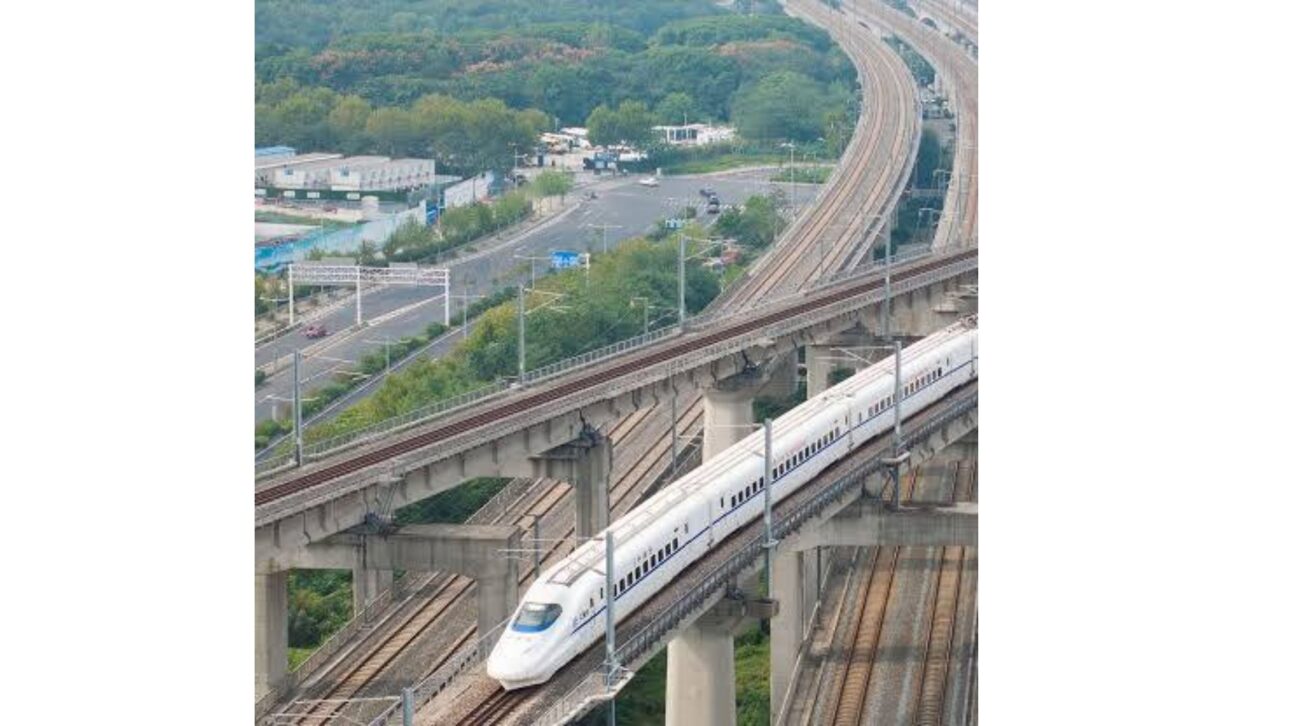
The growth of the high-speed railway is another noteworthy aspect of the report. China already operates more than 50,000 kilometers of high-speed train lines, a much greater extension than any other country and the largest on the planet. The network connects hundreds of cities and allows for quick travel between major economic hubs, shortening travel time and strengthening the domestic market.
The use of this system skyrocketed during the period. The volume of high-speed train passengers grew by 132% in five years, according to official data, which reinforces the network’s role as a driver of regional development. Besides providing comfort to millions of passengers, the system has also become an instrument for reducing carbon emissions, by replacing part of air and road transport with rail travel.
Airports and the largest postal system on the planet
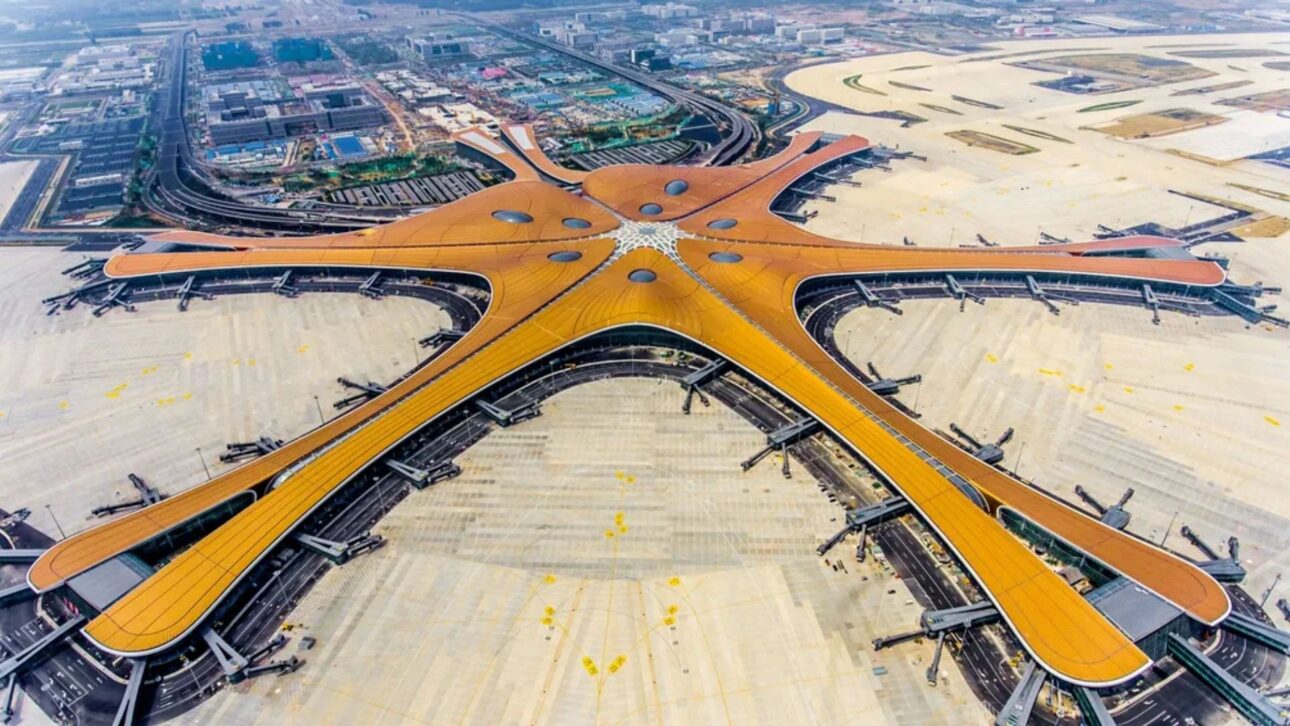
The airport infrastructure was also expanded over the course of the five-year plan. According to the Ministry of Transport, China currently has 270 operational transport airports, ensuring greater national and international integration, and the volume of civil aviation passengers grew by 84.2% in five years. The strategy is to enhance connectivity between major urban centers and interior cities, promoting tourism, business, and the circulation of higher value-added goods.
There is also a record in delivery logistics. China has consolidated the largest postal system in the world, both in scale and in the number of people served, and has led the global volume of express parcels for 12 consecutive years, according to the report. This network is essential to support the extraordinary growth of Chinese e-commerce, ensuring fast deliveries across almost the entire territory and supporting the country’s digital economy giants.
The contrast with U.S. military spending
The report that disclosed the Chinese data draws a direct comparison with the United States, and it is important to clarify the source of each piece of information. While the infrastructure numbers come from the official balance sheet of the Chinese government, the contrast with American military spending is the framing provided by the portal Brasil 247, which served as the basis for this article.
According to this framing, the numbers would be significant. The portal claims that the United States has already spent around R$ 192 billion on the conflict with Iran and is seeking Congressional authorization to allocate another R$ 462 billion to military escalation, figures not included in the balance sheet presented in Beijing and attributed to the report itself. The central thesis defended by the text is that, instead of consuming resources in military operations, China directs funds to projects capable of generating wealth, increasing productivity, and improving the lives of more than 1.4 billion inhabitants.
What comes next: the 15th Five-Year Plan
The balance sheet presented in Beijing also points to the future. With the transport network already consolidated on a large scale, Chinese authorities indicate that the next cycle, the 15th Five-Year Plan, covering the years 2026 to 2030, should shift the focus from simple expansion to improving connectivity, efficiency, and system resilience.
The change in emphasis suggests a new phase in the infrastructure strategy. The Ministry of Transport indicates that the country intends to advance in major projects, including the completion of high-speed rail corridors and highway networks still under construction. The integration between highways, railways, airports, and postal logistics, which has already transformed infrastructure into one of the main competitiveness factors of the Chinese economy, should remain a priority in the next plan.
A bet on projects to integrate a continental territory
The portrait that emerges from the official report is of a country that ended five years betting heavily on infrastructure, with almost 200,000 kilometers of highways, more than 50,000 of high-speed trains, 270 airports, and the largest postal system in the world. These are numbers that place China at the top of the world in terms of transportation scale and that, according to the report, contrast with the military spending route followed by the United States.
And then comes the question that truly sparks conversation. Do you think a country develops more by investing heavily in infrastructure, as China did, or does the comparison with the United States’ military spending oversimplify a more complex reality? Comment below on what you think Brazil should prioritize in the coming years and why.


