





 Portuguese
  English
  Spanish
  5 min of reading
  0 comments



The war with Iran began to affect global supply chains beyond oil by disrupting part of helium production in Qatar, pressuring aluminum in the Gulf, and increasing the risk of impacts on chips, magnetic resonances, packaging, electronics, and investments in artificial intelligence infrastructure
The war with Iran goes beyond pressure on oil and gas and begins to compromise the global supply of helium and aluminum, two strategic inputs for the manufacturing of semiconductor chips, medical equipment, consumer goods, and packaging, in a scenario that amplifies the economic effects of the conflict.
Qatar, responsible for about one-third of the world’s helium supply, halted gas production this month after Iranian attacks on two liquefied natural gas facilities of the state-owned QatarEnergy. Since helium is a byproduct of natural gas processing, the shutdown of these facilities directly compromises international supply.
QatarEnergy itself reported that the attacks destroyed 17% of the country’s LNG export capacity. Repairs, according to the disclosed estimate, may take three to five years, prolonging the risk of shortages and further pressuring already affected supply chains.
-
Global warming will expose a treasure hidden under the ice of Antarctica and may spark an international dispute over gold and valuable minerals.

-
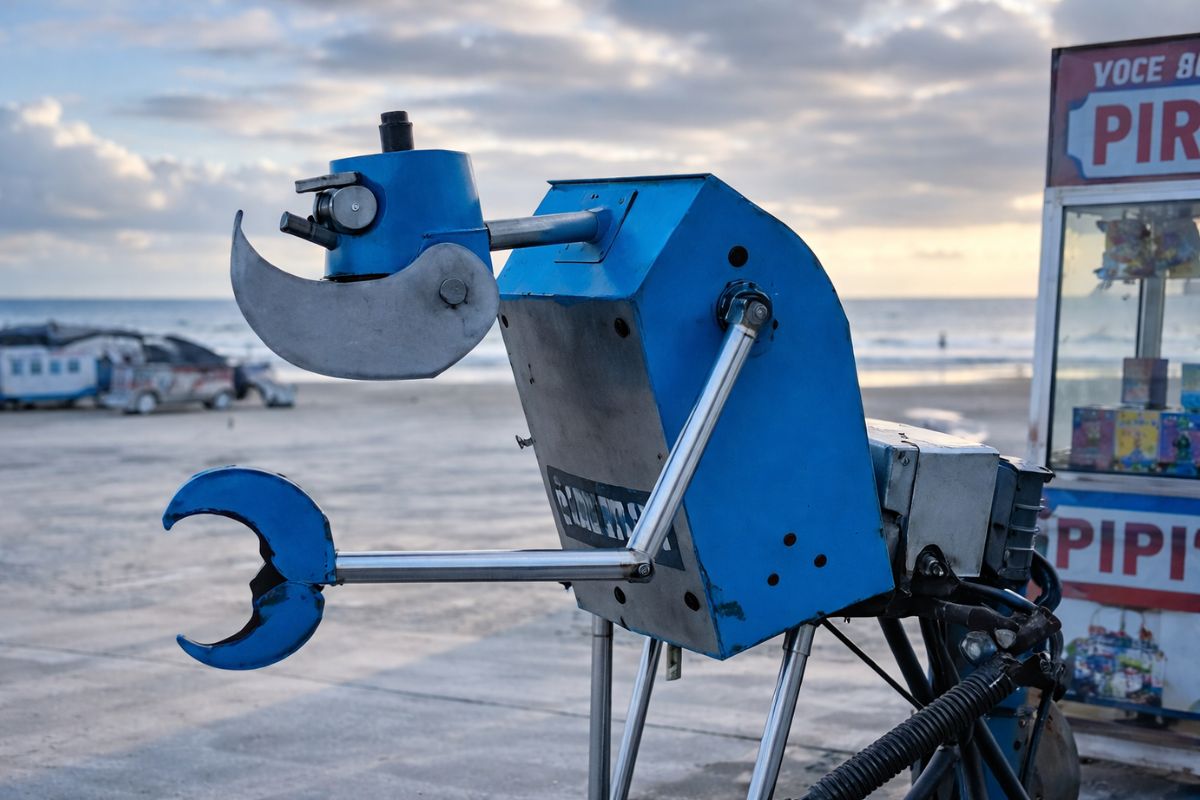
A street vendor from Praia Grande built a robot made of scrap from scooters and washing machines that pulls his popcorn cart on the beach, emits sounds, and interacts with customers, becoming an attraction on the coast of São Paulo.
-
The specifications of the Xiaomi 18 Pro Max have been leaked, and the highlight is a dual 200 MP camera with a new 22-nanometer technology that promises to consume less energy and capture details in shadows and bright areas using LOFIC HDR.

-
If the trip to the Moon were a hoax, it would be necessary to keep the secret among 400,000 people for more than 50 years and to deceive even the Soviet Union, which was tracking the radio signals coming from the exact direction of the satellite during each Apollo mission.


War with Iran exposes fragility in the helium market
The effects of the war with Iran on helium have begun to attract attention at a time when the main focus of the market is still concentrated on fuels.
In the United States, the rise in oil and gas prices dominates the immediate reactions of consumers, companies, and economists, with the average gasoline price reaching $4 per gallon on Tuesday, for the first time since August 2022.
The lower visibility of the helium crisis does not reduce its potential impact. Vidya Mani, a global supply chain expert and associate professor of business administration at the Darden School of Business at the University of Virginia, stated that the focus on gas supply has overshadowed the extent of helium scarcity.
The global market for this gas is especially vulnerable because only a small group of countries concentrates production. The United States led last year with 81 million cubic meters, while Qatar, Algeria, and Russia are among the main producers, but Russian supply is banned due to sanctions from the United States and the European Union.
This situation reduces alternatives to compensate for a prolonged disruption in the Gulf. With fewer relevant suppliers available, any significant production break tends to quickly disrupt contracts, inventories, and industrial schedules across multiple sectors at once.
Semiconductors, hospitals, and the space sector enter the risk zone
Helium is considered essential in the manufacturing of semiconductors due to its high efficiency in heat transfer and rapid cooling. The gas is used by chip manufacturers to cool wafers, the silicon discs where electronic circuits are printed.
Its use also occurs during the etching process, a stage where the material deposited on the wafer is scraped to form the structures of transistors. Jacob Feldgoise, an analyst at the Center for Security and Emerging Technologies at Georgetown University, detailed this function by explaining the presence of helium in the semiconductor production line.
Vidya Mani warned that a significant portion of the helium used by the chip industry comes from Gulf countries. She pointed out that the scarcity could directly affect products such as laptops, iPhones, and small appliances, all dependent on electronic circuits to function.
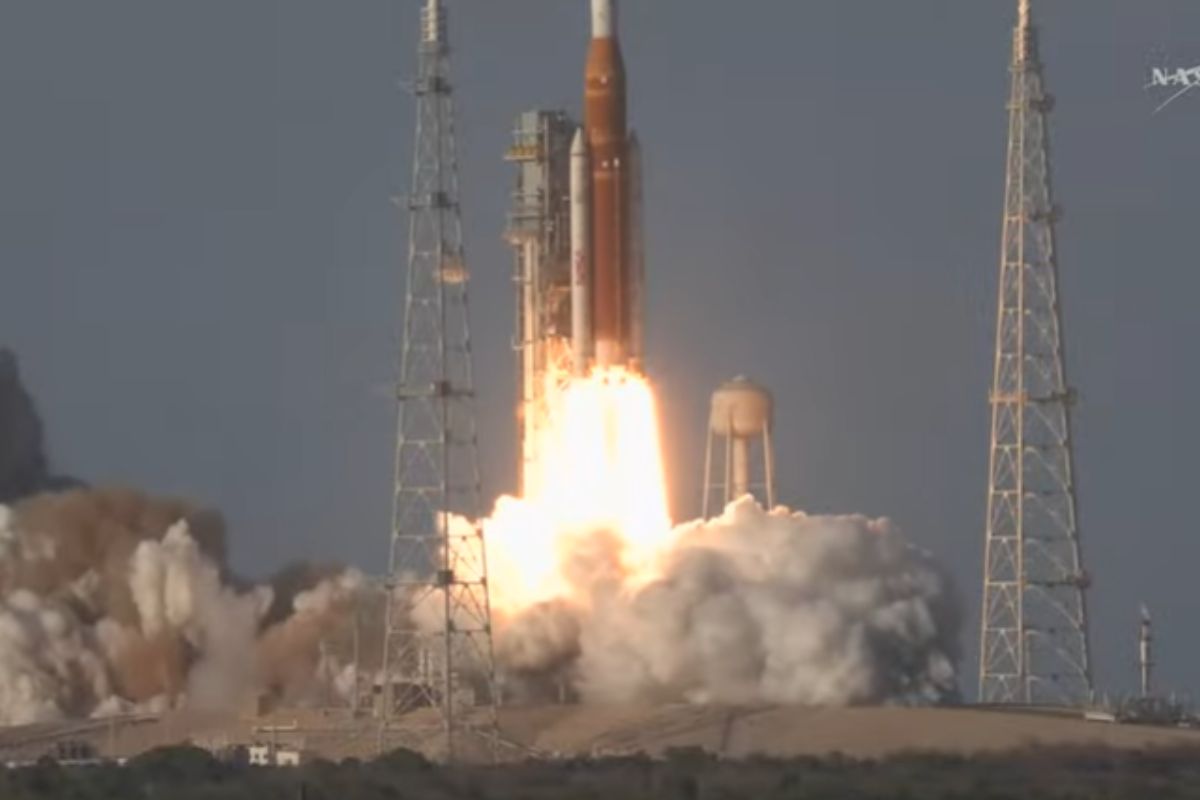
In the medical field, the gas is used to cool the superconducting magnets of magnetic resonance imaging equipment. The space industry relies on helium to purge rocket fuel tanks, a demand that tends to grow with the increase in launches promoted by companies like SpaceX and Blue Origin.
Short stocks expand the impact of the war with Iran
The war with Iran is also concerning because the stocks held by manufacturers that use helium tend to be limited. Mani stated that, in general, these companies store enough volumes for a maximum of two months, which narrows the margin to absorb a prolonged shutdown.
Signs of scarcity have already begun to reach the American market. Experts reported that helium suppliers are warning clients in the United States, including semiconductor and electronics manufacturers, to prepare for product shortages and price increases.
Cliff Cain, from Pulsar Helium, said that companies are already receiving force majeure and allocation letters. For him, the effects of the crisis have already begun and tend to affect everything from automotive chips to iPhones, with direct repercussions on the global production of electronic devices.
Cain added that there is no way to increase helium supply in the short term. Oxford Economics also pointed out that a global shortage of the gas could hinder chip manufacturing, interfere with the construction of artificial intelligence data centers, and limit companies’ investment plans.
Yvette Connor, leader of risk consulting at CohnReznick, assessed that the growth of American AI companies may slow down due to the lack of chips associated with helium restrictions. Her assessment is that the problem may reduce the growth rate of these companies, although it does not eliminate their capacity.
Aluminum rises and pressures production and packaging costs
In addition to helium, the war with Iran also raises the risk of aluminum and nitrogen shortages, according to supply chain experts. This movement could increase costs for food and packaging for American consumers, expanding the crisis’s reach beyond heavy industry and technology.
About 9% of the world’s aluminum supply comes from Gulf countries. With local disruptions, the effects have already begun to appear in the market, and aluminum prices reached their highest level in four years this week.
Stephen Hare and Sebastian Tillet from Oxford Economics stated that the combination of lower regional supply and higher energy costs is putting pressure on the entire global production curve. In practice, this tightens market conditions and pushes aluminum prices up.
Vidya Mani noted that a shortage of the metal would have a direct and immediate effect on the cost of packaging consumer goods. Aluminum is also widely used in the automotive sector, which reinforces how the war with Iran can spread its impacts across different segments of the global economy.





Seja o primeiro a reagir!